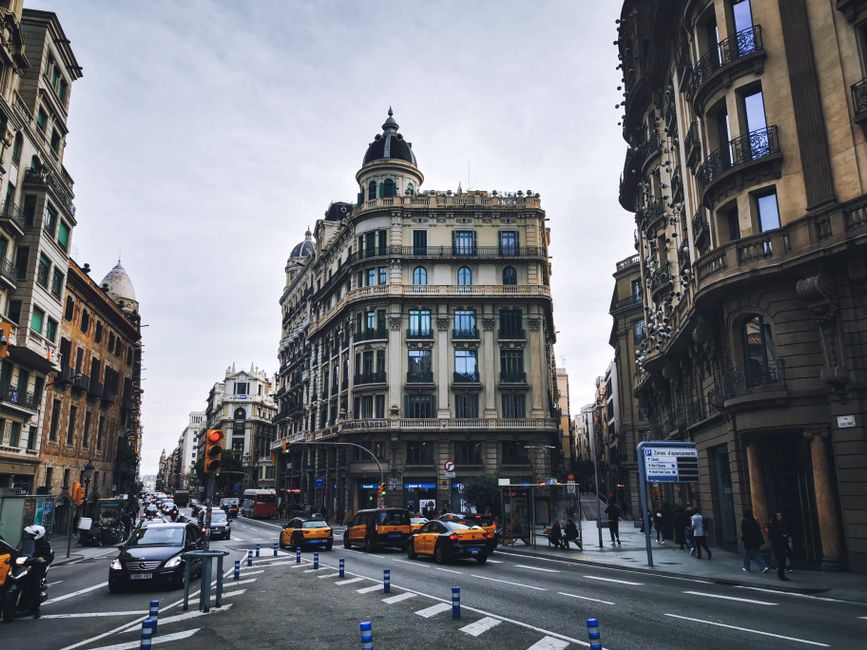
Hey fellow travelers—if you’re craving a Catalonia day without spending half your trip switching buses, I’ve rounded up the best ways to get out of Barcelona by train (and when it’s smarter to go guided). I’ll show you 9 top day trips with ideal durations and how far in advance to book.
Short hops by train: Montserrat & Sitges

Montserrat
If you only do one “mountains” day, make it Montserrat. You’ll get dramatic views, the monastery vibe, and a proper break from the city—plus it’s one of the easiest escapes from Barcelona.
Ideal duration: 4–6 hours (half-day)
How far / travel time (roughly):
- Barcelona → Montserrat: about 60 km
- Train + local connection: often ~1.5–2 hours each way depending on the exact route
Train vs guided:
- By train + local funicular/short rack/foot connections: best if you like flexibility.
- Guided tour: best if you want someone to plan viewpoints and avoid the “what do I do once I’m there?” feeling.
How far ahead to book:
- Train tickets: usually you can book same day for flexibility.
- Guided tours / special experiences: aim for 3–10 days ahead in spring and autumn; 2–4 weeks ahead for peak summer weekends.
What to do once you arrive (keep it realistic):
- Monastery area stroll (easy, good for photos)
- Viewpoint walk (moderate, but you can turn around early)
- Optional cable car/funicular connections if you don’t want a long hike
Trade-offs / tips (the stuff you only learn by going):
- It gets busy mid-morning. If you want less crowding, start early.
- Some routes are steeper than they look on a map—pick a “turnaround point” so you don’t accidentally do a full hike.
Sitges seaside escape
Sitges is the day trip I recommend when you want something easy, beachy, and low-stress. It’s also great if you’re traveling with someone who doesn’t want a full museum day.
Ideal duration: 4–7 hours (morning beach to sunset)
How far / travel time (roughly):
- Barcelona → Sitges: about 35 km
- Train: commonly ~30–45 minutes each way
Train vs guided:
- Train all the way is the move here. Guided tours usually add little unless you want a food-focused plan.
How far ahead to book:
- Typically same day works fine for train tickets.
- If you’re going on a high-demand weekend in July/August, consider booking your train a few days ahead so you’re not hunting seats.
A simple, satisfying plan:
- Arrive around late morning
- Walk the seafront promenade and hit the beach that matches your vibe (quiet stretches vs busier areas)
- Old town wander for a few hours—especially around lunch time
Trade-offs / tips:
- In peak summer, the “just pop down for a quick swim” idea turns into “find parking / queue / deal with crowds.” Go earlier in the day.
- If you’re traveling off-season, check weather—coastal wind can make “sunny” feel cooler than you expect.
North of Barcelona: Girona & Besalú
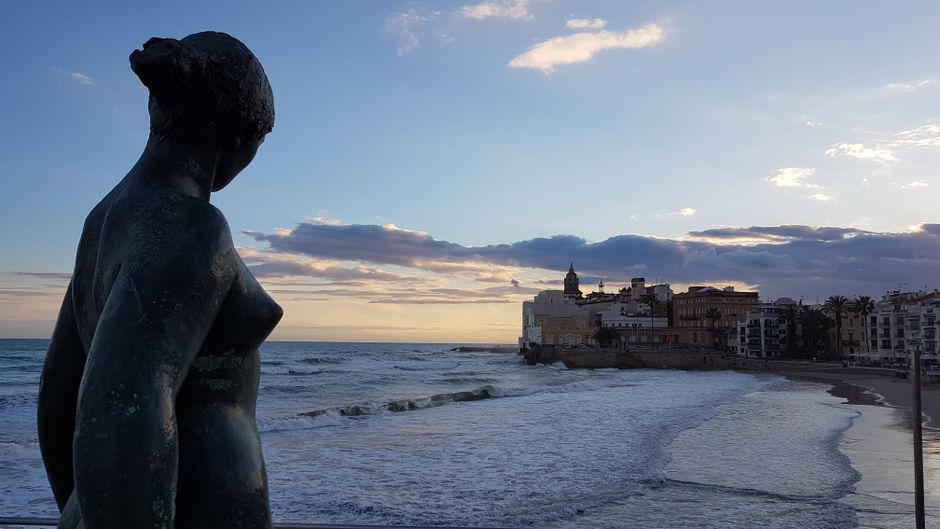
Girona
Girona feels like a smaller, more walkable version of places you’d fly to. It’s famous for its old town lanes, dramatic viewpoints, and film/TV-favorite backdrops.
Ideal duration: 6–8 hours (full day)
How far / travel time (roughly):
- Barcelona → Girona: about 100 km
- Train: commonly ~1 hour 30 minutes to ~2 hours each way
Train vs guided:
- By train: excellent. You can arrive, walk, and explore at your pace.
- Guided tour: worth it if you want history explained quickly without reading everything yourself.
How far ahead to book:
- Train: often fine same day or 1–3 days ahead.
- Guided walking tours: 2–7 days ahead, especially if you’re aiming for morning departures.
What to prioritize in Girona (without overpacking your day):
- Old town wandering (pick one “route” and don’t chase everything)
- City viewpoints (there are spots where the views instantly make the climb feel worth it)
- Riverside strolls + lunch in a side street (you’ll avoid the tourist traps)
Trade-offs / tips:
- Girona can feel very busy in the late morning, so aim to start sightseeing early.
- If you’re tight on time, don’t try to “tick every landmark”—pick the best 2–3.
Besalú
Besalú is the medieval detour that makes a day trip feel special. It’s smaller than Girona, with a calmer rhythm and that postcard stone-town charm.
Ideal duration: 4–6 hours (half to full day)
How far / travel time (roughly):
- Typically reachable via train to the broader Girona area + a connection
- Expect ~2 to 3 hours door-to-door, depending on connections
Train vs guided:
- By train + local transit: good if you’re comfortable with connections.
- Guided tour: useful if you want someone to handle the timing and you’d rather not stress about buses.
How far ahead to book:
- Same day can work, but I’d book anything “tour-based” 3–10 days ahead during busy periods.
What you’ll actually enjoy:
- Medieval street walk with minimal crowds
- Riverside atmosphere
- A “slow lunch” day—this place is best when you don’t rush
Trade-offs / tips:
- If you’re the type who needs lots of activity every hour, Besalú might feel too relaxed. Pair it with Girona if you want a bigger day.
Coast mode: Cadaqués, Tossa de Mar & Empúries

Cadaqués
Cadaqués is where the sea turns blue and the streets look like they were designed for wandering with gelato in hand. It’s popular—so go with eyes open.
Ideal duration: 7–9 hours (full day)
How far / travel time (roughly):
- Barcelona → Cadaqués: about 170–190 km
- Expect ~2.5–4 hours door-to-door depending on the route and connections
Train vs guided:
- Guided tour is the smoother option because connections can be fiddly.
- Train + onward transport: doable, but you’ll spend more time managing schedules.
How far ahead to book:
- 2–4 weeks ahead in summer.
- 1–2 weeks in shoulder season.
What to do once you get there:
- Old town lanes and viewpoints
- Waterfront time (even if you don’t “beach all day”)
- Optional short hike viewpoints if you like dramatic coasts
Trade-offs / tips:
- Expect crowds, especially around lunch and late morning.
- It can be pricier than you expect for the size of town—set a lunch budget beforehand.
Tossa de Mar
Tossa is a classic Costa Brava stop: compact, scenic, and great if you want beaches plus a bit of history. It’s one of the easiest “coast day” options that still feels distinct.
Ideal duration: 6–8 hours
How far / travel time (roughly):
- Barcelona → Tossa de Mar: roughly 100–120 km
- Expect ~2–3 hours door-to-door depending on connections
Train vs guided:
- Guided tour saves time and usually includes a smoother travel plan.
- By train + local transport: works, but plan for waiting time.
How far ahead to book:
- 1–2 weeks ahead for guided tours in peak season.
- For cooler months, a few days ahead is often fine.
A realistic itinerary:
- Arrive mid-morning
- Walk the scenic old town area
- Beach time (pick a cove; the “best” one depends on crowd level)
- Sunset stroll along the coast
Trade-offs / tips:
- In summer, beaches and lookouts can feel busy—consider arriving earlier than your “ideal beach time.”
- You’ll likely want shoes you can walk in comfortably; hills sneak up on you.
L’Escala & Empúries (ruins by the sea)
If you want something that’s part beach, part history, and way more interesting than “another coastal town,” Empúries is your win. It’s one of those places where you can do a lot without feeling trapped in a museum.
Ideal duration: 6–8 hours
How far / travel time (roughly):
- Barcelona → L’Escala area: about 130–160 km
- Expect ~2.5–3.5 hours door-to-door depending on the route
Train vs guided:
- Guided tours are handy if you want a clean plan that combines transit + entrance + pacing.
- DIY by train: also doable; just expect a connection or two.
How far ahead to book:
- 7–14 days ahead in summer.
- 3–7 days ahead in shoulder season.
What to focus on:
- Empúries ruins (pick the sections you most care about so you don’t burn your whole day)
- Walk/browse the seafront area in L’Escala
- A proper late lunch—this is where your day slows down nicely
Trade-offs / tips:
- Ruins can feel hot midday in summer—schedule the sightseeing earlier.
- If you’re sensitive to heat, keep a “shade break” mindset.
Roman vibes and surreal museums: Tarragona & Figueres
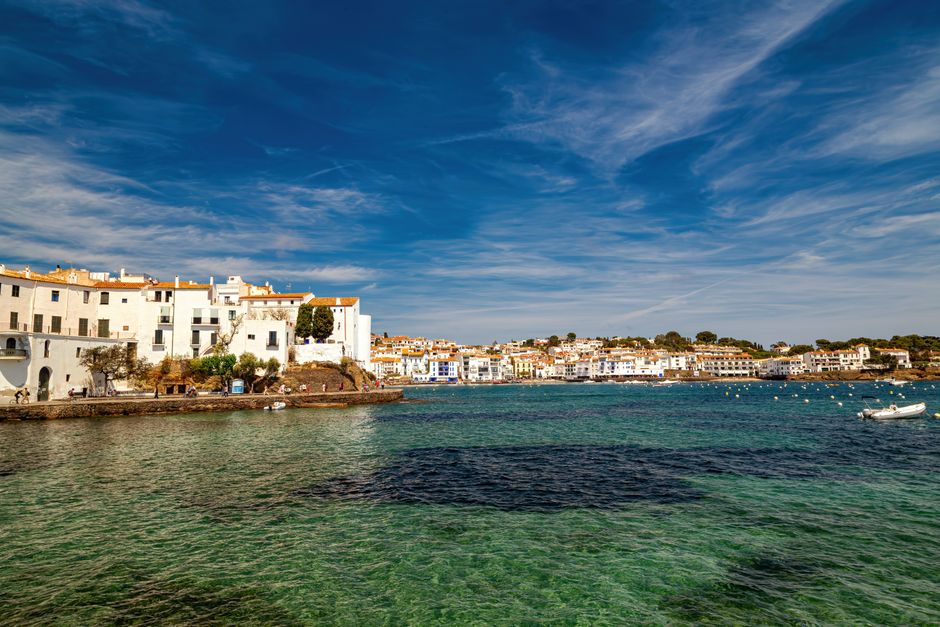
Tarragona
Tarragona is one of the best “history without being exhausting” day trips. You get Roman-era atmosphere, sea breezes, and a city that feels easier to navigate than many bigger heritage destinations.
Ideal duration: 6–8 hours
How far / travel time (roughly):
- Barcelona → Tarragona: about 90–100 km
- Train: commonly ~1.5 to ~2.5 hours each way
Train vs guided:
- Train: great for a DIY day.
- Guided tour: helpful if you want Roman history context quickly.
How far ahead to book:
- Generally no rush for train tickets.
- If you want a guided tour at a specific time, book 1–2 weeks ahead for summer.
Simple plan that works:
- Old town wander
- Roman sights (pick a “top 2,” not all of them)
- Lunch + seaside promenade time
Trade-offs / tips:
- Like most heritage cities, there’s a lot of walking. Bring comfortable shoes.
- If it’s very hot, start earlier and slow down around midday.
Figueres (Dalí)
Figueres is the day trip for anyone who wants their travel days to feel a little weird—in the best way. The Dalí museum is the big anchor, and it’s easy to build an enjoyable day around it.
Ideal duration: 6–9 hours (museum + wander)
How far / travel time (roughly):
- Barcelona → Figueres: about 150–170 km
- Expect ~2.5–3.5 hours each way depending on train timing
Train vs guided:
- Guided tour: ideal if you want a timed museum visit or want help coordinating transport.
- DIY by train: totally fine if you’re comfortable managing the schedule.
How far ahead to book:
- Museum-related plans are the part to book early.
- 2–4 weeks ahead in peak season.
- 1 week ahead in shoulder season.
What to do (without turning it into a marathon):
- Dalí museum visit (build your day around this)
- Walk the town afterward (it’s nice to decompress)
- Lunch and a relaxed pace—this isn’t a “30 minutes and out” kind of place
Trade-offs / tips:
- Days get longer in summer, but so do queues—arriving earlier helps.
- If you’re visiting with kids or you’re museum-fatigued, keep your plan flexible and don’t schedule extra stops back-to-back.
How to choose (and how far ahead to book)
Train vs guided tour: which is actually better?
Here’s the honest rule of thumb I use:
- Pick train when: the trip is straightforward and the town is easy to walk (Sitges, Tarragona, Girona).
- Pick guided when: you’ll spend too much time managing connections, or you want a pre-built route with someone handling pacing (Cadaqués, some Costa Brava coast combinations).
In plain terms: guided tours are often about time saved + stress reduced, not about “better sights.”
How early should you book?
Use this timeline as a starting point, then adjust for your month and your tolerance for crowds:
- Off-season (roughly Nov–Mar): trains often same-day; guided tours 3–7 days ahead.
- Spring & autumn: guided tours typically 1–2 weeks ahead.
- Peak summer weekends (Jun–Sep): book 2–4 weeks ahead for the most popular coast and museum days.
For the day trips that combine multiple stops or rely on a specific schedule, I’d always err early.
Where I usually look for guided day trips
When I want a ready-made route with transport sorted, I’ll check Viator for group tours and time slots, or Klook for certain day-tour bundles. I still cross-check what’s included—especially how long you actually get in each town—because “day trip” can mean very different things.
Final thoughts
If you want the smoothest Barcelona day trip, choose one anchor (a viewpoint, a town, a museum, a beach cove) and build around it—don’t try to collect five places in one day unless you genuinely enjoy rushing.
Start early, keep your plan flexible, and you’ll come back with that feeling you only get from a good day out: tired in a good way, and already thinking about your next stop.