Hey fellow travelers—if you’re trying to travel internationally with one carry-on and a budget under two hundred dollars, I get why you’re stressed. In this guide, I’ll rank carry-on suitcases that are usually gate-friendly, focusing on size compliance, durability, warranty, and the airport stuff that actually matters (wheels, zippers, and grab handles).
A quick note before we start: airlines can be annoyingly inconsistent, and product dimensions can vary slightly by model year. So I’ll show you what to verify on the listing, but I’m still going to give you a practical “buy this vibe” shortlist.
My Top Picks Under Two Hundred Dollars
How I Ranked These (So You Can Trust the List)
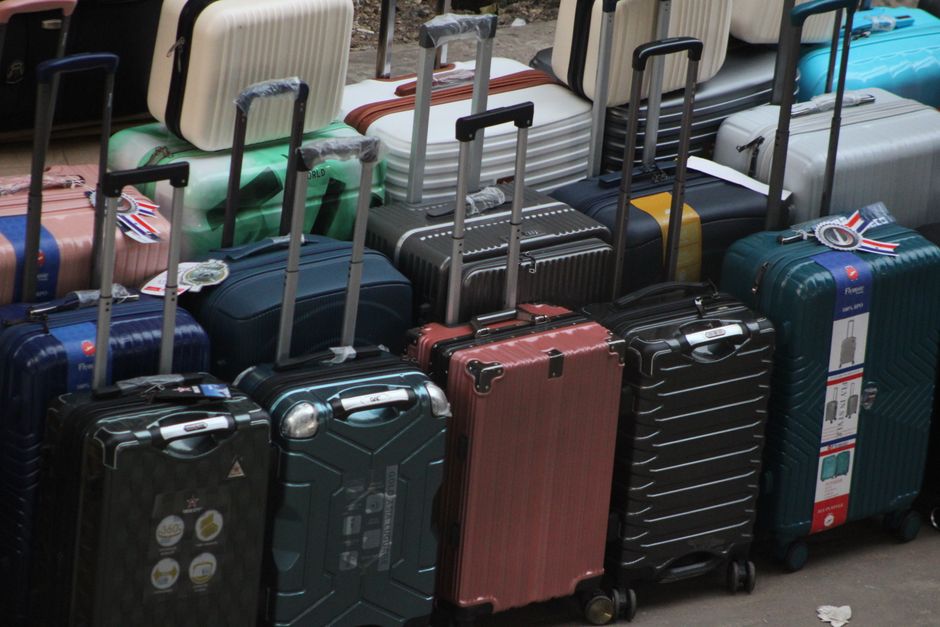
I’m ranking based on four buckets, because that’s what gets you through international airports without hassle:
- Airline-size compliance (highest priority): does it fit the common carry-on envelope (often ~56 x 45 x 25 cm / 22 x 17 x 10 in) and is it sold as a true carry-on, not a “carry-on-ish” bag.
- Durability: shell strength or fabric abrasion resistance, plus whether the corners and base look reinforced.
- Warranty: not just “exists,” but whether it’s the kind you can actually use for a bump-in-the-road problem.
- Airport-handling features: wheel quality, roller alignment, zipper smoothness, and whether the handles feel secure when you haul it over thresholds.
The Ranked Carry-Ons (10 Options)
Below are the suitcases I’d personally consider if I were booking international flights with a tight budget.
1) Amazon Basics 21.5" Hardside Spinner Carry-On
- Why it ranks here: good value-per-ride, usually smooth rollers, and a hard shell that handles the “stuff gets tossed” reality.
- International size check: confirm the actual listed dimensions and compare against the airline you’re flying.
- Durability notes: tends to be “budget sturdy,” especially if you avoid overfilling.
- Warranty reality: as a budget line, don’t assume a long warranty—check the current policy.
- Airport handling: spinner wheels are typically the best part here; zippers are “fine,” but not luxury-smooth.
- Trade-off: hard shells can show scuffs, and the build is not built like a tank.
2) Amazon Basics 22" Expandable Hardside Spinner Carry-On
- Why it ranks here: if you’re doing shopping-heavy trips or you pack heavy, expandable gives you breathing room.
- International size check: expandable models can be a problem if they bulge—measure how much the “expanded” state grows.
- Durability notes: similar category as the non-expandable—use corner protection and packing straps to prevent zipper strain.
- Warranty reality: check the current coverage; budget warranties are usually limited.
- Airport handling: zippers and expansion mechanism are the parts most likely to be sensitive.
- Trade-off: I only recommend expansion for itineraries where you’re confident you’ll stay within carry-on rules.
3) Rockland Melbourne 20" Hardside Spinner Carry-On
- Why it ranks here: one of the better “get in, get out” options—light-ish, straightforward wheels, and typically priced low enough that you won’t dread every bump.
- International size check: double-check dimensions because “20 inch” doesn’t always translate cleanly across listings.
- Durability notes: corners and base matter—make sure the listing photos show reinforced areas.
- Warranty reality: Rockland’s warranty terms can be short/limited depending on the item—confirm before buying.
- Airport handling: wheels are generally the most usable feature.
- Trade-off: hard-shell rigidity is budget-level, so don’t treat it like checked luggage.
4) Rockland Copenhagen 21" Hardside Spinner Carry-On
- Why it ranks here: another Rockland hardside option with a similar “international carry-on workhorse” feel.
- International size check: verify the listed width/depth—those are what gate-checkers care about.
- Durability notes: works best with smart packing (no sharp compression points).
- Warranty reality: check coverage details; don’t assume a long safety net.
- Airport handling: handles and wheels are usually adequate for one- or two-week trips.
- Trade-off: not the smoothest on rough pavement.
5) Coolife 20" Hardside Spinner Carry-On (Polycarbonate-Style)
- Why it ranks here: if you want a hard shell without spending “premium luggage” money, Coolife often hits that middle ground.
- International size check: confirm the exact carry-on dimensions on the product page.
- Durability notes: budget polycarbonate-style shells can take abuse, but corners and zipper track quality vary by model.
- Warranty reality: check current terms; many value brands offer limited coverage.
- Airport handling: spinner wheels + reinforced handles are usually the selling points.
- Trade-off: the zipper and wheel assembly quality is what you should inspect in reviews for your exact model.
6) Coolife 21" Expandable Hardside Spinner Carry-On
- Why it ranks here: for multi-city trips where you might add souvenirs or need flexibility.
- International size check: expandables can be risky internationally—if you’re tight on size, don’t expand.
- Durability notes: more moving parts (expansion) means more places for wear.
- Warranty reality: verify coverage; expandable mechanisms aren’t usually the part warranties love.
- Airport handling: wheel setup matters most—check what reviewers say about tracking.
- Trade-off: if your airline is strict, choose non-expandable instead.
7) IT Luggage 21" Hardside Spinner Carry-On
- Why it ranks here: a commonly recommended budget brand where you can often find decent wheel performance for the price.
- International size check: confirm the listed carry-on dimensions (depth is the sneaky one).
- Durability notes: look for reinforced corners and solid shell finish.
- Warranty reality: check the exact policy—value brands vary a lot.
- Airport handling: tends to be easy to roll with basic sidewalks and airport surfaces.
- Trade-off: if you’re a “hard packer” (heavy books, camera gear loose, etc.), you may want a thicker shell.
8) Travelers Club 21" Softside Spinner Carry-On
- Why it ranks here: softside can handle overpacking better than hard shells if it’s not stuffed to the point of stressing the zippers.
- International size check: ensure the “soft” bag can still compress into carry-on limits at gate-check time.
- Durability notes: fabric durability varies—prioritize thicker fabric and strong seam construction.
- Warranty reality: confirm warranty; softside value brands sometimes keep it simple.
- Airport handling: often lighter, easier to lift, and forgiving on stairs.
- Trade-off: can look more “bulky” at check-in if you overpack.
9) U.S. Luggage 20" Hardside Spinner Carry-On
- Why it ranks here: another budget hard-shell option that usually focuses on roller usability and basic carry-on proportions.
- International size check: verify depth and whether it measures slightly over the airline limit when loaded.
- Durability notes: check corners and wheel housings in real reviews.
- Warranty reality: check the warranty page for the exact model; terms can be short.
- Airport handling: decent for rolling through terminals and onto ride-shares.
- Trade-off: may not be the best on very rough airport surfaces.
10) Amazon Basics 21" Softside Spinner Carry-On
- Why it ranks here: softside for travelers who pack with cubes and straps (so the bag stays shaped) and want a lighter feel for lifts.
- International size check: confirm the listed dimensions and don’t rely on “it’ll compress” if the bag is tightly packed.
- Durability notes: soft shells win on impact forgiveness; lose a bit on scratch resistance.
- Warranty reality: check current terms.
- Airport handling: spinner wheels are typically the deciding factor; zippers matter here.
- Trade-off: zipper snag risk increases if you pack too close to the edges.
Quick Pick Based on Your Trip Style
If you want the short version:
- Most travelers (balanced pick): Amazon Basics Hardside Spinner (the non-expandable 21.5" style)
- Shopping/souvenirs trips: expandable options only if you’ll keep it within limits and won’t over-stuff
- Stairs and older airport terminals: softside can feel easier to manage
- Rough handling anxiety: hard shell with reinforced corners + packed tightly so nothing shifts
Airline-Size Compliance: How Not to Get Bit

Use the “Carry-On Envelope,” Not the Marketing Number
Different airlines love different formats, but the safest approach is:
- Aim for around the IATA carry-on envelope people reference most often (~56 x 45 x 25 cm / 22 x 17 x 10 in).
- Check the dimensions you’ll fly with (some airlines list carry-on limits, including max depth).
- Confirm whether the suitcase’s measurements are including wheels/handles.
If you’re curious, here’s the simple truth I’ve learned the hard way:
- Depth is what gets you. Width and height can be “close enough” and still pass; depth is what makes gate-checkers pull out the metal frame.
Hard vs Soft When Rules Get Strict
Both work—one just behaves differently.
- Hardside advantages: holds shape; if it’s under the limit empty, it’s usually under the limit loaded (assuming you don’t overpack).
- Softside advantages: more forgiving with awkward packing; can compress slightly.
- Softside risk: if you pack bulky items, it can expand past the frame even if the dimensions “on paper” look fine.
Expandable: The International Gamble
Expandable models can be great, but internationally they can also be a trap.
- If your route includes airlines known for tight carry-on enforcement, I’d treat expansion as a “maybe only if you’re under budget” feature.
- If your bag is even slightly swollen, assume the airport will notice.
Durability That Actually Survives International Use
Shell Types: What Matters Beyond the Material Name
When you’re under $200, durability is more about construction than the marketing label.
- Corner reinforcements: check for thicker plastic/metal corners on hard shells
- Base protection: wheels take the worst hits, especially on curb edges
- Shell thickness look: thicker often means fewer scuffs and less “hinge wobble”
And packing matters just as much:
- Don’t let heavy items float around.
- Use a compression strap or packing cube system so the bag isn’t fighting itself.
Wheels: The “Don’t Make Me Think” Part
A suitcase can be the right size and still be a nightmare if the wheels drag.
Look for:
- Spinner wheels that roll in a straight line (bad alignment feels awful fast)
- Stable axle/roller frame (handles wobble if the frame’s weak)
- Wheel housings that don’t crack easily when the bag takes a curb hit
Reality check from my own airport life:
- If the suitcase feels even slightly wobbly in-store, it’ll feel worse at speed in an airport.
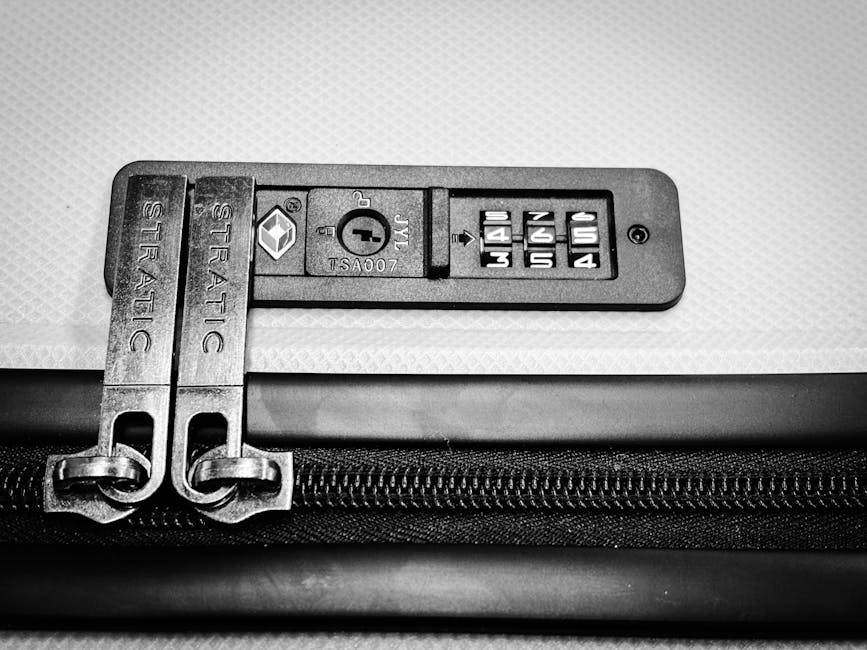
Zippers and Zipper Tracks: The Hidden Failure Point
Budget suitcases often fail at the zipper before the shell.
- Choose models where the zipper teeth feel firm (not flimsy)
- Ensure the zipper track has good spacing so it doesn’t catch fabric
- For softside, keep clothing and packing cubes from pressing into zipper corners
If you want a cheat code:
- Pack a thin barrier (like a packing cube or a garment folder) between your zipper and any sharp edges (shoes, cables, hard-shelled toiletries).
Warranty and Service: The Difference Between “Cheap” and “Stupid”
What a Good Warranty Should Cover
For international travel, you’re mostly hoping for:
- A repair path (not just “send it back and hope”)
- Coverage that matches the common failure points (wheels, zippers, broken handles)
- Reasonable time window so it’s useful while you’re still traveling with it
Be wary of warranties that only cover “factory defects” with no clear wheel/zipper guidance.
How to Check Warranty Without Getting Lost
Do this before checkout:
- Look for durations (e.g., 1-year limited vs longer terms)
- Check whether you need proof of purchase
- See what’s covered: shells, wheels/rollers, handles, zippers
- Confirm where support is handled from (some companies are easier than others)
Keep Your “Proof of Life” Handy
Even if you don’t need warranty:
- Save your receipt/order confirmation
- Take a quick photo of the luggage features you care about (wheels, corners, zipper)
If something fails mid-trip, you’ll want the claim to be boring and fast—not a scavenger hunt.
Airport-Handling Tips (So Your Carry-On Feels Effortless)
Pack for Rolling, Not for Tetris
The suitcase shouldn’t fight gravity.
- Put heavy items low and near the center
- Keep anything hard (camera bodies, toiletry bottles, chargers with brick adapters) secured
- Avoid “bulge pockets” near the zipper line
Spinner vs Upright Motion on Real Surfaces
You’ll roll over:
- smooth floors indoors
- carpet transitions
- curb edges
- cobblestones (depending where you land)
A few practical rules:
- Choose spinners if you’ll be walking long distances through terminals.
- If you know your route includes lots of stair climbs, prioritize smooth wheels and a sturdy side handle.
When You Get Gate-Checked (Because It Happens)
If it happens, you still want to reduce damage:
- Remove loose items from the top shell/zipper area
- Put a thin layer of protection on corners (even a small wrap helps)
- Avoid expanding your suitcase the day you’re worried about size
Final Thoughts
My “If You Made Me Book Today” Pick
If you want one suitcase to bet on for international carry-on life under two hundred dollars, I’d start with the Amazon Basics 21.5" Hardside Spinner Carry-On vibe: hard shell for structure, spinner wheels for movement, and a price point that makes you feel okay traveling hard.
Your Last-Minute Checklist Before You Buy
Before you click “add to cart,” do these three things:
- Confirm the exact dimensions on the product listing (and compare to your airline)
- Check wheel and zipper reviews for your exact model
- Read the warranty terms once so you don’t get surprised later
If you tell me your airline(s) and whether your trip is mostly Europe-sized (strict) or US/Canada-sized (often looser), I can point you toward the safest choice from the list.