Hey fellow travelers—Berlin’s museums can be spread out, so the right neighborhood makes your days feel effortless instead of exhausting. Below, I’ll walk you through the best areas to base yourself for museum-hopping, with a focus on foot-traffic, transit speed, and where you’ll trade convenience for nightlife.
Mitte: Museum Island within easy walking distance

What you’ll love about staying here:
- Walk-first sightseeing: Several of the island’s museums are close enough that you can bounce between them without constantly checking routes.
- No “commute fatigue”: When you can start your day on foot, you stay out longer (and you actually finish exhibits instead of rushing).
- A strong museum orbit: Even when you go beyond Museum Island, you’re still in the center of Berlin’s museum-and-monument zone.
Where I’d aim to be, generally:
- Around the Museum Island / Spree riverside area for maximum convenience.
- Closer to central transit connections (so you can branch out without backtracking).
Transit shortcuts for the not-so-walkable spots
Mitte also works when your “museum day” includes places that aren’t right next to Museum Island.
A quick way to think about it:
- Keep the core mornings walkable (Museum Island + nearby sights).
- Use transit for one ‘farther’ stop in the afternoon**—**then head back toward where you can wander.
Practical advantage:
- You’re rarely more than a short train/tram hop away from another major stop, which is a lifesaver when you’re traveling solo or with tired feet.
Nightlife & price trade-offs
Here’s the honest part: Mitte is convenient, but it’s also where you’ll feel the tourist effect.
Expect:
- Busiest streets around the top attractions, especially mid-day.
- Higher accommodation prices compared with more residential areas.
- Less “local, quiet café life” than you might get further out.
If you want maximum museum efficiency and don’t mind crowds and costs, Mitte is the move.
Tiergarten: Kulturforum + big Berlin sights (often quieter)

Why it’s great for museum-hopping:
- Kulturforum is a major cluster: You can pair multiple museum stops without long travel breaks.
- Elegant, spacious setting: The vibe is less “packed lanes” and more “walk around and take it in.”
- Easy access to major landmarks: Even when you’re not inside a museum, the area helps your day feel scenic.
What to plan for:
- A block of culture (museum + gallery + maybe a long walk in the area) rather than one rushed entry.
Best for calm evenings near parks
If your museum days run long, Tiergarten is also a strong “recovery base.”
You’ll notice:
- More breathing room at night than the most nightlife-forward neighborhoods.
- A better reset between days (parks and open space help).
That said, you’re still not far from lively areas—Tiergarten’s just a more restful landing pad.
What to know about walking versus stations
Tiergarten can feel “large” depending on where exactly you stay, so it’s smart to anchor around transit.
A simple rule of thumb:
- Walk for nearby museum clusters.
- Use transit for anything that requires crossing big distances or hopping between sides of the city.
If you’re the type who hates transfers, still fine—just choose lodging near a station so you’re not constantly crossing the city on foot.
Kreuzberg: Jewish Museum, Topography of Terror, and street-life energy
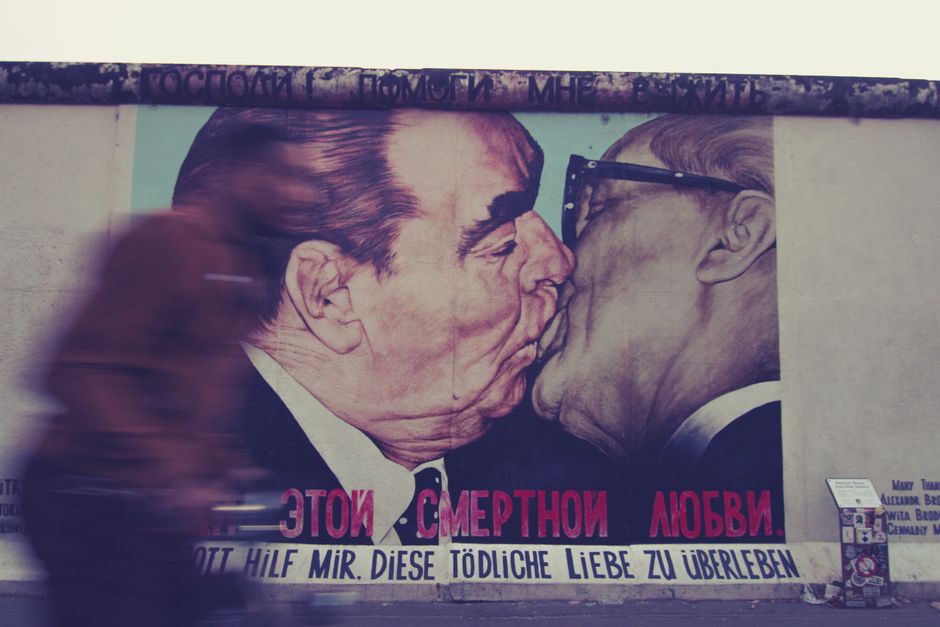
Museums and sites that make Kreuzberg a first-timer favorite:
- Jewish Museum Berlin (emotional, important, and worth carving time for)
- Topography of Terror (often paired naturally with nearby historical context)
- Urban contemporary art spaces around the district (great if you like modern formats)
Foot-traffic mapping: river-to-street wandering
Kreuzberg is fantastic when you want a day that isn’t only “museum ticket, next museum ticket.” The walking feels more like exploring.
How to make it efficient:
- Plan one “big anchor” museum in the morning.
- Follow it with a second stop that’s not too far on foot—or a short ride.
- Leave time for one café/food break that actually feels like part of the day.
You’ll still do a lot of walking, but it’s the kind you’ll enjoy.
Nightlife trade-off: crowds after dinner
This is one of the most important “trade-offs” to understand.
In Kreuzberg:
- Evenings can be lively and loud (bars, restaurants, and crowds).
- Accommodation can feel more “active” even if you’re not trying to party.
- You’ll likely find more late-night options than quieter neighborhoods.
If you want museums plus a built-in social scene, Kreuzberg is a winner. If you’re a light sleeper, choose streets a bit back from the busiest strips.
Friedrichshain: DDR Museum vibes and fast hops to the center

Museum-related reasons to consider Friedrichshain:
- DDR Museum (great for first-timers who want something immersive and not overly “traditional museum”)
- Easy pairing with gallery districts and creative spaces depending on what exhibitions are on
And because you’re not trapped in the strict center, the neighborhood can feel more relaxed on off-hours.
Getting to Museum Island without wasting time
You’re not staying “far away,” you’re staying “on the way.” That matters for museum days.
What works well here:
- You can get to central museums in a reasonable window without your whole day turning into transit.
- Your evenings can still feel like Berlin neighborhood life, not just hotel-and-bed.
A practical approach:
- Do museum-heavy mornings.
- Keep one flexible afternoon for whatever you feel like—because Friedrichshain is a good “wander base.”
Where it feels lively (and where it calms down)
Friedrichshain has personality, but it’s not uniform.
Expect:
- Some streets are energetic—especially near nightlife pockets.
- Other areas feel calmer and more residential.
If nightlife is your thing, you’ll love being close to it. If you want museums but quieter sleep, look for a spot that’s close to transit but slightly removed from the loudest corners.
Charlottenburg: Schloss Charlottenburg base for west-side museums
Schloss & classical museum scenery
Charlottenburg is a strong choice if you like the idea of your “museum days” including grand architecture and a more classic feel.
The biggest draw:
- Schloss Charlottenburg area and the museum-like surroundings
Why that helps first-timers:
- It creates a natural “story” to your visit—royal history, then art/culture, then a relaxed evening.
- It’s easier to plan longer, slower days when your base feels scenic.
Day trips by bus/tram to central museums
Charlottenburg isn’t always the quickest walking base for Museum Island, but it’s still a practical base if you’re willing to use transit strategically.
How I’d structure it:
- West/royal-style museum time earlier in the day (near Charlottenburg).
- Central museum block on another day (when you want Museum Island or Kulturforum).
This keeps your itinerary from becoming “always commuting,” which is what makes museum trips feel tiring.
Staying here if you want quieter nights
One of Charlottenburg’s best advantages is the trade-off.
You can expect:
- A generally calmer neighborhood feel than the most nightlife-saturated districts.
- Good, dependable evening options without the same level of rowdiness.
Yes, it can be pricier in popular spots—but if you want your nights to feel comfortable and not chaotic, it’s worth it.
Moabit: Under-the-radar museums near the station
Hamburger Bahnhof and Berlin’s modern art
Moabit is the “smart, less-touristy” pick. It won’t always be your first instinct, but it can be great for museum lovers who prefer fewer crowds.
The headline museum draw:
- Hamburger Bahnhof (modern art / major contemporary-leaning exhibitions)
Why that matters:
- If you’re the kind of traveler who loves modern culture, Moabit can feel like a focused, satisfying base.
Why it works for first-timers (less tourist shuffle)
Moabit is not about flashy neighborhood tourism—it’s about convenience and calmer days.
You’ll often get:
- More breathing room than central hotspots.
- Straightforward access to other parts of Berlin when you want them.
It’s a good choice if you want to spend your time in museums, not queuing behind the loudest tourist waves.
Watch-outs: evenings are calmer, dining is mixed
Here’s the trade-off you should be aware of:
- Moabit can be quieter at night, depending on the exact street.
- Dining options can feel less consistently “happening” than in Kreuzberg or Friedrichshain.
If you’re happy with that—great. If you want a neighborhood full of nightlife buzz on your doorstep, you might find Moabit a bit too calm.
Final thoughts: pick your base, then build your museum map
Choose based on your “museum style”
If you want pure convenience for the biggest sights, start with:
- Mitte (walkable Museum Island days)
- Tiergarten (Kulturforum clusters with a more spacious vibe)
If you want history + Berlin energy, go with:
- Kreuzberg (emotional museums + street-life evenings)
- Friedrichshain (immersive history + more creative neighborhood feel)
And if you want less tourist pressure:
- Moabit (calmer, modern-art focused)
- Charlottenburg (classic grand setting with easier recovery nights)
Quick practical tip before you book
Once you’ve picked an area, I recommend you sanity-check where you’ll actually be walking from in the mornings (that’s what makes the difference between “museum day” and “Berlin logistics”). For finding options that match these micro-areas, I often start with Booking.com.
Whichever neighborhood you choose, the real win is this: you’ll spend more time inside museums and less time crossing the city—so your trip feels like it’s about discovery, not just getting around.
Safe travels—and have an amazing first Berlin museum run.