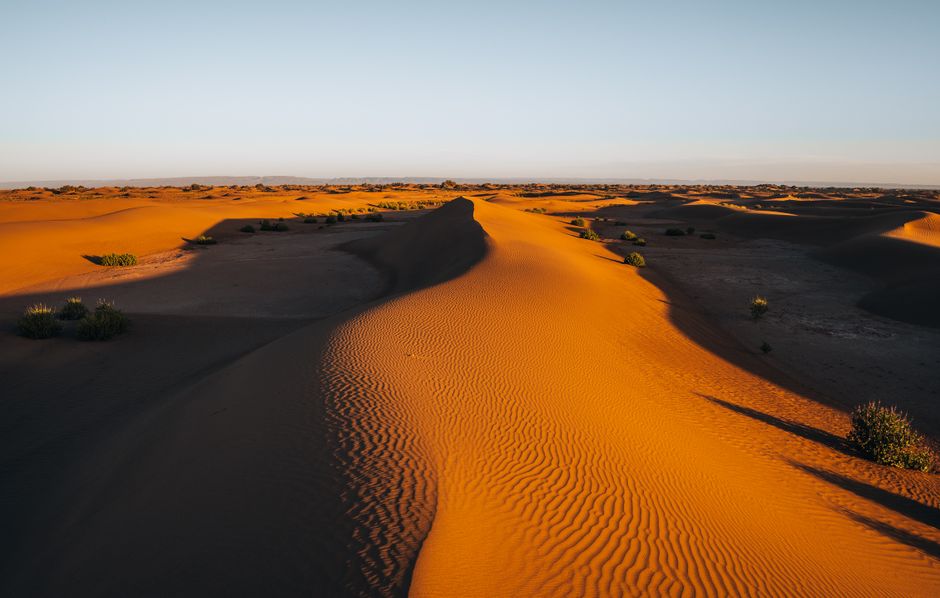
Hey fellow travelers — I’ve learned the hard way that Sahara trekking insurance is less about the price and more about what happens when things go wrong far from a hospital.
This guide walks you through what to look for in a policy for Morocco’s desert treks, with a focus on medical evacuation, adventure activity coverage, missed tours, and how pre-existing conditions are handled.
What Sahara Desert Trekking Changes for Insurance

Common Morocco Sahara trek set-ups (and why they matter)
Many itineraries are a mix of desert time plus a few mountain or valley stages, which can affect how insurers classify your activities. When you’re comparing policies, check coverage against the exact style of trip you’re doing.
- Merzouga (Erg Chebbi) desert dunes trek
- Zagora (Erg Chegaga) desert trek
- M’Hamid El Ghizlane desert region treks
- Ouarzazate (gateway to the desert via tours/4x4)
- Todra Gorge hiking add-on before/after the desert
- Atlas Mountains day hikes before you head deeper into the Sahara
Remote locations = evacuation terms get make-or-break
In a city, “emergency care” usually means a hospital you can reach by ambulance. In the desert, evacuation often becomes a logistical problem first (getting you to the right facility), and only then a medical one.
This is where you should focus on:
- Medical evacuation coverage being included at all (not just “emergency treatment”)
- Any sub-limits (some policies cover treatment but cap evacuation low)
- How they define destination (nearest adequate care vs. specific hospitals)
- Whether they cover professional transport from remote areas
Tour schedules make “missed tour” coverage surprisingly relevant
With guided trips, missing a start time isn’t just inconvenient—it can strand you between stages. Weather, illness, injury, or transport delays can cause you to miss:
- the first day of a multi-day trek
- a scheduled connection between your lodging and the desert camp
- the transfer back to the next town
A good policy isn’t only about medical stuff. It also helps with trip interruption/curtailment and—depending on the insurer—sometimes missed departure or additional accommodation/transport costs.
The Coverage Checklist That Matters Most

1) Medical evacuation (the big one): check wording, not just the headline
You want to confirm evacuation coverage is real and robust—not hidden behind conditions.
Look for these features:
- Emergency medical evacuation included (not optional)
- Air ambulance/helicopter coverage where medically necessary (wording varies)
- Repatriation coverage if you can’t continue or need to return home
- High enough limits for remote-region extraction
- No “refusal” clause that depends on who decides your destination
Questions you should be ready to ask the insurer (or read for in the policy):
- “Is medical evacuation covered from remote desert locations?”
- “Are there sub-limits for evacuation or air transport?”
- “Will you cover transport to the nearest appropriate medical facility, or only to a specific country/city?”
Also, sanity-check your expectations:
- Evacuation can get expensive fast. Policies that look affordable often compensate with exclusions or tight limits.
- Coverage that’s “technically included” but capped too low can still leave you paying a lot.
2) Medical treatment abroad: what happens once you reach care
Medical evacuation is step one. Step two is treatment and follow-up care.
Focus on:
- Hospital/doctor costs abroad
- Outpatient treatment (not just admissions)
- Medication costs
- Physiotherapy/follow-up if a fall or injury affects you later
Practical note: in real travel insurance claims, “I paid out of pocket” can still happen if the provider can’t coordinate direct billing in time. So it’s smart to have:
- enough cash/credit access for early costs, and
- clear claim procedures in writing
3) Adventure/travel activities: make sure your trek is considered “covered”
This is where policies often get vague. “Travel insurance” sometimes covers sightseeing and standard walking, but Sahara trekking can be categorized as:
- trekking (sometimes with rules around distance/time)
- camping (sometimes treated separately)
- off-road activity
- guided adventure activities
What to check in the policy wording:
- Does it explicitly include trekking or walking/hiking beyond normal limits?
- Does it include activities involving camels/4x4 transfers if that’s part of your itinerary?
- Are there restrictions on unattended activity (many policies want a guide for “adventure” coverage)?
If the policy lists “sports” or “adventure activities,” don’t just hope you fall under a generic bucket. Look for either:
- an explicit mention of trekking/hiking/camel trekking, or
- a broad statement that covers off-piste/remote travel when done with an approved operator/guide
Pre-Existing Conditions: How Rules Usually Work
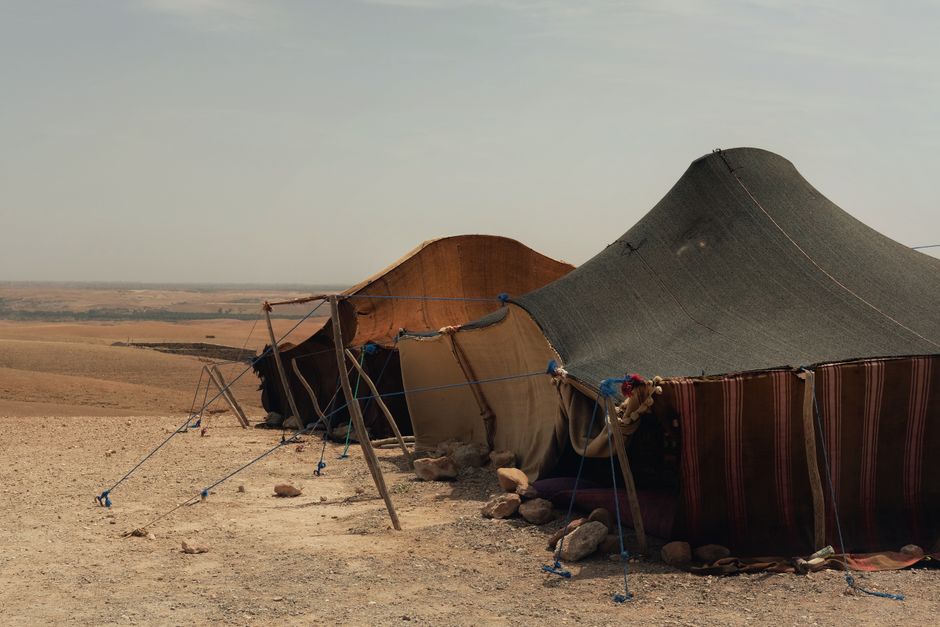
For Sahara trekking, the stakes are higher, because injuries and infections can happen in remote environments. Insurers worry about “known” medical issues becoming more complicated while you’re traveling.
The most common pre-existing condition approaches insurers use
While every policy is different, here are common patterns you’ll see:
- “Pre-existing conditions are excluded” unless you meet a definition or time window
- “Stabilized for X months” rules (they want a period of stability)
- Exclusions for symptoms, not the entire condition (sometimes they cover treatment if it’s unrelated)
- Coverage limited to emergencies (e.g., emergency treatment only, not ongoing management)
Key thing: “pre-existing” isn’t always just “diagnosed.” Some insurers interpret it based on:
- symptoms you had before travel,
- medication you were taking,
- documented treatment/history.
How insurers decide if you qualify for coverage anyway
If your policy offers an exception or “waiver” (or similar approach), the process usually involves:
- declaring the condition during purchase
- answering medical questions honestly
- meeting a stability requirement
- agreeing to any waiting period (varies a lot)
What you can do to protect yourself:
- Read the exact definition of “pre-existing” in the policy wording.
- Check whether you must disclose the condition before buying (often yes).
- Look for any required documents (doctor letter, treatment history).
If you’re unsure your condition will be accepted, don’t guess
A lot of travelers get trapped by vague wording like “covered only if the condition is stable.” If you don’t know what “stable” means in your insurer’s eyes, you can end up denied.
Do this instead:
- Call/email and ask how your situation is classified.
- Request a written confirmation (email is best).
- Keep the answers you get, along with your application responses.
Also, be cautious if you’re thinking of self-disclosing “just in case” without understanding the rule. Some insurers require consistency between your questionnaire and the claim.
Missed Tours, Trip Interruption, and “I Lost My Place” Scenarios

Insurance won’t make the Sahara less remote—but it can reduce the financial damage.
What you’re really looking for: trip interruption/curtailment
Depending on the insurer, the right coverage shows up under names like:
- Trip interruption
- Trip curtailment
- Additional transport to rejoin the trip
- Extra accommodation while you wait for a safe recovery/connection
When comparing policies, make sure you understand:
- Do they cover non-medical disruptions (like severe weather), or only illness-related ones?
- Is the coverage limited to “if you can’t travel,” or does it include “if you’re delayed and miss the scheduled activity”?
Missed tours usually links to covered causes
In practice, missed-tours coverage is typically only triggered when the reason is covered under the policy—commonly:
- injury/illness
- evacuation/medical transfer
- certain transport disruptions (varies)
- sometimes, if the tour provider’s arrangements are disrupted due to reasons listed in the policy
If you’re trying to cover “I missed the pickup because my flight was late,” read carefully. Some policies treat that under trip interruption. Others treat it under missed departure or delay benefits (and often with their own rules).
Be ready for trade-offs:
- More comprehensive coverage often costs more.
- Some cheaper policies exclude specific causes that matter in Morocco (or just cap them tightly).
Proof and paperwork: what insurers tend to want
If you need to claim for missed tours or interruption-related costs, insurers usually want documentation that ties the timeline together.
Prepare (or at least know where to find):
- medical records (doctor note, diagnosis, treatment details)
- communication records (emails/messages with tour operator)
- tour itinerary/payment confirmations
- receipts for extra transport/accommodation (if you’re out of pocket)
The biggest mistake I’ve seen travelers make is trusting that “they’ll understand.” Insurance claims are bureaucratic. Clear documentation helps you avoid weeks of back-and-forth.
How to Compare Policies Fast (Without Getting Fooled)
When you’re choosing “best,” you’re really choosing the policy terms that fit your trip.
Here’s a streamlined way to compare without drowning in legal text.
Step 1: Start with exclusions (because they override everything)
Before you get excited about a good-sounding price, scan for exclusions that could hit Sahara trips.
Common categories to watch for:
- trekking/hiking categorized as “uncovered activities”
- injuries from activities not confirmed as covered
- travel in remote areas without certain conditions
- failure to disclose medical conditions
- certain high-risk behaviors
If you see vague exclusions, it’s worth asking for clarification in writing.
Step 2: Verify evacuation limits and who decides “medical necessity”
Two policies can both “include evacuation,” but differ in:
- how much they’ll pay
- whether they require insurer approval before arranging evacuation
- what they consider medically necessary and where they’ll send you
What you want is clarity like:
- whether the insurer coordinates evacuation through their partners,
- whether you can use local providers if you prefer,
- how quickly assistance must be contacted
Step 3: Match policy coverage levels to your trek style
Not every Sahara trek is the same, and your coverage priorities should reflect that.
When you’re comparing options, think in terms of your likely risk:
- How remote is your itinerary (days away from major towns)?
- Is there camping, and how many days are fully off-grid?
- Does your plan include additional hiking segments (like gorge hikes or mountain walks)?
- Are you going with a reputable operator/guide who can manage emergencies?
A decent policy for a city break might not be enough when evacuation is part of the equation.
My “quick sanity checks” before you buy
Use these as a final filter:
- Does the policy clearly cover trekking/adventure activities (not just “travel”)?
- Is medical evacuation included, with strong limits and no nasty sublimit?
- Does it handle pre-existing conditions in a way you can actually qualify for?
- Is there coverage for trip interruption/curtailment, especially relating to missing parts of an itinerary?
- Can you easily find the claims process steps and required documents?
If the answers aren’t easy to find in the policy wording, that’s a sign to ask—because the Sahara doesn’t give you a second chance once you’re committed.
Final Thoughts: Get the Right Cover, Not Just the Right Price
Sahara desert trekking in Morocco is the kind of trip you’ll remember for years, and insurance shouldn’t turn it into a stress test.
If you take nothing else from this: prioritize medical evacuation, make sure your trek type is explicitly covered, confirm how pre-existing conditions are handled, and check what the policy does when you miss tours or lose parts of your itinerary.
You’ll still pay for peace of mind—but you’ll pay for the kind that matters when you’re far from the places where hospitals are just a short drive away.