Hey fellow travelers—if you’re planning to take China’s high-speed trains as a foreign visitor, you’ll want the nuts-and-bolts first. In this guide, I’ll show you exactly what to expect with passport collection at the station, how seat classes work, and how to book ahead so October doesn’t trip you up.
I’ll be honest: the train system is efficient, but it can feel bureaucratic the first time—especially if your booking method doesn’t match what the station expects. Let’s make this smooth.
High-Speed Rail Basics for Foreign Visitors
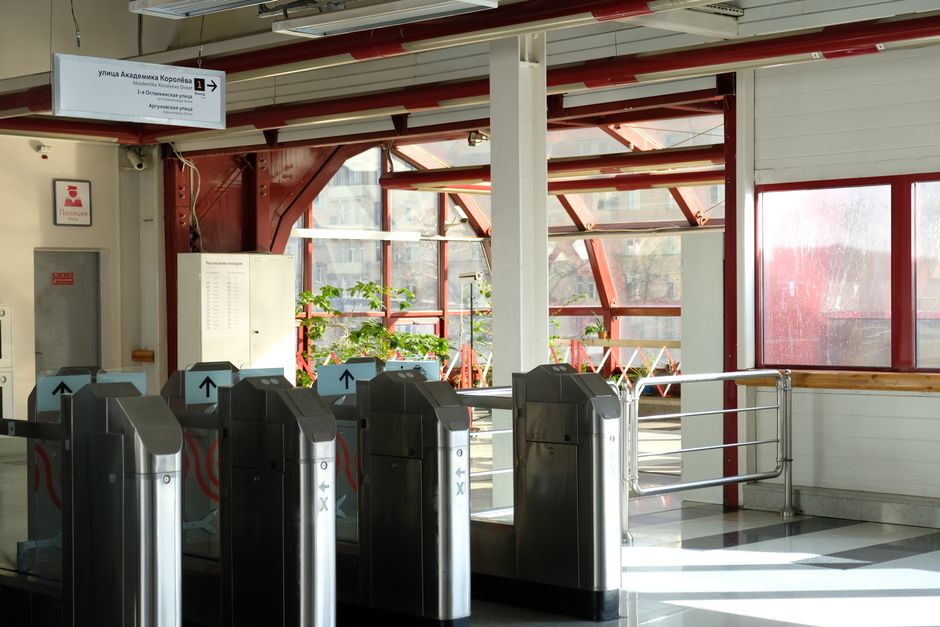
China’s high-speed rail (the shiny bullet trains) is one of the easiest ways to cover distance—once you understand the flow.
Why trains feel different in China
When you arrive at a Chinese rail station, you’re basically entering a mini city system:
- Security checks come early (before you can even get to the main ticket gates).
- Your passport is your key—expect identity checks to be part of the process.
- Everything is seat-based: you’re not “hopping on and finding a seat.” You’re going to the car/seat printed on your ticket.
If you’re used to flexible train travel in Europe, this will feel stricter—in a good way.
Booking vs. showing up (and why e-tickets aren’t always enough)
Here’s the trade-off I’ve learned the hard way: China is great with digital convenience, but foreign visitor journeys can have extra steps.
Depending on how you booked, you may face one of these situations at the station:
- You can scan straight in (your ticket is already linked to your documents).
- You need to collect or verify something at a counter first (often passport-linked).
So while “show up early and figure it out” can work in some countries, I’d avoid it here—especially in October.
Practical takeaway:
- If you have an electronic ticket/QR code, still plan for potential passport verification at the station.
- If you’re traveling with a friend, don’t assume your ticketing will behave identically—stations can apply processes differently.
Getting Your Ticket and Passport Sorted at the Station
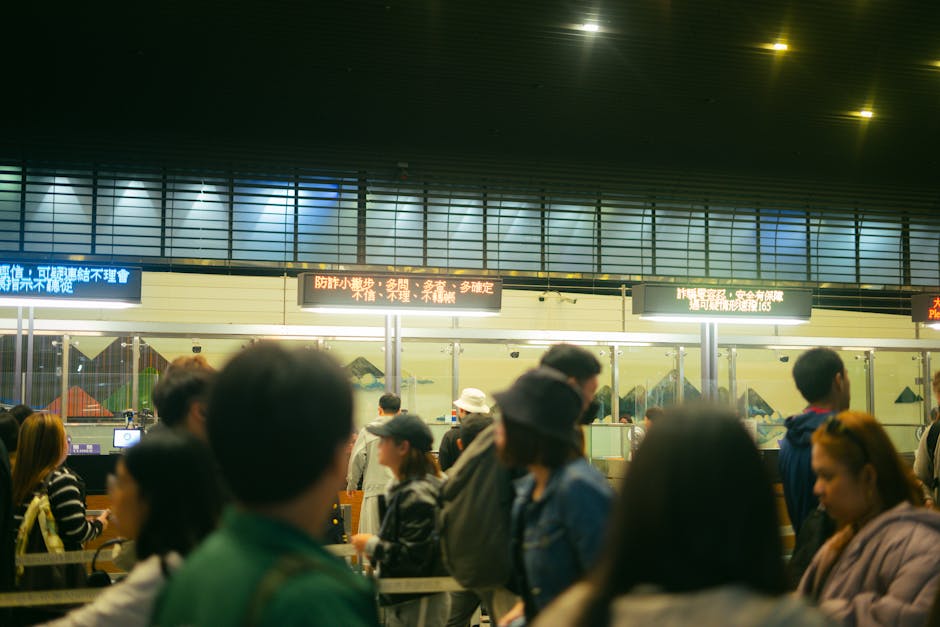
This is the part most foreigners stress about, and it doesn’t have to be.
Passport-linked verification and possible collection counters
In plain terms, many foreign travelers handle train boarding through passport-linked identity checks.
What that can look like:
- Collecting a paper ticket / boarding pass at the station counter using your passport.
- Verifying that your booking matches your passport details at a service desk.
- Having your passport scanned at entry gates (so your ticket opens for boarding).
Because processes vary by station and by how you booked, I can’t promise one single workflow for every reader. But you can be prepared.
What I recommend you do before you even leave your hotel:
- Bring the exact passport used for your booking.
- Take screenshots of your booking details (train number, departure time, car/seat info if you have it).
- If your ticket app/confirmation includes a booking code, save it offline.
Once you’re at the station, don’t wander aimlessly. Look for:
- signs for ticket verification / help desk / service counter
- lanes for international travelers / identity check (some stations label these clearly)
If you’re unsure, this is a normal thing to ask station staff:
- “I need to verify/collect my train ticket with my passport.”
What the station check feels like (arrive early)
High-speed train stations in China can be massive, and they also run on timed lanes.
My rule of thumb:
- Aim for 90 minutes early at big hubs (especially if it’s your first time).
- Aim for 60 minutes early if it’s a smaller station and your process is straightforward.
What you’ll likely go through:
- Security (bags x-rayed; metal items handled at the front)
- Ticket/ID gates (scan + passport match)
- Wayfinding to your platform (car/seat info determines where you stand)
Helpful habit:
- Before you join a queue, double-check your car number and seat position.
- When you’re walking to the platform, keep your ticket screen ready—boarding information matters.
If something doesn’t match: delays, missing info, and “what now?”
Sometimes the issue is small:
- passport name spelling differs from ticket
- you booked with one travel document and brought another
- seat info wasn’t included until later
If you hit a snag, your best move is almost always the same:
- Go to the nearest service counter early, not at the last minute.
- Be calm and point to the screen details: train number, departure time, your passport.
In general, for missed boarding:
- Don’t panic-run—look for staff guidance. Stations are designed to handle exceptions, but you need to go through the correct process.
I know it’s not romantic travel, but this is where “efficient country” becomes “efficient fix.”
Seat Classes Explained (So You Don’t Pay for the Wrong Comfort)
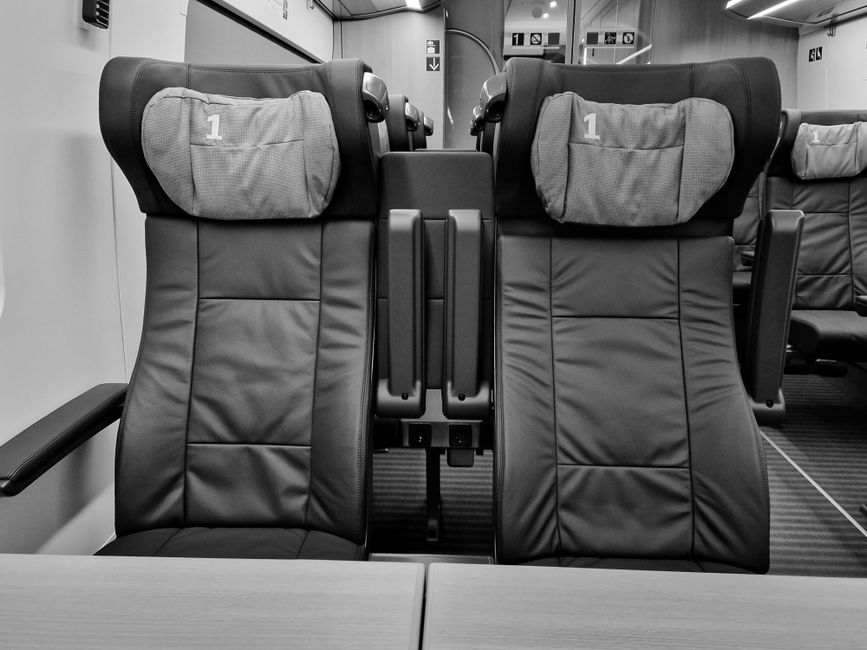
Let’s talk money vs comfort, because China’s high-speed trains can tempt you into paying more than you need—or accidentally buying the cheapest thing that’s uncomfortable.
Second class vs. First class vs. Business (what you actually get)
Most high-speed trains you’ll ride will offer some mix of these:
- Second class (economy)
- Typically the best value for most travelers
- More seats per carriage
- Still very comfortable compared to older trains elsewhere
- First class
- Usually a quieter, roomier feel
- Fewer seats per carriage
- Often better support for longer rides
- Business class
- More space and a more “premium” setup
- Sometimes includes meal/service differences depending on the train and route
What I’d tell you to decide on:
- For short hops, second class is usually the sweet spot.
- For long days in one direction, first or business can be worth it.
Seat layout basics: rows, comfort, and luggage
Seat details can look confusing if you’re reading them for the first time, so here’s how to keep it simple.
On your ticket/boarding info, you’ll typically see:
- Train number
- Departure time
- Car number
- Seat number
Once onboard:
- Find your car first, then your seat.
- Don’t rely on “vibes” or empty seats—on some trains, seat assignment is taken seriously.
For luggage:
- Expect overhead space in many carriages.
- If you have a big suitcase, you’ll want to plan where it goes before the train gets busy.
- If you’re traveling during peak periods, arrive earlier so you’re not climbing over people in a rush.
Practical tips for quieter rides
Even in economy, you can make your ride nicer.
Try:
- Choose seats away from high-traffic doors when possible (depends on layout).
- If you’re sensitive to noise, prioritize first class on longer trips.
- Bring simple comfort items:
- earplugs or noise-canceling earbuds
- a light layer (stations and trains can feel air-conditioned)
Trade-off honesty:
- Business is great, but it can sell out fast in October.
- If you can’t get premium, don’t despair—second class is still a very solid experience.
Booking Ahead for October: The Peak-Time Reality
October can be tricky. The country’s travel appetite spikes around National Day / Golden Week (early October), and then there’s a second wave as people return to work and school.
The biggest problem isn’t that trains don’t exist—it’s that good seat options disappear.
When October goes busy (and what that does to your choices)
What changes in October:
- More travelers means more competition for seat inventory.
- Certain popular departure times (morning, late afternoon, evening) can get picked clean.
- Premium classes (first/business) often go faster.
If you’re booking last-minute, you’ll usually end up with one of these outcomes:
- less desirable departure times
- higher price
- being stuck in the remaining seat patterns
How far ahead to book (a practical range)
I can’t give a single “always true” number of days because inventory and release timing can vary. But here’s a traveler-safe approach:
- If your trip touches early October (around Golden Week), book as early as you reasonably can.
- If you’re flexible on travel date/time, you can still find options later—but don’t assume.
The strategy:
- Lock your route and approximate travel window early.
- Then decide what compromise you can accept (departure time vs class vs price).
Choosing trains by time, not just price
When you compare options, look beyond the headline price.
Use this quick checklist:
- Total travel time (and any stop pattern—some trains are faster and more direct)
- Departure time (think about whether you’ll be tired or traveling right after something else)
- Class availability (don’t waste hours comparing cheap tickets if you’ll end up upgrading anyway)
One honest booking tip: if you want a smoother way to browse routes and options in English, I’ve used Trip.com as a practical starting point when I’m planning ahead. I’m not saying it’s magical—just that it saves time.
Sample High-Speed Routes (Where It Makes the Most Sense)
If you’re new to China rail, it helps to think in corridors—routes where trains are frequent and the journey is part of the fun.
Here are some commonly planned “first-timer” high-speed corridors (use them as inspiration for your own itinerary):
- Beijing ⇄ Shanghai (a classic long-haul where premium classes can feel especially worth it)
- Shanghai ⇄ Hangzhou (a great short trip that’s easy to build into a city plan)
- Guangzhou ⇄ Shenzhen (ideal for hopping between big cities without flying)
- Chengdu ⇄ Chongqing (useful if you want strong regional coverage with minimal hassle)
- Xi’an ⇄ Zhengzhou (often handy for linking sightseeing regions)
- Wuhan ⇄ Nanjing (a practical corridor for mixing cities)
How to pick among them:
- If you’re doing multiple cities, choose trains that line up with your day’s sightseeing window.
- If you’re sensitive to comfort, spend the extra on one longer segment, not every hop.
Final Thoughts (How to Make Your First Ride Feel Easy)
Here’s the simplified version of the whole game:
- Plan for a passport-related step at the station—even if you think you’re fully e-ticket ready.
- Arrive early enough to handle queues, wayfinding, and any service counter issues.
- Choose seat class based on ride length, not just curiosity.
- In October, book ahead—Golden Week can turn “available” into “gone” faster than you’d expect.
Once you do it once, it clicks. The system is incredibly fast, and after your first journey, you’ll wonder why it felt complicated at all.
If you want, tell me your rough route and travel dates (and whether you’re aiming for second or first class)—and I’ll help you sanity-check your plan around October timing.