Hey there travel enthusiasts and welcome to my post where we will check out my 20 best things to do in the Scottish Highlands this year.
I’ve driven the roads that feel like they’re made for big cinematic scenery, hiked when the weather was doing its own thing, and eaten my weight in seafood and carbs that somehow tasted even better after a long day outside. The Highlands are incredible—but they’re also spread out, and the “best” plan depends a lot on the season.
So, instead of dumping a random list, I’m going to walk you through:
- what to plan first,
- the areas worth prioritising,
- and the top activities you can actually fit together.
Here are my 20 best things to do in the Scottish Highlands, then I’ll break them down with practical tips.
Quick hit: my 20 best things to do
- Do a classic Highland “base + loop” plan (Fort William/Inverness/Skye area)
- Time it right (summer long days vs autumn colour vs winter cosy)
- Drive through Glen Coe (even if you’re not hiking)
- Walk a Cairngorms trail with proper views
- Day-trip or overnight on the Isle of Skye
- Stop at Eilean Donan Castle area
- Try a Cairngorms distillery day (if you’re into whisky culture)
- Explore Loch Ness (and pick the right approach)
- Go wildlife spotting by sea (when conditions are safe)
- Find a waterfall you can actually reach without a hike-killer
- Do a low-effort loch cruise / scenic boat ride
- Try kayaking or canoeing (lochs and calmer water)
- Hike a proper viewpoint trail (your “I made it” moment)
- Drive (part of) the North Coast 500
- Visit a Highland village for the slower pace
- Catch live traditional music
- Eat local—seafood, oats, and “pub grub” done right
- Do a whisky tasting with a real tour
- Stargaze away from city light
- Plan for bad weather like a pro
Alright—let’s make it easy to plan.
1) Plan it properly (so the Highlands don’t bite back)
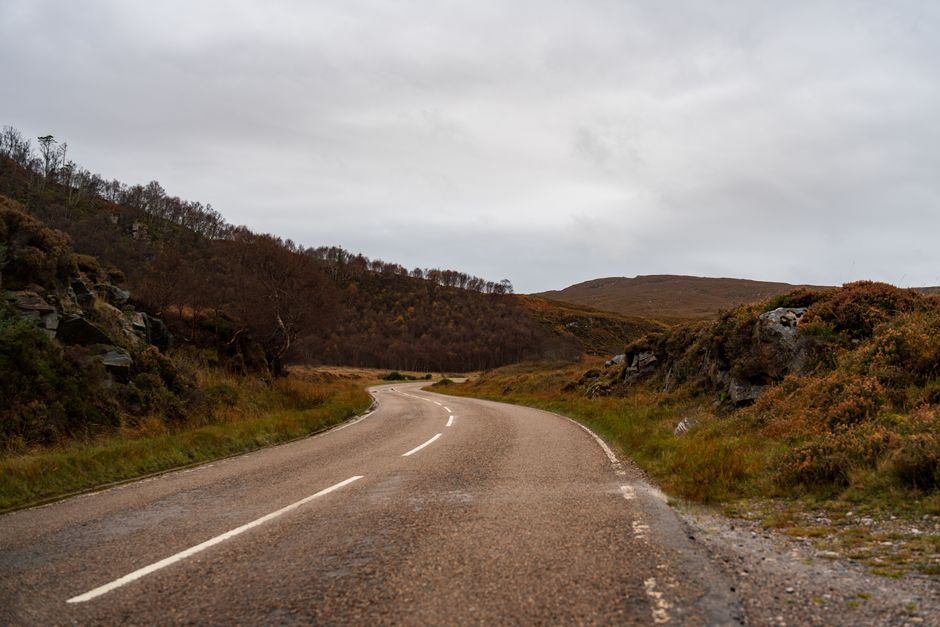
When to go (and what you’ll realistically deal with)
Here’s the trade-off cheat sheet I use:
- Late spring to early summer (roughly May–June):
- Pros: longer daylight, trails start opening up fully, generally less chaotic than peak summer.
- Cons: weather can still be wild—pack a proper rain layer.
- High summer (July–August):
- Pros: the “best views” factor is high; lots of things run more frequently.
- Cons: this is when places feel crowded, and prices can jump.
- Autumn (September–October):
- Pros: colour is usually stunning, plus you often get fewer crowds.
- Cons: daylight drops fast; plan earlier starts.
- Winter (November–March):
- Pros: quiet roads, cosy pubs, and that moody Highlands mood.
- Cons: daylight is short, some areas feel harder to reach, and weather can be slippery.
My practical advice: if you’re choosing “one season,” late spring or early autumn often gives the best balance of weather + fewer crowds.
Where to base yourself (because driving everywhere gets old)
You can road trip the whole Highlands, sure—but you’ll go way further if you base strategically.
Consider these common starting points:
- Inverness (great for Loch Ness + day trips north and west)
- Fort William (excellent for Glen Coe, nearby hikes, and the Skye route)
- The Isle of Skye area (if you want to spend actual time exploring, not just passing through)
- Cairngorms towns (good for a more nature + village combo)
If you only have a few days, don’t over-stretch. Pick one “main base” and do 2–3 focused day trips.
The “plan first” checklist I always follow
Before you even book anything:
- Choose your route style:
- relaxed out-and-back days vs. doing a loop
- Decide your hiking level:
- easy scenic walks vs. full-day hikes
- Build in weather buffers:
- leave space for “Plan B” (distillery, museum, cosy pub route)
- Book the big stuff early if it’s summer:
- popular tours, wildlife cruises, and accommodation
That’s how you keep the trip feeling fun instead of frantic.
2) Scenery you have to see (the Highlands best-of)
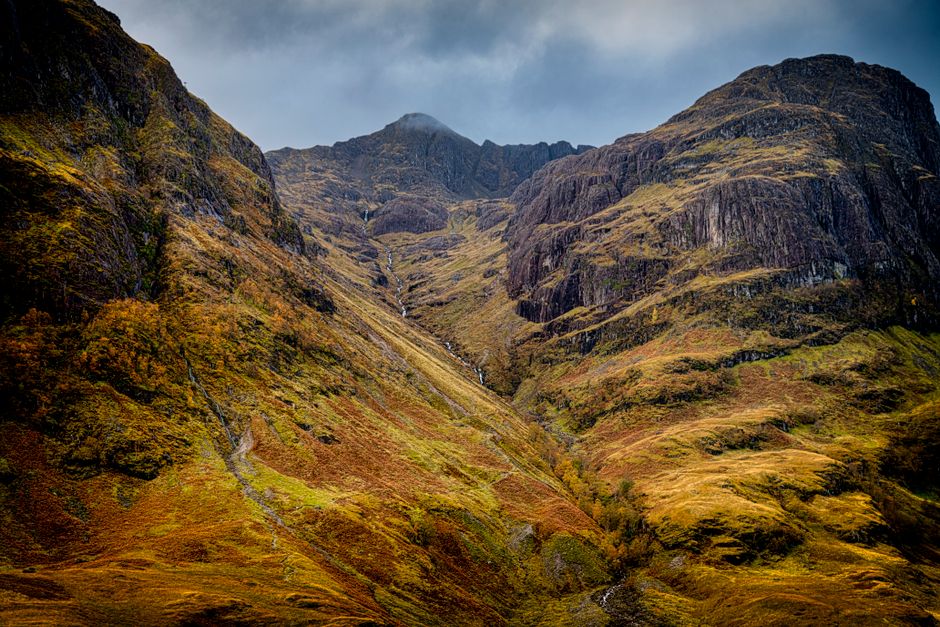
Glen Coe: the drive that feels like a movie
If you do only one “scenery corridor,” make it Glen Coe.
What to do there:
- Drive slowly and stop often (pull-ins and viewpoints are part of the experience)
- Do a short walk if the weather is decent—something with a viewpoint, not a long epic
- Photo stops with spacing: the best photo spots often involve a quick roadside walk
Trade-off to be aware of:
- In summer, it can be busy—parking may fill up, and some viewpoints get crowded.
If the weather’s rough, you’re not doomed. Even in mist, Glen Coe looks dramatic—just adjust expectations and stick to shorter, safer walks.
Cairngorms: go for hikes and lookouts, not just photos
The Cairngorms feel different from the west: more “open” and expansive, with trails that range from gentle to serious.
What I love about the Cairngorms:
- you can pick your effort level
- you get that “how is this real?” mountain scale without always needing to climb
Ideas to build around:
- A viewpoint hike (choose one with a clear turnaround point)
- Scenic loch strolls (great when the wind makes longer hikes unpleasant)
- Wildlife/mountain vibes without doing anything too technical
Practical note:
- Highlands weather changes quickly, so bring layers and don’t assume the forecast is the whole story.
Isle of Skye: do it properly, not just “drive through”
Skye is one of those places where you can spend a whole trip and still feel like you barely scratched the surface.
Best ways to do it:
- Day trip if you’re based nearby (you’ll be driving a lot)
- Overnight if you want flexibility for viewpoints, hikes, and slower meals
What you’ll want to include on Skye:
- A scenic coastal area (salt air + wide views)
- A land-and-mountain viewpoint (for that moody, dramatic Highlands feel)
- At least one short hike you can finish confidently
Crowd reality check:
- Summer can get busy—especially at the “iconic” pull-offs.
- If you want photos without the constant stream of cars, start early.
3) Road trips + iconic stops (the stuff you’ll remember)
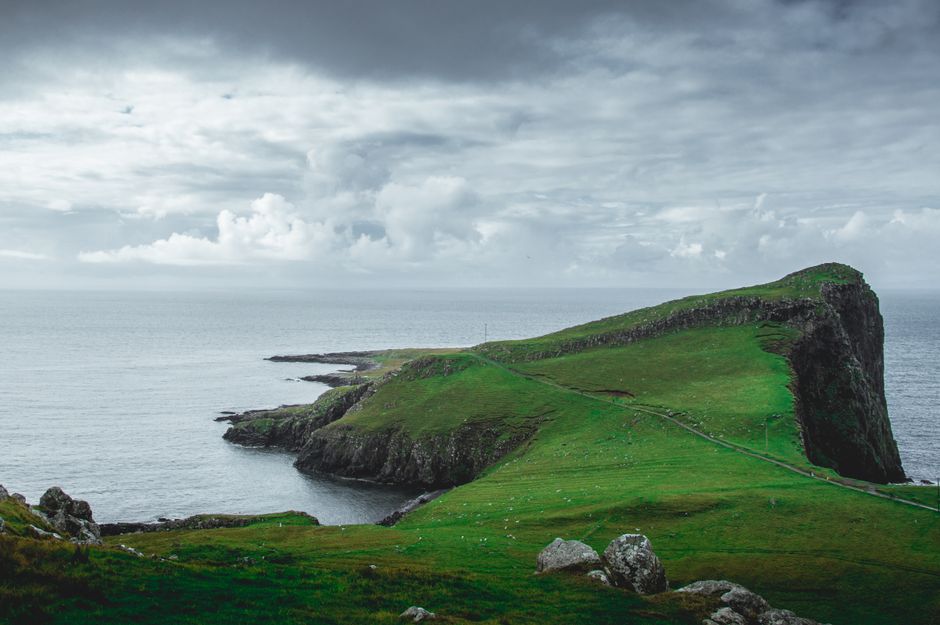
North Coast 500 (or a chunk of it): choose your slice
The North Coast 500 is popular for a reason, but it can also be a “too much driving” trap if you try to do the full loop without enough days.
How to make it enjoyable:
- Do a partial route (pick the segments that match your interests)
- Focus on one or two anchor areas per couple of days
- Treat driving time as part of the experience, but don’t let it dominate your itinerary
What tends to be worth your time on a North Coast style trip:
- coastal viewpoints
- dramatic bends and sea cliffs
- small stops with big panoramas
Practical warning:
- Roads can be narrow and weather-dependent—go slower than you think you should.
Eilean Donan Castle area: quick stop, big atmosphere
If you’re heading toward Skye or through that part of the Highlands, Eilean Donan Castle area is a common highlight for a reason.
What to do there (even if time is tight):
- stop for photos and take in the setting
- stretch your legs around the area
- keep your expectations flexible if crowds are heavy
Trade-off:
- It can feel touristy at peak times. I still think it’s worth a stop—but don’t rush through like you’re on a checklist.
Waterfalls and lochs: don’t overcomplicate it
The Highlands do waterfalls naturally. You don’t always need a huge hike to see something stunning.
How I choose waterfall/loch stops:
- look for easy access first
- plan a short walk plus a viewpoint
- pair it with nearby scenic driving so you’re not “just stopping”
Good strategy for your day:
- morning: one bigger scenic stop
- midday: waterfall/loch with easy access
- afternoon: drive + one flexible viewpoint
That way, if the weather turns, you’re not left with nothing.
4) Outdoor adventures: water, wildlife, and “earn the view”
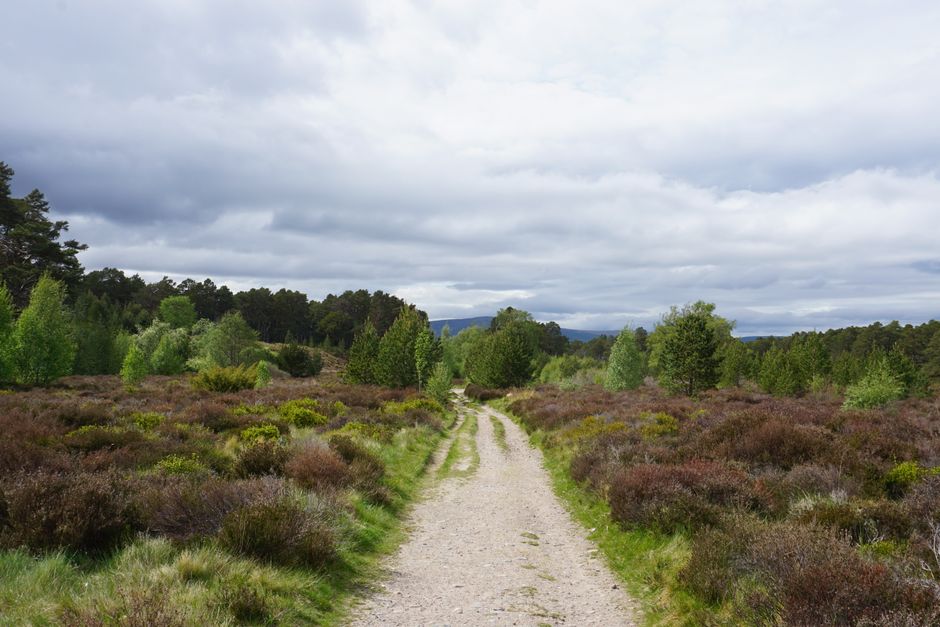
Loch Ness: pick the right approach for your mood
Loch Ness is famous (and yes, sometimes it can feel like a tourist magnet). Still, it’s a great place to build a day around.
Ways to experience it:
- Scenic viewpoints (low effort, great atmosphere)
- A loch-focused activity (like a cruise style option, if running)
- Combine with the surrounding area
My take:
- If you’re short on time, don’t try to do everything. Choose either a scenic exploration route or one structured activity.
Wildlife by sea: amazing when it lines up with conditions
Sea wildlife spotting is one of those things that can be unforgettable—or a total wash if conditions aren’t right.
How to do it smart:
- check weather and sea conditions
- bring layers (wind on the water can be colder than you expect)
- have realistic expectations—wildlife isn’t guaranteed
What you might look for:
- seabirds
- dolphins in the right areas and conditions
Trade-off:
- Tours can be pricey, and it’s not guaranteed. If you’re prone to frustration when plans change, keep your day flexible.
Kayaking / canoeing: calmer water days are your friend
If you want something active without feeling like you need to be an athlete, consider paddling.
Why it works in the Highlands:
- you can choose calmer-water options
- it’s a great “slow adventure” with views
Practical tips:
- go with reputable operators or guided sessions if you’re new
- wear a proper layer system (wind + spray make it colder)
- plan for time on land for breaks and photos
Stargazing: the free “tour” you shouldn’t skip
If you’re anywhere away from heavy city lights, the sky is unreal.
How to make it happen:
- pick a night with clear conditions
- give your eyes time to adjust
- wrap up warm—cold Highlands nights are not a joke
Stargazing is one of the few activities where you don’t need a reservation, just the right night.
5) Culture, castles, and Highland flavour (the relaxing counterweight)
Yes, the Highlands are about outdoors. But the best trips also include warm indoor breaks and local experiences.
Whisky distilleries and tastings: plan for the “culture day”
If whisky’s your thing, adding a distillery stop is a solid way to keep your itinerary varied.
What to look for when planning:
- tours that match your interest level (basic overview vs deeper tasting)
- spaces that aren’t too rushed
What I love about a distillery day:
- it’s a natural Plan B when the weather’s wet
- it’s a great “sit-down” moment after driving
Trade-off:
- In busy seasons, tastings can sell out or feel crowded. If you’re going in summer, book ahead.
Castles and heritage: go for atmosphere over speed
Castles can be hit-or-miss depending on your expectations. I treat them as atmosphere stops.
How to do them well:
- plan for a proper stroll instead of trying to “get through” quickly
- pair heritage with a nearby scenic drive
- don’t underestimate how windy castle areas can be
Traditional music and local pubs: the Highlands mood booster
This is one of my favourite “small” experiences.
Where it works best:
- cosy pubs in villages
- nights when live music is on (and it often is, especially in tourist season)
How to make it enjoyable:
- arrive early enough to get a seat
- be friendly—these places tend to reward good energy
- keep the rest of the day lighter if you’re going out at night
Food and local flavours: eat like you’re outside all day
After hiking, driving, and staring at mountains, your appetite will absolutely show up.
Highland food highlights I’d prioritise:
- hearty pub meals
- seafood if it’s on the menu
- local baking and warming comfort food
My rule of thumb:
- pick places that are busy with locals and offer something seasonal.
6) Wrapping up: build your Highlands trip around “less stress”
If you take nothing else from me, take this: the Scottish Highlands are best when your plan has breathing room.
Here’s how I’d summarise the sweet spot:
- Pick one main base
- Do 2–3 focused days around it
- Include one bigger drive day
- Add one indoor/culture buffer (whisky, heritage, a relaxed meal)
- Plan your “iconic stops” early to avoid peak crowd chaos
Whether you’re chasing dramatic roads, hiking just enough to feel accomplished, or settling into cosy pubs after a long day out—there’s a version of the Highlands that fits you.
If you want, tell me:
- how many days you’ve got,
- which months you’re going,
- and whether you’ll have a car,
…and I’ll suggest a simple route that covers the best things without turning your trip into a checklist.


