Hey there travel enthusiasts and welcome to my post where we will check out my 15 best things to do in Sri Lanka this year.
If you’re picturing a smooth “beach + culture + safari” trip, Sri Lanka will absolutely deliver. But it’s not always straightforward—distances are longer than they look on a map, weather shifts by season, and some spots can get crowded (or overpriced) if you arrive at the wrong time.
So I’m going to walk you through the best experiences, where they fit on a typical route, and how to do them without wasting hours or burning your budget.
1) Before You Go: Routes, Seasons, and Getting Around
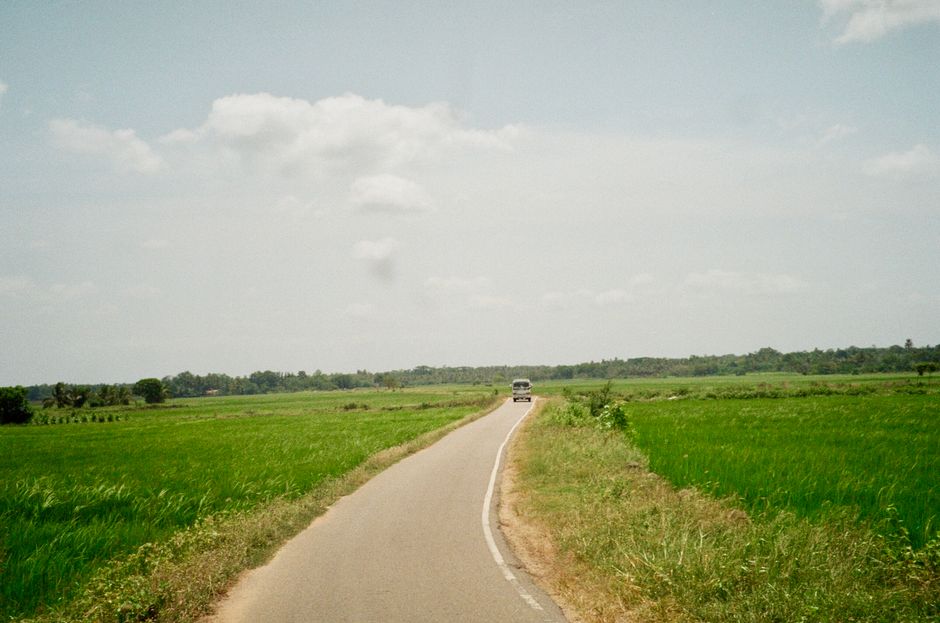
Sri Lanka’s the kind of place where the “best things to do” depend heavily on when you go and how you move between regions.
Pick the right time for the coast (this matters more than people think)
- South & West Coast (e.g., Galle, Unawatuna, Mirissa, Hikkaduwa): generally best Dec–Mar when conditions are drier.
- East & North-East (e.g., Trincomalee, Arugam Bay): often nicer May–Sep.
- Hill Country (Kandy, Ella, Nuwara Eliya): weather can be changeable year-round—pack for misty mornings and sudden showers.
Practical trade-off:
- If you chase “perfect” weather, you’ll end up re-routing often. My advice is to choose a season, then build a route around the side of the island that’s most reliable.
Plan your “triangle” so you don’t waste daylight
Most first-timers end up doing some version of:
- Culture: Kandy → Sigiriya/Dambulla → Anuradhapura/Polonnaruwa
- Hills & train: Ella and nearby viewpoints
- Coast: Galle/Mirissa/Hikkaduwa or East Coast for Arugam Bay
A rough sense of scale:
- Kandy to Ella is an easy chunk of travel by train (or road with viewpoints), but don’t expect it to be “short.”
- Driving anywhere involves traffic stops and slow stretches.
Budget reality check (so you can actually enjoy it)
Sri Lanka can be great value, but the costs spike when:
- you do multiple private drivers across long days
- you book safaris at peak times
- you stay in the most popular beach towns during busy weekends
Ballpark costs you can use to plan (vary a lot):
- Day trips / local transport: low to moderate.
- Private driver for longer routes: often worth it for comfort, but it adds up.
- Safari jeeps: typically a mid-range daily spend (often more if park access + guide + timing all line up).
Rule of thumb:
- If you’re staying 2 weeks, don’t try to “do it all.” Choose fewer bases and take day trips from them.
2) South Coast Highlights: Beaches, Galle Fort, and Whale Watching

This is the part of Sri Lanka most people instantly picture. It’s also where you’ll find the most “easy wins”—pretty beaches, walkable towns, and sunset viewpoints.
Walk Galle Fort (and take it slow)
If you only do one coastal history moment, make it Galle Fort.
What to do:
- Stroll the ramparts for views over the ocean
- Wander streets inside the fort (keep an eye out for small cafés and craft shops)
- Watch the sunset—it gets busy, so grab a spot a bit earlier
Trade-off:
- It can feel touristy and a little pricier than the surrounding areas. Still, it’s a beautiful place to spend an afternoon.
Mirissa for whales + “no-pressure” beach time
Mirissa is a go-to because it’s convenient and it has a solid balance of sea time and easy day pacing.
What to aim for:
- Whale watching (seasonal): often best during the months when sightings are more consistent.
- Sunset on the beach: simple, but it hits every time.
- Lagoon-ish swim spots: calmer water areas can be better than rough open beach zones.
Practical notes:
- Boat trips depend on weather and sea conditions. If it’s choppy, don’t force it—safety first.
- Book with a reputable operator (ask what the typical run time is and what happens if the sea is too rough).
Hikkaduwa for surf vibes and reef-ey exploring
Hikkaduwa is one of those towns that works for different trip styles:
- If you surf, it’s a great base.
- If you don’t, you can still enjoy beach time and scenic coastal walks.
What to do:
- Look for beginner-friendly surf sessions (if you’re new, ask locals where waves are most consistent)
- Relax by the water and watch the world go by
- Snorkel / reef time if conditions are good (visibility varies)
Trade-off:
- Like any popular surf town, it can be busy in peak season.
3) Hill Country Magic: Tea, Trails, and the Scenic Train Ride
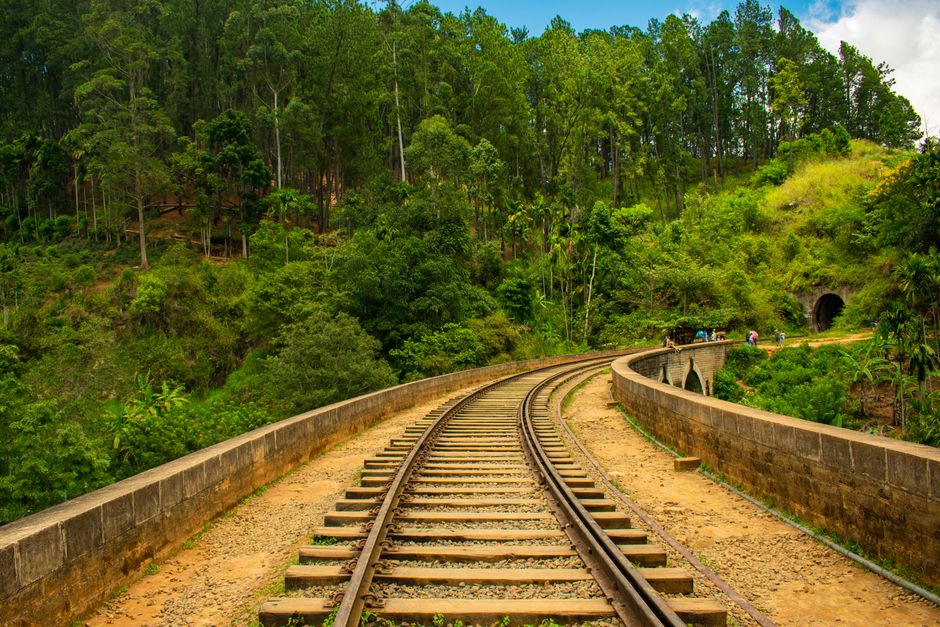
If beaches are the warm-up act, Sri Lanka’s hill country is where the “wow” factor stacks up.
Kandy: culture day without making it complicated
Kandy is a great place to base yourself for a few days because there’s a mix of culture, viewpoints, and calm evenings.
What to do:
- Visit the Temple of the Tooth (plan around opening hours; check locally for exact times)
- Stroll around the lake area for an easy evening walk
- Do a short cultural show if you’re into it (just keep your expectations realistic—quality varies)
Practical trade-off:
- Some areas feel crowded on busy days. If you can, arrive early.
Tea country: tour a plantation and taste your way through the hills
Tea country is one of Sri Lanka’s best “half-day to full-day” experiences.
Best ways to do it:
- Guided plantation tour (you’ll learn more, and they’ll usually include a tasting)
- Visit tea factories where they explain processing steps
- Choose scenic viewpoints rather than just “factory + shop”
What I look for when booking:
- clear explanations (not just a sales pitch)
- a proper tasting session
- decent viewpoints where you can take your time
Ella: hikes (pick based on weather) + that train ride
Ella deserves its hype.
What to do in/around Ella:
- Ella Rock hike (great views, but it can be muddy/mist-filled)
- Scenic viewpoint stops along the way (you’ll find spots that are easy to combine with other activities)
- Train ride experiences: the Kandy ↔ Ella route is the classic—expect dramatic views and plenty of photo moments
Trade-off:
- The train can sell out or get crowded depending on the day. If you can, plan your train timing early.
Practical train-travel tips (so you enjoy it, not just endure it)
- Bring a light layer—it’s cooler when you climb.
- Pack a small snack/water, but don’t rely on it—availability varies.
- If you get motion-sick easily, consider a remedy in advance.
- Try to be ready for stops: sometimes you’ll want to get photos fast.
4) Ancient Sri Lanka: Sigiriya, Dambulla, and the Cultural Triangle

These sites are what most people come for—and they’re absolutely worth it. Just go in with the right expectations: the sun can be intense, and some places require early starts.
Sigiriya Rock Fortress (go early, wear grippy shoes)
Sigiriya is iconic. It’s also popular—so timing changes everything.
What to do:
- Climb early to avoid heat and crowd pressure
- Plan for a slower pace near the steeper sections
- Take breaks—you’ll enjoy it more if you don’t rush
Practical notes:
- Wear proper shoes (stairs + rock = slippery when wet).
- Bring water and something small for energy.
Dambulla Cave Temple (quick in theory, stunning in practice)
Dambulla is one of those places where “cave temple” sounds simple, but the scale and details hit you once you’re there.
What to look for:
- the main cave spaces and their interior art
- quieter moments if you arrive early
- photo spots that don’t block other visitors
Trade-off:
- You may feel a bit “temple overload” if you stack too many heritage stops in one day. If you’re doing multiple sites, spread them out.
Choose your second ancient anchor: Polonnaruwa or Anuradhapura
This is where you can tailor your trip.
- Polonnaruwa: tends to feel more “ruin-meets-structure,” and you’ll often find space to roam.
- Anuradhapura: leans deeper into the big heritage atmosphere, with major sites and a more extensive layout.
How to decide:
- If you like walking and exploring without too much fuss, pick the one with the best logistics for your route.
- If you’re photographing stonework and big shapes, either can deliver—just prioritize the one you’ll reach early.
Heritage day pacing tips (so you don’t burn out)
- Start early (most sites are best morning)
- Do one “big climb/major site” per day
- Leave buffer time for traffic and ticket lines
- Consider a driver if you’re moving between multiple heritage towns
5) Wildlife Safaris and National Parks (Electrifying… and Seasonal)
A safari in Sri Lanka is one of the most thrilling things you can do. But it’s also the area where expectations need managing.
Wildlife sightings depend on:
- season (water levels, animal movement)
- time of day
- luck (yes, really)
Minneriya: elephant viewing when the timing lines up
Minneriya is famous for elephant gatherings during certain times of year.
What makes it special:
- big herds when conditions match
- photo opportunities with a sense of “wild but close”
Trade-off:
- When it’s peak season, it can get busy—more jeeps on the water and more crowds at the best spots.
Yala: go for the “maybe big cats” factor
Yala is the one many people name when they talk about leopards.
What to do:
- book a full safari plan (timing matters)
- ask your operator about typical safari windows
Reality check:
- Leopard sightings aren’t guaranteed. It can still be incredible even if you don’t get the “trophy” moment.
How to book a safari without overpaying
I’m not going to pretend there’s one magic way, but here’s how I keep it fair:
- Ask exactly what’s included: jeep, guide, park fees, and whether food/water is provided
- Compare operators in your base town rather than booking blind at the first counter
- Check the meeting point timing so you’re not rushed
- Don’t chase “the fastest” option if it means cutting corners on safety or comfort
What to bring for safari days
- Binoculars (even basic ones help a lot)
- A light rain layer
- Insect repellent
- Neutral clothing (you don’t have to overthink it, but avoid loud patterns)
- Water + a snack
6) East Coast Adventures + Food and Local Experiences
If your South Coast plan felt a little “beach and temples,” the East gives you a different vibe—more space, more sun when the season is right, and a slightly different rhythm.
Arugam Bay: surf, sand, and easy days
Arugam Bay is a cornerstone for surfers, but it’s also a great base for non-surfers who want ocean time.
What to do:
- Surf lessons or guided sessions if you’re a beginner (ask about wave conditions)
- Beach walks and sunrise watching
- Day trips to quieter spots nearby
Trade-off:
- It can get crowded during peak surfing season, and prices often jump.
Trincomalee: beach variety + coastal culture
Trincomalee offers a more “explore and wander” feel.
What to do:
- Spend a full beach day comparing calm and scenic areas
- Visit local temples (dress appropriately and be respectful)
- Look for viewpoints where the coastline really opens up
Eat like a local (and don’t just stick to “safe” menus)
Sri Lanka is one of the best places for food that’s both comforting and exciting.
What to try (starter set):
- Rice and curry (ask what’s spicy vs mild)
- Hoppers (an easy breakfast win)
- Kottu (popular street-style comfort food)
- Seafood on the coast when it’s freshly cooked
Quick practical tips:
- If you’re sensitive with spice, ask for “not too spicy.” People are usually happy to adjust.
- For street food, pick places that are busy and turn food over quickly.
Shopping and small experiences that add up
These aren’t “big attractions,” but they make the trip feel real:
- Tea purchases (look for trusted, well-packaged options)
- Handicrafts in markets—bargain with a smile
- Tuk-tuk rides for short hops so you can see more than just the hotel area
7) Wrap-Up: Your Sri Lanka Game Plan (Without Overthinking It)
If you want the easiest way to turn this list into an actual trip, go with a simple rhythm: culture + hills + coast + one wildlife day (or two if you’ve got time).
My simple 10-day outline (a good first-timer template)
- Days 1–2: South Coast base (Galle + beach time)
- Day 3: Mirissa area (whales if conditions and season line up)
- Days 4–5: Hill country (Kandy + scenic stops)
- Day 6: Travel day with viewpoints (train or road, depending on your comfort)
- Days 7–8: Ella + nearby hikes
- Day 9: Cultural triangle anchor (Sigiriya OR Dambulla as your main heritage day)
- Day 10: Wildlife safari day (Minneriya/Yala depending on season)
Last tips I wish I’d followed earlier
- Don’t over-pack your days. You’ll enjoy Sri Lanka more at a slower pace.
- Start early for the big attractions. It helps with heat, crowding, and photos.
- Respect the seasons. You’ll get more “best things” with fewer rain-cancelled plans.
- Budget a little flex money. A last-minute change (traffic, weather, or a better route) happens.
If you tell me roughly when you’re going and whether you prefer beach-heavy vs culture-heavy vs wildlife-heavy, I can help you stitch these 15 best things into a route that makes sense.