Malta for history lovers isn’t a “one museum and done” kind of trip—it’s a stack of eras, layered on top of each other.
If you’re wondering which sites are actually worth your time (and which ones you can skip), I’ve got you. I’ll rank Malta’s best history stops—temples, catacombs and fortress strongholds—and show you how to link them into a route that doesn’t feel like you’re constantly crossing the island.
1) Hypogeum of Ħal-Saflieni (Underground Prehistory, Paola/Rabat)
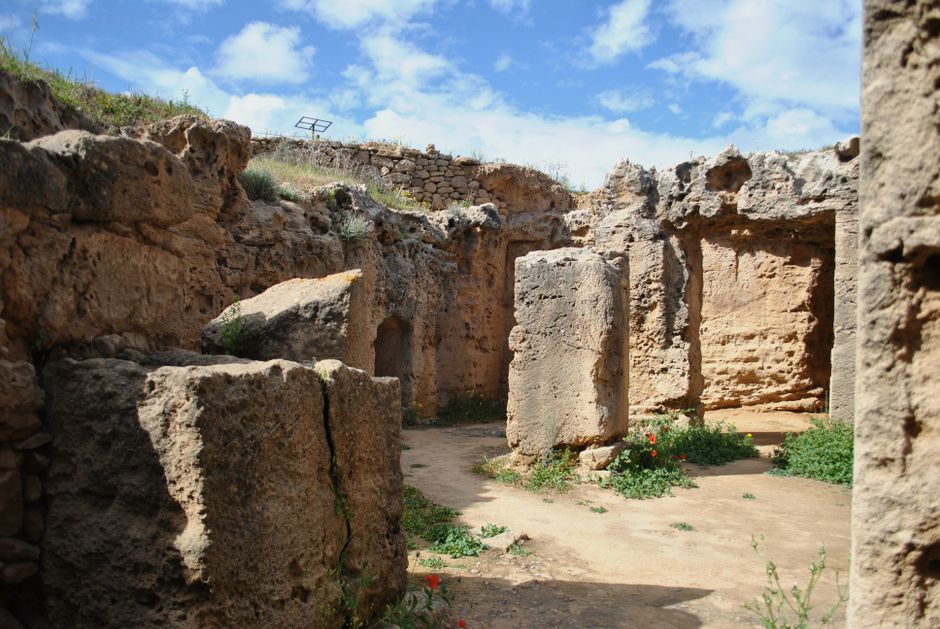
This is my #1 Malta history pick because it feels unreal the moment you step inside. The Hypogeum is a rare surviving example of prehistoric underground ritual/burial architecture—cool, low-ceilinged, and profoundly atmospheric.
What to do (and what to expect)
- Go in with the right mindset: it’s not a “wander at your own pace for an hour” site. It’s typically guided and time-slot based.
- Follow the route slowly: the chambers and corridors are designed so you experience them in sequence.
- Look for the symbolism, not just the rooms: the interior details (carved spaces, sculpted surfaces) are the point.
Why history lovers get hooked
- You’re seeing prehistoric Malta up close—before the Phoenicians, Romans, Knights of St John, or modern battles.
- It’s the kind of place that makes you think about ritual, community, and belief, not just “old rocks.”
The trade-off
- Book ahead (it commonly sells out). If you’re spontaneous, it can ruin your schedule.
How to combine it
- Pair it with Tarxien Temples on the same side of the island—prehistoric day, done.
- If you’re making a longer south/central loop, you can also slot in St Paul’s Catacombs later for a jump forward into Roman/early Christian Malta.
2) Tarxien Temples (Prehistoric Temple Carvings, near Paola)
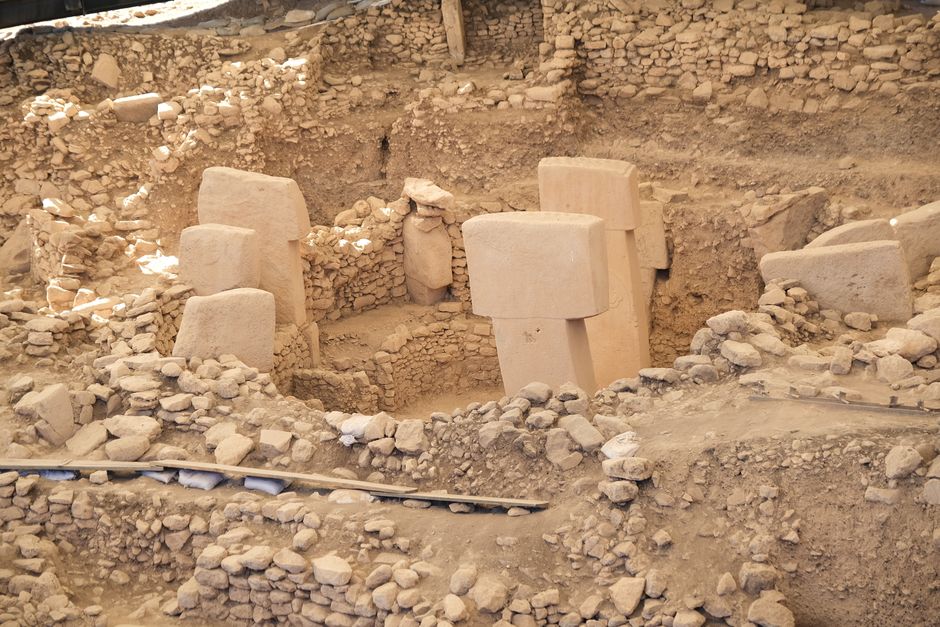
Tarxien is one of those places that feels “small” from the outside… then you realise you’re standing on a site that mattered for centuries. It’s another key stop for anyone who wants Malta’s prehistory in proper detail.
What to do
- Walk the temple layout carefully: compare the different spaces and notice how the architecture guides movement.
- Spend time on the sculpted elements: history lovers tend to love the decorative stonework and carved motifs.
- Let it complement the Hypogeum: Tarxien is above ground; the contrast makes the Hypogeum hit harder.
Why it’s worth your time
- If Hypogeum is about being inside the ritual space, Tarxien is about the way these communities shaped stone into meaning.
How to combine it
- Option A (easy day): Hypogeum → Tarxien.
- Option B (extend the loop): finish with a south-coast temple next (Ħaġar Qim or Mnajdra).
3) Mnajdra Temples (Clifftop Prehistory, near Qrendi)
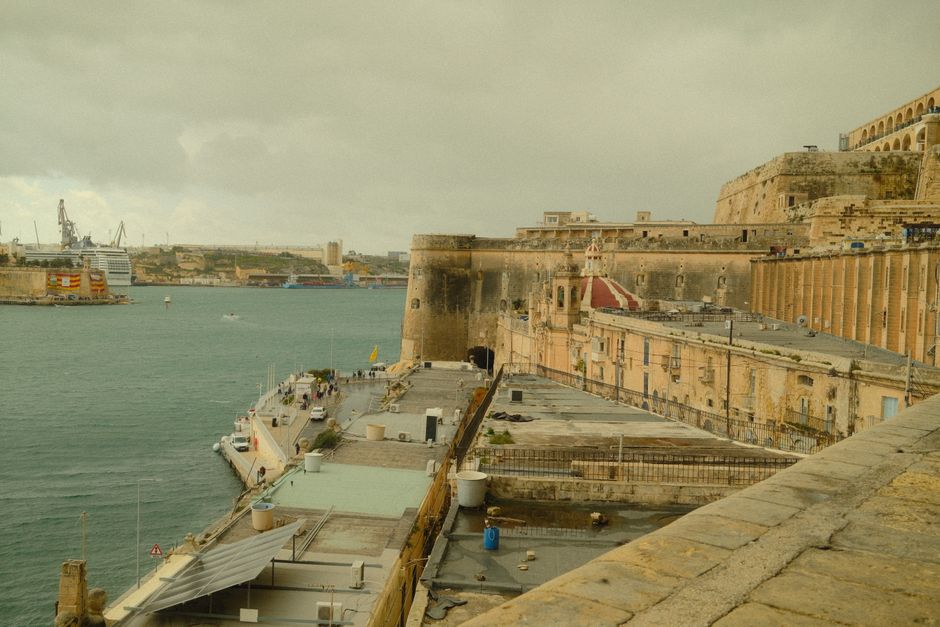
Mnajdra is a “look at the horizon” temple. It sits out there on Malta’s south coast, and the atmosphere changes depending on light and weather—so even if you’ve already seen other megaliths, it still feels special.
What to do
- Go for the setting: take a few minutes to see how the site fits into the coastline.
- Read it as a layered landscape: approach, walk in, then step back—Mnajdra is all about how the place sits in its world.
- Take photos, but don’t rush: you’ll want time to absorb the stonework and the scale.
History-loving highlights
- This is classic megalithic Malta—the kind of site that teaches you what “ancient” means when it’s built into the geography.
The trade-off
- It can feel exposed if it’s windy or rainy. Bring a layer you’re happy to get a little salty-wet.
How to combine it
- Pair it with Ħaġar Qim (they’re commonly visited together). Same coastline day, maximum prehistory per hour.
4) Ħaġar Qim (Clifftop Prehistory, near Qrendi)
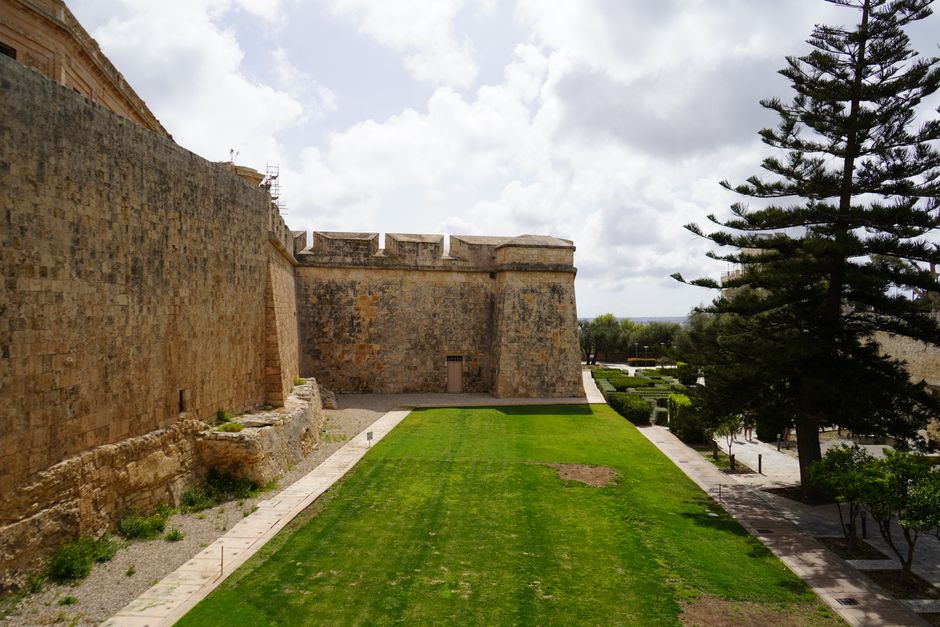
Ħaġar Qim is a stones-and-stories kind of stop—bigger-feeling than it first appears, and great for history lovers who like comparing temple sites side-by-side.
What to do
- Compare it to Mnajdra: aim to notice differences in layout and the way each site’s stonework is preserved.
- Walk the edges for viewpoints: even if you’re not chasing scenery, the views help you understand why these locations mattered.
Why it’s a top pick
- If you’re doing the south-coast megalith circuit, Ħaġar Qim is the one that often makes people say, “Oh wow—this is what everyone meant.”
How to combine it
- South-coast combo: Ħaġar Qim + Mnajdra in one day.
- If you want to keep momentum, you can return via central Malta and add Mdina later (evening walk on the walls is a winner).
5) Ġgantija (The Megaliths of Gozo)
Gozo’s Ġgantija is the best “megaliths on a different island” experience. It’s iconic, and it changes the feel of your trip because it shifts the story of Malta’s prehistoric past across the water.
What to do
- Experience the scale: Ġgantija’s surviving structures make the megalith idea feel real—like you’re seeing the framework of an ancient world.
- Walk slowly around the site: it’s one of those places where the best details are revealed from angles.
- Use it as your prehistory anchor for Gozo: after this, the rest of the island’s history feels more connected.
The trade-off
- It’s not a “quick stop” even if you’re short on time. Build time for a proper visit.
How to combine it
- Gozo day pairing: Ġgantija + a wander in Gozo’s central area for context (don’t overstuff it—prehistoric sites already tax your brain in a good way).
6) Fort St Elmo (Valletta Siege History + Big Views)
Fort St Elmo is the kind of place where the history comes at you from multiple angles: the architecture is defensive, the setting is commanding, and the story is tied to the island’s long history of conflict.
What to do
- Walk the fort space as if you were defending it: look for how the layout supports protection and visibility.
- Take advantage of viewpoints: when you stand where defenders stood, you understand why this mattered.
- Treat it as more than “a fort”: it’s part of Malta’s siege memory, not just stonework.
Why history lovers should care
- You get a sense of how Malta was fought over and why certain spots became strategic.
How to combine it
- Make Fort St Elmo your Valletta anchor and pair it with Lascaris War Rooms the same day (same general area, different era—Knights vs WWII).
7) Lascaris War Rooms (WWII Malta Underground)
If Fort St Elmo is the “standing your ground” story, Lascaris War Rooms is the “running the war from underground” story. It’s dramatic because the setting is literally hidden—like history in stealth mode.
What to do
- Follow the museum flow: the exhibits and rooms are laid out so you get the story in sequence.
- Pay attention to how the space was designed for operations: it’s not just display cabinets—it’s a working-room mentality.
The trade-off
- You’ll be underground for a while, so bring yourself in with the energy of “museum mode,” not “quick wander mode.”
How to combine it
- Valletta duo: Lascaris War Rooms → Fort St Elmo (or reverse it). Choose the order based on your energy—underground first can feel heavy, so I sometimes do the fort for a breather.
8) Mdina (Medieval Malta’s Walled Heart)
Mdina is one of those places where “history lover” automatically means you’ll stare at doorways, walls, and street bends longer than you planned. It’s Malta’s medieval character made walkable.
What to do
- Walk the walls and gates area: even if you’ve read about Mdina, the scale hits in person.
- Look for the layering: Mdina’s feel is medieval, but it’s still part of a longer Malta story.
- Time it for quieter moments: mornings and late afternoons tend to be easier on your attention span.
The trade-off
- Mdina can get busy, especially in high season. If you hate crowds, aim for early or later in the day.
How to combine it
- Mdina pairs beautifully with St Paul’s Catacombs (nearby in Rabat). Do Mdina first for a light/ambience shift, then go underground.
9) St Paul’s Catacombs (Rabat’s Early-Christian Underground)
St Paul’s Catacombs are a must for anyone who likes history that’s both sacred and human—places where you’re reminded that the past was made by real people living ordinary lives around extraordinary beliefs.
What to do
- Go underground with a guide mindset: the site is designed for interpretation, not just wandering.
- Focus on the atmosphere and the narrative: catacombs aren’t “big open galleries”—the story is in the details.
History-loving highlights
- You get an early-Christian layer of Malta’s past—very different from the Knights and very different from prehistoric megaliths.
The trade-off
- Similar to other ticketed spaces, you may need to plan around entry structures (timed slots and guided access can be part of the experience).
How to combine it
- Inland day combo: Mdina → St Paul’s Catacombs.
- If you’ve also done the Hypogeum, this gives you a “chapters” feeling: prehistory (Hypogeum) → early Christianity (Catacombs).
10) Fort St Angelo & Birgu (Three-Cities Harbour History)
Rounding off your history tour with Birgu and Fort St Angelo makes sense because it pulls you back to Malta’s relationship with the sea—fortresses, harbours, and the constant pressure of who gets to control access.
What to do
- Treat the fort like a defensive vantage point: the story makes more sense when you understand the strategic position.
- Walk the harbour approach for context: even a short walk helps you connect the fort’s walls to the waterline.
- Look for siege-era logic: where forces would have moved, where threats would have come from.
The trade-off
- This area can be more comfortable if you visit with a plan: it’s easy to “wander” and lose time, especially if you stop for food every ten minutes (I’m speaking from experience).
How to combine it
- Best combined with your Valletta fort day if you want a “defence history” arc.
- Or make it your final day: you’ll get a satisfying emotional close after prehistoric and religious sites.
How to stitch these places into a route (so you don’t waste time)
Here are a few ways to combine your ranked list without doubling back too much. Pick the one that matches your trip length and your tolerance for driving.
Option 1: The “Big Prehistory First” route (great for 4–5 days)
- Day 1 (South/Central): Hypogeum of Ħal-Saflieni (#1) + Tarxien (#2)
- Day 2 (South Coast): Ħaġar Qim (#4) + Mnajdra (#3)
- Day 3 (Gozo day): Ġgantija (#5)
- Day 4 (Defence + WWII): Fort St Elmo (#6) + Lascaris (#7)
- Day 5 (Inland + early Christianity): Mdina (#8) + St Paul’s Catacombs (#9)
- Final touch: Birgu/Fort St Angelo (#10) as your relaxed “closing” visit
Option 2: The “Underground & Military” focus (great for shorter trips)
- One day underground: Hypogeum (#1) + St Paul’s Catacombs (#9)
- One day fort + war: Fort St Elmo (#6) + Lascaris (#7)
- Add prehistory as one compact block: either Ħaġar Qim + Mnajdra (#4 + #3) or Tarxien (#2) or Ġgantija (#5)
Option 3: The “Medieval Malta” add-on (great if you’re mixing history with vibes)
- Mdina (#8) early (less crowded feel)
- St Paul’s Catacombs (#9) after
- Finish with harbour history: Birgu/Fort St Angelo (#10)
- If you still have energy, wrap with one WWII/Night stop: Lascaris War Rooms (#7)
A quick rule of thumb
- If you’re planning multiple underground sites (#1 and #9, and sometimes #7), keep one “daylight” anchor in the middle (Mdina walls or the clifftop temples). It saves your brain.
Final thoughts
Malta rewards history lovers because the island doesn’t just have history—it keeps it close: underground chambers, sculpted stone, thick walls, and fort lines you can almost feel. If you stick to the top 10 above and combine them by region (south coast together, inland together, defence together), you’ll spend less time “getting there” and more time actually soaking it all in.
If you tell me how many days you’ve got and whether you’re doing Gozo, I’ll happily suggest the cleanest version of one of the routes above.