Snorkeling in Fiji sounds straightforward—until you arrive and realize your “nearby reef” is a 25-minute boat ride away… or only accessible on a specific tour day.
I’m going to save you that hassle by curating eco-minded lodges that offer real reef access or staff-guided snorkeling, then matching each one to a sensible budget.
How I pick “eco” lodges that are actually good for snorkeling
1) Reef access that’s not just marketing
When I say reef access, I mean one of these is true:
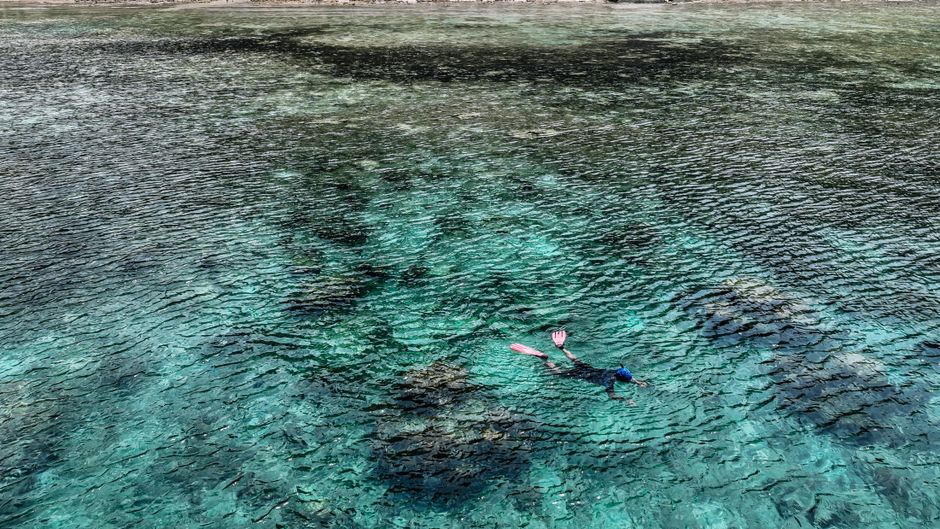
- There’s a house reef or lagoon reef you can snorkel from the property (often from a beach, jetty, or short swim)
- The lodge runs guided snorkeling that starts right from the water access on-site
- You’ll be taken to nearby reefs that match your comfort level (short transfers, not only multi-hour open-water days)
2) Guided snorkeling that feels safe and respectful
The best operators:
- Provide basic gear (mask/snorkel) and show you where to enter
- Use reef-friendly rules (no stepping on coral, stay in designated areas)
- Keep groups reasonable, so you’re not getting separated constantly
3) Eco efforts that matter for reefs
“Eco” can be a buzzword, so I look for signals like:
- Reef-friendly mooring/anchoring practices (less damage from boats)
- Waste and water management you can actually see (sorting, reuse, refill water)
- A local/community approach (staffing, education, and reef stewardship)
And the important part: even great places can have different snorkeling quality depending on season and weather. Plan to ask about current water conditions during check-in.
Mamanuca & Malolo Lagoon: easiest snorkeling for your first Fiji trip
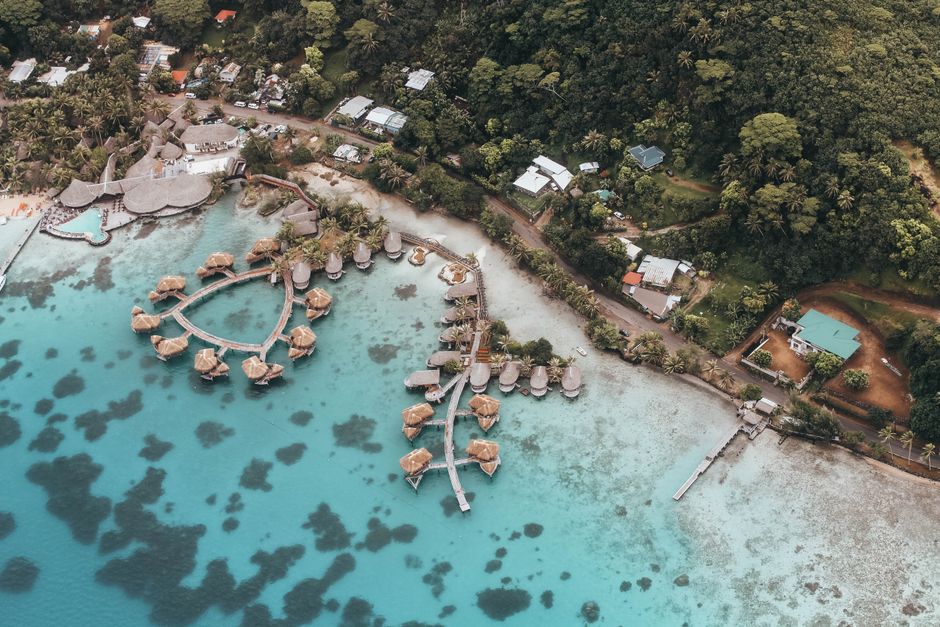
Likuliku Lagoon Resort (Matamanoa/Malolo area)
This is the kind of place where snorkeling often feels like it’s part of your day, not a special event.
Why it fits for snorkeling
- Lagoon snorkeling is typically straightforward, with guided options depending on conditions
- The whole setting is built around water access and reef/lagoon exploration
What to expect (practically)
- You’ll likely spend mornings and late afternoons in the water—perfect for avoiding the rougher mid-day periods
- If you’re a confident swimmer, you’ll get more out of the lagoon than if you need everything guided line-by-line
Eco angle to look for
- Resorts like this often emphasize lower-impact operations and reef awareness in their guest briefings
- Still, it’s worth asking what they do specifically for moorings/anchoring and reef protection
Budget reality
- Expect a higher price tier—think premium per night pricing, especially in peak season.
- If you’re going budget-to-mid, it can still work if you keep the stay short (like 3–4 nights) and use the time to snorkel hard.
Questions to ask before you book
- Is there a house-reef/shore snorkeling option from the property, or is it mostly guided?
- Do they run snorkeling at multiple times of day?
Barefoot Kuata (Kuata Island, Mamanuca)
Barefoot Kuata is a great middle-ground option if you want eco-minded comfort but still want to be in the water regularly.
Why it fits for snorkeling
- Reef snorkeling is a core part of the island experience here
- Expect staff-guided options and access to surrounding reef areas depending on conditions
Trade-offs
- It’s not a silent hideaway if other guests are also snorkeling throughout the day—think relaxed, active island energy
- Reef visibility can vary with tide and weather, so don’t lock in your “best photo day” too tightly
Eco angle to look for
- Look for their approach to waste reduction, water refill habits, and how they manage reef access
Budget reality
- Generally mid-range compared to the most premium lagoon resorts.
- Often one of the better-value ways to stay in the Mamanuca with real snorkeling opportunities.
Questions to ask before you book
- Are there specific reef zones you can access directly from the shoreline?
- How do they decide whether guests snorkel by day vs. by tour?
Island resorts with guided reef snorkeling days (Yasawa & nearby)
Nanuya Island Resort (Mamanuca)
Nanuya is one of those names you’ll hear from people who come back from Fiji talking about the water, not just the beaches.
Why it fits for snorkeling
- Island stays here typically include guided snorkeling access to nearby reefs
- The resort is set up for water activities, not just lounging
What to watch for
- Day-trip rhythm matters: if you want calm, clear water, you’ll want to time your snorkel session around the best conditions
- If you’re prone to seasickness, ask how they handle transfer times to snorkeling areas
Eco angle to look for
- Ask about their reef stewardship practices (moorings, education, and how they discourage damage to coral)
Budget reality
- Often mid-range overall, with snorkeling and water activities part of the experience
Quick questions to ask
- Do they provide guided snorkeling from the island itself, or is it mostly by boat?
- Are there recommended beginner vs. more advanced routes?
Turtle Island Resort (Turtle Island, private-island style)
This is a bucket-list option, and yes—snorkeling is part of the experience. It also tends to attract travelers who want a more curated, conservation-minded vibe.
Why it fits for snorkeling
- Expect guided water activities where staff lead you to the right snorkeling opportunities
- If your priority is reef time with experienced guidance, this style of resort can deliver
Trade-offs
- It’s typically not a budget-friendly stay.
- Because it’s a more exclusive setup, you’ll want to confirm exactly what snorkeling looks like during your dates (timing, spots, gear, and conditions).
Eco angle to look for
- This is one of the places where conservation messaging is usually prominent—still, ask how it shows up day-to-day (reef rules, wildlife protocols, and waste practices).
Budget reality
- Expect premium pricing.
- If it’s your only splurge, keep your trip tight (short stay, maximum snorkeling sessions).
Questions to ask before you book
- What snorkeling is included vs. what’s an add-on?
- How do they handle changing conditions (wind, visibility, currents)?
Kadavu & Taveuni: the “serious reef” zone for snorkelers who want more

Sawa-i-Lau Eco Lodge (Kadavu)
This is one of the more eco-leaning lodge styles where reef access and guided snorkeling are typically central to the stay.
Why it fits for snorkeling
- You can usually expect guided snorkeling (and/or dives with non-divers still having options)
- The lodge experience is strongly tied to marine exploration
Trade-offs
- It can feel more rustic than big resorts—less “plug and play,” more nature-led
- Weather can be more variable here, so plan for flexibility
Eco angle to look for
- Ask what “eco lodge” means in practice: waste, water use, reef protection, and how they engage with local communities
Budget reality
- Often mid-to-premium, but it can be better value than a high-end resort if snorkeling/guiding is included in a package style
Questions to ask before you book
- What’s the snorkeling format: daily sessions, scheduled trips, or case-by-case based on conditions?
- Is gear included, and is it the right type for comfort (masks that fit well, etc.)?
Namena Island Resort (near Taveuni)
Namena is famous among divers for a reason, and snorkelers can absolutely enjoy the reef-rich experience when conditions line up.
Why it fits for snorkeling
- Staff-guided snorkeling is commonly available, tied to the area’s marine life
- Many itineraries are built around water time
What to expect
- More “adventure logistics” than an easy lagoon resort—so you’ll benefit from going with the right mindset
- Visibility can vary, but when it’s good, it’s the kind of snorkeling you remember
Eco angle to look for
- Ask about conservation practices and reef protection rules. In reef-sensitive zones, the operator’s conduct matters as much as the reef itself.
Budget reality
- Typically mid-to-premium.
- If you’re budget-conscious, focus on getting the most snorkel sessions per day rather than stretching too many nights.
Questions to ask before you book
- How do they assess whether snorkeling is safe/worth it on a given day?
- Are snorkeling spots accessible without long transfers?
Waidroka Bay Resort (Kadavu)
Waidroka Bay is a solid choice if you want a lodge base where reefs and guided marine time are part of the rhythm.
Why it fits for snorkeling
- Reef snorkeling options are a key part of the stay
- Guided sessions help if you’re not fully confident navigating currents or reef edges alone
Trade-offs
- Kadavu can be a bit more “out there” depending on your route and how transfers are timed
- Some days are better than others—build in a little slack
Eco angle to look for
- Ask how they manage reef impact (anchoring practices, mooring use, and snorkeling discipline)
Budget reality
- Often mid-range to premium, depending on room type and season
Questions to ask before you book
- What snorkeling is included in your rate?
- Are there both sheltered and more exposed reef options?
Matching your budget to the right reef experience (without disappointment)
Okay—so which one should you actually book? Here’s how I think about it when I’m deciding between eco-lodges for snorkeling.
Value-to-mid budgets: prioritize included reef time
If you’re keeping costs reasonable, look for places where snorkeling isn’t a separate “add-on that ruins your budget.”
- Barefoot Kuata: usually a strong mid-range option for regular reef snorkeling
- Nanuya Island Resort: good island base with guided snorkeling built into the rhythm
- Waidroka Bay Resort: often a decent balance in Kadavu for reef-led days
What to aim for
- At least 1–2 reef sessions during your stay (more if you love snorkeling)
- Gear availability and clear guidance so you don’t spend half a day figuring out mask fit
Mid-to-premium comfort: go for “reef + convenience”
If you’re willing to spend a bit more, the sweet spot is typically where your daily plan already includes water time.
- Likuliku Lagoon Resort: premium lagoon setting where snorkeling is woven into the stay
- Sawa-i-Lau Eco Lodge: eco-minded nature base with guided snorkeling focus
What you’ll pay for
- Better ease of access and often more polished day-to-day operations
Premium bucket-list: maximize guidance and conservation vibe
If your budget can stretch and you want curated reef days:
- Turtle Island Resort: guided water activities with a conservation-forward feel
One practical tip
- If you want flexibility around snorkeling timing or want to compare operators, I’ve used Viator for a couple of reef excursions when the lodge schedule had limited slots—just make sure the tour includes snorkeling guidance and reef-friendly practices.
The 6 questions I’d ask any lodge (seriously)
Before you book, message them with:
- Is there shore/house reef snorkeling, or is it mostly guided by staff?
- Do you include snorkeling gear, and can you confirm mask sizes/fit basics?
- Are there snorkeling spots that are safer for beginners, if needed?
- What’s the typical time window for best visibility (morning vs afternoon)?
- How do you handle changing conditions (wind, rain, visibility)?
- What reef-protection rules do guests need to follow?
That quick back-and-forth saves a lot of “we thought it was different” disappointment.
Final thoughts
Fiji can be incredible for snorkeling, but the difference between a great trip and a frustrating one is usually simple: how real the reef access is, and whether the lodge actually guides you on the water.
If you want easy reef time, start with the Mamanuca and lagoon-style stays. If you want wilder reef experiences and more nature-led days, Kadavu and Taveuni are where the snorkeling stories come from.
If you tell me your rough dates (and whether you’re a confident swimmer), I can help you narrow these down to the best match for your budget and snorkeling style.