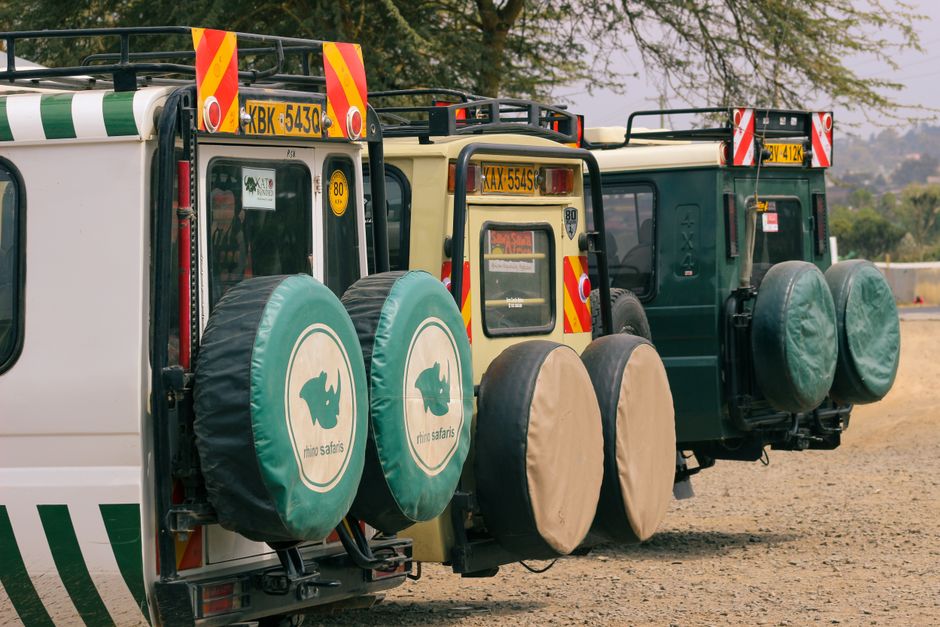
How Kenya safari transfers usually work

Most hotel-to-gate transfers in Kenya fall into two patterns:
1) Private transfer (most stress-free)
- A driver picks you up at your hotel.
- You’re taken directly to the relevant gate (or the meeting point your lodge/park operator specifies).
- You usually arrive with a buffer so you’re not sprinting through the process.
Trade-off:
- You pay more, but you control timing and don’t get stuck waiting for other guests.
2) Shared shuttle/route transfer (usually cheaper)
- You join other travelers going to the same area.
- Your pick-up might be staggered across multiple hotels.
Trade-off:
- You lose flexibility, and safari gates are not the place to be late.
3) “Transfer included” with a safari package
Some lodges/safari operators bundle vehicle transfer to a gate into the overall safari plan.
Trade-off:
- It can be seamless, but you still need to confirm the details (vehicle type, who’s meeting you, and what time you’ll be ready).
Book the route safely (and where to find quotes)
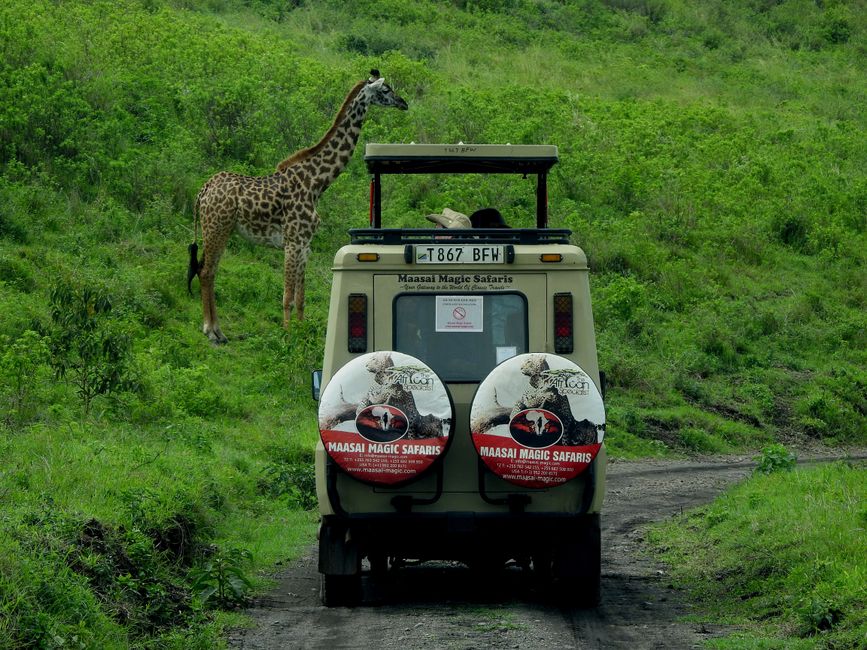
1) Your lodge first (if they’ll arrange it)
Before you shop around, message your lodge and ask:
- “Is the hotel pickup for my safari gate arranged by you or the park operator?”
- “What time do you need guests ready?”
- “What gate or entrance name should the driver use?”
- “Who will be waiting at the pickup point—your driver, a receptionist, or a specific guide?”
If they’re handling it, ask for the key facts in writing (WhatsApp message is fine).
2) Tour marketplaces (best when you can verify the details)
If your lodge can’t arrange it, you can book a transfer through a reputable marketplace that provides clear pickup/drop details and usually allows messaging the supplier.
- I’ve used GetTransfer for straightforward hotel-to-transfer arrangements when I needed a confirmed pickup time and a clear driver handover.
What matters most with any marketplace listing:
- The exact pickup address (not just “hotel lobby”).
- The drop point phrasing (gate name vs. “park entrance”).
- What’s included (waiting time, fuel, tolls/permits if applicable).
3) Safari operators (often best for “gate accuracy”)
If you’re traveling specifically for a guided safari day, a safari operator may be the cleanest option because they’re the ones coordinating vehicle logistics.
Ask them for:
- The vehicle type and seating capacity.
- The earliest arrival target at the gate.
- Whether they include any gate timing or entry formalities.
4) Direct booking with a local ground operator (good, if you vet properly)
This can work well, especially if you’re staying longer in one city.
But don’t skip verification—especially around:
- vehicle condition
- driver experience
- and whether they’re actually licensed/insured for passenger transport.
Common Kenya safari “gate” destinations where transfers get arranged
These are some of the most common places travelers are trying to get to (and why “which gate” matters):
- Nairobi National Park
- Maasai Mara National Reserve
- Amboseli National Park
- Tsavo East National Park
- Tsavo West National Park
- Lake Nakuru National Park
- Samburu National Reserve
- Buffalo Springs National Reserve
Even when the park is the same, gate locations and the “official meeting point” can differ—so treat the gate name like part of your ticket, not a suggestion.
What to verify before you pay (this prevents most headaches)

1) Seat capacity (and who counts as a “passenger”)
Confirm the seat capacity in writing.
When you ask, be specific:
- “How many seats are available for passengers in this vehicle?”
- “Is it 4/5/7 seats, or is there standing room / folding seats?”
- “How much luggage can fit safely behind the seats?”
Also check:
- Child seat policy if you have kids.
- Whether the listed capacity assumes small bags only.
Why this matters:
- Safari days often start early and involve rough roads—overpacking or forcing people onto inappropriate seating gets miserable fast.
2) Driver experience (not just “a driver”)
You want a driver who regularly does the route, not only someone who can drive.
Verify:
- “How many safari transfers have you done from hotels to this gate/area?”
- “Do you know the usual gate/entry timing and process?”
- “Will the driver be in touch the evening before and confirm the pickup point?”
If the booking listing doesn’t mention experience, ask the supplier directly.
Red flags:
- They can’t describe the pickup location clearly.
- They respond vaguely to gate timing questions.
- They can’t confirm vehicle type.
3) Pickup timing (the #1 “late pickup” failure)
For safari days, pickup timing isn’t just about leaving on time—it’s about arriving with buffer.
How to verify timing properly:
- Ask what time you’ll be picked up.
- Ask how long the drive is estimated.
- Ask the target time to arrive at the gate/meeting point.
A practical rule of thumb:
- Aim to be at the gate/meeting point with at least 30–60 minutes of buffer for entry formalities and any vehicle coordination.
Important details to confirm:
- Exact pickup time format (e.g., “6:00am sharp” not “around 6”).
- Where to meet (lobby, security desk, specific gate of the property).
- Who calls/messages you and what number.
4) Vehicle fit for safari roads (comfort + safety)
Even for “just a transfer,” don’t assume every vehicle is equally comfortable on uneven dirt sections.
Ask what you’re getting:
- Vehicle model/type (minivan vs. 4x4 SUV, etc.).
- Air-conditioning status (if it matters to you).
- Whether the vehicle has seatbelts for every passenger.
- Luggage capacity (especially if you have camera bags).
Confirm the pickup plan with your lodge (so the driver finds you)

1) Make sure the pickup location is specific
Ask your lodge to confirm:
- The exact pickup point name (lobby, reception entrance, hotel main gate, etc.).
- Who should be waiting (receptionist vs. a named driver).
- Whether there are vehicle access restrictions or security gates.
Pro tip:
- Send the driver’s expected arrival window to the lodge too.
2) Share the “drop details” clearly
Your booking confirmation should mention the gate name (or meeting point) and ideally the exact wording your safari operator uses.
Message your lodge/operator with:
- Confirmation of the gate/entrance name to use.
- Your safari day start time (or first pickup time if it’s a guided day).
- Any instructions like “use gate X entrance” or “meet at the visitor briefing area.”
3) Clarify any waiting or delays
Ask these upfront:
- Is there a waiting allowance if you’re ready late?
- If you’re delayed by traffic, does the driver wait or is there a surcharge?
- What happens if the gate queue is slow?
Because safari timing can get interrupted by anything from a traffic jam to gate processing.
4) Get a contact chain (backup contacts)
You want more than one way to solve a problem if something goes sideways:
- Your driver’s number
- The lodge’s main phone or WhatsApp
- Your safari operator’s contact
Keep those contacts saved offline too (roaming can be patchy).
Pickup day: use the transfer smoothly (and arrive calm)
Let’s make pickup day feel boring—in the best way.
1) The night before: set yourself up for success
Do a quick “real-life” check:
- Confirm pickup time with the lodge AND the driver.
- Reconfirm pickup point (“I’m meeting you at the main reception entrance, not the roadside.”)
- Charge your phone and bring a power bank.
- Keep your safari essentials easy to grab.
If you have camera gear:
- Keep the most-used items on top.
- Avoid burying passports/tickets at the bottom of your bag.
2) The morning-of checklist (simple, but it works)
Before leaving your room:
- Bathroom / water (yes, even if it’s “just a drive”)
- Any entry paperwork or confirmation details
- Light snacks if your safari day is long
- Sunscreen and a hat (morning sun in Kenya can surprise you)
At pickup time:
- Be ready 5–10 minutes before your confirmed window.
- Have your confirmation message open so you can show it fast.
3) At the gate: know what “good arrival” looks like
When you reach the gate/entry point:
- Look for the designated meeting area for your operator/guide.
- Confirm your name is on the correct list (if lists are used).
- Expect a short process: payment/verification/vehicle coordination.
What to do if there’s confusion:
- Don’t panic—step aside safely and message the lodge/operator.
- Ask for the correct meeting point name.
- Keep your driver with you rather than wandering off.
4) Seatbelt + comfort (small habits that prevent big problems)
Once you’re in the vehicle:
- Seatbelts on for everyone.
- Keep bags secured (especially if you’re in rough segments).
- If the driver’s route takes a bumpier road, follow their guidance on where to sit for comfort.
If you’re prone to motion sickness:
- Avoid heavy meals right before pickup.
- Bring a small remedy if you use one.
Costs, timing, and common hiccups (plus my final booking flow)
Let’s deal with the stuff nobody puts in a listing: variability.
1) What costs usually depend on
Even when the transfer price looks similar across listings, these factors change everything:
- Distance (e.g., Nairobi area vs. long-haul drives)
- Vehicle type (minivan vs. 4x4 style)
- Private vs. shared
- Waiting time for gate processing
- Number of passengers
- Whether the supplier includes anything else (like meet-and-greet handling)
If a price is dramatically lower than the rest, investigate:
- Is the vehicle actually the one advertised?
- Is there a hidden “waiting” fee?
- Are they cutting corners on capacity or insurance?
2) Timing issues you should plan for
Common safari transfer hiccups include:
- Gate queues or paperwork delays
- Traffic in and out of major towns
- Slower roads than expected (construction, detours)
Practical fixes:
- Arrive early (that 30–60 minute buffer is your friend).
- Keep your lodge operator in the loop.
- Don’t schedule a “tight” connection right after your safari without buffer.
3) My go-to booking flow (what I’d do again)
If you want a simple sequence to follow:
- Step 1: Ask your lodge for gate name + pickup location.
- Step 2: Get at least one quote from a reputable route (lodge, operator, or a marketplace listing where you can message details).
- Step 3: Confirm seat capacity in writing.
- Step 4: Confirm driver experience for the route/area.
- Step 5: Lock pickup time (with a buffer) and get a contact chain.
- Step 6: Message everything the night before.
4) Quick reminders before you hit “confirm”
Before you pay, make sure you’ve got clarity on:
- Seat capacity (how many passengers + luggage fit)
- Driver experience (route familiarity and gate process knowledge)
- Pickup timing (exact time, pickup point, and arrival buffer)
If any of those are fuzzy, request clarification. A great safari day is built in the details—starting with the first drive.
Final Thoughts (and what I’d do again)
Safari transfers in Kenya are usually smooth when the basics are clear, and stressful when they aren’t. If you verify seat capacity, ask about driver experience, and lock the pickup timing with a real buffer, you’ll give yourself the best chance of walking into the gate feeling relaxed instead of rushed.
If you’re planning a specific route (like Nairobi to Maasai Mara, or Mombasa to Tsavo), tell me where you’re going and roughly what day/time—and I’ll help you sanity-check the pickup window and what to ask the lodge/driver.