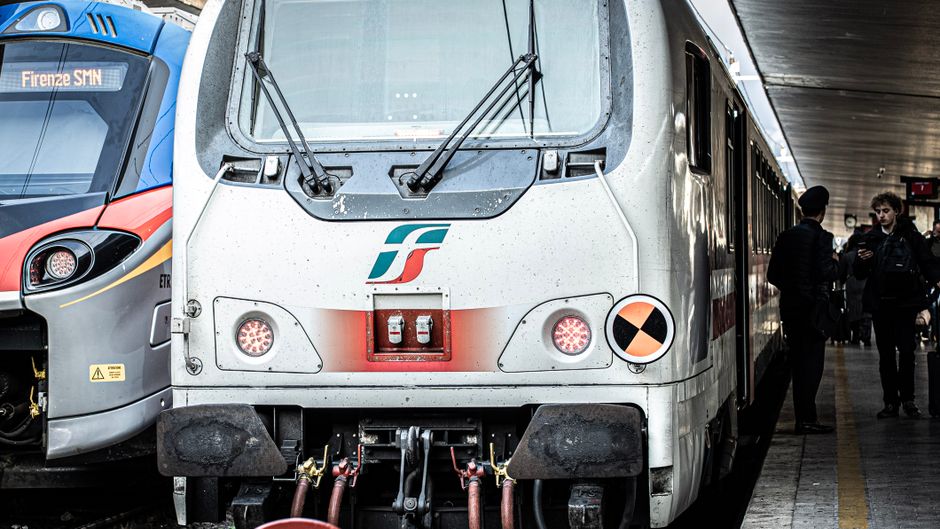
I have left Rome by train for Florence more times than I can count, and I’ll tell you the truth: once you pick the right train and station, it’s ridiculously smooth. Below is my step-by-step plan for getting from Rome to Florence by train—what to book, when to depart, how to move between stations and city-centres, and what to do if your day goes off script.
Choose your train: fast, comfy, and actually worth booking
If you want the easy version of this route, you’re looking for one of the direct high-speed services. You’ll usually find multiple departures through the day, and the trip time is commonly around 1.5–2 hours depending on the exact train.
Frecciarossa, Italo, and the “direct is king” rule
On this route, the most straightforward options are high-speed direct trains—no fussing with transfers mid-journey.
When you’re searching schedules, look for:
- “Direct” / “No change” in the journey details (often the fastest option)
- High-speed service names you’ll commonly see like Frecciarossa (Trenitalia) or Italo (depending on the timetable)
- Reserved seating (you’ll usually pick this at checkout)
I tend to skip anything that requires you to change unless the timetable genuinely makes it unavoidable.
Reserved seats vs. “flexible” tickets
In Italy, ticket rules depend a lot on the fare type. Most of the time you’ll book a specific seat/price tier, and the cheaper fares can be more restrictive.
Here’s what to watch for before you hit pay:
- Seat reservation included? If yes, great—just pick your preference.
- Change/refund policy wording. Some fares are exchangeable with conditions; others are strict.
- Luggage rules. Generally you can bring a normal amount of bags on board, but always check your ticket conditions.
Trade-off to remember: cheapest fare ≠ best day-of option. If your schedule is tight (or you’re booking around a flight), it’s worth paying a bit more for a fare that gives you breathing room.
Which class should you choose?
You’ll typically see different service levels. For most travellers, the practical approach is:
- Standard / Second class if you just want a comfortable seat and easy boarding
- Premium options if you prefer extra comfort and you’ll appreciate the upgrade
My rule of thumb: if the difference buys you a better schedule (earlier departure, later arrival) rather than only a nicer interior, I’d rather adjust the time than overpay for luxury.
Pick the best departure time for your day
Rome-to-Florence is short enough that departure time can be the difference between a relaxed travel day and a “why did I plan this” travel day.
Morning vs. afternoon: when it affects your stress levels
Choosing your departure time isn’t just about arrival—it affects your station experience.
I usually recommend:
- Morning departures if you want to arrive in Florence with enough daylight for a proper first walk
- Midday/early afternoon departures if you like sleeping in a bit, but still want time to get settled
- Evening departures only if you’re okay with a calmer, more limited first evening (some people like this; it’s not wrong!)
Build in “station buffer” (especially in Rome)
Stations can be busy, and you don’t want your day to hinge on sprinting for the platform.
A safe approach:
- Arrive early enough to find your platform calmly (I aim for about 30–45 minutes before departure, depending on how chaotic the station feels)
- Have your ticket and ID info ready—don’t wait until the last minute to hunt through your phone or email
Quick mental trick: if you’re standing there thinking “I still have time,” you’re probably doing it right.
Timing for hotel check-in and “where do we put our bags?”
This route often gets booked as a same-day move, but your hotel might not let you drop bags instantly.
Plan for:
- Check-in times at your Florence hotel (if you know you’ll arrive early, look for storage options)
- Your first hour in Florence: do you want a Duomo-area walk, a quick lunch, or straight to check-in?
If you’re arriving and your room isn’t ready, your first stop is usually the best museum-free plan: walk, coffee, then sort bags.
Get from the Rome train station to your Florence base
The train gets you between cities—but you still need to manage the station-to-city transfer on both ends.
Rome stations: Termini vs. Tiburtina (and why it matters)
Most high-speed rail on this route will go via central Rome rail stations, but you should confirm the departure station on your exact booking.
Here are the places you’ll most likely deal with on this route:
- Roma Termini
- Roma Tiburtina
- Firenze Santa Maria Novella (Firenze SMN)
- Florence city centre (Duomo area)
If you book to the wrong Rome station, you’ll feel it immediately—traffic and transit in Rome can be unpredictable.
What to do when you arrive at Firenze SMN
Firenze SMN is the main rail arrival point for the city. The good news is that it’s well-connected and easy to navigate.
When you step out of the station, I recommend:
- Look for the simplest route to your accommodation area first (don’t get distracted by side streets immediately)
- Get cash or sort payment options quickly if you plan to use a taxi or public transport
- Keep your first walk short and purposeful (Florence is gorgeous, but you don’t want to wander for 90 minutes before you’ve even dropped bags)
From the station to your hotel: walk, tram, or taxi
The “right” transfer method depends on where your hotel is.
In general, you can choose:
- Walk if your hotel is close to the station and you’re okay with a bit of city walking
- Taxi if you’ve got multiple bags or you’re arriving late
- Public transit if it’s convenient and you’re travelling light
My practical preference: if it’s daytime and you don’t have heavy luggage, walking for 10–25 minutes often works out nicely. If you’re hauling big suitcases (or it’s raining), take the faster option.
How to book without overthinking it
Booking sounds complicated, but once you know what to check, it becomes pretty straightforward.
Compare schedules, but confirm the exact train details
When you compare providers, focus on the essentials:
- Departure station (Roma Termini vs Roma Tiburtina)
- Arrival station (Firenze SMN is the usual one)
- Direct vs. change
- Departure time and total duration
A quick note: sometimes search results look similar, but the fine print will tell you whether a train is truly direct or just “same direction.”
Read the fare rules before you commit
This is where travellers often get caught—everything looks fine until you need to adjust.
Before you pay, scan for:
- Whether the ticket is changeable
- Whether refunds are allowed
- How seat reservations work (do you select a seat, or is it automatic?)
If the fare is very strict, you’re basically buying peace of mind only if your plans are 100% set.
What to double-check on the final review screen
Right before checkout, do a 30-second sanity check:
- Passenger name matches your ID
- Date is correct (this sounds obvious until it isn’t)
- Time and train number/service match what you actually chose
- Seat reservation details (and whether you need to select a seat)
This saves you from the most common “oops” moments.
If plans change: swaps, refunds, and backup options
Travel is unpredictable. The goal is to make sure your train ticket doesn’t punish you for normal life.
Different fares, different rules (so don’t guess)
The right next step depends entirely on your ticket type.
What to do:
- Open your booking confirmation and look for fare conditions
- Check whether changes are allowed (and whether there’s a fee)
- If refunds are possible, see what portion is refundable
Because rules vary, I won’t promise outcomes—but I can tell you this: it’s always worth checking the fare conditions first instead of assuming the worst.
If you miss the train: what’s realistic
If you arrive late, the question becomes: can you use the ticket on another service, or do you need to rebook.
Practical steps:
- Contact the rail operator using the details on your ticket/confirmation (or follow the process described in the booking email)
- Look for options to exchange to a later train if your fare allows it
- Rebook immediately if you’re outside the permitted window—the earlier you act, the better your chance of finding seats
If you miss the train, staying calm and moving quickly is your best friend.
A backup plan if you need to arrive later
Even if your ticket is strict, you can still reduce risk by planning smartly.
My “least painful” backup approach:
- Aim for buffer at the departure station so you’re less likely to miss it
- Pick a departure time that still gives you a full Florence afternoon/evening even if something slips
- If you’re booking around another connection, give yourself more time than you think you need
And if you’re travelling with others: agree on a simple meeting point and timeline. It sounds boring, but it prevents the travel-day spiral.
Wrap-up: your Rome → Florence train game plan
You’ve got this. Once you’ve chosen a direct high-speed train, confirmed your Rome departure station, and given yourself station buffer, the rest is easy.
Quick checklist before you leave
Use this mini list and you’ll avoid the common problems:
- Check your Rome departure station (Termini vs. Tiburtina)
- Confirm arrival at Firenze SMN
- Know your exact departure time and platform guidance (arrive early)
- Bring your ID and ticket details
- Double-check fare rules if you might need changes
If something changes, act fast (but don’t panic)
If your plans shift:
- Read the fare rules first (your ticket type matters)
- Contact the operator or use the process in your booking confirmation
- If you need a later train and your fare allows changes, do it immediately
That’s it—Rome to Florence by train is one of the easiest “big move” days you can plan in Italy. Book a direct service, start early enough to feel relaxed, and you’ll be stepping into Florence before you know it.