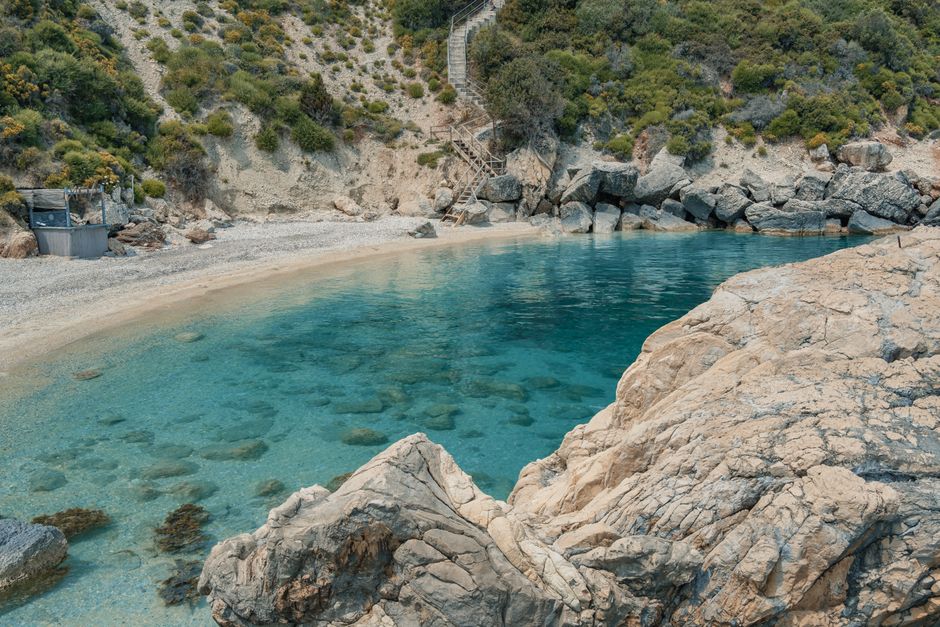
Hey fellow beach-hunters—Zante’s water can look like glass or like a washing machine depending on the hour. In this guide, I’ll show you 10 of the island’s best swimming-and-snorkeling coves you can reach by boat, plus how to time the calm-water windows.
How to time calm-water snorkeling around Zante

A simple rhythm that works for most people:
- Depart by boat early (think late morning at the latest, ideally earlier)
- Spend your first snorkel session while the sea is still smooth
- If you’re doing multiple stops: hit the clearest water first, then move on
Trade-off: early boats can mean a bit more “organized chaos”—more people boarding quickly. But the water quality tends to be worth it.
Wind direction is everything (not just “weather”)
Even on days with blue skies, the sea can roughen fast when wind picks up. Instead of only checking “sunny/cloudy,” check wind speed and direction.
Use this rule of thumb:
- If the sea looks sparkly and flat from shore, you’re in a good window.
- If you see whitecaps or short, choppy waves, snorkeling visibility usually drops.
Practical tip:
- Choose coves that are more sheltered from the wind that’s affecting your area.
- If your boat driver offers an alternate stop when conditions worsen, take it—you’re hunting water clarity, not only the photo.
Pick coves where “entry” is easy
Snorkeling is way more relaxing when you can actually get in without gymnastics.
Look for:
- A gentle beach or shallow rocky edge where you can slip in and float
- Clear lines of sight to the seafloor (even from the boat, you’ll often see it)
Avoid:
- Very steep drop-offs right next to shore (fine for experienced swimmers, less fun for most people)
- Areas where boat traffic churns up the water
If you want a stress-free way to line up boat options and see what’s typically included, I’ve used Viator for checking itineraries and timings once or twice.
South-coast coves you reach by boat

Why it’s good for swimming + snorkeling:
- Shallow shallows near the edges can be great for a first snorkel session
- The water can feel surprisingly clear when the surface is calm
How to reach:
- By boat from nearby areas; day trips often include multiple stops in the same zone
Timing tips for calm water:
- Go when conditions are still smooth and quiet—that’s when visibility tends to hold
- If you arrive to a lively, choppy surface, ask the driver if there’s a more sheltered side of the island
Watch-outs:
- Busy periods can mean more swimmers and boats, which can reduce visibility
- Don’t chase turtles aggressively—watch from a respectful distance
Agios Sostis (near Turtle Bay)
Agios Sostis is one of those beaches that feels “made for swimming”—wide enough to spread out, with easy access to the water.
Why it’s good:
- Comfortable swimming depth for a lot of people
- Often a good starter snorkel spot if you’re not trying to go super deep
How to reach:
- You can reach it by a mix of walk/transfer and boat access, depending on your route that day
Timing tips:
- Try to get there early enough that you avoid the point where everyone is arriving at once
- If the sea looks a bit rough, move your snorkel time toward the most sheltered edge rather than the open-water side
Watch-outs:
- It’s popular—on peak days, expect crowds and boat activity
Dafni Beach
Dafni is smaller and more cove-like, which can help it feel more “swimmy” and less like a crowded shoreline.
Why it’s good:
- Cove atmosphere often pairs with calmer water once you’re tucked in
- Typically a great option when you want a relaxed swim before you go “more adventure” somewhere else
How to reach:
- Usually by boat (it’s one of the reasons people love this area)
Timing tips:
- If you have flexibility, choose the stop order so Dafni comes before the afternoon chop sets in
- Once you’re there, don’t just snorkel where everyone stops—walk/swim a few minutes along the edge if it’s safe
Watch-outs:
- Some coves have uneven entries—bring swim shoes if you’re prone to hurting your feet
Shipwreck country: snorkel spots near Navagio

What to expect:
- You’re usually snorkeling in more limited areas around the landing/swim access points
- When visibility is good, it can be really rewarding just to float and look
How to reach:
- Boat access only in practice—day tours typically approach by sea
Timing tips:
- If you want the best chance at calm water, prioritize morning departures
- If boat traffic is heavy, snorkeling can get murkier quickly—consider doing a shorter “first look” session, then waiting 10–15 minutes for the water to settle
Watch-outs:
- The coastline around the wreck can be tricky—stay close to the areas that are designated as swim-friendly
Skinari Beach (near the Shipwreck viewpoint)
Skinari is often where people go when they want a more beachable experience in the same “Shipwreck vicinity” vibe.
Why it’s good for snorkeling:
- The water can be clear, and the beach access is often more straightforward than the immediate Navagio approach
How to reach:
- Usually via boat stops and nearby touring routes
Timing tips:
- If conditions are borderline, Skinari can still work—just aim to swim when the water is least stirred
Watch-outs:
- Depending on the day, it can get busy fast. Crowds + boats = less clarity
Vromi Beach (calmer bay feel)
Vromi offers more of a sheltered-bay feel compared to the open, cliff-heavy areas. That shelter can make a difference for snorkeling.
Why it’s good:
- Often better suited for a relaxing swim before or after more hectic stops
- The bay setup can help with visibility consistency
How to reach:
- Typically reached as part of a boat day or nearby touring route
Timing tips:
- If the sea is picking up later in the day, move your snorkeling earlier and save Vromi as your “smooth finish”
Watch-outs:
- Like many Zante spots, it’s not always quiet—go early if you care about glassy water
West-coast limestone bays

Why it’s good for swimming + snorkeling:
- Clear water is possible, especially when winds are low
- You can often enjoy a long, steady swim rather than a quick dip
How to reach:
- Generally accessed as a beach day with road approach, but boat-side exploring can be part of the experience depending on the route
Timing tips:
- If you want visibility: aim for the cleaner-feeling hours, then enjoy longer swimming
Watch-outs:
- Turtle protection rules are a real thing here—follow local guidance on entry areas and behavior
- If conditions are rough, don’t force it—Gerakas is more of a “go when it’s right” beach than a “tough it out” one
Porto Vromi (cove vibes)
Porto Vromi is a classic “is it actually this blue?” kind of place. It’s not just a beach stop—it’s a swim destination.
Why it’s good:
- The covey setup can make swimming feel smoother
- Snorkeling is usually best along areas where you can see depth and footing
How to reach:
- Usually fits into boat itineraries or coastal touring routes
Timing tips:
- Swim early to avoid the water getting stirred up by more arrivals
- If you see cloudiness near the shore: move a bit away from boat traffic and try again
Watch-outs:
- Some entries can be a little uneven—swim shoes help if you’re unsure
Keri & the small-island swims
Cameo Island (for a snorkel add-on)
Cameo Island is tiny, photogenic, and very “boat day” in spirit. You’ll typically treat it as a short swim/snorkel stop rather than a long beach hang.
Why it’s good:
- The clear-water conditions here can make short snorkeling moments feel amazing
- It’s a great place to float and look around without committing to a whole hour
How to reach:
- By boat—it’s essentially an add-on stop
Timing tips:
- If you want calm-water visibility, it’s best earlier in the day; once the sea gets stirred, the clarity can drop
- Spend your snorkeling time quickly, but don’t rush—give it a minute to settle after people arrive
Watch-outs:
- It’s small and can get crowded. If the water is busy, adjust your expectations and keep it light
Keri Caves (swim-friendly cave area)
Keri Caves aren’t only for sightseeing. There are swim-friendly sections and the water can look unreal when the sea cooperates.
Why it’s good for snorkeling:
- In calmer conditions, the cave-adjacent water can be clear enough for a decent look
- It’s a fun “visual snorkeling” spot—watching light shift through water can be half the experience
How to reach:
- By boat—the whole point is getting into the cave area
Timing tips:
- Choose the stop when you know the sea is likely calmer (again: earlier is usually better)
- If you arrive and it’s choppy, prioritize a quick swim session in the calmest pocket rather than fighting the conditions
Watch-outs:
- Cave areas can be sensitive to wave action—follow your boat guide’s instructions closely
Final thoughts (and a quick game plan)
A simple order that saves your snorkeling day
If you want the best chance at clear water, don’t just “pick beaches.” Pick a flow.
My go-to logic:
- Morning: start with your most “water quality dependent” stop (where you’ll snorkel the most)
- Midday: rotate to a second cove that still tends to be sheltered
- Later: save the places that are more about swimming comfort or scenery if the sea gets choppier
Quick checklist before you commit to a snorkel:
- Is the surface calm enough that you’re not seeing constant ripples?
- Can you see seafloor hints from the waterline (even faintly)?
- Does the entry point look easy and safe?
What to do if conditions aren’t perfect
Zante can surprise you. If the sea isn’t doing what you hoped:
- Ask for an alternate sheltered stop (drivers know which pockets behave better)
- Stick to short snorkeling sessions and longer swims only where it’s calm
- Lower the goal from “big visibility” to “enjoyable floating + spotting fish near shore”
If you get the timing right, these boat-access coves deliver the kind of snorkeling that actually sticks in your memory.