Hey there travel enthusiasts and welcome to my post where we will check out my 10 best island picks in Indonesia this year.
Indonesia is basically island chaos in the best way—so instead of trying to list “everything,” I’m going to help you pick the right islands for your trip. I’ll share where to go, what it’s like, what it costs in real life (roughly), and where you might want to adjust expectations.
Quick way to use this guide:
- If you want easy + iconic, start with Bali + Nusa Penida.
- If you want beaches without Bali’s crowds, go Lombok + the Gili Islands.
- If you want dragons and boat days, do Komodo + Rinca.
- If you want serious snorkeling/diving, don’t miss Raja Ampat.
- If you want budget-friendly island time, check Karimunjawa.
- If you want wild underwater and slow vibes, go Bunaken + Togian Islands.
One trade-off to keep in mind: the “best” islands often mean longer transit and less predictable weather. Indonesia rewards flexible plans.
Bali (and Nusa Penida): the easiest first step
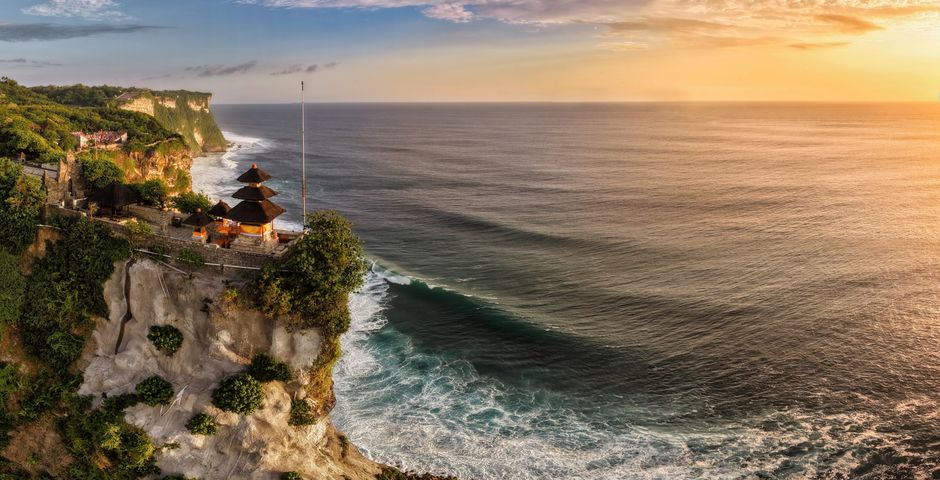
If Indonesia is your first big island trip, Bali is the fastest on-ramp. You’ll have traffic (sorry), tourist infrastructure (thank you), and plenty of tours. Then you can escape the crowds with a short boat hop to Nusa Penida.
Bali for culture, food, and logistics
Bali is one of those places where you can be as chill or as packed as you want.
Go if you want:
- Temples + ceremonies (when they’re on, they’re genuinely special)
- Big variety in food (including vegetarian-friendly spots)
- Lots of day tours without needing to plan everything yourself
- Easy connections for island-hopping after (flights and ferry options are plentiful)
Trade-offs I’ve felt firsthand:
- It can be crowded and pricey in the most popular pockets.
- Traffic is real—build buffer time into your day.
My practical approach:
- Pick one or two bases (example: Ubud area for culture, or the south/west coast for surf and beaches).
- Do temple days early (before crowds hit).
Budget reality (very rough):
- Transport + drivers/taxis: often the biggest daily line item if you don’t rent a scooter.
- Meals can be affordable if you eat like a local (warungs) instead of only in “views + price” restaurants.
Nusa Penida for dramatic cliffs (and a “bring water” attitude)
Nusa Penida is where Bali’s scenery goes full cinematic: cliffs, bays, and viewpoint walks. It’s stunning.
What you’ll love:
- Iconic viewpoints and beaches that feel “photo-famous” for a reason
- Boat days and snorkeling trips (conditions vary)
- A totally different vibe from Bali—more rugged, less polished
What you need to watch for:
- The roads can be bumpy, and the island is hilly.
- Day-trip crowds can be intense at peak spots.
- Ferries can be rough depending on the weather.
My advice:
- Plan at least 1–2 nights so you’re not rushed between viewpoints.
- Expect some “walking there, walking back” days—comfortable shoes help a lot.
Where to stay so you’re not fighting traffic
Bali can eat your time if you choose a base that’s too far from your plans.
If you want less hassle:
- Choose areas close to what you’ll actually do daily (beach days vs. temple days).
- Avoid constantly changing neighborhoods—use one base for a few days.
If you want value:
- Look slightly outside the most central tourist zones.
Lombok & the Gili Islands: beaches with breathing room

Lombok is what a lot of people imagine Bali was before it got mega-popular. And then the Gili Islands bring that classic turquoise-water postcard vibe—though each one has its own personality.
Lombok: more space, still convenient
Lombok is a solid choice when you want beaches and nature without the same level of “always-on” tourism.
Go if you want:
- A quieter base than Bali
- Beaches and viewpoints with fewer people
- Great access to the Gili Islands and nearby snorkeling/diving spots
Trade-offs:
- Some areas are less developed, so you’ll want to be flexible about schedules.
- If you’re expecting “everything is walking distance,” you might need transport.
How much time?
- I’d give Lombok 2–4 days unless you’re hiking (in which case, more).
Gili Islands: which one fits your mood?
The Gili Islands usually come as a package: people go for snorkeling, sunsets, and that slow “island time” feeling. But they’re not identical.
Gili Trawangan (livelier):
- More restaurants, bars, and social energy
- Great if you want a fun beach scene and don’t mind crowds
Gili Air (balanced):
- Often the best compromise: still lively, but less chaotic
- Good for couples and groups who want variety
Gili Meno (quieter):
- More laid-back and calm
- Ideal if your idea of paradise is fewer people and more quiet swims
Real talk:
- If you’re sensitive to noise, pick your island carefully (and choose lodging away from the most central strips).
Getting around (and why “sea days” matter)
Between Lombok and the Gilis, you’ll mostly rely on boats, and within the islands you’ll see bicycles and horse carts.
Practical tips:
- Leave margin for weather-related schedule changes.
- Pack motion-sickness prevention if you’re prone—fast boats aren’t always gentle.
- Bring reef-safe sunscreen and a basic snorkel setup if you prefer not to rent daily.
Komodo & Flores: dragons, boats, and big-breath views

This is the island experience many people dream about: waking up on the water, cruising past islands, and ending the day with a sunset you can’t believe is real.
Labuan Bajo: the jump-off town (and why it works)
Labuan Bajo is where most people organize their Komodo-area tours.
Why it’s useful:
- Lots of tour operators (you can compare prices and routes)
- Easy access to boats for islands and viewpoints
Trade-offs:
- It’s not “romantic beach town” energy everywhere—think more logistics.
- Some tours can feel rushed if you pick the shortest option.
My tip:
- Choose the tour style that matches your patience. If you hate speed, don’t book the absolute minimum days.
Komodo Island & the classic viewpoints
Yes, you’re going to see Komodo dragons. And yes, the landscape is incredible.
What you’ll likely include on a typical route:
- Komodo National Park encounters
- Scenic viewpoints (often with a steep climb—bring water)
- Snorkeling stops depending on the day’s conditions
What to expect:
- It can be busy—many groups are on similar schedules.
- Some sea days are bumpy, especially with changing wind.
Bring:
- Water, reef-safe sunscreen, a lightweight rain layer
- Closed-toe shoes if you plan on walking viewpoints
Rinca Island: wilder, often a bit less packed
Rinca is another Komodo National Park stop. It’s commonly visited alongside Komodo Island, but it can feel a touch more “raw” depending on your route.
Why I like Rinca as a complement:
- Similar conservation experience, different terrain
- Often a great add-on if your itinerary includes multiple park days
Trade-off:
- You’ll still be on a schedule set by boat/tour times.
Raja Ampat: the reef you talk about for years
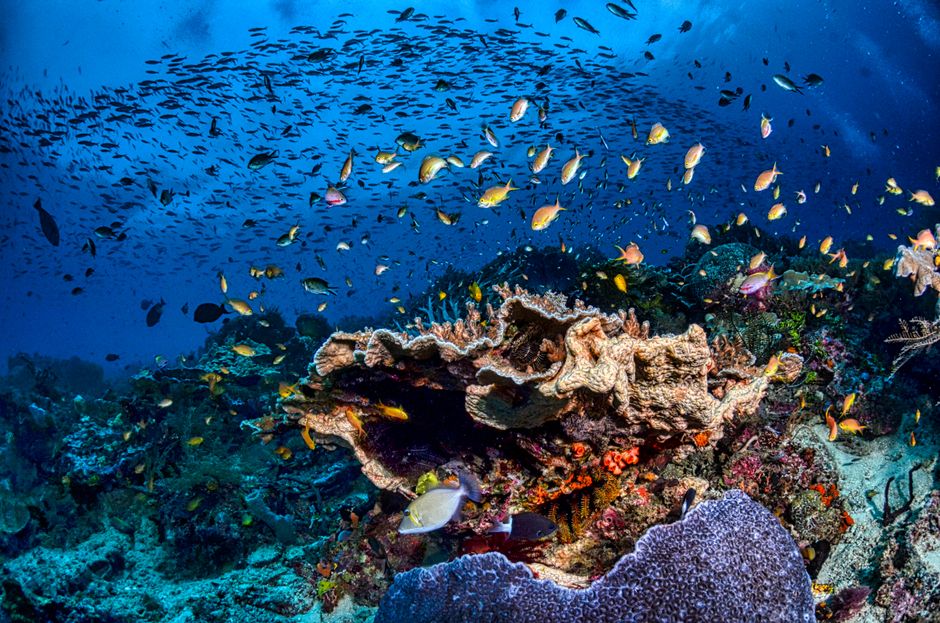
If Indonesia has a “final boss” island destination for snorkeling and diving, it’s hard to argue against Raja Ampat. The colors are unreal.
Why Raja Ampat is special (even if you’re not a hardcore diver)
A lot of people go for scuba, but even surface snorkeling can be incredible.
Go if you want:
- Clear water and dramatic reef scenery
- Wildlife encounters (again, conditions matter day-to-day)
- A feeling of remoteness—this doesn’t feel like a typical tourist loop
Trade-offs you should know now:
- It’s usually more expensive than the Bali/Lombok route.
- Planning is more complex: flights, then boats, then conditions.
Where to base yourself and how to choose a plan
Raja Ampat isn’t one island—it’s a region with islands, coves, and lots of sea time.
Common ways people structure it:
- Liveaboard style (moving with the boat)
- Base + day trips (depending on operator and season)
How I choose a tour/operator (simple checklist):
- Group size: smaller can mean less crowding in the water
- Dive/snorkel flexibility: can you change spots if conditions are rough?
- Gear support: what’s included and in what condition?
- Weather planning: do they clearly explain what happens if seas turn?
Reality check: weather and cost
This is where expectations need a little grounding.
Cost drivers:
- Getting there (flights are often the biggest chunk)
- Boat logistics and guide services
Weather reality:
- Sea conditions can shift—your schedule is part science, part luck.
What I recommend:
- Build in flexibility if you can.
- Don’t plan “one perfect day” based on a single viewpoint—Raja rewards multiple tries.
Karimunjawa (off Java): a calmer island escape
Karimunjawa is one of my favorite “don’t overthink it” island picks. It’s not as internationally famous as Bali or Raja Ampat, which means you can often get a more relaxed vibe.
Karimunjawa: the beach-and-snorkel kind of perfect
Go if you want:
- Easy island lounging with a tropical feel
- Snorkeling trips that are approachable for most travelers
- A slower pace without feeling like you need a scuba certification
Trade-offs:
- Underwater visibility and sea conditions vary by day.
- It’s not a “designed for luxury” destination like some parts of Bali.
How to do it from Java
Most people access Karimunjawa from the Java side (often via departure points around Jepara area), then continue by boat.
Practical advice:
- Check departure/arrival schedules before you commit your day-to-day plans.
- If you can, avoid booking super tight connections—boats can take time and sometimes change.
What you’ll do once you’re there
Karimunjawa’s appeal is usually a mix of.
Typical days look like:
- Morning snorkeling or beach hopping
- Lunch around the island area
- Late-afternoon downtime
Crowd expectations:
- Weekends and peak periods can bring more visitors.
- That said, it often feels calmer than the big-name island hubs.
Sulawesi: Bunaken for diving and the Togian Islands for slow magic
Sulawesi feels like a wild card in the best way. You can dive near Manado (Bunaken) and then go full quiet-jungle-island in the Togians.
Bunaken: diving close to the city
Bunaken is famous for underwater life, and it’s a big reason divers talk about Sulawesi.
Go if you want:
- High-quality diving and snorkel excursions
- A destination that’s reachable enough to still feel practical
Trade-offs:
- If you’re not a diver, you’ll want to be selective about which experiences you book.
- Ocean conditions still matter—visibility and currents can vary.
Togian Islands: jungle, islands, and serious downtime
Togian Islands are the opposite energy: less “tour bus,” more “islands you can actually breathe on.”
Go if you want:
- Quiet beaches and nature vibes
- A more remote feeling
- Time away from constant schedules
What to know:
- The infrastructure is more basic than Bali.
- You’ll want to plan around boat times and availability.
If you’re not a diver: can you still enjoy it?
Yes. You just have to pick experiences that match your comfort.
Non-diver-friendly ideas:
- Beach time + snorkeling where offered
- Simple boat rides to calmer coves
- Sunset-focused days and hiking where it’s accessible
My advice:
- Ask operators what “snorkeling” means for that day—some places are best as calm swims rather than “adventure” snorkeling.
How to pick the best islands for your Indonesia trip (season, time, budget)
Now for the practical part—because “best” depends heavily on when you’re traveling and how much transit you can stomach.
Choose by season (when seas are friendlier)
Indonesia’s weather patterns can impact boat routes and snorkeling visibility.
General guidance (not a guarantee):
- For many regions, drier periods tend to mean easier travel and calmer plans.
- Rainier/windier periods can bring delays, rougher boat days, and fewer “perfect” sea conditions.
My rule of thumb:
- If you’re traveling around peak season, expect crowds and book ahead.
- If you’re flexible, give yourself buffer days where boat schedules can shift.
Simple route ideas (so you don’t lose days in transit)
If you want an easy template, here are a few.
7–10 days (classic first-timer):
- Bali (with a day trip/overnight to Nusa Penida)
- Add either Lombok + Gili Islands or Komodo (if you can manage flights)
10–14 days (big nature focus):
- Bali + Nusa Penida
- Lombok + Gili Islands
- One “big expedition” region: Komodo OR Raja Ampat (depending on budget)
2–3 weeks (least rushed):
- Start in Bali
- Add Lombok/Gilis
- Spend proper time in Komodo/Flores
- If you’ve got the budget and flexibility, finish with Raja Ampat
Budget sanity: what it costs in real life
Indonesia can be very affordable—or very expensive—depending on how “remote” you go.
Typical cost drivers:
- Flights between islands
- Boat tours and dive/snorkel guides
- Where you stay (and how central it is)
Where you can usually save:
- Eating at local warungs instead of only tourist restaurants
- Staying slightly outside the most crowded tourist zones
- Booking a balanced mix of guided days and self-planned time
Where you shouldn’t try to cut corners:
- Safety/gear for snorkeling/diving
- Tour operators for remote regions (Raja Ampat especially)
My final take: pick one “anchor” island
If you remember one thing, make it this.
- Choose one anchor region that matches your main goal (culture, snorkeling, diving, dragons, or quiet beach time).
- Fill the rest with supporting islands nearby that won’t drain you with transit.
Indonesia is big, and the best trips aren’t the ones with the most stamps—they’re the ones where you actually feel the place.
Hope this helps you narrow it down. If you tell me your rough trip length and what you’re into (beaches vs diving vs hiking vs culture), I’ll suggest a route that fits your style.


