Hey fellow travelers—if you’re craving a proper onsen soak without complicated logistics, this is where I’d start in Japan. Below you’ll find my best onsen towns for relaxing visits, with options for day trips or overnight stays.
A quick note before we dive in: “best” here means most enjoyable and easiest to build around. Some places are bucket-list famous (because they are), but they can also get busy—so I’ll point out the trade-offs as we go.
Tokyo and Kyoto Easy-Reach Onsens

These are the towns I recommend when you want classic hot-spring culture and don’t want to spend your whole trip transferring trains.
Hakone
Hakone is one of the most convenient onsen areas for people starting around Tokyo. It’s also one of the most “touristy,” which can be a pro (loads of choices) and a con (you’ll share the baths).
What it’s like:
- Scenic volcanic valley vibes
- A mix of traditional ryokan and more modern resorts
- Easy to pair with viewpoints around Lake Ashi
What to do (most people love these):
- Try a day-use bath if you’re passing through (you can keep your plan flexible)
- Go for a public bath or a ryokan rotenburo-style soak (open-air bathing is the big win here)
- Walk into town after soaking—it’s when the atmosphere feels most “holiday”
Day trip vs overnight:
- Day trip works if you want: soak + views + an easy return
- Overnight is better if you want: a quieter evening, a full ryokan rhythm (dinner, bath, sleep, bath again)
Trade-off to be aware of:
- Expect crowds on weekends and holidays—especially near the biggest transport hubs.
Kusatsu Onsen
Kusatsu is the “legendary water” option. The baths here are known for their strong, high-heat style, and the town is built around that whole experience.
What it’s like:
- A lively center packed with bathhouses and steaming atmosphere
- Great “wander and soak” energy
- Feels more old-school than some of the more resort-heavy areas
What to do:
- Pick one or two bathhouses and really commit (you’ll enjoy the contrast more than rushing)
- Look for an open-air bath—Kusatsu’s air + steam combo is genuinely memorable
- Spend time around the central hot-spring area (the town’s identity is built around it)
Day trip vs overnight:
- Day trip can work if you’re only chasing the soak (and you’re okay with a tighter schedule)
- Overnight shines because the town atmosphere cools down in a good way after the day visitors leave
Trade-off to be aware of:
- If you’re sensitive to very hot water, you’ll want to take it slowly—your first soak can be a little overwhelming.
Kinosaki Onsen
Kinosaki is the “stay in the story” onsen town. It’s famous for its traditional streets and the fun idea of hopping between baths.
What it’s like:
- Cozy, historic-feeling lanes
- A strong sense of town identity (you can feel it as soon as you arrive)
- Very “evening stroll” friendly
What to do:
- Bath-hopping is the main event—plan a simple route rather than doing everything
- Wear your onsen vibe (many people stroll in yukata/comfortable slippers after soaking)
- Enjoy the night atmosphere—Kinosaki really comes alive after dark
Day trip vs overnight:
- Day trip is doable if you’re starting from the Kyoto/Osaka side and just want one or two baths
- Overnight is the sweet spot if you want the full “walk, soak, dinner, repeat” experience
Trade-off to be aware of:
- It’s popular—especially in peak seasons—so booking a ryokan ahead is smart.
Mountain Towns for Real Winter Feel
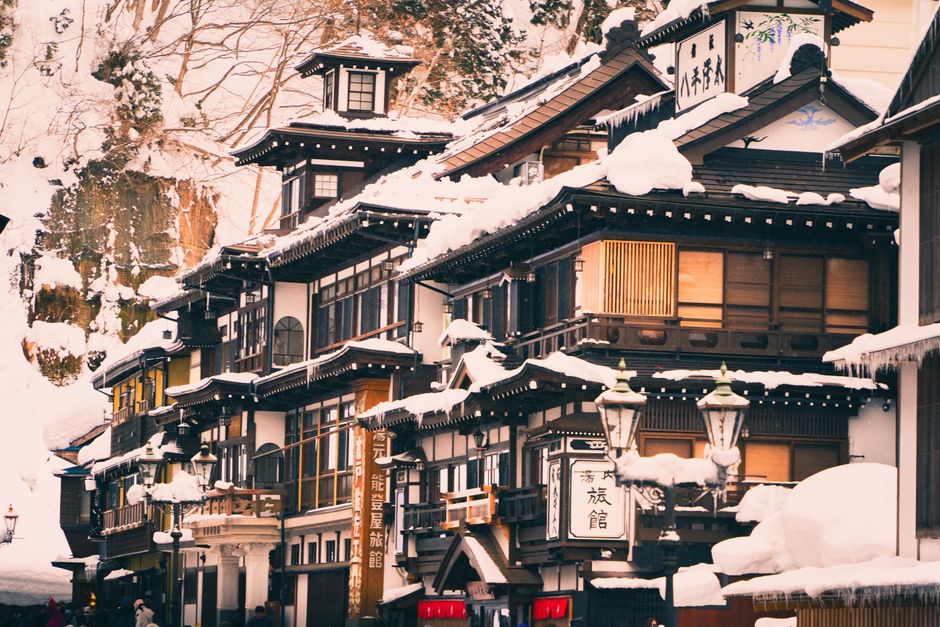
These places are ideal if you want that classic Japan-on-a-travel-postcard vibe: mountain views, wood-built guesthouses, and soaking that genuinely resets you.
Nozawa Onsen
Nozawa is one of the most beloved winter onsen towns in Japan, and it works just as well outside the snow season if you come for the atmosphere and tradition.
What it’s like:
- Traditional onsen neighborhood feel
- A strong culture around public baths
- Great for travelers who like exploring on foot
What to do:
- Try a couple of public baths—Nozawa’s variety is part of the appeal
- Pair soaking with wandering (even a short walk feels like a “thing” here)
- If you’re visiting in winter, expect that cozy, powdery mood throughout the town
Day trip vs overnight:
- Day trip can work if you’re in the broader Nagano region
- Overnight is worth it because the town atmosphere changes after daytime crowds
Trade-off to be aware of:
- Accommodation fills up around high season and local events, so don’t leave it late.
Gero Onsen
Gero is a slower, nature-backed choice. It’s not trying to be flashy, and that’s exactly why it feels so relaxing.
What it’s like:
- Quiet valley surroundings
- A more laid-back “onsen town” tempo
- Easy place to settle in for a couple of days
What to do:
- Choose a ryokan stay if you want the full experience (meals + soaking schedule)
- Add a scenic walk in the area before or after your bath
- Mix public baths and your lodging bath for variety
Day trip vs overnight:
- Day trip works if you want one calm soak and a short itinerary
- Overnight works best for the “no rush” feeling—especially if you’re traveling with someone who just wants to relax
Trade-off to be aware of:
- Compared with Hakone or Kinosaki, it’s less of a “theme park of onsen.” If you want maximum options every minute, you’ll have to choose your stops.
Kaga Onsen (Komatsu / Kaga area)
Kaga is for travelers who want a classic hot-spring town with a more refined vibe. Think: bathing, lingering, and feeling like you’re stepping into a slower part of Japan.
What it’s like:
- A bath-and-luxury rhythm (without being overly complicated)
- Great for couples or anyone who likes a more polished stay
- Often paired with the broader Ishikawa region
What to do:
- Consider a ryokan with dinner + breakfast (the whole stay format is part of the payoff)
- Try at least one public bath in addition to your lodging
- Plan time to slow down—Kaga rewards doing less
Day trip vs overnight:
- Day trip is possible if you’re already in the region
- Overnight is the better bet if you want that proper onsen cadence
Trade-off to be aware of:
- It can feel calmer than the biggest tourist-famous towns—meaning you’ll get more “rest” and less “busy entertainment.”
Kyushu’s Big-Hitter Hot-Spring Cities

Kyushu is where Japan’s geothermal energy feels almost cinematic. These towns are especially good if you want variety—different bath styles, different atmospheres, and lots of onsen choices.
Beppu
Beppu is the “everything on one map” option. It’s famous for its hot-spring variety, and it’s the place where you’ll find plenty to do beyond just soaking.
What it’s like:
- Big, energetic onsen city
- A mix of public baths, themed experiences, and hot-spring scenery
- Easy to build multiple bathing plans in one trip
What to do:
- Pick a few bath experiences rather than trying to see everything
- Add at least one ‘wow’ style hot-spring sight (Beppu is known for these)
- Use your evenings wisely—soak, eat, wander, repeat
Day trip vs overnight:
- Day trip is possible, especially if you’re connecting through Kyushu
- Overnight is strongly recommended for the full onsen experience (and because it’s a city—there’s stuff to enjoy after dark)
Trade-off to be aware of:
- Because it’s a larger city, it doesn’t have the same small-street “storybook” vibe as some mountain towns. It trades charm-for-convenience and variety.
Yufuin
Yufuin is Beppu’s calmer, more countryside-feeling cousin. It’s a great pick if you want geothermal energy without the big-city busyness.
What it’s like:
- Pleasant walking town feel
- Cozy, scenic surroundings
- Strong selection of ryokan and bath options
What to do:
- Stroll between viewpoints and bath options (it’s a town built for relaxed wandering)
- Try an outdoor bath if your accommodation offers it
- Keep a flexible plan—Yufuin rewards doing small things slowly
Day trip vs overnight:
- Day trip can work if you’re already based in Beppu
- Overnight is better if you want the quiet morning/early evening vibe
Trade-off to be aware of:
- Popular ryokan book out quickly in peak times, so if Yufuin is your “must,” plan ahead.
Best Onsens for a Longer Overnighter (or a Flight)
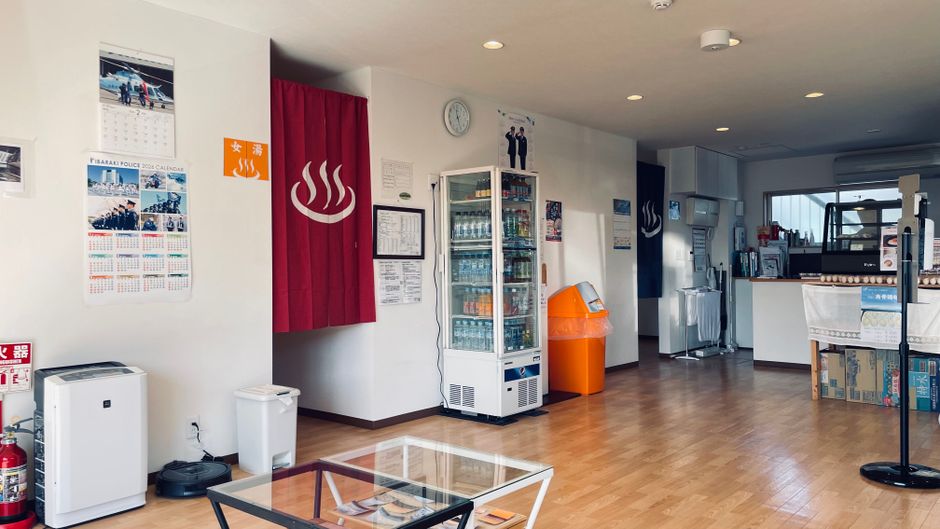
These are farther-flung options that feel worth it when you want a proper reset—especially if you’re already traveling for scenic stops or a multi-day itinerary.
Dogo Onsen (Matsuyama)
Dogo is one of Japan’s most iconic onsen areas, and it has that “history you can actually visit” feeling.
What it’s like:
- Classic onsen landmark vibes
- A strong sense of place in Matsuyama
- Great blend of relaxation and light sightseeing
What to do:
- Start with the iconic bathhouse experience (even if you only do it once, it’s part of the memory)
- Add a second soak elsewhere so you get more variety than just the flagship spot
- Pair it with an easy town stroll afterward
Day trip vs overnight:
- Day trip is possible if you’re already passing through Shikoku
- Overnight is better for soaking + exploring at a comfortable pace
Trade-off to be aware of:
- Because it’s famous, expect crowds at peak times—plan your schedule so you’re not rushing into your “must-see” bath.
Noboribetsu Onsen (Hokkaido)
If you’re chasing a wintery, dramatic atmosphere, Noboribetsu is the one. It feels like onsen culture meets wild nature.
What it’s like:
- Hokkaido scenery with volcanic energy in the background
- A stay-first town: many travelers come for the ryokan experience
- Fantastic for cold-weather soaking
What to do:
- Lean into a ryokan stay (the multi-bath rhythm is the point)
- Plan at least one outdoor experience—the contrast with the cold air is the best kind of memorable
- Wander the area before or after your main bath (daylight walks feel especially nice)
Day trip vs overnight:
- Overnight is the real win here
- Day trip is possible if you’re already in Hokkaido and very time-efficient—but you’ll miss the full vibe
Trade-off to be aware of:
- Flights and connections can take time; if you’re going all the way, it’s worth making the stay long enough to feel relaxed.
If I had to boil this down: pick your onsen town based on how you want your days to feel.
- Want the easiest logistics? Start with Hakone or Kusatsu.
- Want traditional streets + night atmosphere? Kinosaki is a top pick.
- Want wintery mountain vibes (or just slow days)? Nozawa, Gero, and Kaga deliver.
- Want geothermal variety and an energetic city feel? Beppu.
- Want calm countryside onsen energy? Yufuin.
- Want iconic history or a longer trip worth it? Dogo and Noboribetsu.
Whichever you choose, do yourself a favor: book one “real” ryokan night if your budget allows, and keep your schedule light on the day you arrive. Onsen days are best when you don’t treat them like sightseeing marathons.