Hey there travel enthusiasts and welcome to my post where we will check out my 10 quiet European cities to visit instead of the crowded ones this year.
I love a classic “big name” city as much as the next traveller—but if you’ve ever spent your vacation doing battle with crowds, overpriced menus, and sold-out tickets, you’ll get why I’m sharing this list. Each city below is a legit destination on its own (not just a consolation prize), and I’ll tell you:
- which famous city it replaces,
- what makes it calmer (or simply more relaxed), and
- how to enjoy it without rushing.
Quick heads-up: “quiet” doesn’t mean “empty.” It just means the vibe is more local, the pace is kinder, and you’ll usually find more breathing room than at the usual crowd magnets.
A French-Plus-Box of calm: Rouen & Ghent
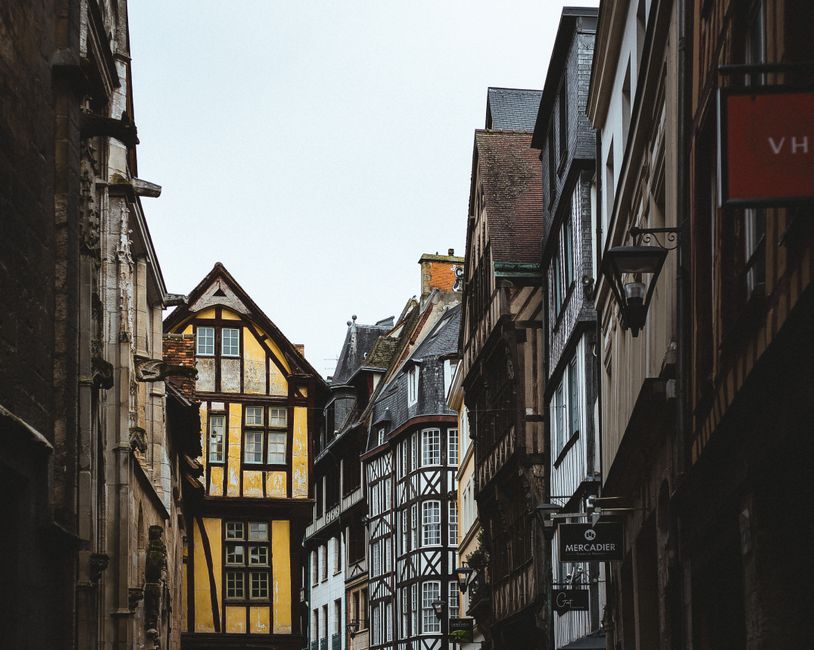
Rouen (France) — replacing Paris when you want old streets, not big-city crowds
Rouen is one of those places that feels like it already has your itinerary built: dramatic architecture, historic lanes, and a cathedral area that’s genuinely stunning. It’s a great swap if Paris is on your mind but you don’t want the nonstop pressure.
Instead of: Paris
Why it holds up on its own:
- Rouen is smaller and easier to “live inside” for a couple of days.
- You get medieval + Renaissance sights without the sheer scale of Paris.
- The city center is very walkable—less time planning, more time wandering.
What to do (in a calm, do-able loop):
- Start around Place du Vieux Marché and walk the surrounding historic streets.
- Spend time near the cathedral area (it’s the kind of sight you’ll keep turning back to).
- Pop into local markets/food streets for something simple for lunch—Rouen’s style is more “daily life” than “tourist show.”
- If you like art history, the city has enough museums/church-adjacent exploring to keep a rainy day interesting.
When it feels quietest:
- Late autumn and shoulder seasons (think cooler months) usually mean fewer tour groups.
Trade-off I’ll be honest about:
- You won’t get Paris-level variety of blockbuster attractions in one trip.
- But you do get a more peaceful experience and a more “real city” feel.
Budget vibe:
- Often easier on the wallet than central Paris for food and stays, especially outside peak summer.
Ghent (Belgium) — replacing Bruges when you want canals, castles, and fewer selfie swarms
Bruges is gorgeous, but it can also feel like you’re moving through a museum made entirely of day trippers. Ghent gives you the same “storybook” elements—canals, old buildings, big historic energy—without the constant crowd density.
Instead of: Bruges
Why it holds up on its own:
- Ghent has a strong local identity (it’s busier with residents than tourists).
- The medieval core feels grand without being as “packaged” as Bruges can be.
- You can combine architecture with a very lively food-and-drink scene.
What to do for maximum payoff per hour:
- Wander the historic center early or late (it makes a noticeable difference in how busy it feels).
- Enjoy the canal-side strolls—they’re relaxing without being dull.
- If you like viewpoints, look for a place where you can see the rooftops and river/bridge layout.
- Treat yourself to Belgian classics in the neighborhoods where the locals hang out (you’ll often find better value away from the most “tour route” streets).
When it’s typically calmer:
- Weekdays outside major holiday weeks usually feel much more comfortable.
Trade-off I’ll be honest about:
- Bruges is “the postcard” more consistently in photos.
- Ghent is the “linger here” choice—less perfect in a single snapshot, better as a place you actually enjoy.
Budget vibe:
- Often similar or slightly better value than the most tourist-heavy spots.
Iberian calm with a pulse: Porto & Bilbao

Porto (Portugal) — replacing Lisbon when you want hills, riverside walks, and slower evenings
Lisbon is incredible—but it’s also one of Europe’s famous “always busy” cities. Porto gives you a similarly gorgeous setting (river + hills + tiled facades) with a more grounded feel.
Instead of: Lisbon
Why it holds up on its own:
- Porto’s layout encourages walking and wandering—great for travellers who like to explore at their own pace.
- The wine culture isn’t just a tour bus line; it’s woven into the city.
- Even when it’s busy, it doesn’t always feel like the same relentless pressure you get in the largest headline cities.
What to prioritize (simple but effective):
- Do a riverside walk (aim for sunrise or late afternoon if you can).
- Explore the historic core by foot—small streets, big atmosphere.
- Spend time in wine-focused areas, but pick one or two experiences so you don’t end up “checked-out” by the evening.
- Try local food in spots that feel like they’re frequented by regulars (you’ll notice the difference quickly).
When it’s quietest:
- Spring and autumn tend to be sweet spots—pleasant weather, fewer peak-summer crowds.
Trade-off I’ll be honest about:
- Porto has hills—so if you hate slopes, plan breaks.
- Some iconic views are popular, so timing matters.
Budget vibe:
- Often a bit easier than Lisbon for accommodation, depending on the dates.
Bilbao (Spain) — replacing Barcelona when you want design, food, and a more relaxed tempo
Barcelona is lively (and I mean that as a compliment), but it’s also one of the busiest tourist destinations in Europe. Bilbao brings you art/design swagger and seriously good food with a more manageable vibe.
Instead of: Barcelona
Why it holds up on its own:
- Bilbao is compact enough to explore without constant long transfers.
- The city’s “modern art/design identity” is unique—this isn’t just Barcelona-but-quieter.
- The food scene is a major draw, and it’s more comfortable to enjoy without feeling like you’re always in a rush.
What to do (focus on quality, not quantity):
- Spend time around the city’s signature modern architecture area.
- Walk the river/bridge routes for easy city views.
- Make room for a food crawl (pintxos-style hopping works best when you’re patient and pick a few stops rather than sprinting).
- If you like day trips, Bilbao is a solid base for nearby coastal/nature escapes.
When it feels calmer:
- Shoulder seasons help a lot, especially if you’re trying to avoid peak holiday weeks.
Trade-off I’ll be honest about:
- You won’t have Barcelona’s beach club scene.
- You will, however, get a city that feels more “approachable” and less frantic.
Budget vibe:
- Often not as pricey as Barcelona during peak summer.
Central Europe without the peak: Riga & Ljubljana

Riga (Latvia) — replacing Prague when you want history and atmosphere without the stampede
Prague is gorgeous and famous—so it comes with crowds. Riga often feels like the smarter move if you want grand architecture, old-town charm, and a “discover it” energy.
Instead of: Prague
Why it holds up on its own:
- The old town has a strong, cohesive historic character.
- Riga’s vibe can feel calmer while still feeling like a proper European capital.
- It’s a great pick for travellers who love exploring on foot and stopping for coffee/warm meals without constantly weaving around crowds.
What to do for a satisfying, low-stress visit:
- Walk the historic center lanes slowly (the details really reward it).
- Spend time in central squares/monument areas—they’re ideal for breaks.
- Pick a museum or two rather than trying to “collect” everything.
- Evening strolls are often where Riga surprises you—in a good way.
When it’s typically less crowded:
- Early autumn and late spring usually strike a nice balance.
Trade-off I’ll be honest about:
- You might find fewer “universal must-do” experiences than Prague, which some people love and others miss.
- If you’re the type who likes wandering, you’ll probably enjoy that freedom.
Budget vibe:
- Riga tends to be friendlier on costs than the most overloaded capitals.
Ljubljana (Slovenia) — replacing Venice when you want storybook calm and easy escapes
Venice is magical—but it’s also one of Europe’s hardest places to experience without getting swept up in crowds. Ljubljana is a smaller, calmer choice that still feels charming and rewarding.
Instead of: Venice
Why it holds up on its own:
- Ljubljana has a friendly, “breathe” pace.
- The city is compact, so it’s easy to keep your trip relaxed.
- It’s a strong base for day trips into nature—so you’re not stuck with only city sightseeing.
What to do (high vibe, low effort):
- Enjoy the river/central promenades at a slow pace.
- Explore the old town core (go early, or go later).
- Look for a viewpoint/hill option if you want that postcard perspective.
- Build in a half-day for nature nearby—Ljubljana shines when you combine city + green time.
When it feels quietest:
- Many travellers find the city calmer in the shoulder seasons.
Trade-off I’ll be honest about:
- Venice’s uniqueness is impossible to replicate.
- But Ljubljana’s calm + convenience can be a better “overall travel experience,” especially if you’re tired of constant crowds.
Budget vibe:
- Usually not a budget-buster, depending on lodging choices.
Italy, but calmer: Catania & Matera
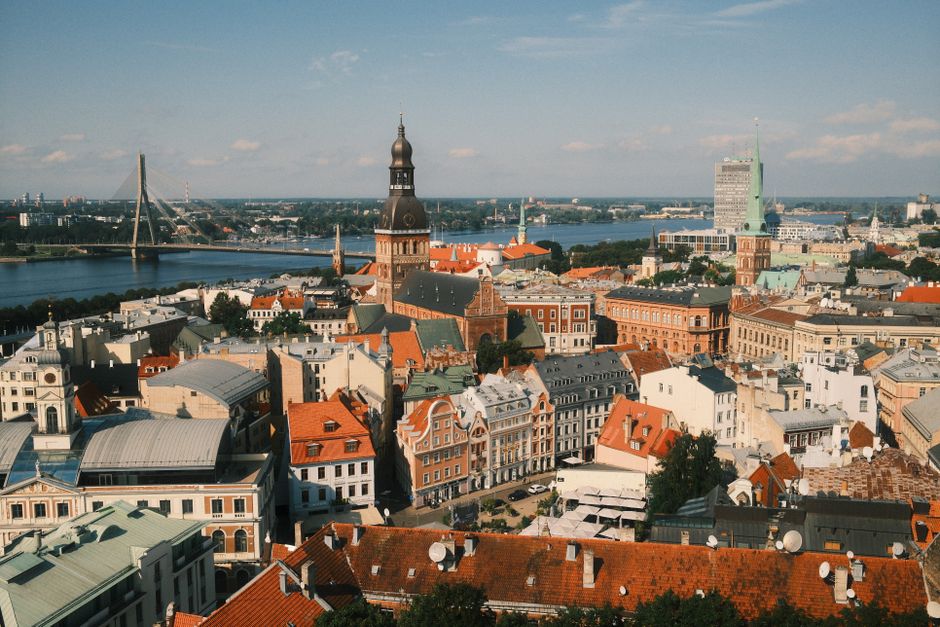
Catania (Sicily, Italy) — replacing Naples when you want real street life and great food
Naples is lively, but it’s also a major magnet. Catania offers a more grounded Sicilian rhythm—louder in places, but often less hectic in the tourist sense.
Instead of: Naples
Why it holds up on its own:
- Catania feels like a working city with a strong local culture.
- You still get intense food, history, and dramatic scenery.
- It can be easier to find the “daily rhythm” than in the most crowded big-name cities.
What to do (so you don’t end up rushing):
- Spend time in the city center with slow walking and snack breaks.
- Do at least one good food experience (Sicily is a win for travellers who enjoy eating like it matters).
- Plan a simple day out—either coastal or inland—so you’re not stuck only in town.
When it’s more comfortable:
- Late spring to early autumn can be lively, but it can also mean heat—if you’re sensitive to that, consider spring/early autumn.
Trade-off I’ll be honest about:
- Some areas feel bustling; it’s not “quiet countryside.”
- But it’s often less tour-bus dense than the biggest headline cities.
Budget vibe:
- Typically good value compared to many of Italy’s most overloaded spots.
Matera (Basilicata, Italy) — replacing Rome/Florence when you want something atmospheric and less chaotic
Matera is famous enough now to be “known,” but it still doesn’t feel like Rome or Florence. It’s a top choice if you want atmosphere, unusual landscapes, and a place that’s more about mood than hustle.
Instead of: Rome (or Florence)
Why it holds up on its own:
- Matera’s cave neighborhoods are genuinely distinctive—this isn’t a simple “alt-city” swap.
- It’s easy to do a slow itinerary: wander, pause, photograph, repeat.
- The city tends to feel more controlled than the mega-cities.
What to do for the full effect:
- Explore the historic cave districts (plan time so you don’t feel rushed).
- Watch the light change—Matera is one of those places where the “same spot” looks different across the day.
- Build in a viewpoint stop to really understand the layout.
When it feels most relaxed:
- Shoulder seasons often help with both weather and crowd levels.
Trade-off I’ll be honest about:
- It’s not a “do everything in one day” city for everyone; it rewards lingering.
- Some parts involve uneven walking—wear comfortable shoes.
Budget vibe:
- Lodging can vary widely; sometimes it’s comparable to big cities, but the overall experience is often more calming.
Coastlines and countryside calm: Inverness & Zadar
Inverness (Scotland) — replacing Edinburgh when you want the Highlands vibe without the constant city crowds
Edinburgh is brilliant, but it can be packed—especially during festivals and peak summer. Inverness is a better move if you want a solid base for the Highlands while keeping your own schedule feeling yours.
Instead of: Edinburgh
Why it holds up on its own:
- Inverness works well even if you’re not chasing “every single museum.”
- It has that gateway-to-the-Highlands energy, which makes it feel purposeful.
- You can spend your time doing shorter excursions and returning for a calm evening.
What to do (simple, high reward):
- Walk around the River Ness area for an easy, scenic start.
- Use Inverness as a base for Highlands day trips (choose fewer, better outings rather than trying to cram everything).
- Explore local pubs/restaurants—Scotland’s comfort food vibe is a real thing after a day outdoors.
When it’s usually calmer:
- Outside festival season, it tends to feel more relaxed.
Trade-off I’ll be honest about:
- It’s not trying to be Edinburgh—so don’t expect the same scale of major monuments.
- But as a base for nature and slow travel, it’s excellent.
Budget vibe:
- Often a bit more affordable and less chaotic than peak Edinburgh pricing.
Zadar (Croatia) — replacing Dubrovnik/Split when you want Adriatic charm without the peak-price pressure
Dubrovnik can be stunning—but it’s also famous for crowds and “tourist premium” pricing. Zadar is a calmer Adriatic alternative with a lot of charm and a more everyday feel.
Instead of: Dubrovnik (or Split, if you want a quieter stay)
Why it holds up on its own:
- Zadar often feels less intensely tourist-focused.
- You still get coastal atmosphere, historic streets, and sunset energy.
- It’s a great base if you want a few day trips without constantly dealing with peak city congestion.
What to do (pick your pace):
- Spend time in the historic center and enjoy slow wandering.
- Prioritize coastal walks—they’re an easy win.
- If you like islands/coastline day time, consider a simple day plan (don’t overbook—Zadar works best with breathing space).
When it feels best:
- Late spring and early autumn tend to be great for avoiding the busiest months.
Trade-off I’ll be honest about:
- Dubrovnik’s “wow” factor is legendary.
- Zadar’s charm is more subtle—and that’s exactly why it can feel better when you’re tired of crowds.
Budget vibe:
- Often cheaper than the biggest Croatian headline destinations.
A quick way to choose your quiet city
If you’re trying to decide fast, here’s my cheat sheet:
- Want history + atmosphere without constant pressure? Rouen, Ghent, Matera, Riga
- Want food/design vibes and a relaxed city pace? Porto, Bilbao, Catania
- Want nature access and calmer days? Ljubljana, Inverness, Zadar
And one practical tip that saves your sanity: pick two “anchor days” and leave the rest for wandering. In quiet cities, you’ll often get more joy from half-day discoveries than from trying to “complete” a checklist.
If you tell me which crowded city you’re trying to avoid (and what month you’re going), I’ll help you narrow these down to the best 2–3 swaps for your vibe.


