Hey there travel enthusiasts and welcome to my post where we will check out my 11 best islands in Thailand this year.
I’ve bounced around the Gulf and the Andaman coasts for years, and here’s the thing: Thailand islands can be wildly different. Some are beach-and-bungalow easy. Some are all about diving. And a few are incredible… but also busy and priced like it.
So I’m going to be practical with you: what each island is best for, what tends to annoy people (crowds, logistics, costs), and when to plan your trip.
Andaman Coast starters: where the postcard islands live

Phuket (yes, it counts) — for easy logistics and variety
Phuket isn’t just “another beach island.” It’s your best bet if you want a one-stop base with good transport links, lots of tours, and plenty of accommodation choices.
What Phuket is best for
- First-time Thailand travellers who want everything within reach
- Day trips to nearby islands and viewpoints
- A mix of vibes: beach clubs, old-town wandering, markets, and seafood
Trade-offs (I’ll be honest)
- Some beaches can feel busy and “resort-y,” especially around the most popular stretches.
- You’ll find the usual tourist pricing in peak season—nothing outrageous for Thailand, but it’s rarely “budget beach life” in the busiest areas.
Where to base (simple approach)
- If you want nightlife + convenience: look at areas near main tourist strips.
- If you want slower mornings: base slightly away from the busiest beach zones.
- If you’re doing island days: stay where you can get to tour pickups without drama.
When to go
- Aim for roughly November to April if you’re prioritising the Andaman side.
Koh Phi Phi — the wow-factor, with crowds included
Koh Phi Phi is one of those places where you walk onto the pier and go, “Okay… I get it.” The limestone cliffs and turquoise water are unreal.
What Koh Phi Phi is best for
- Iconic scenery (boat trips, viewpoints, swimming coves)
- Snorkelling when conditions are decent
- Short stays where you can do a couple of full/half-day excursions
Trade-offs (this is the big one)
- It can get crowded, especially in high season.
- Beach-hopping is amazing, but if you’re expecting quiet, you might feel underwhelmed.
My “do this, not that” advice
- If you can, mix one big day trip (or early sightseeing) with at least one slower day.
- Don’t overpack your schedule—Phi Phi is stunning, but travel days add up.
Best time window
- Like much of the Andaman, dry-season months tend to be your friend.
Koh Lanta — relaxed beaches + a bit of old-school island charm
If Phi Phi feels like a highlight reel with a lot of people in it, Koh Lanta is the calmer cousin.
What Koh Lanta is best for
- Chill beach time without feeling like you’re in a queue
- Longer stays where you can rent a scooter or just take it easy
- Local seafood and markets
Trade-offs
- It’s not built for “walk out of your hotel and into an all-day party.” If you want nightlife-heavy vibes, you’ll need to seek it out.
- Expect a more laid-back pace—great if you’re there for rest, less great if you’re trying to fill every hour.
Where to focus
- Choose a beach area that fits your day-to-day style—some parts are quieter, some are better for convenience.
- If you’re moving around, plan your transfers with daylight in mind.
When to go
- Again, the Andaman dry season is your safest bet.
Andaman quiet escapes: less chaos, more calm
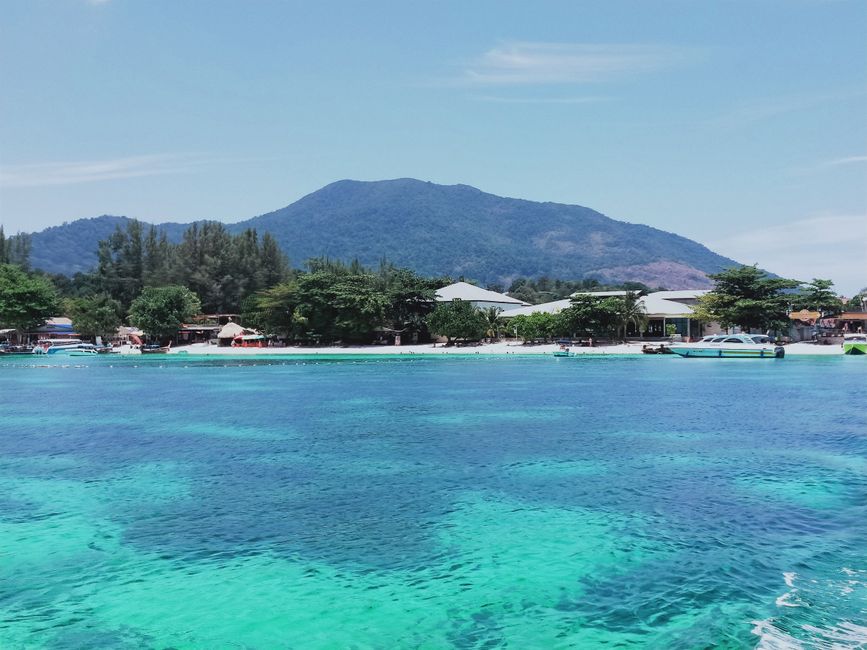
Koh Yao Noi — between Phuket and Krabi, and noticeably more peaceful
Koh Yao Noi sits in a sweet spot: close enough for easy planning, but often far more serene than the bigger showstoppers.
What Koh Yao Noi is best for
- A slower island rhythm (sleep in, swim, repeat)
- Family-friendly relaxed beach time
- Scenery without the same peak-season crush
Trade-offs
- Fewer “big attraction” moments compared to the famous headline islands.
- You’ll typically rely more on your own plans (or tours) to get the best days out.
How to enjoy it well
- Book a stay long enough that you’re not only “arriving and leaving.”
- Pair your beach time with one or two curated boat/sailing day trips rather than trying to do everything yourself.
Koh Lipe — beach bliss in a smaller, more “escape” style setup
Koh Lipe is compact, scenic, and feels like a genuine island holiday rather than a stopover.
What Koh Lipe is best for
- Beach lovers who want that clean-turquoise look
- Snorkelling days and relaxing in the sun
- People who want “island beach” without huge island infrastructure
Trade-offs (please read this part)
- It can feel busy in peak times, especially around the best beachfront zones.
- Some parts of the trip planning depend on sea conditions—so keep a little flexibility.
Best approach
- Stay a few nights so you can actually catch two good beach days instead of constantly moving.
Gulf of Thailand: beaches with a different energy
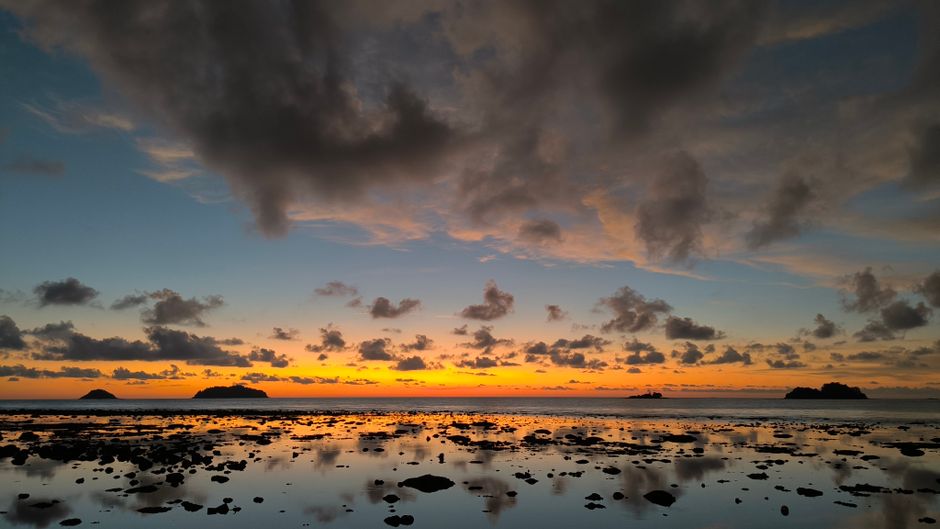
Koh Samui — the all-rounder for comfort, tours, and beach variety
Koh Samui is one of those places where you can build your trip around whatever mood you’re in: day trips, spa days, family outings, or late-night food runs.
What Koh Samui is best for
- Comfortable island travel with lots of accommodation options
- Beach variety (choose your vibe and base accordingly)
- Easy add-ons: tours, markets, viewpoints
Trade-offs
- Parts of Samui can feel commercial compared to smaller islands.
- In busy periods, prices can creep up—especially for popular areas and beachfront stays.
How to make Samui feel more “local”
- Don’t only focus on the most famous beach stretches.
- Plan at least one day that isn’t tied to an excursion—slow exploration is where it shines.
Koh Phangan — party nights by choice, and quiet beaches by choice
Koh Phangan is famous for its party scene, but here’s the truth: you can absolutely have a calmer trip. You just have to place yourself thoughtfully.
What Koh Phangan is best for
- A flexible island: party energy when you want it, quiet when you don’t
- Beach days that feel more laid-back than you’d expect
- Sunsets + simple beach bars (the good kind)
Trade-offs
- If you arrive around the most famous party periods, some areas can get crazy and prices jump.
- If you hate crowds, you’ll want to avoid the peak party calendar.
My practical advice
- Decide your “vibe priority” first: party, relaxation, or mixed.
- Pick your base area based on that vibe—don’t try to do everything from one end of the island.
Gulf diving & chill: small islands that do one thing really well
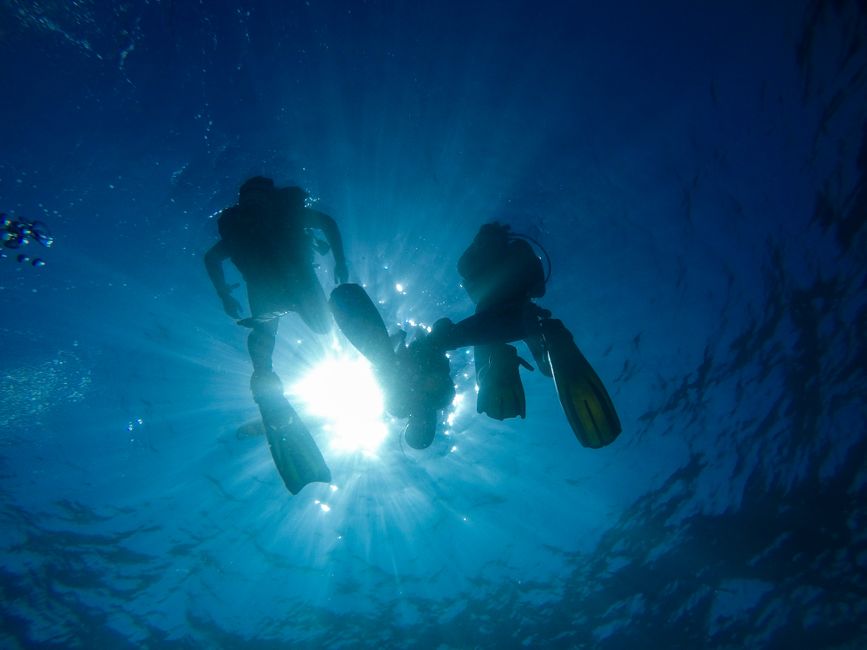
Koh Tao — diving and snorkelling, with a laid-back backpacker backbone
Koh Tao is famous for diving and it’s one of the best places in Thailand to learn or improve your skills (and also just snorkel around).
What Koh Tao is best for
- Diving and guided snorkelling
- A more backpacker-friendly atmosphere
- People who want a structured activity without feeling rushed
Trade-offs
- It’s not the “romantic empty beach” fantasy 24/7. You’ll see plenty of other travellers—especially around dive season.
- If you’re not into water activities, you might find the island’s schedule a bit repetitive.
How to choose your stay
- If diving is your main event: book around your course/booking rhythm.
- If snorkelling is your main thing: plan days around visibility and sea conditions.
Koh Mak — quieter than it looks in photos
Koh Mak is one of those islands that feels underrated until you’re there. It’s often calmer, with a slower pace and a “walk around and relax” vibe.
What Koh Mak is best for
- Quiet beach time
- Family-friendly island rhythm
- People who want nature + calm rather than constant tours
Trade-offs
- It’s not built around big nightlife.
- You’ll likely plan more around how you get around (rather than expecting constant options on-demand).
How I’d plan it
- Choose a place to stay where you can actually enjoy your mornings.
- Spend a day exploring, but leave enough time to just do nothing—this island is good at “doing nothing.”
Eastern islands: jungle views, waterfalls, and a wilder feel
Koh Chang — bigger island energy with lots to explore
Koh Chang is a solid pick if you want a mix of beaches and nature. It’s more than a flat shoreline holiday—there’s jungle, viewpoints, and a sense of “there’s stuff to do” beyond sunbathing.
What Koh Chang is best for
- Nature lovers who want hiking-ish views and greenery
- Beach variety across different areas
- Travellers who like island exploration by day, relaxing at night
Trade-offs
- The island is bigger, so getting from A to B takes time.
- Depending on where you stay, you may need to plan transport rather than rely on walking.
Best way to enjoy it
- Don’t try to move too often. Base smartly and do day trips.
- Build in buffer time—roads and transfers can be slower than you expect.
Koh Kood — the calmer, more nature-forward choice
Koh Kood (sometimes spelled Ko Kood) feels like a quieter extension of the Koh Chang vibe, with more of that “escape” feeling.
What Koh Kood is best for
- Serious relaxation and nature immersion
- Travellers who want a quieter alternative to the busier islands
- People who enjoy simple beach routines and slower dinners
Trade-offs
- Fewer “busy attractions” and less nightlife.
- Logistics can be more about planning your days than spontaneously popping around.
My take
- If you’re seeking a real reset—this is the type of island that does it well.
Picking your perfect island (my quick cheat sheet)
Match your vibe to the coast
Here’s the quick way I decide without overthinking it:
- Want easy planning + variety? Start with Phuket or Koh Samui.
- Want wow scenery but can handle crowds? Go for Koh Phi Phi (and time it carefully).
- Want chill, slower travel days? Koh Lanta or Koh Mak.
- Want a calm island between bigger hotspots? Koh Yao Noi.
- Want beach escape + snorkel energy in a smaller footprint? Koh Lipe.
- Want diving and a structured water plan? Koh Tao.
- Want jungle + exploration without leaving Thailand island life behind? Koh Chang.
- Want the quiet version of that nature escape? Koh Kood.
- Want “party if I feel like it,” but still beaches? Koh Phangan—just mind the season.
A realistic 7–12 day island plan
If you’re unsure how to combine islands, here’s a practical template (and yes, it’s intentionally not too ambitious):
-
7 days (one island, less stress):
- Choose one: Koh Lanta / Koh Yao Noi / Koh Mak / Koh Kood / Koh Tao
- Do 1–2 day trips max, keep the rest beach-and-lazy.
-
10–12 days (two islands, best balance):
- Andaman combo: Phuket + Koh Lanta (or Phi Phi as a short segment)
- Gulf combo: Samui + Koh Tao (or Samui + Phangan if you want variety)
- Add one “quiet” island if you can (Koh Yao Noi / Koh Mak) to break up the busier days.
Budget reality check (so you’re not surprised)
- Island travel costs often stack up through accommodation, boats/transfers, and tour add-ons.
- Expect peak-season pricing on the most famous beaches.
- If you’re trying to keep it affordable, prioritise islands with more flexible transport options and don’t overbook day tours.
Quick wrap-up
Thailand’s islands are like a buffet—there’s no single “best” choice, because the best island depends on what you want to feel: wow, calm, adventure, diving, or pure beach time.
If you want my simple starting point:
- Pick your coast (Andaman vs Gulf),
- choose one island that matches your vibe,
- then add one supporting stop only if it won’t turn your trip into nonstop transfers.
If you tell me your travel month and what you care about most (beaches, nightlife, diving, quiet, family-friendly), I’ll help you narrow these 11 down into a shortlist that fits your exact trip.