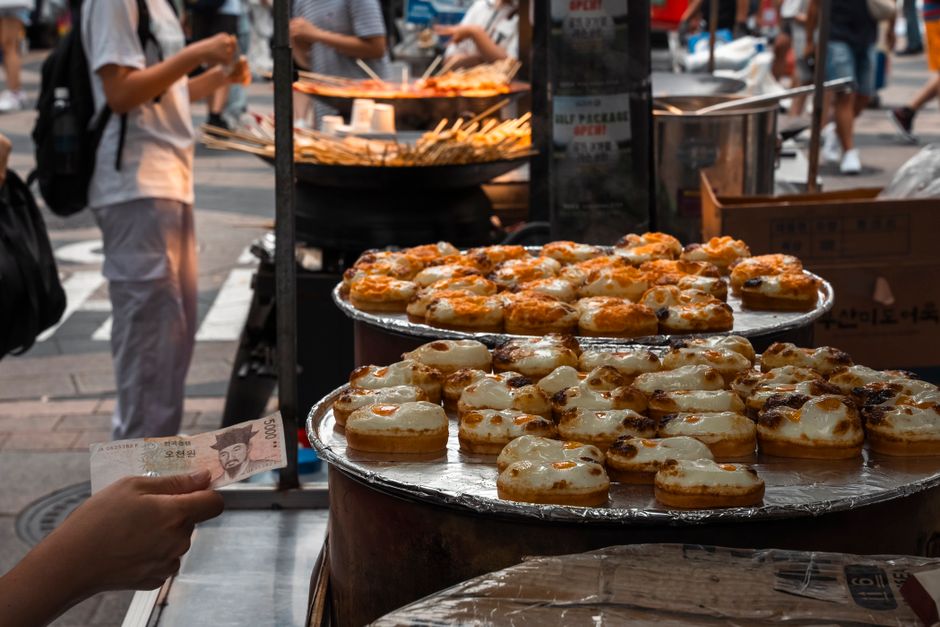
Hey fellow travelers—if you’re craving street food in Seoul but don’t know where to wander first, I’ve got you.
Below are 6 neighborhoods ranked for walkability, late-night food options, transit convenience, and the vibe you’ll feel once the lights come on—so you can eat well on your first trip without accidentally ending up in the “tourist-only” zone.
Quick ranking at a glance (how I’m scoring)
I’m ranking these spots based on:
- Walkability: can you roam on foot without constant detours?
- Late-night street food: do you still have good options after dinner?
- Transit convenience: is it easy to reach from wherever you’re staying?
- Night vibe: lively enough to feel like Seoul, not just “shops and silence.”
1) Myeongdong — the no-stress street-food starter
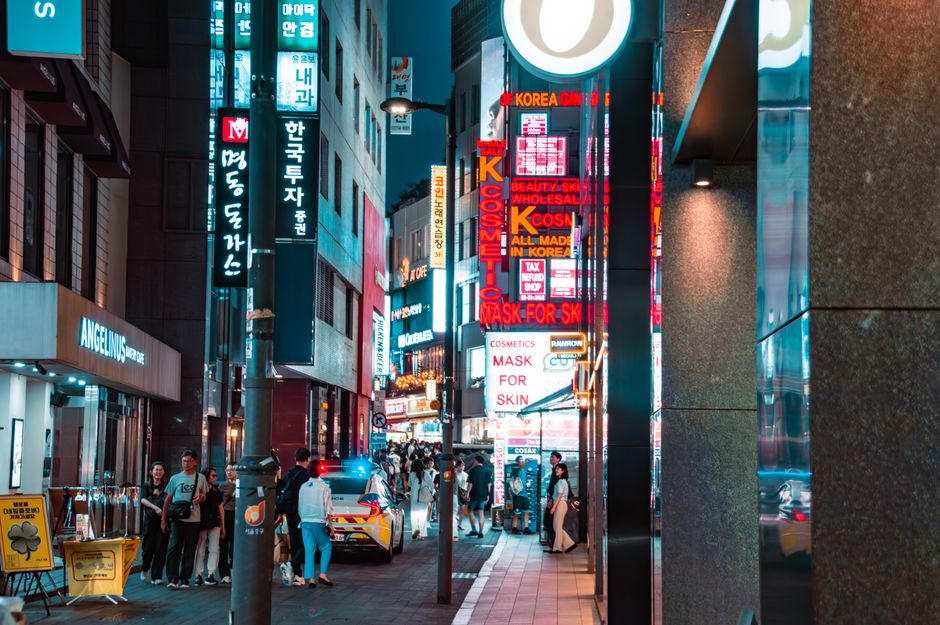
Why it’s so walkable (even when you’re tired)
Myeongdong is compact. Once you’re near Myeongdong Station (Line 4), you can basically stumble from one cluster of food to the next.
What makes it beginner-friendly:
- Dense layout: streets are lined with snacks within a short walk
- You’ll never be “far from something” to eat
- Lots of English-friendly signage in the main shopping lanes
Trade-off:
- It’s very touristy, so you’ll want to choose stalls carefully instead of grabbing the first thing you see.
Street-food hits to hunt down
When people say “Seoul street food,” Myeongdong is where you can sample a lot of it in one go.
Look for:
- Hotteok (sweet syrupy pancakes)—especially when it’s cool out
- Tteokbokki (spicy rice cakes)—you’ll see many variations
- Twigim (Korean fried snacks) like battered vegetables or seafood
- Eomuk (fish cake skewers)—easy to snack while walking
- Korean corn dogs / battered street snacks if you want something filling
My practical approach: pick one warm savory (like tteokbokki or fish cake) + one sweet (hotteok or a fried dessert) so you don’t overload too fast.
Night vibe and how long the buzz lasts
At night, Myeongdong feels like a constant flow of people—shopping crowds, groups meeting up, and late-evening snack runs.
Expect:
- Loud energy on the main lanes
- Short walks between food options
- Lots of stalls still operating through the early evening (and beyond, depending on the day)
If you’re sensitive to crowds:
- Stick to slightly side streets a block or two away from the busiest shopping corridors.
2) Hongdae — late-night snacks and big student energy

Wanderable side streets near Hongik Univ.
The area centers around Hongik University Station (Line 2), and it’s built for walking between venues, cafés, and food.
Why it works at night:
- Many small blocks with different options—less “one huge strip”
- Street-level activity tends to last longer than you’d expect
- It’s easy to hop between food and nightlife without a big commute
Trade-off:
- If there’s a big event, parts of Hongdae can get packed.
What to eat after dark
Hongdae street food is typically snack-heavy—good for tasting multiple things.
Common finds:
- Tteokbokki (often paired with cheese or different spice levels)
- Fried chicken / fried seafood snacks
- Skewers and grilled bite-sized foods
- Dessert-style street snacks (buns, pancakes, sweet fries)
- Kimbap and quick bowls if you want something calmer
My tip: if you see a line, don’t automatically avoid it—but scan the crowd:
- If the line is full of locals and the menu looks simple, it’s usually a good sign.
- If it’s mostly for show and there’s no steady flow of locals, it may be “good-looking, mediocre”.
Good for first-timers who like crowds (and how to avoid the worst queues)
To keep Hongdae fun (instead of frustrating):
- Start earlier than you think—before the peak crush
- Do a “two-stop” plan: one snack + one heavier bite, then roam
- If a line is too long, move 1–2 streets over—Hongdae has redundancy
Vibe check: expect music, groups, and lots of people-watching.
3) Jongno & Gwangjang Market — classic Seoul flavors

Market core + nearby lanes
Jongno is a transit hub, so you can reach it easily from most places. Look around Jongno 3-ga (Lines 1/3) and the broader Jongno/Insadong area.
What you’ll like:
- A real market atmosphere, not just a “food street” theme
- Multiple decades of local food culture in one area
- Easy to combine street food + sightseeing (you can walk to famous spots)
Trade-off:
- Some market aisles are narrow—walk slowly and plan for shoulder-to-shoulder moments.
Street-food classics (my go-to order)
If you’re doing this for the first time, don’t overthink it—pick a few classics and commit.
Try:
- Bindaetteok (mung bean pancake) if you want something savory and filling
- Mayak gimbap (small “craving” rolls) for a snacky bite
- Tteokbokki or eomuk for comforting street warmth
- Mandu (dumplings)—great if you want “proper food,” not just snacks
Quick pairing idea:
- Start with a pancake or dumpling, then add one small snack you can eat while walking.
How it feels at night vs daytime
Daytime here is about the market buzz and sightseeing crowds. At night, it shifts slightly toward eating and lingering.
What’s realistic:
- You’ll still find food options, but the experience can feel more “meal-focused” than “party-night snack street.”
If you want late-night energy:
- Keep Jongno as your food-and-flavor anchor, then consider finishing the night in a more nightlife-heavy neighborhood nearby.
4) Ikseon-dong — compact alleys with a retro-food twist

A stroll you can do on purpose (not by accident)
Ikseon-dong is centered around a set of charming streets and alleys near Anguk (Line 3) and nearby Jongno stations.
Why it’s great for first-timers:
- Short walking loops: you can keep it contained
- Less overwhelming than bigger food districts
- Lots of spots clustered so you don’t waste time crossing the city
Trade-off:
- Some streets skew toward cafés and themed eats—so you’ll want to look for the more snack-stall style options.
Bites worth sampling
Ikseon-dong is perfect for “walk-and-munch” food.
Look for:
- Street sweets (pancake-style snacks, small desserts)
- Hotteok and seasonal warm snacks
- Skewers and small savory bites
- Quick noodles or dumplings if you need a warmer meal
My practical rule: when the area turns into “sit-down only,” step one alley over—Ikseon-dong often rewards small detours.
Where to stop when you want something less hectic
If you get tired of crowds, Ikseon-dong is a nice reset.
Good for you if:
- You’re traveling with someone who doesn’t want nonstop chaos
- You want a calmer night stroll
- You like cozy alleys and smaller crowds
Vibe at night: cozy, warm, and more “wandering” than “hunting.”
5) Dongdaemun — when you want food late and shopping nearby
Dongdaemun is a classic for night owls. It’s one of those areas where you can combine street food with the “Seoul at night” feel—especially if you like fast-moving energy.
Why it stays alive after dinner
Dongdaemun sits around major transit and commercial zones, including Dongdaemun History & Culture Park (Lines 2/4).
Why it works for late-night street food:
- The district is active even when other places slow down
- You’ll find plenty of people out (shopping, eating, walking)
- Lots of options clustered near the main hubs
Trade-off:
- It can feel tourist-heavy in parts—so pace yourself and choose what actually looks good.
Street eats around the fashion hub
Dongdaemun street food is often filling and cravings-driven—perfect for a night mission.
Try:
- Tteokbokki (common, and often available from multiple stalls)
- Grilled skewers and bite-sized grilled seafood/meat
- Fried snacks (savory twigs, battered bites)
- Hot soups or noodle-style street meals when it’s chilly
- Sweet snacks if you want a dessert finish
My favorite strategy here:
- Eat one warm savory first, then do one quick snack while you keep walking.
Mind the tourist traps and cash rhythm
A few things to keep it smooth:
- If a stall looks new and “too polished,” check reviews in your head by looking at how many locals are ordering.
- Keep your payment method ready—markets and stalls can vary. (I always prefer having small cash on hand as backup, just in case.)
Vibe at night: energetic, crowded in bursts, and very “Seoul nightlife adjacent.”
6) Itaewon — multicultural street food with a lively nightlife edge
Itaewon is where Seoul feels international, and that shows in what you’ll find. It’s a great pick if you want street-food-style eating plus nightlife without feeling like you’re in a purely tourist corridor.
Walkable blocks around the main drag
Itaewon is easy to reach via Itaewon Station (Line 6). From there, you’re in the middle of the action.
Why it’s convenient:
- A straightforward transit drop-off
- Plenty of restaurants and snack options within walkable distances
- Easy to hop between “street snack” and “sit-down but casual” meals
Trade-off:
- Some options cater more to the bar scene, so you’ll want to be picky about what’s truly street-food style.
Street-food style snacks (and what to skip)
Itaewon isn’t always “classic Korean street market” energy, but you’ll still find plenty of cravings-friendly eats.
Look for:
- Skewers and grilled street-style bites
- Fried snacks and comforting quick meals
- Korean classics like dumplings or fried rice-style snacks (depending on where you land)
- If you’re in the mood, you’ll also see multicultural snack options near the main streets
What I’d skip:
- Places where the menu is super wide but the food looks identical to what you can get anywhere else.
- Overly aggressive “come in now” tactics—walk one block and you’ll usually find a better option.
Night vibe: bars, skewers, and people-watching
At night, Itaewon feels social—groups out, bars in full motion, and a steady flow of people.
Good for you if:
- You want street-food vibes plus nightlife
- You like variety (not just one type of snack)
- You’re traveling with friends who want a mix of eating and exploring
Final thoughts: how to choose your first street-food night
You don’t need to “do everything.” Seoul street food is best when you pick a neighborhood, commit to a few bites, and keep moving.
My simple game plan (one neighborhood, two hours)
Here’s a practical way to do it without getting overwhelmed:
- Pick one neighborhood from the list (start with Myeongdong or Hongdae if it’s your first night)
- Choose 2–3 snack stops max
- One warm item first, then a sweet or quick bite
- Keep your route inside a few adjacent streets so you’re not constantly crossing wider roads
Little tips that make queues and bills easier
A few habits I rely on every time:
- Go slightly off the main lane if it’s too crowded—Seoul rewards tiny detours
- If you’re unsure what something is, follow the simple rule: look at what locals keep ordering
- Ask for spice level if you’re buying something spicy (many places will adjust)
- Keep your pace: don’t try to eat 10 things in one hour—you’ll slow down and miss the best stuff
So where should you start?
If you want the safest first move:
- Myeongdong for easiest access + huge variety
If you want the most “alive” night vibe: - Hongdae or Dongdaemun
If you want something more traditional and food-focused: - Jongno & Gwangjang Market
Either way, take it slow, follow the crowds for the right reasons, and let your stomach guide the rest.
If you tell me where you’re staying (and whether you prefer spicy or mild), I can suggest a tight street-food route for your exact first night.