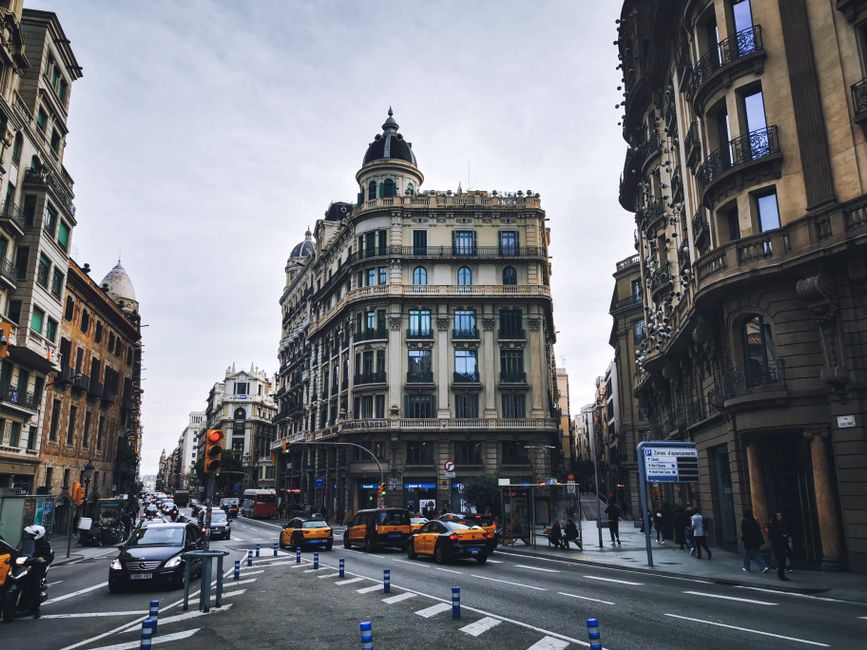
Hey fellow travelers—Barcelona is at its best when you plan your days around Gaudí, not the beach.
I’ll walk you through the best neighborhoods to stay in, ranked by how easily you can reach Sagrada Família, Casa Batlló, La Pedrera, Park Güell, and more on foot (plus where to book if you want fewer “main-entrance” crowds).
1) Eixample (especially around Passeig de Gràcia & Sagrada Família)
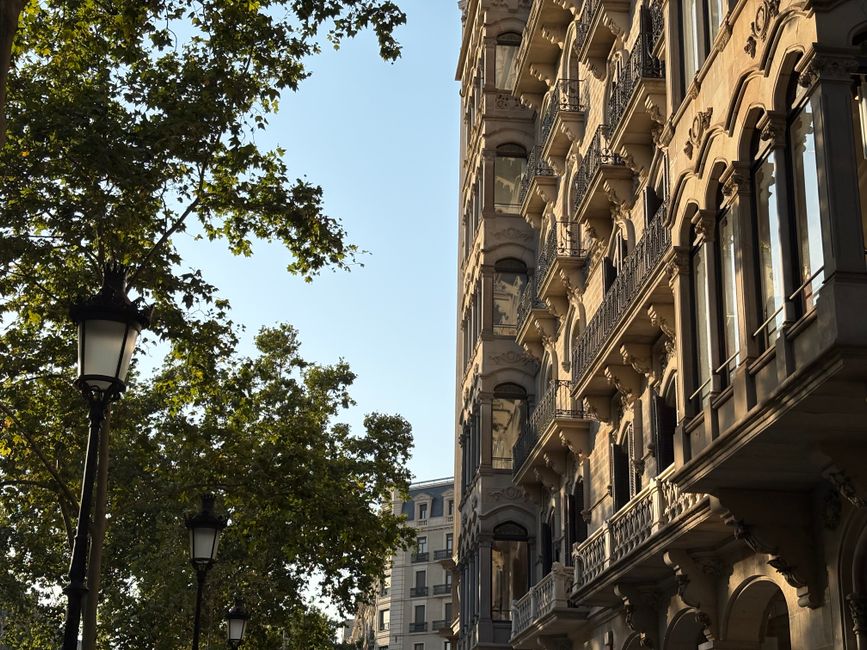
What you’ll love for Gaudí walks
- Sagrada Família side: it’s a straightforward walk to the basilica area, and you can pair it with nearby modernist streets without backtracking.
- Passeig de Gràcia side: from here, Casa Batlló and La Pedrera are the kind of sights you can do with minimal commuting.
- Easy stroll logic: you can string together multiple Gaudí stops on foot because the neighborhood is designed for moving around.
Where to look (and what to avoid)
Look for streets that are:
- A few blocks off the headline avenues (you’ll still be close, but the street-life and noise often feel more “local”).
- Between Gaudí anchors—think “close enough to walk, not so close you’re living in a queue.”
Try to avoid:
- Staying directly on/around the biggest sight-adjacent streets if you’re sensitive to crowds—Eixample can feel busy even when it’s not “tour-group busy.”
Queue reality check + getting around without losing the day
Even in the best neighborhood, Gaudí’s most famous entrances can be crowded. The game is staying in a place where you can:
- Start your walking loop early (before the big wave hits).
- Take a short metro hop when you’re tired, instead of turning your day into a marathon of detours.
2) Gràcia (the “best evening stroll” pick)
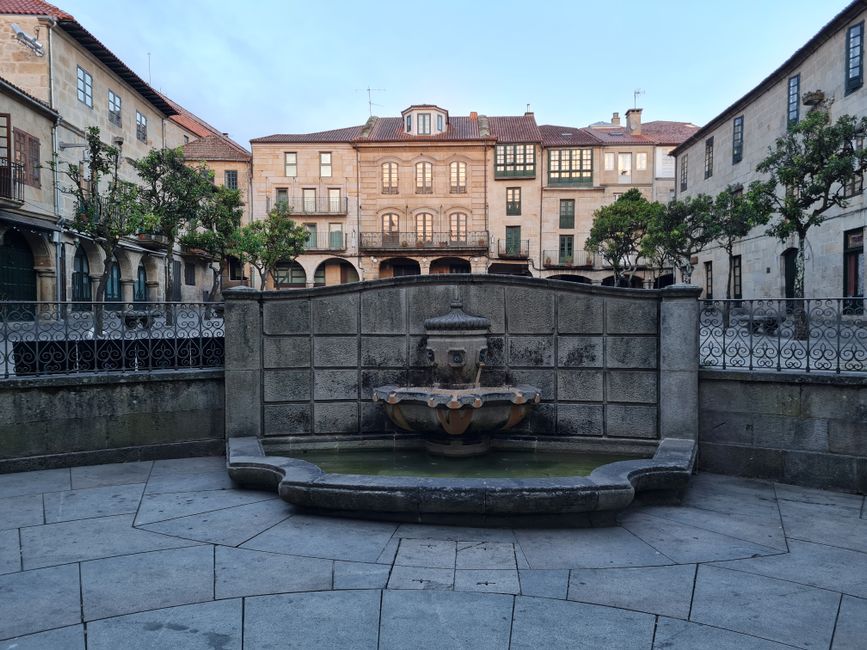
What you’ll love for Gaudí walks
- Park Güell access feels easier: you’re positioned to reach the Park Güell area with a real neighborhood walk rather than a strictly sightseeing route.
- Casa Vicens is within reach: this is one of those places where being nearby saves time and keeps your day flexible.
- Best for slow travel: you can do Gaudí in the day and still have energy to wander streets after.
Where to look (for walkability without the loudest blocks)
Look for pockets around:
- Squares and side streets that keep you close to the action, but not on the busiest “front-row” streets.
- Higher ground / slightly quieter streets if you want to avoid the constant foot traffic.
Avoid if you want calm:
- The most central bar-heavy streets on weekend nights. You’ll still hear life—but you might not get the sleep you expect.
Transit access (when you want to “save your legs”)
Gràcia is well-connected. Use transit for:
- Linking to Eixample for Passeig de Gràcia Gaudí without committing to a long uphill/downhill walk.
- Going back after dark if you don’t want to retrace the same streets.
3) Sant Antoni (great balance: local feel + easy Gaudí links)

What you’ll love for Gaudí walks
- A practical base for daytime sightseeing: you’re close enough to Gaudí highlights that walking is realistic for at least part of each day.
- City-walking energy: good for long lunch-to-dinner strolls where you’re not constantly crossing back and forth to find your next stop.
- Easy evening plans: you’re likely to find something without needing to plan a “major attraction visit” every night.
Where to look on the map
Look for:
- Side streets just off the main arteries (you’ll often get quieter rooms while staying within easy walking distance).
- Blocks that let you reach either Eixample or the city centre quickly.
Avoid:
- Staying right on the busiest “always-on” corridors if you’re a light sleeper.
Queue-friendly approach
My trick here: treat the big-ticket Gaudí stops like set pieces and everything else like bonus wandering.
- Do one big Gaudí sight early.
- Fill the rest of the day with neighborhood streets + smaller stops (this is where Sant Antoni shines).
4) Sant Gervasi–Galvany (for a calmer Gaudí-adjacent stay)

What you’ll love for Gaudí walks
- Bellesguard-area proximity: you’ll be better placed for the Gaudí sights that aren’t right inside the busiest central corridors.
- A softer pace: mornings feel easier here, which matters when you’re doing sightseeing on foot.
- Good for a day plan that includes a break: you can head back, refresh, and go again without the “we’re too far” stress.
Where to look (practical guidance)
Look for:
- Neighborhood pockets near major transit access so you’re not forced into long transfers.
- Side streets that keep you within an easy walking radius, especially if you like to start early.
Be aware of trade-offs:
- It’s not as “grid-perfect” as Eixample for pure walking flow, and you’ll feel the city’s hills more.
Transit access
Use transit strategically for:
- Passeig de Gràcia / Sagrada Família days when you want the walking experience without overdoing the distance.
- Avoiding the most crowded arrival funnels by arriving slightly off-peak.
5) El Born & Barri Gòtic (best for walking culture—Gaudí by transit)
This is the “walk Barcelona’s history” pick. You’ll get cobblestones, atmosphere, and great wandering—but Gaudí landmarks are usually a short commute, not always an easy walk.
What you’ll love for walking the city (non-beach edition)
- Old-city wandering is genuinely rewarding: you can spend hours just moving block to block.
- Food and late evenings: this area stays lively, which is awesome if you like the city after dark.
- Easy to pair with Gaudí on your schedule: think “walk the old city, then hop out to Gaudí.”
Where to look (crowd control for your sanity)
Look for:
- Stays slightly away from the most obvious tourist lanes (it’s the difference between “atmosphere” and “constant foot traffic”).
- Apartments on quieter streets where you don’t wake up to every night-owl.
Queue-friendly plan
If you’re using El Born/Gòtic as your base:
- Do Gaudí with timed entry logic and early starts when possible.
- Let the old city be your “between-sights” walking zone instead of forcing everything into one giant day.
6) Sants–Hostafrancs (best for logistics + calm nights)
This is a practical option: you get a strong base for movement around the city and usually better chances at quieter nights than the most central tourist cores.
What you’ll love for walking the city
- Less “sight-beacon pressure”: you’re not constantly near the peak attractions.
- Good city access: it’s easier to get where you’re going without burning hours.
- Solid for day trips or fast back-and-forth days.
Where to look
Look for:
- Closer to transit connections so you can reach Eixample or Gràcia without long commutes.
- Lodgings a few streets off the station areas if you want calmer evenings.
Trade-offs (tell it like it is)
- You’ll probably walk less directly between every Gaudí stop compared to Eixample or Gràcia.
- But if you’re walking the city for the experience (markets, streets, neighborhoods), Sants can be a great “support base.”
7) Poblenou (for long walks + modern Barcelona vibes)
Poblenou is a bit of a different choice: not the closest to Gaudí’s main entrances, but excellent if you want a different side of Barcelona and still be able to reach Gaudí with transit.
What you’ll love for walking the city
- Wide, long-walk routes feel natural here—less “maze-to-maze” and more “keep moving.”
- Modern neighborhood energy: it’s not all historic and tourist-heavy.
- A nice day reset: do your Gaudí visits, then come back for calmer strolls.
Where to look (and what to expect)
Look for:
- Streets that keep you close to transit so the Gaudí commute isn’t a daily burden.
- Areas that are walkable for daily essentials (so you’re not always planning trips).
Queue strategy
If Poblenou is your base, your goal is simple:
- Plan Gaudí as “one route, one day”.
- Use transit for the connections and keep your walking for the parts you enjoy most.
Quick note on where to book (so you’re not living in queues)
When I’m choosing between similar-looking apartments, I usually prioritize street position over the star-rating: a room 6–10 blocks away from the obvious foot-traffic routes can feel dramatically calmer. Booking.com is the site I often use to compare those micro-locations quickly.
Final thoughts
If you’re walking Barcelona (not beaches), your best move is matching the neighborhood to the kind of day you want:
- Eixample for maximum Gaudí walkability,
- Gràcia for that “city stroll + Gaudí access” balance,
- Sant Antoni for a local-feeling middle ground,
- Sant Gervasi–Galvany for quieter, more relaxed evenings,
- El Born/Gòtic for atmosphere (with Gaudí via transit),
- Sants–Hostafrancs for calm logistics,
- Poblenou for long, modern-feeling walks.
Pick the one that matches your preferred pace, and your Barcelona days will feel effortless instead of exhausting.