Hey fellow travelers—Reykjavik is amazing, but picking the right day tour can turn into a mini nightmare.
This guide walks you through the best small-group trips for the Golden Circle and beyond, exactly what to book first, and why group size changes everything in Iceland.
How I pick small-group tours from Reykjavik (and why group size matters)

If you’re doing Iceland in a short window, the day tours aren’t “extras”—they’re the backbone of your trip. And with Golden Circle-style routes, the difference between an “okay” and an “incredible” day is often just: how long you wait and how rushed you feel.
What “small-group” usually means in Iceland
You’ll see lots of labels—“small group,” “group of up to…,” “minibus,” “cozy,” etc. In practice, I treat these as tiers:
- 8–12 people (my sweet spot): still sociable, but you can breathe at each stop.
- 13–18 people: workable, but expect tighter timing and more shuffling.
- 19–25+ people: you’ll spend more time queuing than exploring—especially around the popular photo spots.
Trade-off check: smaller groups often cost a bit more, but they usually buy you time back.
Why group size affects the real experience
On paper, tours look similar. In reality, group size affects:
- Walking speed: large groups move like a slow conveyor belt.
- Photo reality: you get fewer “windows” when the crowd thins out.
- Weather flexibility: small groups can pivot faster if roads close or conditions change.
- Toilets + timing: yes, that matters in Iceland. When everyone’s juggling limited facilities, bigger groups start to feel like a school trip.
And here’s the one thing I wish someone told me earlier: you don’t notice “cost difference” mid-day—you notice it when you’re still waiting for the bus while your better half is doing the Icelandic stare of disappointment.
The “book smarter” checklist before you pay
Before you commit, I scan the listing for details that actually predict a good day:
- Max group size (not just “small”).
- Pickup format: is it central pickup points or a lot of scattered hotel stops?
- Duration and drive time transparency: the long-route tours should say how many hours you’re in the vehicle.
- Stop count + stop style: “quick photo stops” can feel like sightseeing by slideshow.
- What’s included: gear for glacier/ice activities, and whether you’re paying extra for entry fees/thermal areas.
- Cancellations/reschedules: especially in winter, you want to know the policy upfront.
If you want an easy way to compare departure times and pickup coverage across multiple operators, I sometimes cross-check options via Viator.
Book these Golden Circle stops as a priority

If you’re trying to do the Golden Circle without feeling like you’re trapped in a hurry-up-and-wait itinerary, your biggest win is choosing the right starting point.
Golden Circle days are popular for a reason—volcano history, geysers, and waterfalls in one loop. But popularity also means crowds, especially around late starts.
Golden Circle essentials you’ll see on most “classic” tours
I’m not exaggerating when I say these are the three stops your photos will build around.
- Þingvellir National Park
- Geysir Geothermal Area
- Gullfoss Waterfall
Trade-off: you can absolutely see these by joining almost any tour… but “any tour” is where you risk getting the least scenic timing.
What a good day looks like (timing, not just landmarks)
A quality small-group Golden Circle tour usually nails:
- An early departure (so you get better light and fewer people).
- Real time at each stop (not just “look, click, next”).
- Guide explanations (so you understand what you’re seeing instead of just walking between viewpoints).
- Weather-aware pacing (roads and visibility can change fast).
I’ve done the Golden Circle with both small and bigger groups, and the smaller one felt calmer—like the guide could actually slow down when the conditions were worth it.
Where crowds hit hardest—and how small groups help
The painful truth: some stops are just magnets.
- Popular waterfalls: crowds cluster at the best angles.
- Geothermal areas: people linger, and tours pile up.
- Scenic viewpoints: everyone tries to stand in the same spot.
A small group helps because you’re more likely to:
- Arrive before the main crush,
- Get a second look when you notice a better angle,
- And not feel like you’ve got to sprint to keep the group together.
Day trip lineup: the stops worth paying for
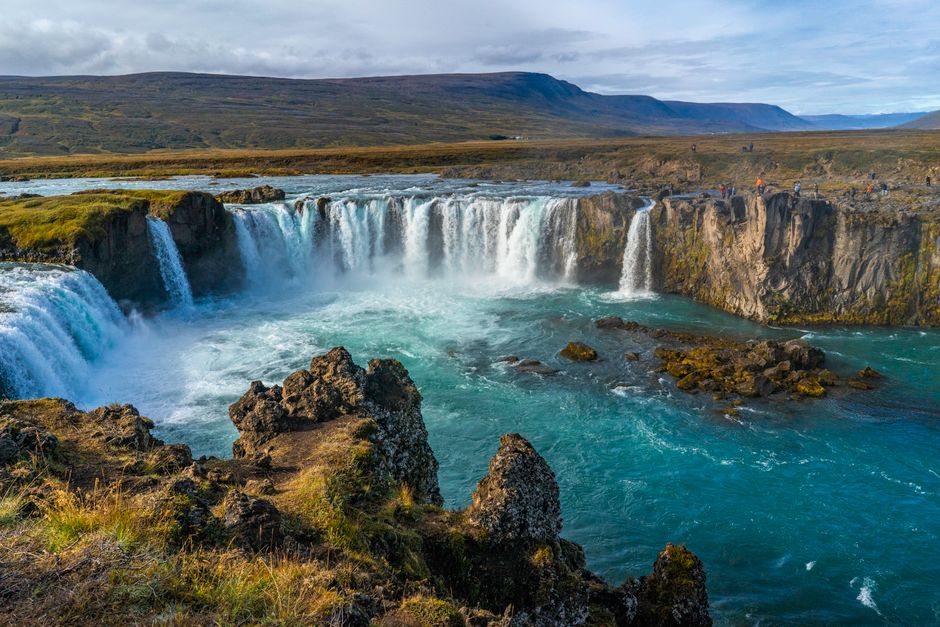
If you’re starting in Reykjavik and want that “I did Iceland properly” feeling, here’s my curated lineup. These are the destinations that consistently deliver—especially when you choose a small-group style.
Golden Circle classics (simple, high payoff)
These are the core trio—great even if you’re short on time.
- Þingvellir National Park
- Geysir Geothermal Area
- Gullfoss Waterfall
My practical advice: if you can only do one “big route,” make it this—and do it early.
South Coast big hitters (waterfalls + coastal drama)
If you want scenery that feels wilder than the Golden Circle, this is where the landscape ramps up.
- Seljalandsfoss Waterfall
- Skógafoss Waterfall
Why small-group matters here: coastal winds and visibility can change quickly, and crowds move in waves. With fewer people, you’re less likely to feel trapped in the middle of a photo queue.
Glacier day with ice-cave vibes (when conditions cooperate)
Winter ice caves are a whole different kind of magic. Even outside peak winter, glacier areas can still be stunning—but expect logistics to be more condition-driven.
- Sólheimajökull Glacier
Trade-off: these days can involve more walking and cold-weather gear. They’re not the best pick if you’re tired, jet-lagged, or expecting a super relaxed pace.
Reykjanes for “beyond Reykjavik” geology
If you want volcanic, otherworldly landscapes without a multi-day commitment, Reykjanes is a strong move.
- Reykjanes Peninsula
This is also a great option if you want to spread your risk: if weather hits the Golden Circle hard, you can still often make progress on the peninsula route.
Jökulsárlón and Diamond Beach (the long-day payoff)
This is the “go big or go home” category. It’s a long drive, and it’s not for everyone—but the scenery is the kind of stuff you remember.
- Jökulsárlón Glacier Lagoon
- Diamond Beach
Important reality check: this is one of the days where group size matters because you’ll feel every delay. If you’re booking this, prioritize a tour that’s honest about timing and includes clear reschedule terms.
What to book first: a simple order that works

You don’t have to overthink Iceland, but you do need a plan. The safest approach is to book first the day trips most affected by weather, road conditions, and seasonal light.
If it’s your first time (and you only have 1–2 days)
If your schedule is tight, here’s the order I’d follow:
- Golden Circle day trip first
- Then choose either South Coast OR glacier/ice-cave style, depending on season
Why this order?
- The Golden Circle is the most “repeatable” in terms of overall success.
- South Coast and glacier experiences are more weather-sensitive.
If you’re the type who hates rushing: consider doing one big scenic day and keeping the next day lighter (even if you still have tour options available).
If you have 3–4 days and want variety
This is the sweet spot where you can actually feel like you’re not just checking boxes.
- Day 1: Golden Circle (early departure)
- Day 2: South Coast waterfalls
- Day 3: Glacier/ice-cave style or Reykjanes, depending on the season and your energy
- Day 4 (optional if time allows): Jökulsárlón + Diamond Beach (long day)
Trade-off note: the more you pack, the more you’ll miss “Iceland time”—the slow moments when you’d normally just stop and stare at something strange and beautiful.
If weather is likely to mess with you
In Iceland, it’s not paranoia—it’s planning.
Book with an order that keeps your trip resilient:
- Start with the trip that locks in your core route (Golden Circle).
- Put your most flexible/weather-sensitive choice next (glacier/ice cave or long-distance days).
- Leave your “if everything goes right” option last (like the farthest long day).
And always check whether your operator offers rescheduling options rather than “refund only” policies.
Season cheat sheet: when tours feel best (and when they feel worst)
Your day trip experience changes massively with the seasons—light, crowd levels, and road conditions all shift.
Summer (June–August): long days, higher prices, bigger crowds
In summer, the trade-off is pretty clear:
- Pros: more daylight, easier road conditions, longer sightseeing windows.
- Cons: you’ll share viewpoints with more people, and tours can feel more rushed.
What I’d do: book your most popular stops early in the day and pick a tour with a genuinely small max group.
Shoulder season (May + September): best balance for most people
This is where I think many travelers land on their “Iceland was perfect” story.
- Pros: fewer crowds than peak summer, still reasonable conditions.
- Cons: weather can swing—bring layers and expect some changes.
If you’re booking small groups, shoulder season is a sweet spot for the best mix of comfort and atmosphere.
Winter (Nov–Mar): the magic is real, but be realistic
Winter tours can be unforgettable. But the schedule can be different from what you imagined.
- Pros: dramatic landscapes, possible snow/ice conditions, best chance for ice-cave-style experiences.
- Cons: shorter daylight, colder temperatures, and more frequent weather/road impacts.
My honest advice: if you book winter glacier/ice-cave tours, commit to dressing properly and keep buffer time around your day.
How to choose the right small-group tour style (so you don’t regret it later)
You’re not only buying a destination—you’re buying a pacing style. This is where the “small-group” label becomes real.
Group size + vehicle reality
When a listing says “small group,” I verify:
- The max group size (not just the word “small”).
- Whether it’s a minibus with comfortable seating or a tighter van arrangement.
- Whether the driver/guide role suggests more care or more logistics juggling.
Rule of thumb: if you’re squeezed shoulder-to-shoulder on the listing photos, you’ll likely feel it by the second hour.
Route style: loops, stop order, and one-way vs out-and-back
Small-group tours do better when the route is smart, not just “possible.” Look for:
- Efficient stop order that doesn’t crisscross the same traffic.
- Balanced time at each stop (not just a “drive-by” collection of viewpoints).
- Clear return timing so you don’t get stuck in an awkward late-night arrival.
On longer days, route clarity is everything because you’ll feel every detour.
Inclusions that actually matter (gear, access, and comfort)
Here’s what I prioritize on listings—because these are the things you can’t easily “DIY” once you’re out there.
- Gear for cold/wet activities (especially glacier/ice experiences).
- Warm, dry clothing options if provided (or a clear statement that you need to bring your own).
- Restroom and snack planning transparency.
- How guides manage safety (briefings, pace, and group regrouping).
Trade-off: tours that include everything are easier, but sometimes cost more. If you’re the kind of person who hates improvising, paying extra for proper inclusions can be worth it.
Final thoughts: pick the day that matches your energy
The best Reykjavik day trip isn’t the one with the longest list of stops—it’s the one where you still feel present when you’re standing in front of the scenery.
Your quick booking checklist
Before you click confirm, make sure you’ve got:
- A small-group max size you can live with
- A route that matches your energy and time
- A clear idea of how long you’ll be in the vehicle
- A plan for weather changes (especially in winter)
Go small, go flexible
If you remember one thing, remember this: in Iceland, conditions shift and crowds surge. Choosing a genuinely small-group style is one of the easiest ways to keep the day feeling smooth.
Book your Golden Circle first, then build outward—South Coast for drama, glacier/ice-cave experiences for wow-factor, and Reykjanes or the long Jökulsárlón day when you’re ready to go beyond.
Hope you get an unreal set of days out there—tell me what time of year you’re going, and I’ll help you choose which one to prioritize.


