Hey there travel enthusiasts and welcome to my post where we will check out my 7 ways to skip the queues at Rome’s biggest sights this year.
Rome is famous for long lines… but you don’t have to stand there forever. The trick is knowing:
- what timed entry actually saves you (and what it doesn’t)
- which attractions regularly sell out during peak season
- which queues are basically non-skippable because it’s security, capacity, or basic entry flow
- when a tourist pass is not worth it vs just buying the right ticket
Below are my 7 go-to “queue-busting” strategies, plus the practical booking advice for the biggest sights themselves.
1) Start with the rule: timed entry beats everything (but read the fine print)

A quick reality check: you generally can’t “skip” all lines in Rome. What you can do is skip the unstructured queue and replace it with a booked time slot.
What timed entry saves you (in plain English)
Timed tickets usually help with one big thing: the moment you arrive.
- You arrive at your slot instead of camping at opening
- You’re funneled into a faster lane (often shorter than walk-up lines)
- You avoid “sold out for today” moments for quota-limited entry
But don’t expect a literal bypass of checks. Even with timed entry, you’ll still hit things like:
- bag/security screening
- ID/ticket verification
- crowd flow through the site
What actually sells out first
If you’re trying to skip queues, this matters a lot.
In my experience, these tend to sell out faster in busy seasons:
- Borghese Gallery (smaller capacity; slots can disappear)
- Vatican Museums / Sistine Chapel (very high demand; time windows go)
- Colosseum special entry times (some combinations and add-ons can be the first to go)
Other sights can still have long lines, but they’re often easier to get tickets for even if you’re late.
Passes vs single tickets: when the math doesn’t work
City “all-in-one” passes can be tempting—until you realize:
- they don’t always include reserved time slots
- you still have to queue for security and timed entry windows
- some sights have “mandatory reservation” rules even if the pass gives you access
My honest take: if you care about skipping queues, don’t buy a pass just hoping it will magically solve your timing. Usually, buy the timed ticket for the one or two sights that truly sell out and treat everything else as flexible.
How I actually book (without overcomplicating it)
If you want a straightforward way to grab timed entries for certain top sights, I often use Tiqets—mainly because it makes it easy to compare options and times in one place. It’s not magic, but it removes a lot of friction when official booking pages are a hassle.
2) Colosseum + Roman Forum & Palatine Hill: book smart and stop arriving “late-waiting”
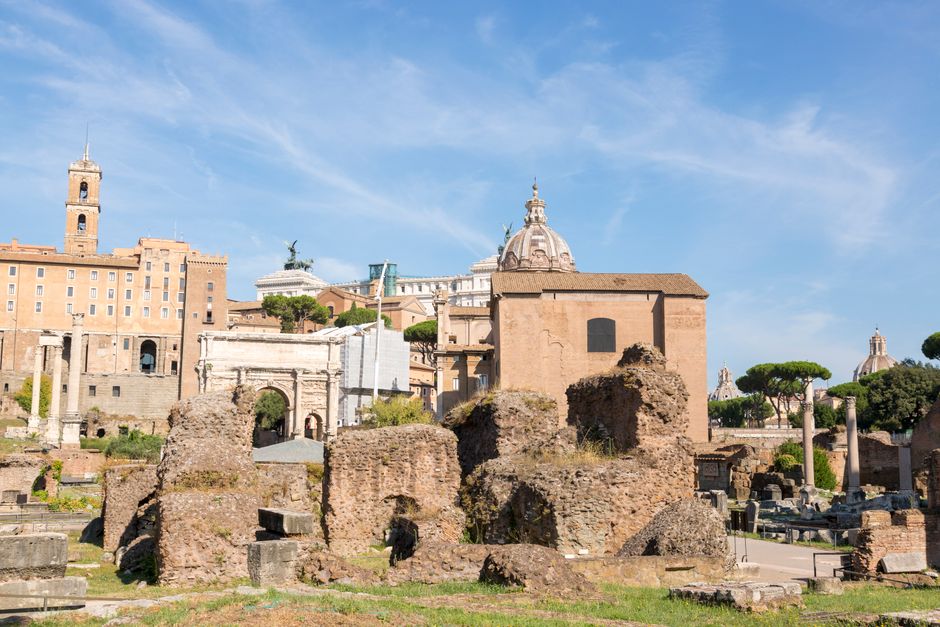
These two are the classic Rome combo, and they’re also the most annoying when you arrive with the wrong plan.
Colosseum: the queue you can reduce fast
For the Colosseum, your goal is simple: arrive with a timed entry ticket.
Here’s what tends to help most:
- Choose an earlier slot if you’re trying to avoid peak crowd crush
- Pick a ticket type that matches your route (some routes reduce internal waiting)
- Don’t assume “tomorrow morning” is guaranteed—popular entry windows can go
What you still can’t fully skip:
- security screening
- the check-in and entry flow
- congestion once you’re inside (it’s the Colosseum—people are going to be people)
Roman Forum & Palatine Hill: avoid the “we’ll just wander in” trap
The Forum and Palatine are often worse than you expect because it’s more of a flow situation.
To keep your time efficient:
- book entry that matches your Colosseum timing (or at least the same day)
- plan a clockwise/straight-line route so you’re not backtracking
- expect crowds near the most photographed spots even with a reservation
Honest trade-off: even with timed entry, the Forum can feel slow if you stop for photos every 30 seconds (and… in Rome, you will).
Quick “queue-skip” plan that works
If you want a practical one-day approach:
- Morning: Colosseum timed entry
- Immediately after: Forum + Palatine access
- Midday: something indoor or less “camera-famous” nearby (so you’re not fighting the heat + crowds)
3) Vatican Museums + Sistine Chapel, and St Peter’s Basilica: where queues are real—and where they’re inevitable

Rome’s biggest line drama is here.
The good news: Vatican timed entry can dramatically improve your experience. The bad news: security and crowd flow aren’t optional.
Vatican Museums & Sistine Chapel: timed entry is non-negotiable
If you only do one “skip-queue” move in Rome, make it for the Vatican Museums.
How to make it work:
- Book ahead for a real time slot
- Be realistic about what you’ll get: even with reservations, it’s busy
- Don’t wait for “walk-up” if you want certainty—slots can disappear
What sells out (common pattern):
- popular time windows during peak season
- some combinations of museum entry + guided timing
What you can’t avoid entirely:
- security checks
- the fact that you enter into a huge museum at a specific bottleneck moment
St Peter’s Basilica: you can’t bypass security, even with the right ticket
St Peter’s Basilica is one of the most visited places on Earth, and the entry process is built around mass crowds.
What’s unavoidable:
- security screening
- line-ups for entry (especially at busy times)
- the slow shuffle as people funnel inside
What can still help:
- go at less crowded times
- use timed/organized options if they’re available for areas you care about
Important distinction: “skipping” the queue is not the same as “skipping the experience.” You’ll still need to be patient once you’re there—just not as much as walk-up crowds.
Dome access and “extra” queues (a common disappointment)
If you’re thinking about dome climbs or extra areas, here’s the trade-off:
- they can involve additional lines for lifts/stairs
- they can also be time-windowed
So ask yourself:
- Do I want the view enough to pay with time?
- Am I already stressed by the Vatican crowds?
Sometimes the best queue move is: don’t add extra bottlenecks.
4) Borghese Gallery and Castel Sant’Angelo: small-capacity sights are where timed slots really pay off
These are the kinds of places where “just show up” often backfires.
Borghese Gallery: slots are limited for a reason
The Borghese Gallery is famous for being a bit more controlled than other major sights.
Queue-skip reality:
- walk-up entry is often not an ideal plan
- timed tickets matter a lot
How to set yourself up:
- book as early as you can once you know your dates
- if you’re flexible, pick a slot that’s less convenient but less packed
What you can’t fully skip:
- the verification/entry flow for your timed slot
- busy gallery corridors once people are inside
Castel Sant’Angelo: timed tickets can reduce the “stuck outside” feeling
This is a big one for views and variety (and it’s generally easier than some of the Vatican chaos).
To reduce queues:
- choose booked entry instead of expecting walk-up
- if you want the best photos, consider arriving when the light is decent (you’ll still be navigating crowds, just smarter)
What’s unavoidable:
- security checks
- crowd pacing as you move through floors and ramped areas
A practical “Rome afternoon” pairing
If you’re trying to stagger your stress:
- Morning: one big indoor timed attraction (or your hardest sell-out sight)
- Afternoon: Castel Sant’Angelo
- Evening: something you can do slowly without strict entry windows
You’ll feel way less rushed.
5) Pantheon and other “no-ticket” giants: you can’t always reserve your way out of the line
This is where a lot of people get disappointed: some sights don’t sell a simple timed ticket that fully protects you from queues.
Pantheon: there’s no “real skip” if the line is security/entry flow
The Pantheon is one of those iconic spots where you’ll often see a line—sometimes short, sometimes not.
Here’s the hard truth:
- you usually can’t pre-book a timed entry that lets you waltz past everyone
- you’ll still need to wait due to entry flow and security rules
So what can you do?
- go at non-peak times (earlier/later tends to be kinder)
- keep your visit tight: don’t plan on lingering for an hour if the crowd is intense
- be patient with the entrance shuffle—this is one of those “you’re going to wait a bit” places
When a pass won’t save you here
City passes are great for access, but queue skipping depends on whether a sight uses:
- timed slots
- reserved entry lanes
- capacity-controlled entry
For places like the Pantheon, you’re often dealing with general entry flow, so passes may get you in eventually—but not necessarily faster.
The “honest booking” checklist for no-ticket sights
Before you get hopeful:
- Ask yourself: Is there a timed ticket?
- If yes: book it.
- If no: manage expectations and go off-peak.
This one mental shift will save you from wasting money and energy.
6) Your Rome queue-skip cheat sheet (what to book first, what to avoid, and how not to get ripped off)
If you want the shortest path to a smoother itinerary, here’s how I’d prioritize.
Book first: the sights that really punish “waiting”
For my 7-big-sights list, I’d treat these as “book ahead” priorities:
- Borghese Gallery (timed slots are the whole point)
- Vatican Museums & Sistine Chapel (high demand; plan your time)
- Colosseum + Roman Forum & Palatine Hill (timed entry helps a lot)
Don’t overspend: when “skip-queue” tours can be overpriced
Tour operators sometimes sell “skip the line” experiences that are only partly true.
Red flags to watch for:
- they don’t clearly mention timed entry
- they oversell “no queues” even though security is still required
- the schedule is so rigid it ruins your ability to enjoy what you paid for
A good rule:
- If your ticket doesn’t clearly include a time slot (or a reserved entry lane), don’t assume you’re bypassing queues—you may just be paying more to wait.
Which queues can’t be skipped at any price
This is the part people hate hearing, but it’s the most useful.
Even when you book everything “right,” you typically cannot fully skip:
- Security screening lines (metal detectors, bag checks)
- Entrance bottlenecks where capacity is managed
- Crowd flow slowdowns inside the most popular rooms/halls
What you can skip is the worst version of the queue: the open-ended line that decides your day.
My “minimum-stress” day structure
Use this as a template:
- Morning: your hardest/most timed attraction
- Midday: a sight that’s flexible or that you can move through quickly
- Late afternoon: another booked timed option only if it’s worth your energy (otherwise, keep it easy)
- Evening: low-stress roaming (when lines usually soften)
Final thoughts: Rome rewards planning, not frantic queue-chasing
Rome’s biggest sights are busy for a reason—you’ll understand why once you’re there. But don’t let the crowds bully you into bad decisions.
My honest advice is simple:
- Buy timed entry for the sights that sell out or have capacity control
- Accept that security + crowd flow can’t be fully bypassed
- Be skeptical of “skip the line” hype if it doesn’t clearly involve timed entry
- If a pass doesn’t reduce your waiting, spend your money on the ticket(s) that do
If you want, tell me which month you’re going and which of these 7 sights are highest on your list—and I’ll help you map a low-queue order that actually feels enjoyable.


