Hey there travel enthusiasts and welcome to my post where we will check out my 24 best beaches in Croatia this year.
Alright—let’s do the practical bit first. Croatia’s beaches are famous for a reason, but they’re not all the same. Some are golden-pebble “big wow” beaches packed in summer. Some are tiny coves that feel like you’ve stumbled onto a secret set. And if you’re island-hopping, ferry access (and timing) can make or break your day.
I focused on the Dalmatian coast—Makarska, the islands of Brač, Hvar and Vis, then down through Korčula and Pelješac to Dubrovnik and the Elafiti islands.
Below, I’ll tell you:
- what each beach is like (and what it isn’t)
- where it sits geographically
- how to get there (car vs ferries vs day-trip boats)
- the trade-offs: crowds, shade, price, and “is it worth the effort?”
How I Pick the Best Dalmatian Beaches (and How to Get There)
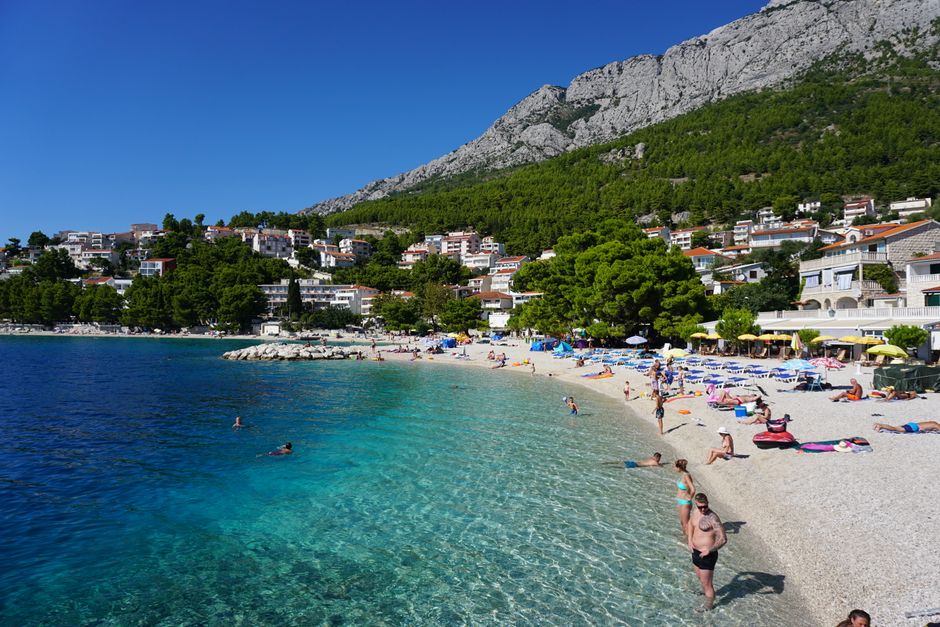
If you want the “best beach” experience, you’ve got to match the beach to your day—not just your Instagram feed.
When to go for clear water (and fewer headaches)
Dalmatian beaches are at their best in shoulder season, and you can absolutely do them in July/August—but you’ll pay for it in crowds and logistics.
- Late May–June: great water temp, fewer day-trippers
- September (especially early–mid): my favourite balance of sun + crowd levels
- July–August: stunning, but you’ll be competing for parking and umbrellas
Trade-off reality check:
- If you’re going in peak season, plan to be on the beach early (think before 9am) or go late afternoon.
Ferries: the Dalmatian coast’s superpower
Most of the “wow” beaches are on islands, so ferries are your best friend. In high season, expect frequent sailings; outside peak months, they run less often.
Common routes you’ll use (timings vary by day, so always double-check the latest schedule):
- Split → Brač (Supetar)
- Split → Hvar (Hvar Town or Stari Grad)
- Split → Vis (Vis Town) and then onward to Komiža/Milna via local transport
- Dubrovnik → Elafiti islands (Lopud, Koločep, Šipan, etc.)
What you should know before you book:
- Catamarans = faster, often pricier
- Ferries = cheaper, sometimes slower
- One-way costs are commonly ~€10–€30 depending on operator, speed, and season
- Bring a little patience: weather can affect crossing times
Beach basics I wish I knew earlier
Dalmatian beaches are often pebble/rocky rather than sand-and-sun loungers everywhere.
Pack like a local:
- Water shoes (seriously—pebbles hurt)
- a small towel you don’t mind getting sandy/pebbly
- sunscreen + something for shade (many coves have limited umbrellas)
Look out for these on arrival:
- Access stairs (great views, but you’ll feel it)
- Beach bars nearby (super convenient, but yes, can be busy)
- Wind exposure (some coves are calm; others whip up)
Crowd cheat sheet (based on typical summer patterns):
- High: Makarska main stretch, Zlatni Rat, Hvar Town areas
- Medium: Brela/Punta Rata segments (if you’re flexible), Pelješac coves
- Low (best odds): Vis (especially Stiniva if you go early), many Elafiti beaches if you start before the day-trippers land
Makarska Riviera: Big Views, Busy Summers
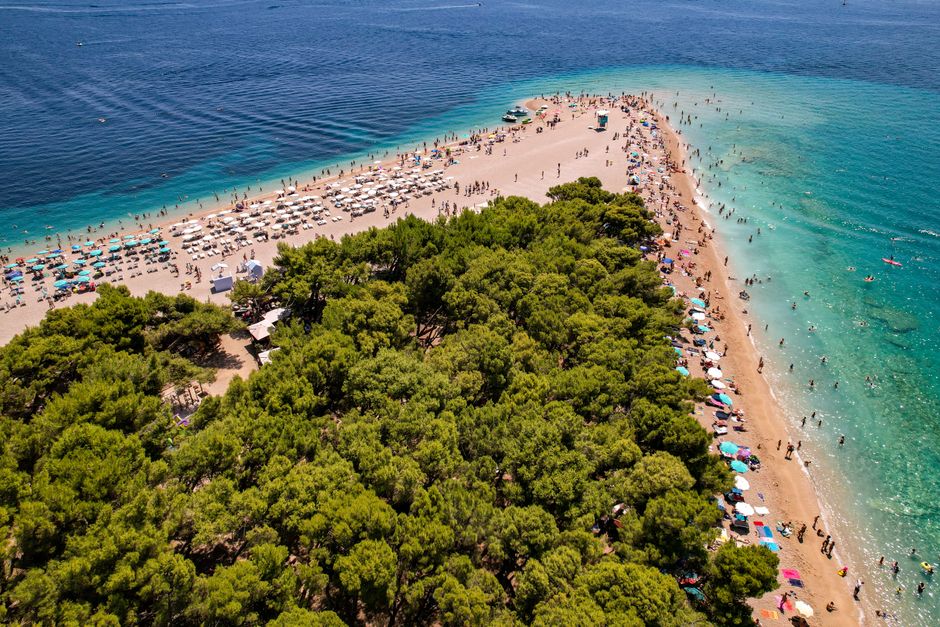
Makarska Riviera is basically the “main character” of Dalmatian coastline beaches—dramatic mountains behind you, turquoise in front, and plenty of spots that go viral for a reason.
Punta Rata (Brela) & the iconic “postcard” stretch
Punta Rata is the one you’ll see in every Croatia brochure: a long, photogenic beach with that classic curve of water.
What it’s like:
- Vibe: postcard-romantic, but not remote
- Surface: mostly pebble
- Views: you get those big cliff-and-mountain backdrops
Getting there:
- Drive from Split via the coast (expect traffic in peak months)
- Or use local buses/taxis if you’re staying in Brela/Makarska
Trade-offs:
- Crowds: in July/August, it can feel like a floating city
- Shade: not evenly distributed—go early if you want a comfortable spot
My move:
- arrive right after opening-time-ish hours for beach days (before peak lunch time)
- if you want quieter, walk along the nearby shoreline and choose a less central patch
Podrače & Mala Staza (Brela): same magic, more breathing room
Brela is where you start getting variety—short walks, coves, and stretches where you can escape the densest parts.
Beaches to target in this cluster:
- Podrače Beach (a favourite for easy swimming and that “alive” Adriatic feel)
- Mala Staza (the vibe is calmer, great for a “walk-and-plop” day)
What I like about them:
- More spread-out than the most famous central spot
- Handy if you’re staying nearby and want to step between swims
Trade-offs:
- Some spots involve short descents (nothing extreme, but it’s not stroller-friendly)
Tučepi & Živogošće: when you want Makarska without the crush
If Makarska itself feels too crowded, you’re smart to go slightly north/south along the Riviera.
Beaches to check:
- Tučepi Beach: long, lively, and generally easier for supplies and rentals
- Živogošće (Porat / area beaches): more of a “slower pace” option
How this helps your trip:
- you still get the Riviera scenery
- but you can find more breathing room if you’re okay with a bit of travel
Trade-offs:
- fewer “happening” options right on the water in the quieter areas
- in very peak weeks, parking can still be a pain
Brač: Golden Water and “How Is This Real?” Beaches
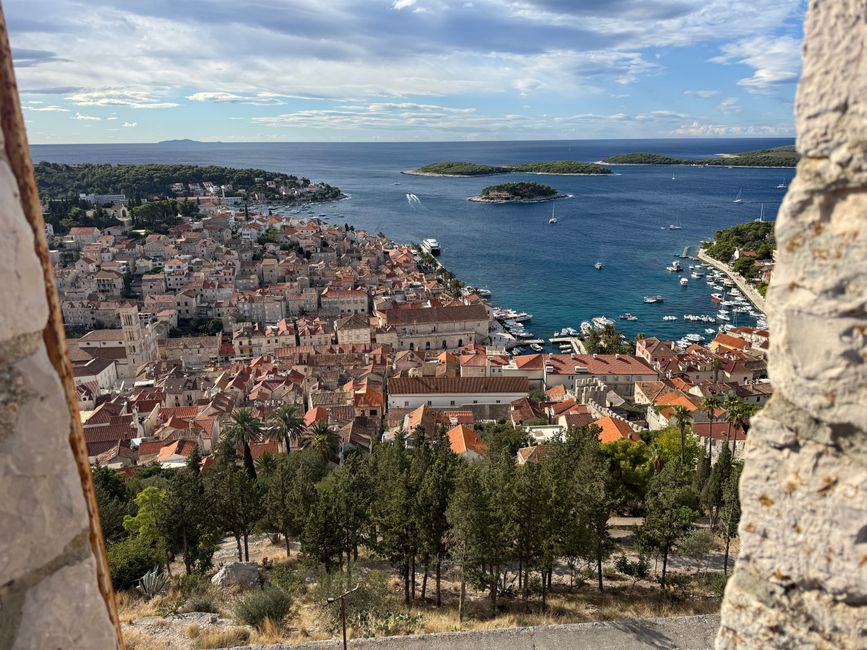
Brač is famous for a reason. The island has that classic Dalmatian postcard look, and it’s one of the easiest islands to reach if you’re staying around Split.
Zlatni Rat (Bol): the iconic “Golden Horn” beach
Let’s talk about the headline beach: Zlatni Rat in Bol.
What it’s like:
- Vibe: big, dramatic, and extremely pretty
- Surface: pebble (comfortable when you find a good spot)
- Water: often looks unreal in calm conditions
Access:
- Fly/land elsewhere? From a practical standpoint, most people go Split → Supetar (Brač), then drive or arrange transport to Bol.
Trade-offs:
- It gets crowded. If you’re arriving mid-morning in peak summer, you’ll be squeezed.
- It’s popular, so services are there—but so are the day-trippers.
My move:
- Go early or plan a later afternoon swim.
- If you want more quiet, pair Zlatni Rat with another Bol-area beach (below).
Martinica & Murvica (Bol): quieter Bol days
If you love the Bol scenery but want to avoid the busiest spot, add these:
- Martinica Beach
- Murvica Beach
Why they work:
- still beautiful, still that Adriatic clarity
- often feel more “local day” than “everyone’s here”
Practical tips:
- Bring water shoes—pebbles/rocks are part of the deal.
- Check whether you’ll need a short walk from the parking area.
Trade-offs:
- fewer “everything within reach” amenities than the most central beaches
Getting to Brač without stress (ferry-to-car logic)
Here’s the practical way to do it:
- Start from Split if you’re road-tripping already
- Use Split → Supetar as your gateway ferry
- Then drive to Bol (or pick local transport)
Budget ballpark (rough, because season matters):
- ferries commonly ~€10–€30 one-way
- add fuel/parking if you go by car
Hvar: Day Trips, Pakleni Islands, and Beautifully Busy Water
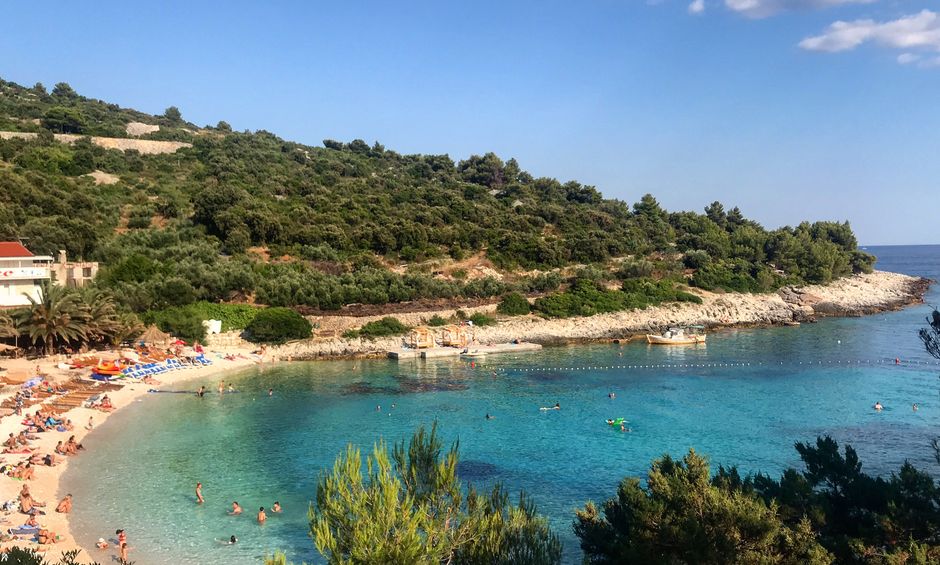
Hvar can be a bit of a whirlwind. It’s gorgeous, but it’s also one of the most visited islands, so you’ll want to be strategic.
Pakleni Islands (Pokrivenik area): the “boat day” beaches
If you want that unreal turquoise but with less pressure than Hvar Town proper, go for a Pakleni Islands day trip.
Beach highlights:
- Pokrivenik (often reached by boat day trips from Hvar area)
- nearby coves in the Pakleni archipelago (you’ll see a lot of “swim then anchor then swim again”)
Why this is such a win:
- you can sample multiple spots in one day
- the water can look spectacular when the sea is calm
Trade-offs:
- it’s popular, so expect boat crowds at the busiest hours
- some coves have limited shade—bring your own setup
Hvar Town waterfront: convenient, energetic, and not always “quiet”
If you want to be able to wander, eat, and then swim without commuting everywhere, Hvar Town has you covered.
What to look for:
- Hvar Town waterfront swimming beaches (small pebble stretches around the marina area)
What I like:
- easy access to food and services
- you can pop in for a swim even if your day doesn’t start early
Trade-offs:
- yes, it’s busy
- if you want “empty cove” vibes, you’ll feel disappointed compared with Vis or some Brač coves
Stari Grad Bay: a calmer Hvar base
Stari Grad Bay is a good choice if you want Hvar scenery without the constant party energy.
What to expect:
- more of a slow-morning + swim + lunch pattern
- good base for exploring by road/transport around the island
My advice:
- if you’re staying here, you can do multiple small beach moments rather than hunting one big destination
Vis: Coves, Character, and Proper “Let’s Slow Down” Energy
Vis is one of my favourite Dalmatian stops because it feels less like an endless festival and more like a place where people actually live.
Stiniva: the dramatic “cliff cut” cove
If you only pick one Vis beach to obsess over, pick Stiniva.
What it’s like:
- Vibe: dramatic, sheltered, and seriously photogenic
- Access: you’ll likely deal with stairs/walkways—plan comfortable footwear
Why it’s worth the effort:
- it feels like a hidden pocket of the sea
- great for a “one perfect swim” moment
Trade-offs:
- it can be less accessible in certain conditions (and it’s not a lazy flat beach)
- go early to beat the busiest hours
Srebrna & Milna (Vis): swim-friendly beaches with a relaxed feel
Other Vis highlights that fit the “quiet but not abandoned” style:
- Srebrna Beach
- Milna (Vis) beach areas
What I like about pairing them:
- you get variation: coves vs more open beach settings
- it’s easier to pace your day without rushing
Practical tips:
- Vis can be a day-trip magnet in summer, but these spots still often feel calmer than the most famous mainland beaches
- bring water shoes
Korčula & Pelješac: Old Town Vibes and Beaches That Don’t Rush You
If you’re tired of feeling like you’re sharing a beach with the entire continent, Korčula and Pelješac can be your sweet spot.
Korčula Town & Pržina: easy access, lovely evening swims
In Korčula Town, Pržina Beach is one of the go-to options.
What it’s like:
- convenient for walking out of the old town vibes and into the water
- generally a solid pick for late afternoon swims
Trade-offs:
- you’re not going to get “secret island cove” feelings—this is more “city access”
Lumbarda (Bilin Žal area): a calmer Korčula beach day
In the Korčula region, Lumbarda is where many people go for a more open, laid-back beach day.
What I like:
- it feels calmer than Korčula Town proper
- great for a full day where you don’t need fancy logistics
Trade-offs:
- depending on where you base yourself, you might need transport to reach the better spots
Trstenik (Pelješac) & Viganj: beautiful coastlines with a practical edge
Pelješac is a stretch I genuinely recommend if you like beaches plus “less pressure.”
Two names that come up a lot:
- Trstenik Beach (a popular base near the Orebic/Trstenik area)
- Viganj Beach (known for its surf scene, but still a great swimming location)
What to expect:
- pebble and rocky mixes—water shoes help
- the area can feel “more local” than the big headline stops
Trade-offs:
- if you want lots of sunbeds and constant beach services, you may need to search more than you would in the biggest resort strips
Dubrovnik & the Elafiti Islands: Unreal Water, City Convenience, and Day Trips
Dubrovnik is one of the most visually intense places in Croatia—so it makes sense that the beaches around it are memorable too.
Banje (Dubrovnik): classic city beach with serious views
Banje Beach is the one you go to when you want Dubrovnik close and the sea looking postcard-perfect.
What it’s like:
- Vibe: city energy + sea views
- Access: easy compared with more remote coves
Trade-offs:
- it can be busy in peak season
- you might pay more for the convenience (especially for day beds/spot rentals)
My move:
- swim early or go later so you don’t roast in the midday crowds
Sveti Jakov: a popular alternative for calmer moments
If you want Dubrovnik water without as much “main beach” intensity, look at Sveti Jakov.
Why I recommend it:
- still near the city
- feels a bit more relaxed depending on the time of day
Lokrum Island: Copacabana (and other easy swim spots)
From Dubrovnik, Lokrum Island is a very doable day.
Beach highlight:
- Copacabana (on Lokrum)
How access usually works:
- you’ll typically take a short boat/ferry-style crossing from Dubrovnik
Trade-offs:
- Lokrum is popular, so it’s not “totally empty wilderness”
- still, it often delivers that “wow water” feeling
Lopud & Šunj: “more space” Elafiti vibes
For a day where you want wide, open beach energy, go to the Elafiti islands.
Beach highlight:
- Šunj Beach (Lopud)
Why it’s a great choice:
- more breathing room than Dubrovnik’s busiest spots
- feels like a proper island day without being too hard to arrange
Practical tip:
- plan your ferry/bus connections so you’re not stuck waiting around (in summer, it’s easy to lose half a day)
My Top 10 Picks (Plus Quick Notes)
If you want the “just tell me where to go” version, here are my top picks across the Dalmatian coast.
If you want pure wow (dramatic coves & iconic sand-and-sea views)
- Stiniva (Vis) – dramatic cove, best early
- Zlatni Rat (Bol, Brač) – iconic, but go early to beat the crowds
- Punta Rata (Brela) – classic postcard beach
- Copacabana (Lokrum) – Dubrovnik-adjacent beach day with unreal water
- Pokrivenik (Pakleni Islands) – great boat-day anchoring vibe
If you want easier logistics (and fewer trade-offs)
- Banje (Dubrovnik) – city convenience, spectacular setting
- Pržina (Korčula Town) – easy evening swim option
- Trstenik (Pelješac) – solid beach base for a slower itinerary
- Tučepi – long beach day, usually easier facilities
- Sveti Jakov (Dubrovnik area) – good alternative to the most crowded spots
Quick “don’t get burned” reminders:
- In peak season, arrive early and expect crowds at the headline beaches.
- Pack water shoes—it’s the difference between “wow, I can’t stop swimming” and “ow, why is my foot killing me?”
- If you’re island hopping, treat ferry timing like part of your itinerary—not something you wing.
Wrapping It Up
Croatia’s best beaches aren’t just about beauty—they’re about fit. The Dalmatian coast gives you everything from big iconic shorelines (hello, Punta Rata and Zlatni Rat) to cliff-hugging secret-feeling coves (Stiniva is the star here).
If you tell me your rough travel month and whether you’ll have a car (and where you’re flying into), I can suggest a simple route—Split → islands → Dubrovnik style—or a reverse itinerary that makes ferry days easier.