Hey fellow travelers—if you’re planning 3 to 7 days in Belgium, you’re probably wondering which city base makes the most sense. Let’s sort that out with the most popular city options, what each one is best for, and a few ready-to-steal itinerary blueprints.
Belgium is compact (easy to hop between regions), but it’s not one-size-fits-all. You’ll get different flavors in Flanders (medieval streets and beer), Brussels (art, food, and EU buzz), and Wallonia (rivers, gritier charm, and fewer crowds). So instead of “one best city,” think “best base for your trip.”
Flanders Classics: Bruges, Ghent, and Antwerp

Bruges (Brugge) — Romance, canals, and postcard streets
Bruges is the one everyone mentions for a reason: it’s gorgeous, walkable, and feels like it’s been preserved for visitors.
Best for
- Canal views and that “old Europe” feeling
- Taking your time with photos and café stops
- Chocolate hunting and souvenir browsing (yes, it’s touristy—still worth it)
What to watch out for
- Peak hours can feel like you’re sharing the same walkway with a school trip.
- It’s pricier than many other Belgian cities.
How I’d pace it (without overdoing it)
- Morning: start early for the calmer streets and best light
- Midday: indoor breaks (museums/churches) when it’s busiest
- Evening: aim for a waterfront stroll rather than trying to cram more stops
Ghent — Quirkier, bigger, and often less “tour-bus”
Ghent has a similar medieval vibe, but with more edge. It’s lively, student-y in a good way, and you’ll find great food without feeling like you’re trapped in a theme park.
Best for
- Street-life atmosphere and evenings that don’t feel staged
- Design stores, creative cafés, and local hangouts
- A “do more than just look” kind of visit (museums + neighborhoods)
Trade-offs
- You still get crowds, but they’re usually distributed better than in Bruges.
- The city is bigger on foot than you might expect.
Day plan ideas
- Start around the central sights, then drift outward for calmer streets
- Pick one “anchor” museum and use the rest of the time for wandering
- If the weather’s decent, build in a long riverside walk
Antwerp — Fashion, museums, and serious architecture
Antwerp is Belgium’s “modern meets historic” city base. You’ll find world-class museums, fancy shopping streets, and architectural highlights—without losing the old-town vibe.
Best for
- Museums and culture lovers
- Stylish neighborhoods and shopping (if that’s your thing)
- Exploring beyond the centre (harbor-adjacent areas can be interesting)
Trade-offs
- Some parts feel more “city” than “storybook,” so if you want pure medieval fairy tale, pair Antwerp with Bruges or Ghent.
A practical way to visit
- Choose 1–2 museum stops you genuinely care about
- Spend the rest of the day mixing neighborhoods + meals
- Plan one slower evening—Antwerp rewards unhurried time
Brussels + Flemish Culture Hubs: Brussels, Leuven, Mechelen
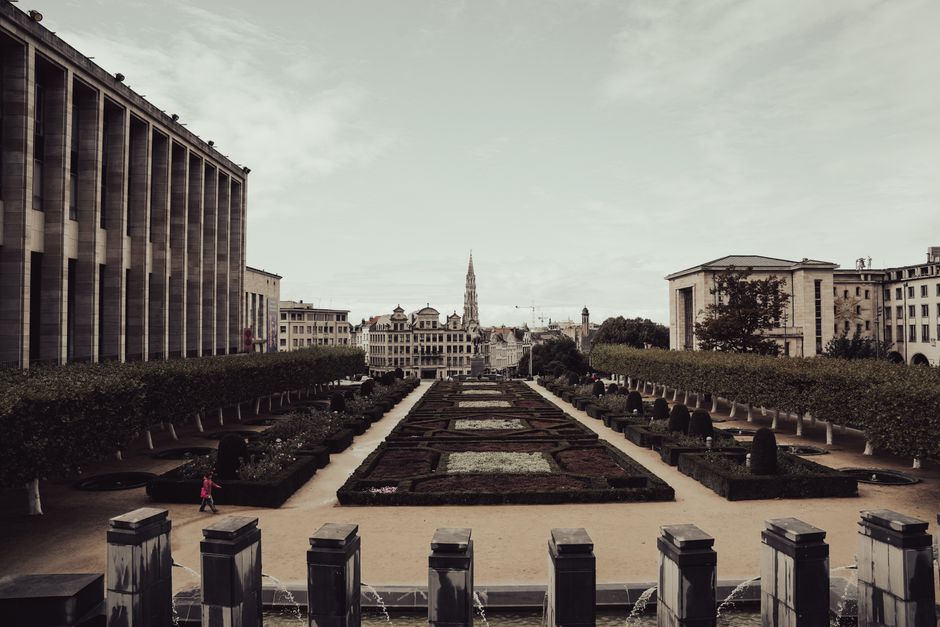
Brussels — Food, art, and easy day trips
Brussels can be intense—in a good way. You’ll be close to everything, and the city’s food scene alone can justify a visit.
Best for
- Seeing multiple “faces” of Belgium in one trip
- Architecture, museums, and the EU-area contrast
- Day trips to places that don’t need an overnight
Trade-offs
- Brussels is popular, so some areas feel busy all day.
- It’s easy to lose time—so I recommend having a rough plan.
How to make Brussels work on a 3–7 day trip
- Spend half your time in walkable clusters (so you don’t burn energy commuting)
- Pick your “must-see” first, then let the rest be food + neighborhoods
- If you’re museum-inclined, choose fewer with more intention
Leuven — University energy, great beer culture
Leuven is a fantastic city base if you want a lively atmosphere without the heavyweight crowds. It’s also a nice antidote if you’ve already done two heavy-hitters like Bruges and Ghent.
Best for
- Beer culture and student-city energy
- A relaxed pace with lots of walking
- “Small-city big-soul” travel days
What to watch out for
- It can feel lively in the evening, especially on weekends.
- It’s not a “big ticket sights every hour” city—think atmosphere.
Easy itinerary rhythm
- Morning: central sights + coffee
- Afternoon: wander and browse
- Evening: food and a couple of drinks (Belgian beers are a whole rabbit hole)
Mechelen — Local charm between bigger cities
Mechelen doesn’t get the same hype, but that’s exactly why I like it. It’s an excellent “filler base” that makes your itinerary feel more lived-in.
Best for
- Slower sightseeing and local streets
- A break from the biggest tourist loops
- Pairing with Brussels for a smoother travel week
Trade-offs
- Less to do than the headline cities. If you’re the type who fills every hour, you may need to add an extra day elsewhere.
How to use Mechelen smartly
- Choose it as a base if you want a calm night after busy days
- Let one long walk + one key sightseeing block be enough
- Save “big museum day” for Brussels or Antwerp
Wallonia Finds: Namur and Liège

Namur — River views and a relaxed pace
Namur is a great option for travelers who want scenery and calm. It has that “river city” feel, and it’s ideal if you want at least a day that’s not packed with crowds.
Best for
- River walks and viewpoints
- A quieter pace compared to Flanders hotspots
- Easy add-on days while still keeping a city base style
Trade-offs
- It’s not the place for maximum variety in a single day. Think “enjoy the mood.”
What a solid day looks like
- Start with viewpoints/old-town areas
- Lunch somewhere local and slow down
- End with an evening stroll by the water
Liège — Bold character and a more “real city” feel
Liège feels more industrial and lived-in than the medieval picture-perfect places. If you like cities with personality (and don’t need every hour to be a postcard), it’s a great pick.
Best for
- History + culture with a rougher edge
- Great local dining and atmosphere
- Travelers who want to escape the crowds
Trade-offs
- It’s not as “easy to market” as Bruges—so your best days come from a flexible plan and willingness to explore neighborhoods.
How to plan it
- Pick one main sightseeing block, then wander off-route
- Build in a café stop so you’re not rushing between locations
- If you’re into food, let hunger lead your schedule
Belgian Coast: Ostend and Knokke-Heist
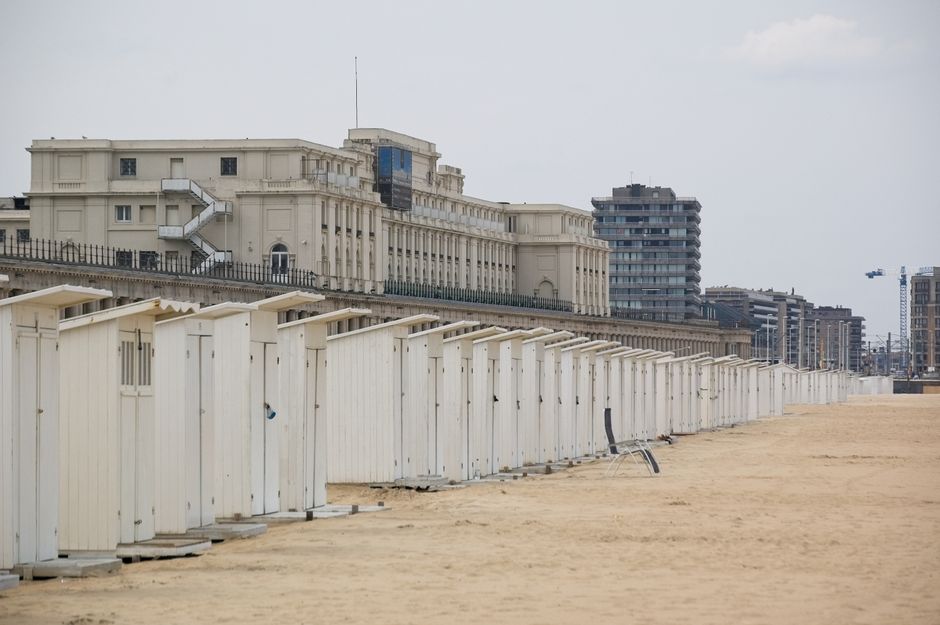
Ostend — Classic seaside energy
Ostend is the straightforward, traditional seaside choice. It’s good if you want beach time without overthinking it.
Best for
- Simple seaside relaxation
- Walking along the water and grabbing casual meals
- Easy coastal atmosphere after busy city days
Trade-offs
- In some seasons/areas, it can feel more “resort” than “romantic.” That’s not bad—just manage expectations.
A good way to spend a day
- Morning beach walk
- Midday meal + a bit of sightseeing
- Sunset stroll (sea air is the whole point)
Knokke-Heist — Upmarket beach vibes
Knokke-Heist is the more upscale side of Belgium’s coast. Think beach promenade vibes, pretty scenery, and a “vacation feeling” without needing a long journey.
Best for
- Travelers who want a polished seaside day
- Scenic walks and a relaxed holiday atmosphere
- Pairing coast time with a foodie plan
Trade-offs
- It can be pricier than you expect for a coastal day.
How to do it without overspending
- Focus on the promenade + beach walking
- Keep your budget in mind for dining (choose one “nice” meal and one casual one)
- If you’re photographing, aim for softer light in the morning/late afternoon
Build Your 3 to 7 Day Itinerary (Pick Your Base)
Alright—now let’s turn all those city options into something you can actually follow. Below are a few route “templates.” Adjust based on what you care about (food, history, museums, nightlife, or just wandering).
The 3-Day Plan: Brussels + One Flemish City
If you’re tight on time, don’t try to conquer Belgium. Choose two bases and go deep.
Suggested combo
- Brussels (2 nights)
- Bruges or Ghent (1 night)
Why it works
- Brussels gives you variety and day trip flexibility.
- One Flanders city gives you the medieval magic without stretching travel days.
Trade-off
- You won’t see Wallonia or the coast—so if you want sea/rivers, swap the Flemish city for Ostend or add a longer trip.
The 5-Day Plan: Classic Belgium Sampler (Flanders + Brussels)
This is the sweet spot for most travelers—long enough to enjoy, short enough to stay comfortable.
Suggested combo
- Brussels (2 nights)
- Ghent (1 night)
- Bruges or Antwerp (1 night)
How to think about the choice
- Pick Bruges if you want maximum postcard charm.
- Pick Antwerp if you want museums + city energy.
What you’ll likely cover
- Two “signature” Belgian days (one medieval, one lively/modern)
- One flexible day for food, markets, or a day trip
The 7-Day Plan: Flanders + Wallonia + Coast
If you’ve got a full week, you can finally get the “Belgium feels different in each region” effect.
Suggested combo
- Brussels (2 nights)
- Ghent (1 night)
- Antwerp (1 night)
- Namur or Liège (1 night)
- Ostend or Knokke-Heist (1 night)
Where you can compress
- Instead of moving every day, keep the city-hopping to 3–4 moves total.
- Use the coast for a “slow day” after a heavier sightseeing run.
Trade-offs
- It’s more planning, but the payoff is variety.
- If you hate packing/unpacking, build in one extra “base” day and cut one move.
Quick “Which City Should I Choose?” Cheat Sheet
If you want to decide fast, here’s my practical match-up:
- Choose Brussels if you want the easiest logistics + maximum food and culture variety.
- Choose Bruges if you want postcard medieval streets (and don’t mind crowds).
- Choose Ghent if you want medieval charm with a more local, lively vibe.
- Choose Antwerp if you want museums, architecture, and a fashionable city feel.
- Choose Leuven if you want a smaller, energetic city (university + beer culture).
- Choose Mechelen if you want calm and character between bigger bases.
- Choose Namur if you want river scenery and slower pacing.
- Choose Liège if you want a more rugged, “real city” experience.
- Choose Ostend for classic seaside relaxation.
- Choose Knokke-Heist for a more upscale beach-day atmosphere.
Final Thoughts (From One Planner to Another)
If Belgium were a menu, the safest strategy for 3 to 7 days is: pick one base for variety (often Brussels), then add one “theme” city (medieval like Bruges/Ghent, culture like Antwerp, or quieter charm like Namur/Liège) and finally decide if you want the coast as your recovery day.
If you tell me your travel month and whether you prefer museums, food, or wandering-and-photos, I’ll help you narrow it down to the best 2–4 city bases for your exact length of trip.


