Hey there travel enthusiasts and welcome to my post where we will check out my 9 best cities to visit in Europe in shoulder season this year.
If you’ve ever tried to visit Europe in peak summer and ended up queueing like it was a full-time job, shoulder season is your sweet spot. You get softer crowds, more realistic prices, and weather that’s usually comfortable enough to spend the day walking (which, let’s be honest, is the whole point).
Below, I’ll share what each city is like in spring/autumn, where it shines, and the trade-offs you should expect—because shoulder season isn’t “perfect,” it’s just smarter.
When shoulder season hits (so you pick the sweet spot)
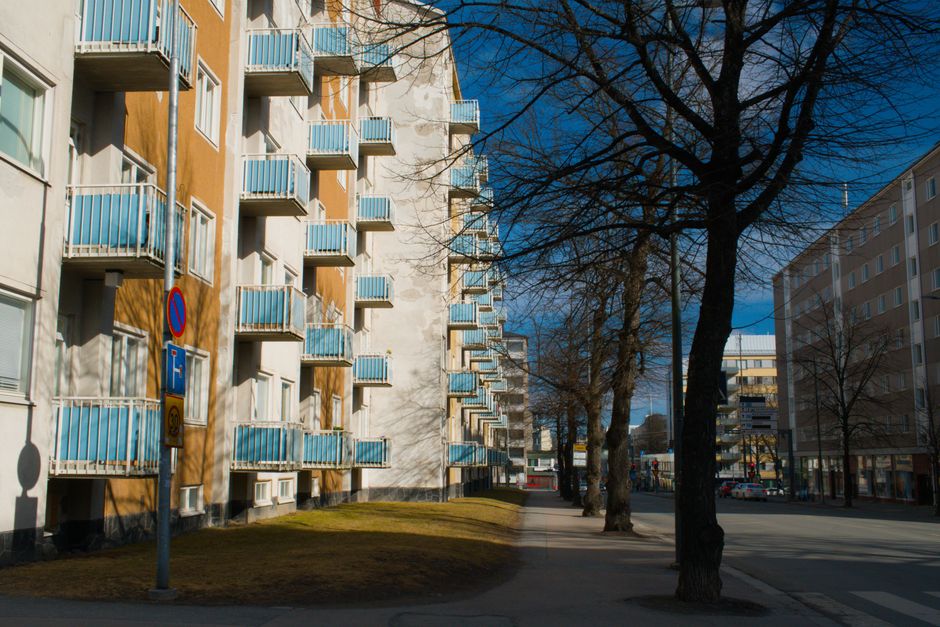
Spring vs autumn: what changes
In Europe, “shoulder season” usually means:
- Late spring: roughly April to June
- Early autumn: roughly September to October
The vibe shifts depending on the season:
- Spring (April–May): greener streets, longer daylight, and a “just getting going” energy.
- Early autumn (September–October): warmer days lingering, better dinner weather, and fewer families on holiday.
Weather you can actually plan around
Let me save you from planning based on Instagram weather.
Most cities in shoulder season are ideal for walking, but weather can swing—especially if you’re hopping between regions.
- Pack for layering (think: T-shirt + light jumper + rain jacket).
- Expect mornings to be cooler than afternoons.
- If you’re visiting coastal places, plan for wind.
How to score better prices (without over-optimising)
Shoulder season pricing is better, but not always “cheap.” What you’ll usually notice:
- Flights: often a bit lower than July/August, especially if you’re flexible by a day or two.
- Hotels: better availability and more genuine deals.
- Attractions: shorter lines than peak summer.
My rule of thumb:
- If you care about a specific time slot (like a major museum), still book ahead.
- If you’re flexible, you can often wing more things (especially restaurants and standard guided tours).
Iberia & the Mediterranean: warm days, softer crowds

Lisbon (Portugal)
Lisbon is one of those cities that feels effortlessly photogenic, but shoulder season is when it becomes truly enjoyable—fewer cruise-day crowds and more comfortable walking temperatures.
Best shoulder months:
- April–May (spring blossoms, comfortable afternoons)
- September–October (still warm, less peak-season intensity)
What you’ll love:
- Hills that are a workout, but in cooler weather they feel fun instead of brutal
- Great viewpoints without the “move along” feeling
- Food that’s easy to enjoy at all hours (and not just in a tourist bubble)
Trade-offs (because nothing’s free):
- The city still has crowds in the classic spots (Belém, Alfama viewpoints), just not as intense as summer.
- Some neighborhoods are steep—wear proper shoes.
Where I’d base you (practical pick):
- Baixa/Chiado: easiest for first-time Lisbon and getting around
- Alfama: atmospheric, but choose a place you can reach without a million stairs
- Belém area: more relaxed if you want museums/river vibes
Quick planning notes:
- For most major attractions, you’ll usually see morning openings and late-afternoon closing windows—so aim for popular sites earlier.
- Grab a few simple “anchor” experiences (one viewpoint, one riverside evening, one food-focused block). Lisbon rewards slow pacing.
Barcelona (Spain)
Barcelona in shoulder season is a different city. You still get the energy, but you’re not constantly battling the peak-summer crush.
Best shoulder months:
- April–May (pleasant walking temps)
- September (often the sweet spot for weather)
What you’ll love:
- Strollable neighborhoods that don’t feel like a constant parade
- Beach time still works in many days (especially early autumn)
- Architecture hits harder when you’re not sweating through every museum visit
Trade-offs:
- You’ll still see crowds around Gaudí landmarks—shoulder season just makes it more manageable.
- Prices are “nicer” than peak summer, but the city isn’t suddenly budget-friendly.
Where to stay (my hands-down advice):
- Eixample: central, walkable, lots of food options
- El Born / Ciutat Vella edges: lively and atmospheric (but be mindful of noise)
- Gràcia: a more local-feeling base with a great evening vibe
Smart move for sightseeing:
- If there’s one “big ticket” you care about (major architecture/monuments), book that slot earlier than you think you need to.
- For everything else, use a 2–3 attraction/day limit. Barcelona is best enjoyed with breathing room.
Food tip:
- Go for long lunches or late dinners. Shoulder-season evenings can be gorgeous, and you’ll feel less rushed.
Rome (Italy)
Rome is famous for crowds in general, but shoulder season softens the worst of it. The city still has that “everyone is here” feel—just fewer people trying to sprint at 9am.
Best shoulder months:
- April–June
- September–October
What you’ll love:
- Comfortable temperatures for long walks (Rome is built for walking, even if your legs disagree)
- More pleasant museum pacing
- Better chances of snagging a good table without a frantic scramble
Trade-offs:
- Some outdoor areas can feel busy regardless of season (Rome is Rome).
- If you’re visiting in October, expect more variable weather—bring that light rain layer.
Where to base yourself:
- Centro Storico edges: maximum “I can walk to everything” energy
- Trastevere: lively nights, a bit more chaotic (in a fun way)
- Monti: central and often a good balance of atmosphere + convenience
How to structure a day:
- Early: one major site
- Midday: a museum or indoor break
- Afternoon/evening: wander + viewpoint + dinner
Keep expectations realistic and you’ll have a brilliant time.
Central Europe classics: riverside walks without the peak rush
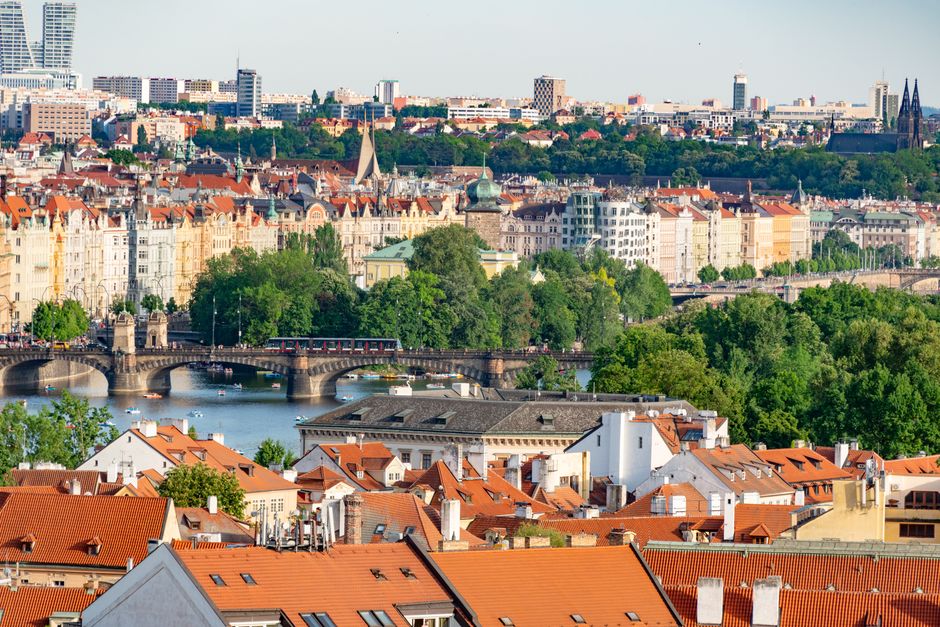
Prague (Czechia)
Prague in shoulder season is one of my favorite “walk-everywhere” experiences. The city is still stunning, but you’re not constantly dodging shoulder-to-shoulder tour groups.
Best shoulder months:
- May–June
- September–October
What you’ll love:
- Old Town and bridges without the same peak-density chaos
- Great cafés and beer halls where you can warm up or cool down
- Charming side streets that still feel like you found them
Trade-offs:
- Tourist hotspots stay tourist hotspots.
- If you’re sensitive to crowds, aim for early mornings for the big views.
Where I’d stay:
- Old Town / near the river: iconic, convenient
- Kampa / Mala Strana area: picturesque and a bit calmer (generally)
Practical advice:
- Build your “must-sees” around early start times.
- Plan at least one evening that’s not a sight—just food + wandering.
Vienna (Austria)
Vienna is the kind of city where shoulder season feels classy rather than crowded. You get cultural experiences with a more relaxed pace.
Best shoulder months:
- April–June
- September–October
What you’ll love:
- Excellent museums and music options
- Cafés that make it easy to slow down
- Elegant architecture and parks that feel great in mild weather
Trade-offs:
- Vienna can be priced a bit higher than some Eastern/Central neighbors.
- Museums and concerts can sell out—so don’t leave your ticket plans to the last minute if there’s something specific you want.
Where to stay:
- Innere Stadt / near major transit: easiest for first-timers
- Leopoldstadt: good access, often more breathing room
How to spend your day (Vienna style):
- Start with a palace/museum block
- Add a long café break
- End with a walk through a park area or along a river
It’s not a “do everything” city—it’s a “enjoy everything” city.
Budapest (Hungary)
Budapest is a winner in shoulder season because you can actually enjoy the thermal-bath experience without peak summer chaos.
Best shoulder months:
- April–May
- September–October
What you’ll love:
- Thermal baths with a more comfortable (and often less crowded) flow
- River views that look incredible in softer light
- Great food and drinks that don’t always feel tourist-inflated
Trade-offs:
- Some bath areas can still feel busy—especially evenings.
- Public transport helps a lot; walking is great, but the city is spread in spots.
Where to base yourself:
- District V (inner side / central): very convenient
- District VI (near the nicer vibes): good access to food and attractions
- Near tram lines: you’ll thank yourself later
My practical tip:
- Pick your bath experience carefully (one “main” bath is usually enough). You’ll get more enjoyment than hopping between too many.
Berlin (Germany)
Berlin doesn’t “cool down” in shoulder season—it just becomes easier to explore. The city’s sprawling layout means you’re grateful for mild weather.
Best shoulder months:
- April–May
- September–October
What you’ll love:
- Neighborhood hopping that doesn’t require planning your day around extreme heat
- Museums, history sites, and modern art scenes
- Late dinners and a lively restaurant culture
Trade-offs:
- Sights are spread out—if you’re only there for a short time, plan your transit routes.
- Some experiences are popular and will still draw weekend crowds.
Where to stay:
- Mitte: central for first-timers
- Kreuzberg/Friedrichshain edges: great food + atmosphere
How I’d do it:
- Choose 2–3 neighborhoods per day.
- Reserve one “anchor” museum or historical site, then keep the rest flexible.
Northern Europe charm: crisp air, long evenings
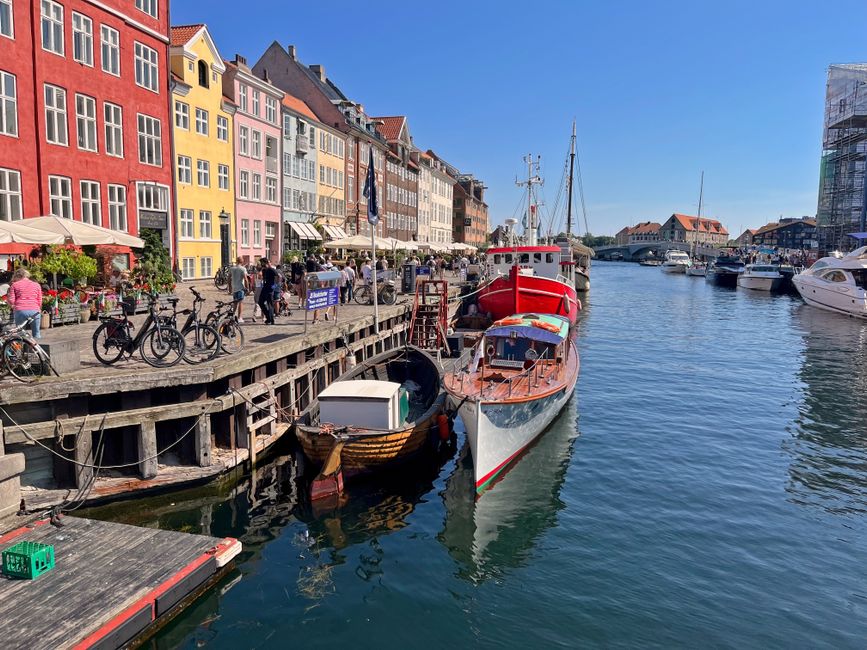
Copenhagen (Denmark)
Copenhagen in shoulder season is all about walking, design, and hygge without the peak-season squeeze.
Best shoulder months:
- April–May
- September (often a good “warm-ish” option)
What you’ll love:
- Easy-to-navigate city (and great cycling culture)
- Nice waterfront strolls
- Food scene that’s genuinely worth it
Trade-offs:
- Denmark can be pricey.
- Weather is a wild card—wind/rain happens, so bring a proper jacket.
Where to stay:
- City center / near transit: best for getting around without wasting time
- Nyhavn area (careful): super convenient but can feel busy in the evenings
Practical advice:
- If you plan to do lots of museums, pick a couple and fill the gaps with outdoor areas.
- For dining, book if you’re aiming for popular spots—shoulder season helps, but it’s still Copenhagen.
Stockholm (Sweden)
Stockholm can feel like a postcard even when the weather turns a bit moody—in shoulder season, you get that moody beauty without the worst crowds.
Best shoulder months:
- May–June
- September–October
What you’ll love:
- Water views everywhere
- Great neighborhoods for wandering
- Museums and city parks that work well even if you get light rain
Trade-offs:
- It’s a city of islands—so plan transit and accept that you’ll spend some time moving between areas.
- Some ferry/boat schedules can be seasonal.
Where to stay:
- Gamla Stan / central island areas: maximum sightseeing convenience
- Norrmalm: solid base with easy access
My suggestion:
- Prioritize one “big museum day” and one “neighborhood wandering day.” Stockholm rewards variety.
Building your shoulder-season plan (without overpaying)
Pick neighbourhoods & book strategically
This is where shoulder season really pays off. You don’t want to waste your savings on bad location decisions.
When I’m choosing a base, I ask:
- Can I reach the main areas with one transit line (or mostly walking)?
- Do I have easy access to food at multiple price points?
- Is it close to a “start point” for day plans (train station, metro line, riverfront)?
Booking smart usually means:
- Book 1–2 key tickets early (big-ticket attractions).
- Keep the rest flexible—restaurants and casual tours are often easier to arrange in shoulder season.
Day trips that feel worth it
One of the best parts of visiting in shoulder season is that you can escape the city for half a day without it feeling like a sweaty slog.
Good day-trip styles in Europe:
- Historic towns within an hour or two of the city
- Coastal or lakeside areas when the weather is mild
- Guided food/wine tours that start early (and end before the evening chaos)
How to avoid a boring day trip:
- Pick either one big highlight or two smaller stops—don’t cram.
- Plan a meal stop that’s actually in the place you’re visiting.
A realistic budget checklist
Shoulder season helps, but Europe still adds up. Here’s a practical budget lens rather than fantasy numbers.
Typical daily categories to estimate:
- Accommodation: biggest variable (use location and star level as your lever)
- Meals: aim for a mix of casual + one nicer meal
- Transport: local transit passes or single tickets depending on your plan
- Attractions: museums and major sights add up fast
- “I forgot I’d want this” money: tours, coffee breaks, small shopping
Quick reality check:
- If you’re travelling in peak weekends, costs can creep up even in shoulder season.
- Mid-week stays tend to feel noticeably better.
Wrapping it up
My quick packing checklist
If you want shoulder season to feel easy, pack like the weather is unpredictable (because it often is).
- Light rain jacket or compact umbrella
- Comfortable walking shoes
- Layering top (you’ll want options)
- A small day bag
- Power adapter (obvious, but still—don’t test it on travel day)
One last booking rule
If you remember just one thing, make it this:
- Book the “time-sensitive” stuff early (popular tours, major timed-entry attractions).
- Keep your day-to-day flexible—shoulder season is at its best when you’re not chained to a rigid schedule.
If you pick one of the cities above and match your dates to the sweet spot months, you’ll get the Europe you dream about—just with fewer crowds and more breathing room.
Have a trip coming up? Tell me your dates and your vibe (foodie, history, architecture, museums, nightlife, outdoors), and I’ll suggest the best city pairing for your season.


