Hey there my fellow travellers and welcome to my post where we will check out my 11 best cities to visit in Spain this year.
I’m going to be honest with you: Spain doesn’t really have a “bad” city, but some are easier, some are more expensive, and some are worth your time even if you’re short on days.
Below, I’ll walk you through the places I’d prioritise, what you’ll actually do there, the best time to go, and a few trade-offs to keep your expectations right.
Mediterranean Spark: Barcelona + Valencia
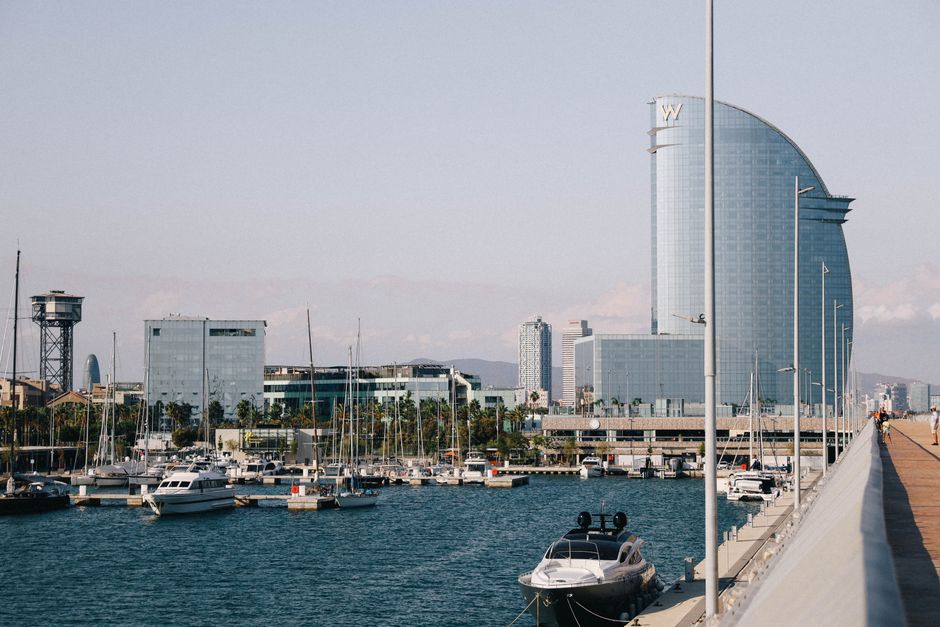
If you’re landing in Spain and want your trip to start with serious atmosphere, this is where I’d begin.
Barcelona — Gaudí drama, beach walks, and big-city chaos
Barcelona can feel like a living film set—Gaudí’s architecture, promenades, neighbourhood wandering, and then suddenly you’re eating tapas by the sea.
What to do (high impact):
- Sagrada Família (book ahead). If you can’t get a timed ticket, don’t just guess—try another day.
- Park Güell for views and those wiggly Gaudí shapes (again: timed tickets help).
- Gothic Quarter + El Born for wandering + late-night bites.
- Barceloneta or Poblenou if you want a beach day without turning it into a whole production.
- Montjuïc for viewpoints and a break from the most crowded streets.
Rough budget reality (per person):
- Museum/major attraction tickets: often €20–€40 each (depends what you choose).
- Typical sit-down lunch: €20–€35.
- Beer + tapas: you’ll easily spend €15–€30 if you’re not careful.
Trade-offs I’ll flag:
- It’s busy. Really busy.
- Prices can creep up fast in the most touristy lanes.
- Pickpocketing risk is a thing—especially on crowded transit and at major sights.
When to go:
- Spring (Apr–Jun) and early autumn (Sep–Oct) for better walking weather.
- Summer is hot and crowded, but if you time it right (early mornings + late evenings) it can still work.
Valencia — The underrated Mediterranean sibling
Valencia is one of my favourite “I can’t believe more people don’t come here” cities. The vibe is lively, the food is legit, and you can actually breathe.
What to do:
- Ciutat de les Arts i les Ciències (complex is impressive even if you’re not a museum person).
- Central Market for a snack mission.
- Old Town wandering around the cathedral area.
- Turia Gardens (a huge park where you can walk, bike, or just people-watch).
- Beach time: head toward Malvarrosa or nearby coves for a calmer feel than Barcelona.
Budget notes:
- Lunch deals are often easier to find here than in bigger “headline” cities.
- If you’re eating well on a budget, Valencia tends to be one of the better bets.
Trade-offs:
- If you’re expecting “historic wow” at every corner, Valencia is more smart, modern, and clean than dramatic.
Best time:
- Same general rule: spring and autumn are the sweet spots.
How long to stay (and where to base yourself)
If you want your trip to feel smooth—not like you’re sprinting—here’s what I’d do:
- Barcelona: 3–4 days
- Valencia: 2–3 days
Good base areas (quick guidance):
- Barcelona: look at staying around Eixample (more central, easier transit) or nearby neighbourhoods slightly off the main tourist streets.
- Valencia: consider Ciutat Vella for walkability, or slightly outside for better-value accommodation.
Madrid + Central Classics: Madrid + Toledo
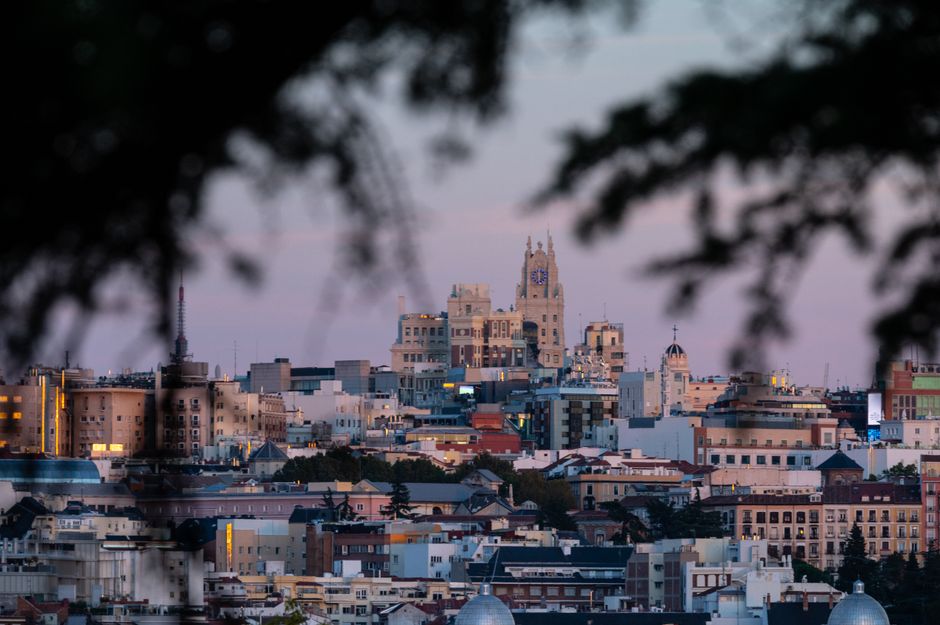
Madrid is big, dynamic, and absolutely packed with museums, markets, and night energy. And Toledo? Toledo is the easiest “wow day trip” you can add.
Madrid — Museums, markets, and neighbourhood nights
Madrid doesn’t just do “culture”; it does culture with a side of food and late-night wandering.
What to do:
- Prado Museum / Reina Sofía (pick your must-sees and don’t try to do everything).
- Thyssen-Bornemisza if you’re into a mix of eras.
- Retiro Park for an easy reset.
- Mercado de San Miguel for a tasting-style visit (fun, but can be touristy).
- La Latina and Malasaña for evenings—both have character.
Budget notes (realistic):
- Museum tickets vary by site, but expect €15–€30 range for major ones.
- Expect a meal to land around €20–€40 depending on how sit-down vs tapas-y you go.
Trade-offs:
- Madrid is a “walkable if you plan it” city, but it’s also spread out—metro is your friend.
- Some top attractions can feel crowded at peak times.
Best time:
- Apr–Jun and Sep–Oct for walking comfort.
Toledo — Medieval magic (but you’ll feel the crowds)
Toledo is one of those places where the streets look like they’re made for photos… because they kind of are.
How it fits your days:
- Easy day trip from Madrid (also doable as an overnight if you want calmer mornings).
What to do:
- Explore the old town viewpoints and walls.
- Visit key sights in the historic core (allow time; it’s hilly).
- Wander for the sheer “medieval vibe”—seriously, a lot of the experience is the streets.
Trade-offs:
- It’s very touristic. If you go, try to arrive early.
Day-trip logistics (so you don’t waste time)
If you’re basing in Madrid:
- Start early for Toledo.
- Consider whether you want a day trip or an overnight based on your tolerance for crowds.
How much time to give:
- Madrid: 3–4 days
- Toledo: 1 day (or 1 night if you like quieter mornings)
Basque Coast: San Sebastián + Bilbao
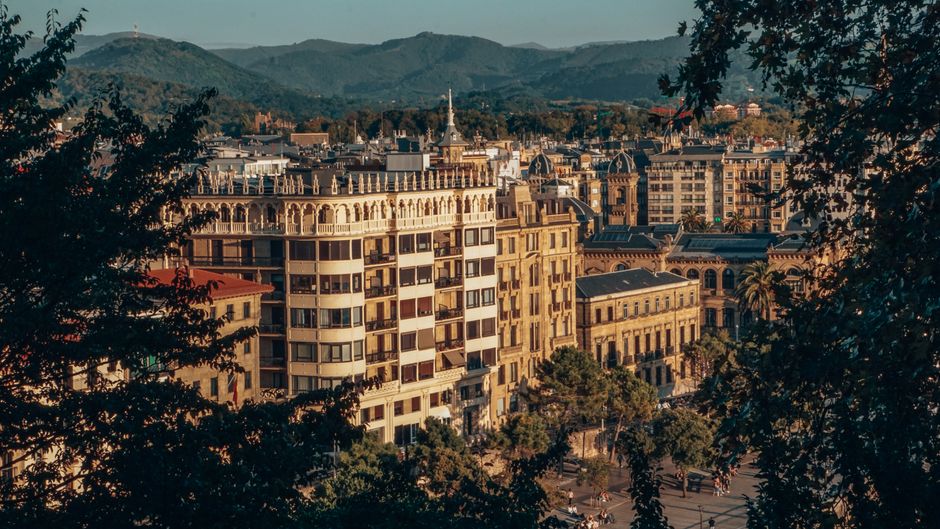
These two cities are where Spain’s food culture gets serious. If you’re a foodie, you’ll have a great time. If you’re not, you’ll still enjoy the vibe.
San Sebastián — Pintxos paradise (and yes, it can be pricey)
San Sebastián is elegant, coastal, and built around food culture—pintxos are the headline.
What to do:
- Pintxos crawl: pick a route and bounce from bar to bar.
- Playa de la Concha for the classic bay views.
- Monte Igueldo or similar viewpoints for a change of scenery.
- Old Town wandering in the evening—this is where it comes alive.
Budget reality:
- San Sebastián can be one of Spain’s more expensive cities.
- A pintxos night can range from €30–€80+ depending on how many places you hit and what you drink.
Trade-offs:
- It’s popular. Summer and weekends can be packed.
- Some spots charge a premium—wander a little before you commit.
Best time:
- Late spring / early autumn.
Bilbao — The art-forward Basque city
Bilbao surprised me—in a good way. It’s less “pretty postcard” and more modern, bold, and artsy, with real warmth once you get into the rhythm.
What to do:
- Guggenheim Museum (the building alone is worth the visit).
- Riverside walks to get your bearings.
- Food stops: Bilbao has great pintxos culture too.
Trade-offs:
- Some people find it less visually “romantic” than San Sebastián.
Best time:
- Spring and autumn for comfortable wandering.
Pintxos game plan (so you don’t overthink it)
You can absolutely make this easy:
- Start with 1–2 pintxos per bar, not a massive order everywhere.
- If you see a bar full of locals, that’s usually a good sign.
- Ask what’s fresh if you can—places often have a few daily specials.
Quick budget pointers:
- Many pintxos are priced per item; your total is mostly about how many stops you make.
Andalusia Heat & History: Seville + Córdoba + Granada
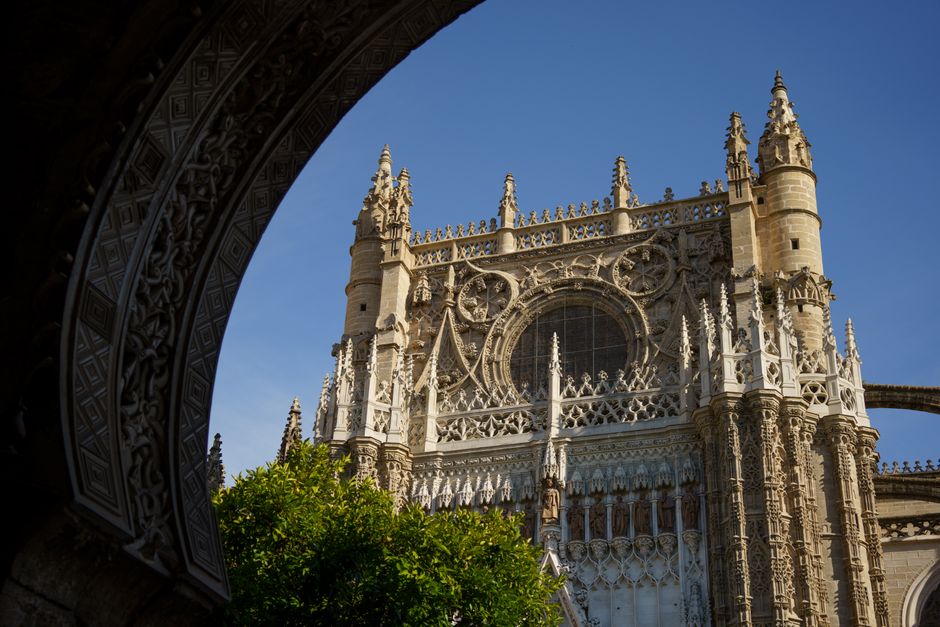
This is the part of Spain that feels like it belongs in a story. The colours, the history, the evenings—amazing. Also: summer is hot, and some of the big sights get slammed.
Seville — Flamenco energy and patio-day dreams
Seville is dramatic, lively, and deeply historic. The evenings are a big part of why people fall for it.
What to do:
- Seville Cathedral + Giralda area (plan for lines—arrive early).
- Real Alcázar (stunning gardens and architecture).
- Wander the Santa Cruz neighbourhood.
- Evening strolls for atmosphere—this city shines when the light changes.
Budget reality:
- Main attraction tickets: often €15–€40 depending on what you combine.
Trade-offs:
- In peak times it can be crowded.
- Summer heat can slow you down—do indoor sights early, then plan outdoor time.
Córdoba — Mesmerising history in every direction
Córdoba feels compact and incredibly rewarding. It’s one of the best “walk and get rewarded” cities.
What to do:
- Explore the most iconic historic site(s) in the city centre.
- Wander the neighbourhood streets for that old-world feel.
- Plan a slower pace—this is a “linger” place.
Trade-offs:
- It can get crowded around the biggest attraction, so time your visit.
Granada — Alhambra wow-factor (but book your tickets)
Granada is all about the big one: the Alhambra. Even if you’re not a “history museum” person, you’ll probably love it.
What to do:
- Alhambra visit (this is the cornerstone—book early and lock in timed entry).
- Wander the Albaicín area for views and atmospheric streets.
- Build your day around light: mornings for sights, later hours for neighbourhood wandering.
Trade-offs:
- Crowds are real.
- Tickets can sell out ahead of time.
Best time:
- Spring and early autumn.
Southern Coast Charm: Málaga + Cádiz
If you want Spain’s vibe without going full “historic marathon,” these two are great for mixing culture with sea time.
Málaga — A base city with serious personality
Málaga is a smart choice if you also want beach access or day trips.
What to do:
- Explore the city centre and its main sights.
- Visit key museums/attractions you’re most excited about (don’t try to tick every box).
- If you’re staying a few days, squeeze in an easy escape to the coast.
Trade-offs:
- It’s not as “wow” on every street as some headline cities.
- But it’s excellent for pacing your trip.
Cádiz — Windy, charming, and genuinely different
Cádiz can surprise you—in a good way. It feels more laid-back and coastal than a lot of the bigger Andalusian hubs.
What to do:
- Old town wandering (aim for the calmer streets rather than only the main front).
- Waterfront walks.
- Seafood and local snacks—this is a good place to eat without overplanning.
Trade-offs:
- Depending on the season, it can be windy. Bring a layer.
Best season & how to mix beach + city
If your goal is “culture in the morning, sea in the afternoon”:
- Plan beach time for late morning into early afternoon.
- Do museums / major sights earlier to avoid the strongest midday fatigue.
How much time to give:
- Málaga: 2–3 days
- Cádiz: 2 days
Plan Your Spain Route (Without Burning Days)
Here’s the part that actually saves your trip: stitching cities together so you’re not spending half your holiday in transit.
Suggested itineraries by length
Pick one of these based on how many days you’ve got:
- 5–7 days (high impact intro): Barcelona (3) + Valencia (2–3)
- 7–9 days (classic Spain): Madrid (4) + Toledo (1) + Seville (2–3)
- 10–12 days (food + history): Madrid (3–4) + Toledo (1) + San Sebastián (2) + Bilbao (1–2) + Seville (2–3)
- 12–14 days (Andalusia-heavy): Seville (3) + Córdoba (2) + Granada (3) + Málaga (2) + Cádiz (2)
Trade-off note: if you pack in too many “big hitters,” you’ll spend more time in transit lines than on the streets.
Getting around (train vs flight) the practical way
General rule of thumb:
- Trains are usually best for major city connections in Spain, especially when you’re travelling between big hubs.
- Flights can be worth it for longer distances if it saves a full day—but account for airport time.
To keep it simple:
- Book train tickets early if you know your dates (pricing tends to rise).
- Try to avoid “same-day” back-to-back long connections.
Where to stay: pick neighbourhoods like a local
Instead of chasing the cheapest place far out, aim for convenience.
My rough neighbourhood logic:
- Choose areas with easy walking to at least one anchor (old town / main square / waterfront).
- Stay near a metro/train stop if the city is spread out.
- If you hate noise, avoid the most nightlife-heavy streets—yes, they’re fun, but they can be loud.
Budget quick check:
- Big cities near top attractions often cost more.
- If your budget is tight, staying 10–20 minutes farther out (with easy transit) can be the difference between “nice trip” and “constant budget stress.”
Closing Thoughts
So there you go—my 11 best cities to visit in Spain, from Mediterranean energy to Basque food missions and full-on Andalusian magic.
If you take one thing from me: don’t try to do everything. Pick a route that matches your travel personality—do you want museums and big landmarks, or beach time and evenings out?
And wherever you end up, start early, book the few timed-entry sights (especially Alhambra and major Gaudí/major attractions), and give yourself room to wander. Spain rewards the slow moments.
Enjoy your planning—and enjoy the trip. Safe travels, my friend.


