Hey there travel enthusiasts and welcome to my post where we will check out my 7 best beginner-friendly countries in Asia to visit this year.
I’m going to be real with you: “best” depends on what you like (food vs. nature, calm beaches vs. nonstop cities, history depth vs. quick hits). But for first timers, there are a few things that consistently make a country easier—clear tourist infrastructure, affordable day-to-day costs, strong transport options, and experiences that don’t require you to be an expert planner.
Below, I’ll walk you through seven countries that are typically smooth for newcomers. I’ll also call out the trade-offs, because Asia can be amazing and overwhelming in the same breath.
How I pick the best first-timer countries in Asia
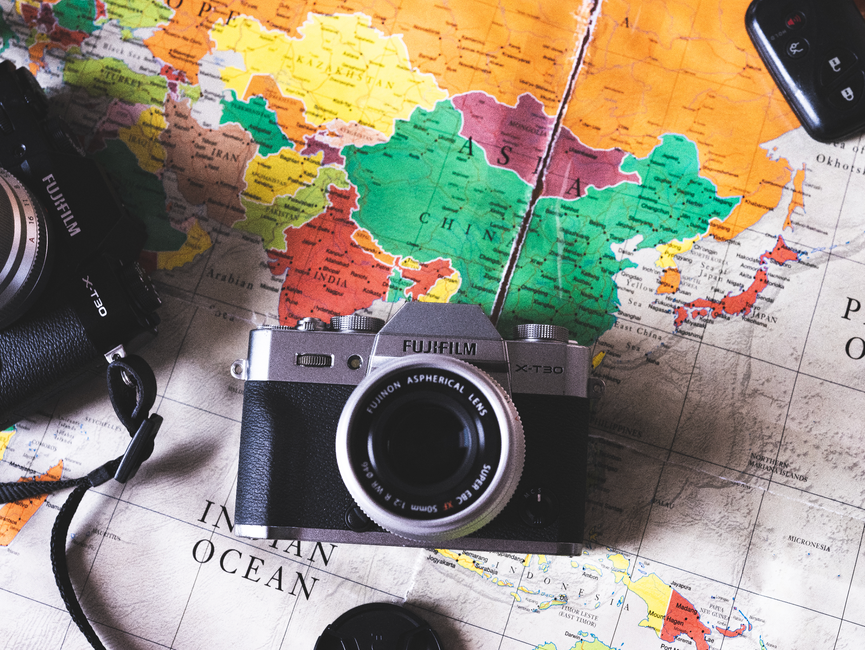
Before we jump into the countdown, here’s how I choose places that won’t punish you for being new.
Go where entry and movement feel straightforward
When I’m helping a friend plan their “first time in Asia” trip, I look for:
- Multiple airport-to-city options (easy taxis, rideshares, trains/metros)
- Tourism infrastructure that’s mature (clear signs, lots of agencies, abundant tours)
- “Practical English” environments (not perfect everywhere, but you’re rarely stranded)
- Public transport that works—or at least taxis that are reliable
Pick timing based on weather—not just “best months”
Weather can make or break a first trip.
- Aim for shoulder seasons when crowds and prices are a bit calmer.
- Avoid extreme monsoon periods if you’re not set up for it.
- Plan around heat + humidity if you’re doing street-food and long walking days.
Tip from me: if you’re unsure, pick a country first, then choose your exact dates by checking a couple of weather averages and rainfall charts.
Budget reality check (Asia can be cheap—until it isn’t)
Asia often is good value, but costs spike when you choose:
- Private tours every day
- Too many domestic flights
- Ultra-peak accommodation during festivals
- “Convenience” add-ons (airport transfers that cost way more than they should)
A rough mental model for a first-timer trip:
- Budget mode: comfortable basics, lots of street food, trains/buses, a couple tours.
- Mid-range mode: better hotels, a few guided experiences, more taxis/short transfers.
Safety and scams: be smart, not scared
Most tourist areas are safe, but you should still do the boring stuff:
- Keep valuables secure in busy transit hubs.
- Agree on prices before rides where there’s no meter.
- Use official ticket counters for tours and transport.
- Trust your gut—if it feels off, it probably is.
Alright—now let’s get to the fun part.
East Asia starter: Japan

Japan is one of those countries that can feel “easy” even if it’s not the cheapest. For first timers, it’s a fantastic mix of efficient cities, unforgettable food, and day trips that are genuinely worth the effort.
Why Japan is such a great first-timer country
- Navigation is straightforward: signage is clear, and public transport is very reliable.
- Food experiences are everywhere: ramen, sushi, izakayas—plus plenty of vegetarian-friendly options depending on where you stay.
- Safety is a big win: you’ll feel comfortable walking around most areas.
Trade-off to know upfront:
- It can be more expensive than many other Asian countries, especially for accommodation.
- Some experiences are booked up quickly in peak seasons.
Where to go first (so you don’t overplan)
If you’re visiting for the first time, I’d keep it simple:
- Tokyo: neighborhoods like Shinjuku, Asakusa, and Akihabara (pick 2–3 areas rather than trying to do everything).
- Kyoto: temples, traditional streets, and day-trip energy.
- Osaka: food + a more relaxed vibe.
- Optional add-on (if you have time): a countryside day trip or a longer rail hop to a less touristy area.
Practical first-trip tips that save stress
Here’s what I tell people who are nervous about Japan:
- Start with a transit plan: research your likely routes and book major legs early if needed.
- Stay near major stations (you’ll thank yourself after a long day).
- Carry a small amount of cash, because not every tiny spot takes cards.
- Do 1–2 guided experiences (a food tour or a temple-focused walk) and keep the rest flexible.
The trade-offs (yes, there are a few)
Japan is brilliant, but not perfect:
- Crowds are real at top sights—go early and stay out of the late-morning crush when possible.
- Etiquette matters: quiet carriage rules, trash disposal, and general respect.
- Language barrier isn’t scary, but it can be slightly annoying when you want “last-minute help.”
Southeast Asia sweet spots: Thailand & Malaysia
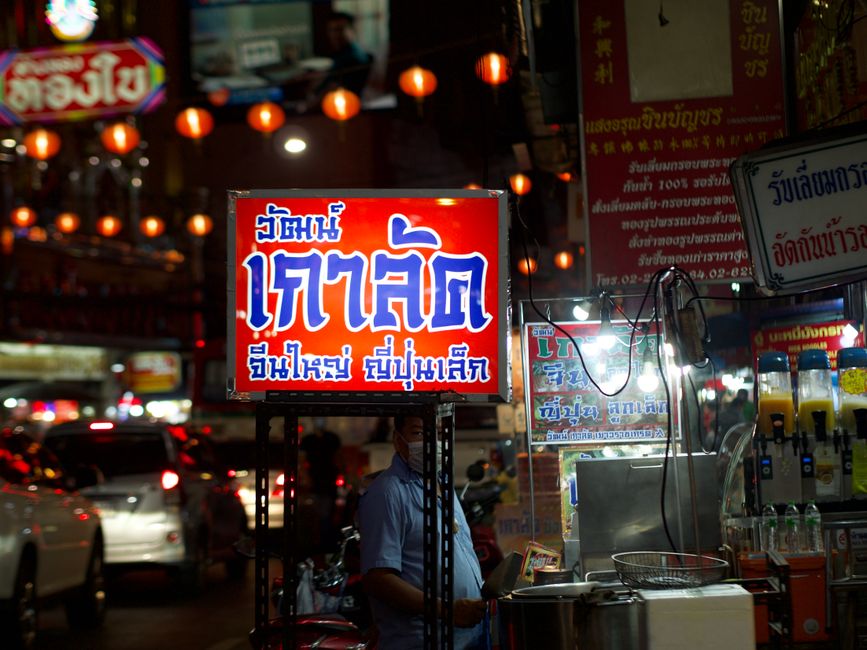
If Japan is the “comfortable and efficient” pick, Thailand and Malaysia are the “vibrant and flexible” picks. They’re both excellent for first timers—just in different ways.
Thailand: beaches, temples, and the best kind of chaos
Thailand is famous for a reason. You can go from street-food heaven to calm islands and back again without it feeling like a logistical nightmare.
What I love for first-timers:
- Super beginner-friendly tourist setup (tours, transport options, lots of English)
- Value for money compared with many Western destinations
- A huge range of experiences: Bangkok energy, northern culture, island lounging
Trade-offs:
- Expect crowds in Bangkok and on popular islands.
- Some tourist areas can feel “too touristy” if you only stick to the hotspots.
- Weather can be a factor depending on the exact season.
Where to start (a good first route):
- Bangkok: 2–4 days for temples + food + day trips.
- One northern base: like Chiang Mai area (culture, markets, nature day tours).
- One beach/island chunk: pick one and commit—don’t try to hop too much.
Malaysia: smoother city life plus incredible food
Malaysia is often underestimated by first-timers, and that’s a shame—especially if you like a mix of modern cities, historic neighborhoods, and easy access to nature.
Why it works well for newcomers:
- Diverse food scene that’s genuinely world-class
- Easy urban experiences (think markets, night life, cultural districts)
- Great “choose-your-pace” travel: you can do cities only, or add beaches and rainforest
Where I’d start:
- Kuala Lumpur: the easiest entry point and a great base for first travel days.
- Melaka (Malacca): if you want history and a calmer vibe.
- Optional nature add-on: if you’re up for it, you can extend toward rainforest areas or nearby islands.
If you want one trip that combines both
A common beginner-friendly combination looks like:
- Thailand (city + culture) → Malaysia (food + city + day trips)
To keep it manageable:
- Don’t change cities every day.
- Keep 2 bases max at a time.
- Build in rest time so you can actually enjoy the trip instead of just “arriving.”
What to watch for (so your trip stays fun)
A few practical notes from experience:
- In tourist hotspots, prices can be inflated—ask or check before committing.
- Heat + humidity is real: plan indoor breaks.
- Street food is amazing, but choose busy stalls with high turnover and fresh-looking ingredients.
Vietnam: the “big wow” factor with a smart route

Vietnam is one of my favorite “first Asia” recommendations because it’s intense in the best way: great food, gorgeous scenery, and history that hits you emotionally. The secret is choosing a route that fits your energy.
Why Vietnam is great for first-timers
- Food is consistently excellent—and cheap enough that you can try a lot.
- Transport options are flexible (buses, trains, domestic flights).
- Visually, it’s a feast: cities, countryside, rivers, bays.
Trade-offs:
- It can feel fast-moving if you plan too many stops.
- Some areas are not designed for ultra-easy navigation off the tourist trail.
Best first route (without the “too much travel” problem)
A beginner-friendly Vietnam route usually includes:
- Hanoi (north): old quarter vibes, history, day trips to nearby countryside.
- Central Vietnam: coastal energy and iconic landscapes.
- Saigon / Ho Chi Minh City (south): markets, food, and a different cultural tempo.
My advice:
- Pick 3 regions maximum for your first trip.
- Stay at least 2 nights per major base so you’re not always packing.
Food + markets: how to do it safely and confidently
Vietnam is famous for eating your way through the country.
To keep it enjoyable:
- Go where locals go (look for steady lines and turnover).
- Start with popular, well-known dishes if you’re cautious.
- If you’re sensitive to spicy food, don’t be afraid to request “less spicy.”
Timing matters (and it’s not just about rain)
Vietnam’s weather can vary by region and season.
- If you want maximum comfort for walking and day trips, plan around the more stable months for the specific regions you’ll visit.
- If you do travel during rainy periods, shift your day around it (museums, cafés, short activities).
Island time in Indonesia & Sri Lanka
If your idea of “first trip to Asia” includes beaches, temples, and nature that feels dramatic, these two are strong contenders. They’re not identical—Indonesia is bigger and more island-hoppy; Sri Lanka feels more compact and often easier for a short trip.
Indonesia (especially Bali): the easy entry into island culture
Indonesia can be a life-changing trip, but it helps to start with a manageable “island plan.” Bali is the most beginner-friendly launchpad for many travelers.
Why Indonesia works:
- A huge range of experiences: beaches, volcano views, waterfalls, cultural sites.
- Infrastructure for tourists is strong on popular islands.
- Plenty of accommodation choices for every budget.
Trade-offs:
- Indonesia is large—domestic travel can add time and cost.
- Some areas are crowded in peak season.
A smart first-timer approach:
- Base in Bali for a week or so.
- Consider 1–2 day trips rather than moving too often.
- Add another island only if you’re confident with logistics.
Sri Lanka: small island, big variety
Sri Lanka is one of those places where you can feel the country in a relatively short time: beaches, trains through the hills, tea country, and ancient ruins.
Why first timers like it:
- Less “overwhelming scale” than bigger countries.
- Great scenery per day—you won’t need constant long drives to feel like you’re seeing something.
- A strong mix of culture + nature.
Trade-offs:
- Some public transport can be slower than you expect.
- If you want constant nightlife, you may find it quieter than other destinations.
How to choose between Indonesia and Sri Lanka
Here’s the quick decision guide I use:
- Choose Indonesia if you want variety across islands, big resort energy (if you like it), and lots of activities.
- Choose Sri Lanka if you want a more compact journey, scenic train rides, and a slower pace with dramatic landscapes.
A simple “beginner itinerary style” combo idea
If you’re the kind of traveler who loves building from one base:
- Indonesia plan: 5–8 days Bali + a couple day trips (keep it simple).
- Sri Lanka plan: 7–10 days with 2–3 key zones (tea hills/central, beaches, one cultural area).
The best part: both countries reward you for not trying to do everything.
India: overwhelming at first… then unforgettable
I’m not going to pretend India is “easy.” It can be intense. But if you’re a first-timer who can handle a bit of chaos, India is one of the most rewarding countries in Asia.
What makes India worth it for beginners
- Incredible history and culture—you’ll feel it in monuments, markets, and daily life.
- Massive food variety and spice culture (from mild to “wow okay” hot).
- The scale is part of the experience—but you can structure it so it doesn’t overwhelm you.
Trade-offs:
- It can be busy, loud, and sometimes frustrating with planning.
- Transport distances can be longer than you think.
A beginner-friendly route: the Golden Triangle (classic for a reason)
If you’re first-timing India, a classic route helps you avoid decision fatigue.
A typical outline:
- Delhi: history + modern city energy.
- Agra: iconic monuments (including the Taj Mahal area).
- Jaipur: forts, palaces, and colorful markets.
Practical approach:
- Plan enough time in each city so you’re not rushing.
- Book major experiences in advance when possible.
Practical tips that make India feel smoother
A few things that usually help travelers a lot:
- Use reputable guides/transport for big-ticket sightseeing.
- Dress comfortably for warm weather, and be respectful at religious sites.
- Keep a simple daily rhythm: early start for major sights, midday break, evening explorations.
- Expect that you might need patience—this is not a “do everything fast” country.
Food and comfort: make it enjoyable, not stressful
India food can be amazing, but you should ease in:
- Start with widely loved dishes and don’t jump to the spiciest options immediately.
- If you’re sensitive to street food, stick to busy places and places with good hygiene standards.
- Carry water and take breaks.
Wrap-up: pick your vibe, then pick your base
If you’re a first timer in Asia, the best move is to choose a country that matches your travel personality—then keep the plan simple.
Here’s my quick cheat sheet:
- Want reliable infrastructure and safety (with amazing food): Japan
- Want temples, beaches, and a lively atmosphere: Thailand
- Want big scenery and effortless food variety: Vietnam
- Want island culture and lots of activities: Indonesia (Bali as a beginner base)
- Want a compact, food-forward trip with culture + nature: Sri Lanka
- Want city buzz plus an easy country vibe for first-timers: Malaysia
- Want a life-changing challenge (structured): India
If you tell me how long you’ve got, your budget range, and whether you prefer city-stays or nature, I can suggest the cleanest 2–3 country combo for your exact first-timer trip style.


