Hey there travel enthusiasts and welcome to my post where we will check out my 10 best Greek islands to visit this year.
If you’ve ever stared at a map of Greece and thought “okay… where do I even start?”, you’re in the right place. Greece doesn’t do “one-size-fits-all”—Santorini can be magical and ridiculously pricey in the same hour, while Naxos can feel like Greece of the movies without the eye-watering bill.
I’m going to keep this practical: where each island shines, what it’s like to travel there, and the trade-offs you should know before you book.
First: How to Pick the Best Greek Islands for Your Trip
Match the island to the mood you want
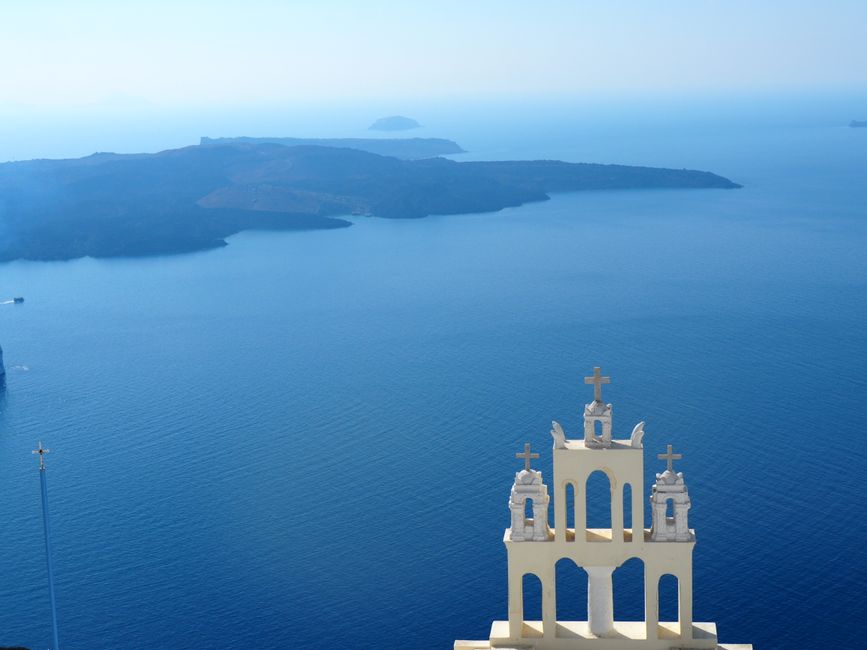
Some islands are all about postcard viewpoints and sunset cruises. Others are about long beach days, scooter loops, and late-night tavernas.
Here’s the cheat sheet I use:
- Romance + wow-factor: Santorini, Corfu
- Villages, food, and “real Greece”: Naxos, Paros, Crete
- Beach hopping + variety: Milos, Zakynthos, Kefalonia
- Party (or at least lively nights): Mykonos, Rhodes (in season)
- History + walkable old towns: Rhodes, Corfu
- Slow travel + nature: Crete, Kefalonia, Karpathos (if you want something quieter)
Timing matters more than people admit
Greece in summer is brilliant—also busy. The “best” island depends on whether you’re going in peak season.
My rule of thumb:
- Late April to June: great weather, fewer crowds (often the sweet spot)
- July and August: hot, crowded, and prices creep up
- September: still beach weather, but you’ll feel a bit more breathing room
- October: lovely if you’re okay with cooler evenings and fewer beach-club vibes
Budget reality check (so you don’t get surprised)
Some islands are famous for a reason—and you pay for it.
Typical money vibes (very rough):
- Usually higher: Santorini, Mykonos
- Usually mid-range: Paros, Milos, Rhodes
- Often better value: Naxos, Crete, Kefalonia
And the sneaky cost factor:
- If you’re choosing one “base” and doing boat days, you can stretch your budget.
- If you’re changing areas every day, you’ll burn money on transfers.
My Top 3 Greek Islands for First-Timers (Go-to Choices)
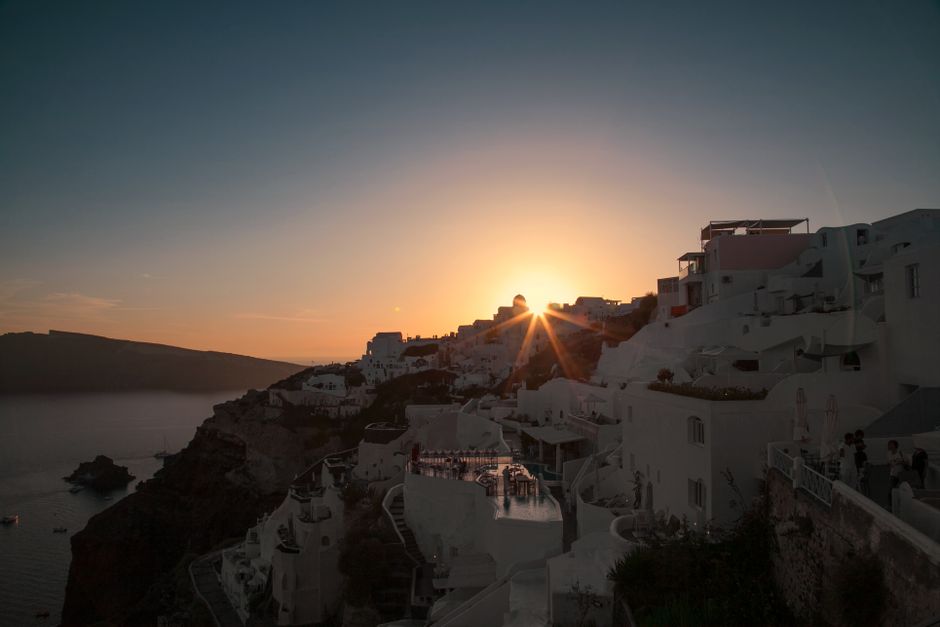
Santorini: the postcard island (and the expensive one)
Let’s talk trade-offs upfront: Santorini is incredible, but it’s not “cheap Greece.”
What you’ll love:
- Iconic views—white buildings stacked over cliffs
- Sunset culture—expect crowds around the best viewpoints
- Easy day plans—think volcano/thermal boat trips and photogenic coastal stops
What might annoy you:
- Queues in peak season (especially near the main caldera areas)
- Tourist pricing—tours and dining can feel marked up
- Steep walking if you’re based in cliff towns (and not on the caldera edge)
How I’d do it:
- Stay a bit away from the busiest caldera hotspots if you want a calmer base.
- Plan sunset earlier than you think—arrive before the “golden hour rush.”
Mykonos: party energy with some calmer corners
Mykonos is basically two islands in one: lively nightlife near the center, and quieter beaches and inland villages if you move around.
What you’ll love:
- Beach clubs and late nights (if that’s your thing)
- Cute streets—windmills, whitewashed houses, wandering for hours
What might annoy you:
- Crowds—even if you’re not a “party person,” you’ll still feel it
- Prices—some restaurants and beach setups can be pricey
How I’d do it:
- If you want “my vibe” more than “everyone’s vibe,” build in one full day off from the main strip.
- Pick a beach area and commit—jumping around all day gets exhausting.
Corfu: greener, more romantic, and often overlooked
Corfu has a different feel. It’s greener and more relaxed than the Cyclades, with history, coastline variety, and plenty of places to just… wander.
What you’ll love:
- Scenery—lush landscapes and coastline variety
- Old-town vibes—history you can actually explore on foot
- A good mix of beach + culture
What to watch:
- It’s not always as “wow-photo” dramatic as Santorini, so manage expectations.
How I’d do it:
- Use the island to split your time between a walkable base and the coastline.
The Cyclades Sweet Spot: Naxos, Paros, and Milos (Great for Real Travel)
Naxos: the “big island, good value” choice
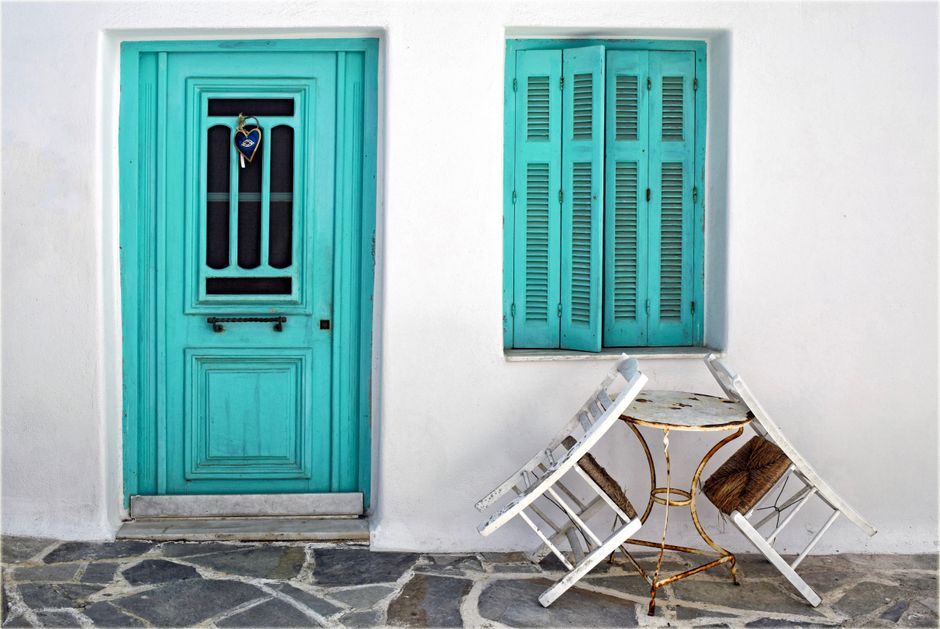
If you want Cyclades vibes without feeling like you’re paying premium prices for everything, Naxos is a strong pick.
What you’ll love:
- Longer stays feel worth it—more to do than “one sunset view”
- Great walking and countryside (when you’re not in beach mode)
- Good food and local character
Trade-offs:
- Less “instant Instagram jaw-drop” than Santorini or Mykonos—but in return, it feels more lived-in.
Practical approach:
- Plan beach days + a couple of inland/old-stone stops.
Paros: beachy, pretty, and usually a bit calmer
Paros sits in a nice zone: still very much Cyclades, but often less chaotic than the biggest names.
What you’ll love:
- Pretty bays and easy beach access
- Charming towns for an evening stroll and dinner
Trade-offs:
- In peak season, it can still get busy—just not as “everyone is here” as Mykonos.
How I’d do it:
- Choose one main base (for reducing logistics), then do beach hopping with day trips.
Milos: dramatic coastline without the same hype tax
Milos is one of my favorite “this is why Greece is unfair” islands—stunning landscapes and beaches, with a vibe that’s more relaxed than the ultra-famous options.
What you’ll love:
- Cove-style beaches and dramatic coastal scenery
- Boat-day energy—there are plenty of places that feel best from the water
- A more grounded feel than the headline islands
Trade-offs:
- If you need non-stop nightlife, Milos won’t feel like Mykonos. It’s more about scenery, seafood, and slow days.
My tip:
- If you do one thing here, make it a proper day exploring the coastline.
Ionian Coast Energy: Corfu, Zakynthos, and Kefalonia for Beaches + Nature
Zakynthos: beaches that earn their reputation
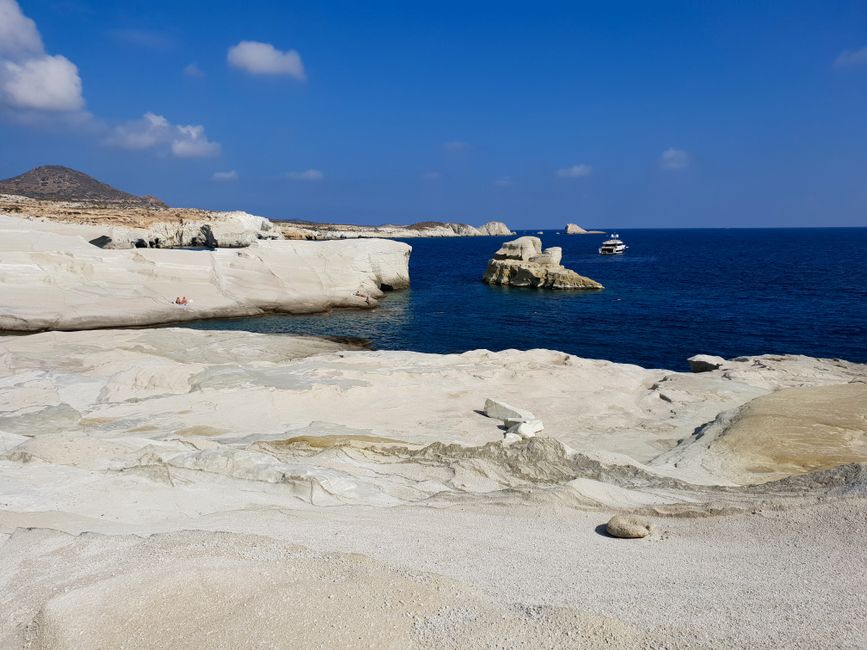
Zakynthos is famous for a reason—some of its coastline looks like it’s been photoshopped.
What you’ll love:
- Big beach highlights and dramatic coastal views
- Plenty of day-trip energy if you like exploring
Trade-offs:
- In peak season, some areas get crowded fast.
- If you’re after quiet countryside, you’ll want to pick your base carefully and not stay only near the busiest strips.
Best approach:
- Base yourself somewhere that gives you easy access to the main highlights, then branch out.
Kefalonia: value-friendly, scenic, and great for road trips
Kefalonia is a “do it your way” island. It feels a bit more budget-friendly than some of the flashier places, and it’s excellent for travelers who don’t mind driving.
What you’ll love:
- Varied scenery—coastlines, inland roads, and viewpoints
- Beaches with personality
- Often a more relaxed atmosphere
Trade-offs:
- You’ll get more out of Kefalonia if you’re open to getting around (rather than staying in one tiny bubble).
How I’d do it:
- Plan a route: a couple of beach stops, a viewpoint or two, and a long lunch in between.
Corfu (again): why it keeps making my list
If you’re torn between “island vacation” and “culture break,” Corfu is one of the best balances.
What I’d do with your time:
- Split days between old-town wandering and coastline / countryside time.
- Don’t rush it—Corfu rewards a slower pace.
History, Culture, and the Big-Can’t-Do-It-All Island: Rhodes and Crete
Rhodes: medieval vibes + easy sightseeing
Rhodes has that “you can walk through history” feel. It’s also great if you want beaches but don’t want to lose the cultural side.
What you’ll love:
- Old Town energy—great for wandering and photos
- A mix of beaches and sightseeing
- It’s a solid place if you want one island that does a lot
Trade-offs:
- Like most popular Greek islands, it can be busy in summer.
How I’d do it:
- Spend time in the historic core early morning or late evening to avoid the peak crowds.
Crete: the “choose-your-adventure” island
Crete is the largest Greek island, which means it doesn’t have to please everyone in one area. You can build your trip around beaches, mountains, small towns, and food.
What you’ll love:
- Massive variety—beach to mountains is possible in a single trip
- Food culture—Crete’s tavernas are a big part of the appeal
- Great for longer stays
Trade-offs:
- It’s not a “walk to everything in one compact town” island.
- If you want postcard cliffs and caldera views every day, Crete isn’t that kind of place.
My practical advice:
- Pick one or two regions and commit. Trying to do the entire island in a week often turns into logistics stress.
A quiet bonus pick: Karpathos (if you like the road less traveled)
If you’re willing to go a bit off the main routes, Karpathos can feel like a “less performative” Greek island—more about beaches, villages, and slower travel.
What you’ll love:
- More breathing room
- A calmer rhythm than the headline islands
Trade-off:
- You’ll want to plan routes and transport with more intention.
Practical Tips That Actually Save You Money (and headaches)
Ferries vs flights: choose based on how you think
Greek island hopping is amazing, but transport can become the monster in your schedule if you’re not careful.
My rule:
- Do fewer legs if you want a relaxed trip.
- Do more legs only if you enjoy planning and packing.
General guidance (without pretending every route is the same):
- Ferries are common between islands and from Athens.
- High summer routes can be more frequent, but they’re also busier.
- Book ahead if you’re traveling in peak months—especially for popular departure times.
Where to stay: base yourself smart
You’ll have a better time if your accommodation location reduces daily stress.
Here’s what I look for:
- Walkable evenings (so you’re not depending on taxis every night)
- Easy access to a beach or a quick ride to one
- A calmer backup plan if the weather turns
Trade-offs to consider:
- Staying in the “best view zone” can mean steep steps, noise, or higher prices.
- Staying slightly outside the center can save money and sleep.
Getting around: scooters are fun until they aren’t
Scooters and small cars are common, but they’re not always the best fit for everyone.
Be honest with yourself:
- If you’re not a confident rider, consider organized transport or taxis for key days.
- If you’re traveling with lots of bags or visiting multiple beaches, driving fatigue is real.
Also, watch for:
- Parking stress in the busiest islands.
- Heat and sun—plan breaks and hydration like it’s part of the itinerary.
Avoid the “tourist trap” feeling
This is how I keep my trips from turning into queue management.
My go-to tactics:
- Choose one major “must-see” per day, not five.
- Eat where locals look like they’re actually hanging out (not just where the menu has five languages and a stopwatch).
- If a sunset viewpoint is fully packed, it’s okay to step back—another viewpoint can still be gorgeous.
Wrapping Up: My Best Greek Island Picks (in Plain English)
If you want my quick shortlist:
- Most iconic: Santorini (just be ready to pay and deal with crowds)
- Best mix of party + beaches: Mykonos (lively, but plan a calmer rhythm)
- Best “value + Cyclades charm”: Naxos and Paros
- Best for dramatic coastline with a calmer vibe: Milos
- Best for greenery and culture: Corfu
- Best for beach variety: Zakynthos and Kefalonia
- Best for history + all-round travel: Rhodes
- Best for long-trip variety: Crete
The best Greek island isn’t the one with the most hype—it’s the one that matches your pace. If you tell me your travel month, your budget level (shoestring/mid-range/splurge), and whether you prefer beaches, food, or history most, I can narrow it down to a perfect 2–3 island plan.