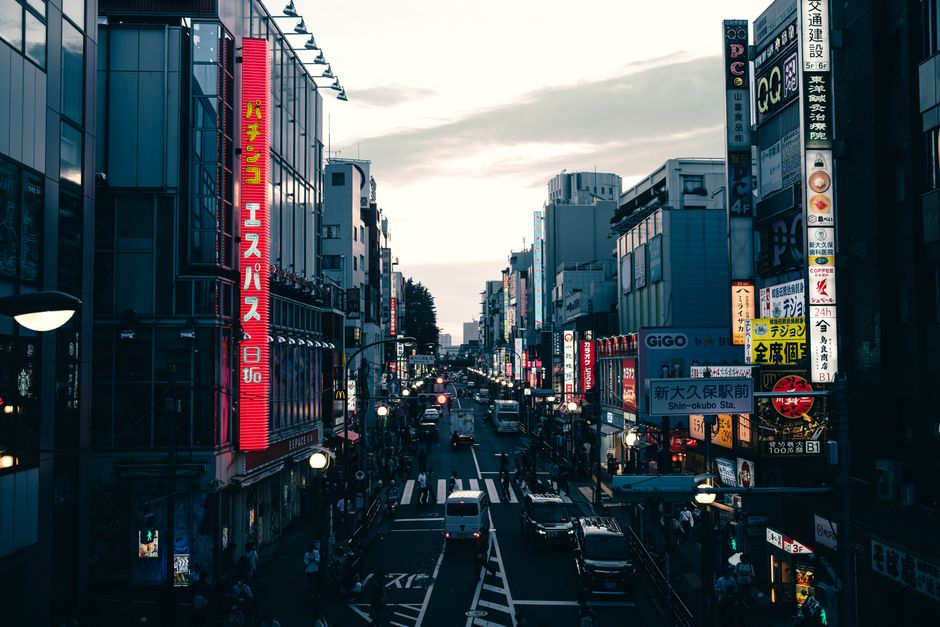
Hey fellow travelers—if you’re landing in Tokyo for the first time, Shinjuku is usually where you want to stay… but only if you pick the right side of it.
This guide walks you through the best areas near Shinjuku Station, ranked for convenience, transit access, nightlife vs sleep quality, and how easy they are for day trips.
The Best Areas to Stay Near Shinjuku Station (Ranked for First-Timers)

Below are the 7 best areas around Shinjuku Station. I’m ranking them based on:
- How easy it is to get around (JR + metro connections)
- Nightlife energy vs how quiet you can actually sleep
- How straightforward day trips feel (mostly a transit/starting-point question)
- How stressful it is to find your bearings after a long day
1) Nishi-Shinjuku (West): sleek, practical, and usually calmer
This is the zone I’d send most first-timers to when you want “Tokyo, but with a sanity buffer.” Think skyscrapers, big roads, and hotels that cater to business travelers.
Where it shines:
- Transit convenience: very strong for getting onto multiple JR and metro routes
- Sleep quality: generally better than the busiest nightlife streets
- Day trips: easy because you’re positioned well for onward train access
You’ll love it if:
- You want to explore all day, then actually feel human at night.
Trade-offs:
- It can feel a bit more “efficient Tokyo” than “wandering Tokyo,” especially late at night when you want small, spontaneous street vibes.
2) Shinjuku-sanchome: the sweet spot between everything
If you want walkable convenience without going full party mode, Shinjuku-sanchome is a great bet.
Where it shines:
- Transit access: easy links for metro browsing and getting to JR connections
- Food + nightlife: plentiful, but you can choose quieter streets if you book well
- Day trips: typically straightforward because you can reach major connections without long journeys
You’ll love it if:
- You want to try bars, izakaya, and late-night snacks, but you don’t want your room shaking.
Trade-offs:
- Some blocks are louder than others. Your “close to everything” might also mean “close to late-night footsteps.”
3) Shinjuku Station West / Central JR Gates: maximal convenience, some noise
This area is all about being close to the station core—perfect when you’re constantly moving around.
Where it shines:
- Transit convenience: you’re right where the action and connections are
- Short walks: great if you hate hauling luggage through Tokyo streets
You’ll love it if:
- You’re doing a lot of line-hopping day-to-day and want minimal friction.
Trade-offs:
- You can get more foot traffic, especially evenings. It’s not automatically bad—just more likely to be busy outside your window.
4) Higashi-Shinjuku (East): a little calmer while staying well connected
Higashi-Shinjuku is a smart compromise: still close enough to Shinjuku to be convenient, but often a bit less intense than the loudest pockets.
Where it shines:
- Balance: good mix of convenience and livability
- Sleep quality: tends to be better than the most nightlife-heavy streets
- Day trips: still easy because you’re plugged into the broader Shinjuku transport network
You’ll love it if:
- You want easy access, but you’re not trying to pick your way through late-night crowds every night.
Trade-offs:
- It can feel slightly more residential depending on the exact street.
5) Kabukicho / East Shinjuku edges: maximum energy (and maximum chaos risk)
This is the famous, neon-soaked area people picture when they think “Shinjuku nightlife.” It’s fun—just don’t assume all-night energy will magically stop at your hotel door.
Where it shines:
- Nightlife: you’re truly in the middle of things
- Convenience: late-night food and quick access to bars are basically guaranteed
You’ll love it if:
- You’ll go out and return late, and you don’t mind noise as part of the experience.
Trade-offs:
- For first-timers who want peaceful mornings, this is the area that most often causes regrets.
- If you’re sensitive to sound, you’ll want to book carefully (more on that below).
6) Okubo: lively, local, and a bit less “tourist Shinjuku”
Okubo is known for being a more distinct, neighborhood-feeling area near Shinjuku. It’s not “quiet,” but it can be more interesting than generic city convenience.
Where it shines:
- Food and atmosphere: lots of character, especially around the local streets
- Day-to-day fun: good for travelers who like to wander
Trade-offs:
- You’ll still be near Shinjuku, but you might not have the same “I can reach everything instantly” feeling as you do from the station core.
7) Yoyogi / Sendagaya (near Shinjuku): quieter bases with easy access
If you want to sleep well and still reach Shinjuku fast, look this way. It’s a calmer vibe zone that feels like a breather from the bigger-city buzz.
Where it shines:
- Sleep quality: generally better than the thickest nightlife areas
- Day trips: still doable because you’re positioned for fast onward routes
- First-timer sanity: you’re less overwhelmed when you return
Trade-offs:
- You’re not as “on top of the station” as the West/Central JR areas.
- Expect a little more walking or a short ride depending on where exactly you pick.
Match the Area to Your Travel Style (Nightlife vs Sleep)

If you want nightlife but don’t want chaos in your room
Aim for:
- Nishi-Shinjuku for the calmer base
- Shinjuku-sanchome if you want food and easy wandering
Avoid (or be picky about the exact street):
- Kabukicho / East Shinjuku edges if you’re a light sleeper
A quick reality check:
- You can have fun in Shinjuku without staying right inside the loudest blocks.
If you care more about sleep than sightseeing energy
Aim for:
- Nishi-Shinjuku
- Higashi-Shinjuku
- Yoyogi / Sendagaya
What helps regardless of area:
- Booking a room facing away from major nightlife streets
- Double-checking reviews for noise mentions (Tokyo hotels can vary even within the same neighborhood)
Trade-off:
- You might need a short walk or train ride to reach the most intense nightlife fast.
If you’re traveling solo (or you just want things simple)
Aim for:
- Shinjuku Station West / Central JR Gates if you value zero-friction movement
- Shinjuku-sanchome if you want a lively but manageable base
What to watch:
- Station-core convenience can mean more crowds at rush hours, especially when you’re tired.
If you’re on a tighter budget and want local flavor
Aim for:
- Okubo for a more distinct neighborhood feel
- Consider slightly less central streets near your chosen base (even a 5–10 minute walk can change prices)
Trade-off:
- You may trade a little “instant convenience” for atmosphere.
Transit Access: How Shinjuku Actually Works for First-Timers

JR vs metro: you don’t need both, but you should know what you’re walking into
The simple version:
- JR lines are often what people mean when they say “Shinjuku Station.”
- Metro stations are spread around the Shinjuku area and can be more straightforward for specific routes.
How this affects where you stay:
- If you’re planning lots of day trips, you’ll appreciate being closer to the station core.
- If you’re mostly metro-hopping in Tokyo, staying near a metro-friendly pocket (like Shinjuku-sanchome) can reduce stress.
Pick your nearest access point and treat it like home
Your goal isn’t to find the fastest route to everywhere.
Your goal is:
- Decide on your main station entrance you’ll use most days
- Know the general direction from your hotel to that point
- Keep the rest as “bonus routes”
A practical way to do this:
- Before you book, look at a map view and confirm the walking route looks reasonable with sidewalks and street crossings.
Walk-time reality check (Tokyo math is different)
A few guidelines that have saved me:
- In Shinjuku, a place labeled as “near the station” can still feel far at 9 pm with tired legs.
- Short straight lines can beat longer “technically close” routes with lots of turns.
- When you’re carrying a bag (or after a long day), your tolerance for walking drops fast.
So when you’re deciding between two neighborhoods:
- Choose the one where the walk feels easiest at night, not just on a clear afternoon.
What the Neighborhood Feels Like After Dark (and in the Morning)

Mornings: where you’ll actually feel comfortable waking up
In general:
- Nishi-Shinjuku often feels like the smooth “get going quickly” side.
- Shinjuku-sanchome tends to feel like the “grab coffee and start exploring” side.
- Yoyogi / Sendagaya usually feels more like a calm reset before you head back into Tokyo energy.
What to check in advance:
- Reviews that mention morning noise can be just as useful as night noise.
Nightlife noise: the difference between “fun” and “can’t sleep”
Nightlife areas can be noisy in different ways:
- Music and bar foot traffic
- People shouting while walking between spots
- Drunk-but-laughing noise that carries surprisingly far
How to protect yourself:
- Avoid ground-floor rooms if you’re noise-sensitive.
- When possible, request a room on a higher floor.
- Read for keywords like noise, late-night, street-facing, and sound carries.
Crowds and event seasons: Shinjuku ramps up
Even if your neighborhood is “good for sleep,” Shinjuku as a whole can get busy.
What’s usually true:
- Weekends and holidays can make busy blocks feel extra intense.
- Big events in Tokyo can push crowds into major station areas.
My advice:
- If your trip is during a peak travel season, prioritize sleep quality over being within 3 minutes of the station.
Practical Tips for First-Timers Booking in Shinjuku
You don’t need a perfect plan, but you do need a few smart checks.
Room size vs location: where first-timers often overspend
Common trade-off:
- More central location can cost more, and Tokyo rooms can still be compact.
So ask yourself:
- Will you use the room mainly for sleep?
- If yes, prioritize location and transit ease.
- Or will you need space to unwind?
- If yes, consider a slightly calmer pocket and focus more on room comfort.
Request the right setup (even if you can’t control everything)
When you’re booking, look for clues like:
- Bed type and room layout (some rooms feel cramped even if they’re similar size)
- Noise notes in reviews
- Distance to the nearest station access point you’ll actually use
If you can message the property:
- Ask for a room away from nightlife streets if that’s a concern.
Budget reality: what “good value” usually means here
In Shinjuku, “value” doesn’t always mean cheap.
Often, good value is:
- A mid-range place in a calmer pocket (so you sleep well)
- Easy access so you don’t waste time and money on extra transport
And for comparing prices across dates, I usually sanity-check options on Booking.com because it makes it easy to spot patterns in what’s overpriced on certain days.
Final Thoughts: Pick the Right Shinjuku, Then Enjoy Tokyo
If you’re overwhelmed, here’s the simple cheat code:
- Want the best balance? Start with Nishi-Shinjuku or Shinjuku-sanchome.
- Want to sleep well without giving up access? Look at Higashi-Shinjuku or Yoyogi / Sendagaya.
- Want neon nightlife at your doorstep? Go for Kabukicho / East Shinjuku edges, just book with noise sensitivity in mind.
- Want something a bit different? Try Okubo for a more local-feeling base.
Once you’ve chosen your area, Shinjuku stops being a maze and becomes your launchpad. You’ll be hopping on trains, grabbing late snacks, and feeling confident fast—like you’ve lived here longer than you actually have.