Hey there travel enthusiasts and welcome to my post where we will check out my 8 best South Pacific islands to visit this year.
I’ve bounced around the Pacific enough to know one thing: “best” depends on how you travel. Some islands are all about easy beach lounging. Others are better if you love snorkelling, hikes, villages, and a bit of wet-season adventure.
Below you’ll find the islands I’d actually book again—plus the trade-offs (because yes, some places get crowded, and yes, some are seriously pricey).
1) Fiji: easygoing beaches with two different vibes

Fiji is one of those “everyone can have a great trip here” destinations. You can do it softly (resorts, day cruises, massages), or you can go full explorer (villages, waterfalls, diving).
A big reason it works: the islands are close enough to hop around without turning your holiday into a constant flight/transfer marathon.
Mamanuca Islands (think: resorts + quick day trips)
If you want classic South Pacific water and you don’t want to work too hard for it, the Mamanucas are your sweet spot.
Why you’ll love it
- Turquoise lagoons and well-trodden snorkelling spots
- A ton of accommodation options, from budget-friendly stays to proper “treat yourself” resorts
- Easy access from the main hub (usually Nadi)
Best for
- First-time South Pacific travellers
- Snorkelling + beach days where “plan” is mostly “which beach today?”
- Couples who want romantic nights without logistical headaches
Getting around (practical version)
- Day trips by boat are common—pack reef-safe sunscreen and water shoes
- If you’re staying on one main island, you’ll still want at least 1–2 guided excursions so you don’t waste time figuring out logistics
Rough cost expectations (ballpark)
- Budget daily meal spend can be decent, but tours add up fast
- Snorkelling cruises typically cost more than you expect once you add transfers and drinks
Trade-offs
- Popular beaches can feel busy in peak periods
- Some “premium” packages can be overpriced—shop for the itinerary, not just the brochure
Yasawa Islands (think: quieter, more remote, more “wow”)
The Yasawas are where Fiji gets that more laid-back, castaway feeling.
Why you’ll love it
- More secluded bays and calmer evenings
- Great for snorkelling and island-hopping when you want fewer crowds
- The scenery is a step up if you like dramatic coastlines
Best for
- Travellers who like slower days and longer boat rides
- People who don’t mind simple facilities if the water and views deliver
Getting around (practical version)
- Expect longer transfers than the Mamanucas—build in buffer time
- If you’re prone to seasickness, consider planning voyages for mornings and bring what works for you
Rough cost expectations (ballpark)
- Costs can rise with remoteness—boats, fewer departures, and fewer “cheap” options
Trade-offs
- Your “convenience level” drops (fewer tours, fewer restaurant choices)
- If you need a big nightlife scene, this is not the place
2) Society Islands (French Polynesia): Bora Bora for wow, Moorea for balance
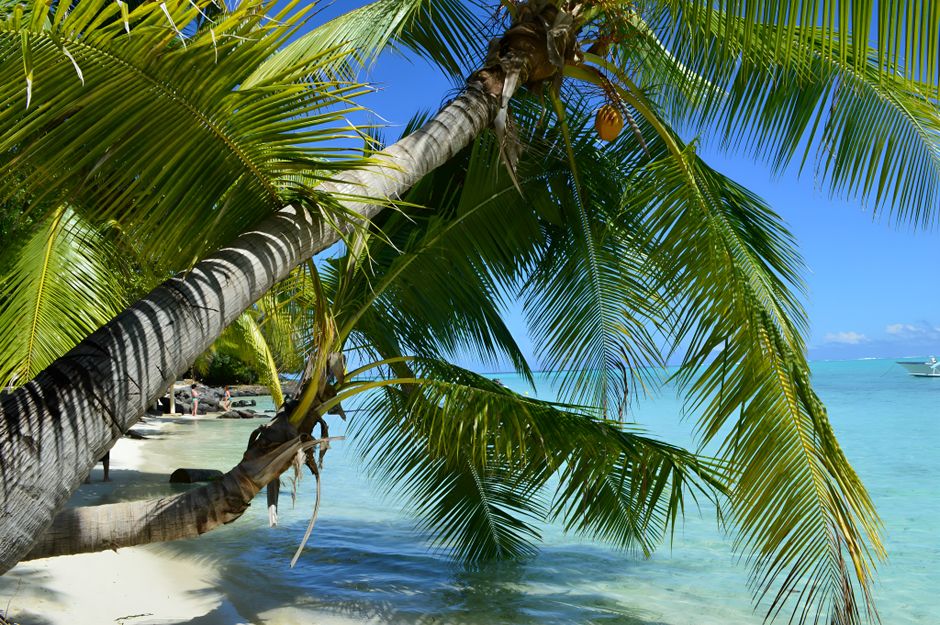
French Polynesia is the poster child for those dream photos—overwater bungalows, soft sunsets, and snorkelling that feels unreal. The trade-off is simple: it can be expensive.
Still, if you want one trip in your life to feel like a movie, this region delivers.
Bora Bora (the classic overwater-bungalow hit)
Let’s be honest: Bora Bora is expensive because it’s iconic. But it’s not just about the view from your deck—there are real activities.
Why you’ll love it
- Legendary lagoon colour and snorkelling access
- Easy “tour once, relax forever” style trips
- Romantic dinners, lagoon cruises, and that sunset factor
Best for
- Couples and honeymooners
- People who want to spend most days on water or in the lagoon
Getting around (practical version)
- You’ll likely rely on arranged shuttles/boats for lagoon activities
- Plan a mix: 1–2 big lagoon days + 1 cultural/community day so you don’t feel like it’s all the same beach
Rough cost expectations (ballpark)
- Overwater stays and premium dining can push your budget hard
- Tours are often priced as “holiday experiences,” not “local outings”
Trade-offs
- Crowds can spike during school holidays
- If you’re not staying overwater, you can still have an amazing trip—but you’ll want to book lagoon access intentionally
Moorea (same magic, usually a little more flexible)
Moorea is the “bigger variety for less stress” pick.
Why you’ll love it
- Mountains right behind the beaches—great for hikes and viewpoints
- Strong snorkelling/diving reputation
- Often easier to mix accommodation styles compared to Bora Bora
Best for
- Travellers who want some adventure, not only lagoon time
- People who like day trips and scenic drives
Getting around (practical version)
- If you can manage it, renting a scooter/car can make your life easier
- Otherwise, you’ll be booking tours—still doable, just plan ahead
Rough cost expectations (ballpark)
- Still not a budget destination, but it can feel more “value-shaped” than Bora Bora
Trade-offs
- Some beaches and viewpoints require decent walking or driving—bring proper footwear
- You’ll want to pace yourself; the island is gorgeous, but there’s plenty to do
3) Cook Islands: Rarotonga for the base, Aitutaki for the lagoon dream
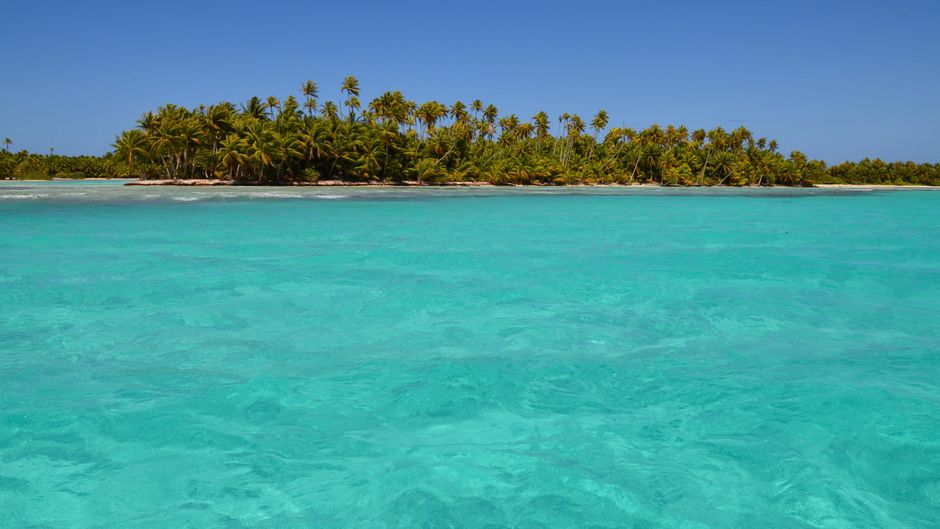
If French Polynesia is the luxury poster, the Cook Islands are the slightly calmer cousin—still stunning, often with a more welcoming “no rush” travel rhythm.
Rarotonga (your land-and-sea adventure base)
Rarotonga is the island most people use as their base, and for good reason.
Why you’ll love it
- A compact island with plenty of different sides to explore
- Access to cultural nights, local food, and markets
- A range of tours: lagoon cruises, hikes, and snorkelling
Best for
- First-timers who want an easy base while still packing activities
- Travellers who want to feel connected to local life
Getting around (practical version)
- The main road/tours make it easy to plan a “loop” style day
- If you love walking, do a bit early in the day—sun and humidity can catch you
Rough cost expectations (ballpark)
- Typically cheaper than the most upscale parts of French Polynesia
- Excursions still cost money—especially if you add private experiences
Trade-offs
- It’s not “remote castaway” in the same way some outer islands feel
- Peak season can mean more crowds around popular beaches and lagoon tours
Aitutaki (lagoon colour that makes your camera work overtime)
Aitutaki is the Cook Islands’ headline act.
Why you’ll love it
- One of the best lagoon experiences in the region
- Great for snorkelling, swimming, and slow cruising
- It feels special even if you’re just doing a half-day boat trip
Best for
- Lagoon lovers and snorkellers
- People who want one “big experience” that anchors the whole trip
Getting around (practical version)
- Most of the magic is on the water—book a lagoon cruise that matches your pace
- Don’t overschedule: the best bits are the quiet stretches between islands
Rough cost expectations (ballpark)
- Lagoon cruises can range from casual shared tours to premium private ones
- If you’re trying to save money, focus on one “top” lagoon day and keep the rest simple
Trade-offs
- Weather can affect lagoon conditions—build flexibility
- Accommodation can book out in peak periods, so don’t leave it too late
4) Vanuatu: volcano landscapes, WWII history, and a whole lot of nature

Vanuatu is a fantastic choice if you want less gloss and more substance: jungles, volcanoes, waterfalls, and some of the best diving/wild scenery in the South Pacific.
This is also where you can get great experiences without paying “luxury island” prices.
Efate (Port Vila): the easy base with big-day access
Port Vila is where most people start—use it to organise tours and then escape to the greener stuff.
Why you’ll love it
- A practical hub for beaches, markets, and excursions
- Solid access to waterfalls, islands, and cultural experiences
- More “real travel” energy than pure resort bubbles
Best for
- Travellers who want a mix of comfort + exploration
- People who like markets and local food
Getting around (practical version)
- Tours often depart from Port Vila—plan your days around that
- Pack for “tropical messy”: quick-dry clothes, reef-safe sunscreen, and a dry bag
Rough cost expectations (ballpark)
- Usually better value than some of the more famous luxury destinations
- Still, organised tours can add up quickly—choose carefully
Trade-offs
- The infrastructure is more “adventure travel” than “seamless resort”
- Some roads/conditions can be rough—don’t plan for everything to be fast
Espiritu Santo (Santo): wreck diving and serious landscapes
Santo is where nature and history lovers tend to fall hard.
Why you’ll love it
- Amazing diving and snorkelling options
- Bigger island feel—more room to spread out and explore
- WWII history that’s genuinely interesting (and not just a quick stop)
Best for
- Divers and underwater explorers
- People who like dramatic scenery and long days outside
Getting around (practical version)
- You’ll probably need tours or a vehicle to get to the best spots efficiently
- If you’re doing active days, stay somewhere that’s close to your departure points
Rough cost expectations (ballpark)
- Diving trips can be a highlight cost-wise, but they’re often worth it
Trade-offs
- It can be less “easy beach convenience” than other islands—plan your transport
- Expect a more rugged pace if you’re exploring inland
5) Samoa and Palau: culture + rainforest energy, then unreal limestone islands
Two very different vibes here, but both are incredible in their own way. Samoa leans into culture and lush landscapes. Palau is a nature playground with those limestone rock formations that look photoshopped.
Samoa (Upolu + Savai’i): villages, beaches, and family-run hospitality
Samoa is warm, soulful, and full of life. You’ll notice it in how people talk to you, how the food shows up, and how relaxed the days feel.
Why you’ll love it
- Cultural experiences that go beyond “watch a dance and leave”
- Great beaches plus rainforest hikes
- Savai’i is especially great if you want fewer crowds
Best for
- Travellers who want cultural immersion (without it feeling staged)
- People who like swimming, walking, and eating well
Getting around (practical version)
- Upolu is easier for logistics; Savai’i is better for quiet and nature
- If you plan cross-island days, build in extra time—routes can be slower than you’d expect
Rough cost expectations (ballpark)
- Often good value compared to the more premium “overwater” markets
- Guided cultural experiences can be worth paying for—ask locally about community-run options
Trade-offs
- Some areas are less developed, so amenities vary
- If you need everything “on demand,” you’ll want a flexible itinerary
Palau: Rock Islands, manta rays, and “how is the water this clear?”
Palau is the kind of place where you spend time underwater and then spend the rest of the day quietly processing how pretty it was.
Why you’ll love it
- World-class diving and snorkelling in the Rock Islands
- Manta ray sightings are a major draw (and trips are usually guided)
- The landscapes are dramatic even from a boat
Best for
- Divers and snorkellers who want unforgettable marine life
- People who love nature over nightlife
Getting around (practical version)
- Expect guided trips for the best marine experiences
- Bring reef-safe habits and listen to the local guidance—this ecosystem matters
Rough cost expectations (ballpark)
- Diving is often the bigger budget line item
- Marine tours can add up fast, so pick a couple of “must-do” days rather than trying to do everything
Trade-offs
- It’s not built for casual, unguided “wander and swim” the same way some resort islands are
- Weather can affect boat/dive days—keep your schedule slightly open
6) Wrapping up: how to choose your island (and not waste days)
By now you’ve got a solid shortlist, but here’s the practical part: deciding what fits your style and your time.
Quick picks by travel style
Use this like a cheat sheet:
- Romance + “wow” accommodation: Bora Bora
- Balance of beauty + flexibility: Moorea
- Lagoon spectacle with a calmer pace: Aitutaki
- Culture + an easy base for day trips: Rarotonga
- Nature and value with a rugged travel feel: Vanuatu (Efate + Santo)
- Culture, rainforest energy, and warm village life: Samoa
- Underwater magic and dramatic limestone scenery: Palau
- Beach lounging without overplanning: Fiji (Mamanucas)
My planning tips that actually help
If you want to have an easier trip (and keep the budget from getting sneaky), do these:
- Pick one “anchor experience”
- Example: a Bora Bora lagoon cruise, an Aitutaki day on the water, a Palau diving day, or a Santo/history-focused tour.
- Don’t over-pack islands
- Moving too often can turn paradise into check-in lines.
- If you’ve only got ~7–10 days, choose one base island + one add-on.
- Book early for peak dates
- Especially for popular lagoon spots and the most sought-after stays.
- Build in weather buffer
- Tropical conditions can shift. Having one “flex day” can save your itinerary.
- Watch “premium” add-ons
- Some packages are great. Others are just bundled convenience.
- If a tour feels expensive, compare what’s included (transport, meals, snorkel gear, guide time).
Final note from me to you
The South Pacific is one of the only regions where you can genuinely chase both relaxation and adventure without it feeling fake. Whether you go Fiji-style easy, French Polynesia-style luxe, or Palau-style marine-nerd heaven, you’re in for something special.
If you tell me your travel month and your vibe (romantic, active, budget, family, or “a little of everything”), I’ll help you narrow it down to a tight plan.