If you’re new to hiking in Canada, the hardest part is picking a park with the right mix of trails and logistics. In this guide, I’ll rank seven beginner-friendly national parks for easy-to-moderate hiking, practical permit tips, and solid wildlife-spotting odds.
I’ve tried to keep this realistic: some parks are “beginner” because the trails are short and maintained, and others are “beginner-friendly” because the scenery rewards you even when you only do a small portion of it. Either way, you’ll know what you’re getting into before you book flights or pack your boots.
How I’m choosing beginner-friendly picks
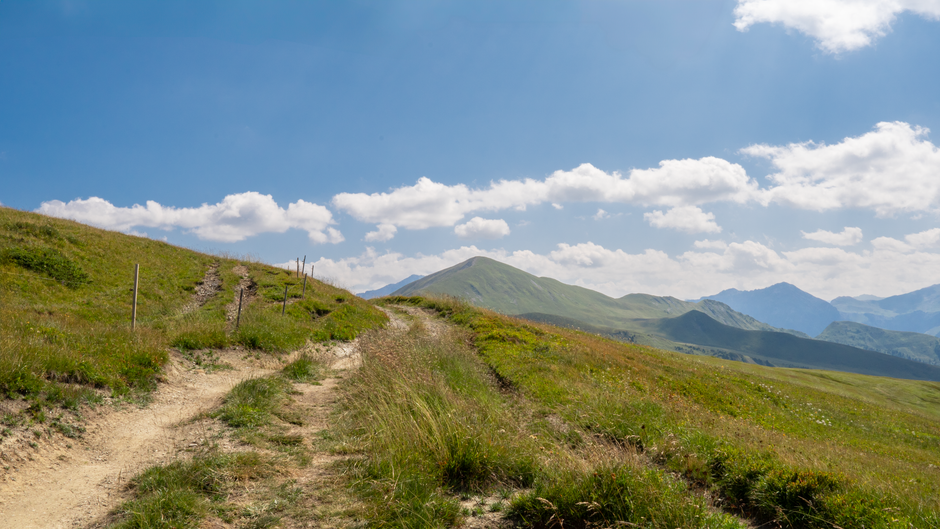
What counts as “beginner” (in real life)
I’m calling a park beginner-friendly if you can enjoy it with:
- Short trail options (think: 1–2 hours without needing a huge fitness base)
- Clear trail surfaces (boardwalks, packed earth, well-marked paths)
- Low “commitment” routes (you can turn around before you overdo it)
- A visitor hub nearby (so you’re not negotiating complex backcountry logistics on day one)
None of that means “no hills ever.” It just means you can start gently.
How logistics changes the difficulty
A supposedly “easy” hike can be miserable if you fight traffic, long drives, or confusing parking.
So I’m weighing each park for:
- Getting there without a marathon (major airport + manageable drive)
- Trailheads that are actually reachable (not “three buses and a prayer”)
- Simple visitor services (visitor centers, shuttle options, campground basics)
- Weather reality (wind, snow, mud season—Canada’s vibe changes fast)
Wildlife viewing without the stress
Wildlife is a big reason to go, but I prefer parks where you can watch animals while still following safe distance rules.
That usually means:
- Viewing from established viewpoints (not creeping off-trail)
- Early mornings and dusk with predictable traffic patterns
- A park culture that discourages feeding and keeps people aware
Also: if you’re brand-new to bear country, I’d rather you start with parks that have lots of well-managed, popular hiking areas first—then step up once you’re confident.
1–3: Easiest starts for first-time hikers

1) Point Pelee National Park (Ontario)
If you want a “Canada without the grind” first hiking trip, this is a great place to begin.
Trail difficulty at a glance
- Mostly short, flat-ish routes and shoreline strolling options
- You can choose gentle walks and still feel like you explored something special
Where you’ll get payoff
- Migratory birds and shoreline scenery are the headline acts
- Great for learning how to hike responsibly around sensitive ecosystems (stay on paths, respect closures)
Wildlife odds (and how to watch safely)
- Birding here is a big deal, especially in peak migration times
- Expect people to use binoculars and viewpoints—meaning you’ll already be doing it “the right way”
Logistics notes
- It’s one of the easier parks to access from Ontario routes
- Plan for busy summer weekends; go early if you can
Beginner move I recommend
- Aim for one short loop + one quiet viewpoint session rather than stacking multiple hikes. You’ll come away happier (and you’ll actually notice birds).
2) Prince Edward Island National Park (PEI)
This park is ideal if you want nature, ocean air, and hikes that feel approachable—especially if you’re traveling with people of mixed fitness.
Trail difficulty at a glance
- Many options are family-friendly walking distances
- Surfaces are often straightforward, with plenty of chances to stop and turn back
Where you’ll get payoff
- Coastal scenery + dune and shoreline ecosystems
- It’s scenic even when you’re not “sweating for views”
Wildlife odds (what to expect)
- Coastal animals and lots of bird activity
- You’re less likely to feel like you’re “in” the wilderness, which is comforting for first-timers
Logistics notes
- Easy to pair with PEI road trip stops (though summer can be crowded)
- Visitor services are generally set up to help you plan simple routes
Beginner move I recommend
- Bring layers and plan for wind. A “short hike” can still feel chilly when the ocean’s involved.
3) Fundy National Park (New Brunswick)
If you want beginner-friendly trails with the kind of scenery that makes your camera get misty-eyed, Fundy delivers—just don’t ignore weather and tide timing.
Trail difficulty at a glance
- Several hikes are short and manageable, but some routes can be steep in short sections
- The good news: you can pick short loops and viewpoints
Where you’ll get payoff
- Dramatic geography and coastal energy
- Falls, coastal views, and the “how is this real?” effect
Wildlife odds
- Coastal wildlife viewing is often best when you’re walking established paths
- You’ll likely share viewpoints with other hikers—less lone-wolf pressure for beginners
Logistics notes
- It’s a popular stop in warmer months
- Check which areas are accessible and how paths are operating after storms or seasonal changes
Beginner move I recommend
- Do your longer walking earlier in the day, and keep a little buffer for tide-related timing and photos.
4–5: Big mountain scenery, still doable for beginners

4) Yoho National Park (British Columbia)
Yoho is one of those places where you feel like you’re in the mountains even if you only hike a little. It’s a strong pick if you want epic scenery without starting with a brutal day.
Trail difficulty at a glance
- Beginner routes are commonly short and well-marked
- Higher elevation can make you feel it faster than the trail length suggests
Where you’ll get payoff
- Waterfalls, lakeside scenery, and viewpoints that are worth the effort even on a “small hike” day
Wildlife odds
- Mountain wildlife often shows up around quiet times of day and along accessible areas
- Keep distance, stick to trails, and remember: “near” doesn’t mean “safe”
Logistics notes
- It’s often visited alongside nearby Rockies parks, so you can build an itinerary without doubling travel days
- Summer brings crowds, especially near the most famous viewpoints
Beginner move I recommend
- Expect to go slow. In mountain terrain, pacing is everything—and your “beginner hike” should still feel enjoyable.
5) Banff National Park (Alberta)
Banff can be busy, but it’s also one of the best places in Canada to learn hiking habits because there are so many options—from short and easy to more ambitious.
Trail difficulty at a glance
- You can choose easy, maintained routes or step up gradually
- In peak season, the crowds can be the main “challenge,” not the trail itself
Where you’ll get payoff
- Iconic lakes, waterfall scenery, and mountain backdrops everywhere you turn
Wildlife odds
- Wildlife is possible, but the biggest mistake beginners make is getting too close (or assuming people aren’t watching)
- You’ll see others follow safety rules—mirror that behavior
Logistics notes
- You’ll likely use Calgary as a starting point
- Popular areas can have timed-entry/parking management at certain times—rules can change, so check what’s active before you arrive
Beginner move I recommend
- Plan one “must-see” morning and one calm afternoon. Banff is better when you don’t cram everything into one long day.
6–7: More wilderness feel, higher wildlife payoff (with planning)
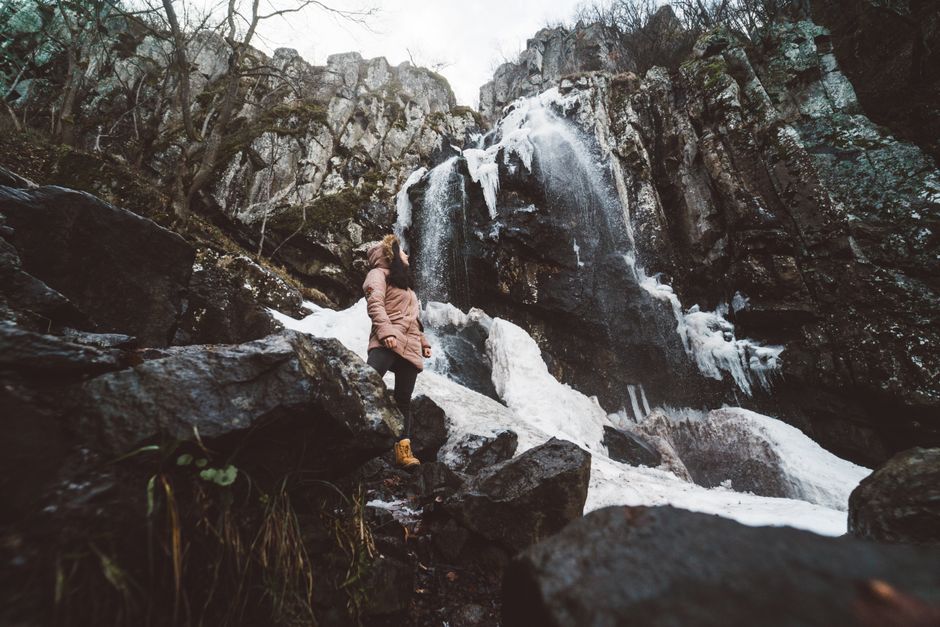
6) Jasper National Park (Alberta)
Jasper has that classic Canadian “wide open” feeling. For beginners, it’s best when you pick established trail areas and don’t assume every trail is gentle.
Trail difficulty at a glance
- There are plenty of approachable routes, especially around visitor areas
- Elevation and weather can make things feel harder than the distance suggests
Where you’ll get payoff
- Mountain valleys, rivers, and wide viewpoints that look like postcards
Wildlife odds
- Often a strong wildlife destination, especially at dawn/dusk
- For beginners, the best strategy is to view from safe, designated areas rather than trying to “beat” wildlife to the best photo spot
Logistics notes
- It’s generally less crowded than the most famous Banff core, but it’s still busy in summer
- Give yourself time to drive the park roads slowly—wildlife crossing is real and you’ll also enjoy the views more
Beginner move I recommend
- Choose one main hike day and one “short walks + viewpoint drives” day. Jasper rewards a slower schedule.
7) Gros Morne National Park (Newfoundland)
Gros Morne is a top-tier option for beginners who can handle variable weather and want rugged scenery. It’s not always about short flat walks—more about choosing the right starting zones and accepting that the coast and mountains can be wild.
Trail difficulty at a glance
- Some trails are more demanding, but there are also manageable options depending on where you start
- Wind and rock can be more challenging than you expect
Where you’ll get payoff
- Dramatic coastal landscapes and geology you can actually walk through (or see clearly from viewpoints)
Wildlife odds
- Coastal environments can bring plenty of birds and sea-life interest
- Keep your expectations realistic: you’re there for the landscape and the chance to spot wildlife while respecting conditions
Logistics notes
- Plan travel carefully; weather can shift quickly
- Budget extra time for driving within the region—Newfoundland roads can be slower than you think
Beginner move I recommend
- Check forecasts the night before and the morning of. If you arrive and the wind is roaring, pivot to viewpoints and shorter, sheltered walks.
Permits, safety, and seasonal planning you can actually use
Entry passes, reservations, and when you might need permits
For most beginner hikes in these parks, you’re mainly dealing with park entry—but there are exceptions.
Here’s the practical baseline:
- Entry/park fees: Canada’s national parks typically charge an entry fee (day-use and/or pass options). Costs vary by vehicle vs. individual and season.
- Timed-entry/parking management: In high-demand parks (especially in the Rockies), you may see parking or access rules that change by date.
- Campgrounds vs. backcountry: Regular campground stays often involve reservations. Backcountry camping usually requires extra permits and planning.
- Trail-specific rules: Some trailheads have seasonal closures or limited access depending on wildlife activity or maintenance.
Your move: before you go, check the park’s current “rules and alerts” for the exact dates you’re traveling. It’ll save you from showing up to a closed viewpoint or a different parking setup.
Trail safety: bears, weather, and “don’t be that person” etiquette
Beginner hiking in Canada is usually safe when you follow the basics.
- Bears: Carry bear spray if your itinerary falls in bear country (and learn how to use it). Keep distance and never approach wildlife for photos.
- Stay on marked paths: This isn’t just for the environment—it protects you from unstable footing and sensitive habitats.
- Weather changes fast: Rain, fog, and wind can turn a simple loop into a miserable grind. Layers and a rain shell are worth it.
- Footing matters: Rock, roots, and loose gravel can slow you down. Wear shoes you trust.
If you’re traveling with kids or less-experienced hikers, build your day around turning back early. That’s not failure—it’s how you keep hiking fun.
When to go for calmer weather and fewer headaches
The best season for beginners is usually late spring through early fall, but each region shifts.
A simple cheat sheet:
- May / early June: fewer crowds, but weather can be unpredictable; some trails may be closed.
- July / August: best odds for trail access and facilities, but expect crowds and busy parking.
- September: often a sweet spot—still accessible, often calmer than midsummer.
- Winter: in many parks, “hiking” turns into snowshoeing or winter trail options, and routes require more preparation.
For wildlife viewing, plan for:
- Dawn and dusk (best viewing windows)
- More time than you think (wildlife sightings aren’t on a schedule)
- Safe, designated viewing spots
Final thoughts: pick a park that matches your pace
Choose one park, one route, and one “good enough” day
My honest recommendation for hiking beginners is to avoid the temptation to do everything.
Instead:
- Pick one main hike you feel confident doing
- Add one short walk or viewpoint stop
- Leave a little time to just breathe and look around (this is where the “I love travel” feeling comes from)
Want to tailor the picks to you?
If you tell me where you’re flying from, your rough travel month, and how long you want your hiking days to be (like 60–90 minutes vs. 3–4 hours), I can suggest which of these seven parks will fit you best—and how to structure the days so you don’t feel rushed.
Happy hiking—start small, stay curious, and let the scenery do most of the work.


