Hey there travel enthusiasts and welcome to my post where we will check out my best places to visit in Canada this year.
If you’re wondering where to start: don’t try to “do Canada” in one go. It’s a giant country with totally different vibes—Pacific rain forests and whale tours, Rocky Mountain road trips, French-leaning cities with serious food, and Atlantic coastal magic.
Below are the best places to visit in Canada (in my very practical, traveller-tested way), with what each area is best for, when to go, and a handful of “actually worth it” ideas—plus trade-offs so you’re not shocked when reality shows up.
British Columbia (Vancouver + Victoria) for Coast + Cities

British Columbia is the sweet spot for travellers who want mountains without giving up city comforts. Vancouver is a great base, and Victoria is that charming little detour that makes you feel like you’ve escaped reality (even if you haven’t).
Vancouver: neighbourhood hopping with ocean views
Vancouver is one of those places where you can do a full day without “planning” too hard—coast walks in the morning, breweries or markets later, and a scenic lookout when the light turns golden.
Best for:
- Easy public transport and walkable areas
- Food (especially around Granville Island)
- Day trips with minimal hassle
How to structure your time (2–4 days):
- Day 1: Stanley Park + seawall stroll + the Granville Island area
- Day 2: Gastown vibes + Chinatown + views from one of the lookouts
- Day 3 (optional): North Vancouver or a nature-focused day trip
What I’d do (without overcomplicating it):
- Walk the Seawall early—less crowded, better photos
- Spend time at Granville Island (go hungry)
- If weather cooperates, tack on a lookout viewpoint
Trade-offs to know:
- It can be pricey (especially for hotels in summer)
- Some days feel “cloudy and cosy” rather than dramatic-sunshine—bring layers
Victoria: the “small city but big atmosphere” pick
Victoria on Vancouver Island feels like a more relaxed cousin of Vancouver. The harbour, gardens, and easy pacing are the whole appeal.
Best for:
- Waterfront strolling and local cafés
- Gardens and historic neighbourhood wandering
- A slower trip vibe
How long to go:
- 1–3 days is perfect for most travellers
Do this combo:
- Morning: harbour + downtown walking loop
- Afternoon: gardens or a scenic lookout area
- Evening: dinner where you can actually linger
Trade-offs:
- It’s popular, so if you’re going in peak summer, expect crowds in central areas
- You may feel like you could stay longer (which is the nicest problem)
When to go + rough budget reality
Canada’s summer is in demand, and BC is no exception.
Timing (my usual approach):
- Late spring to early fall: best overall balance
- Shoulder season: fewer crowds, often better value
Rough day costs (very ballpark):
- Budget: you can keep it moderate with grocery meals
- Mid-range: expect dinners + attractions to add up
- If you want tours (whales, guided hikes), plan for extra
The Canadian Rockies (Banff + Jasper) for Big Scenery Without Guesswork
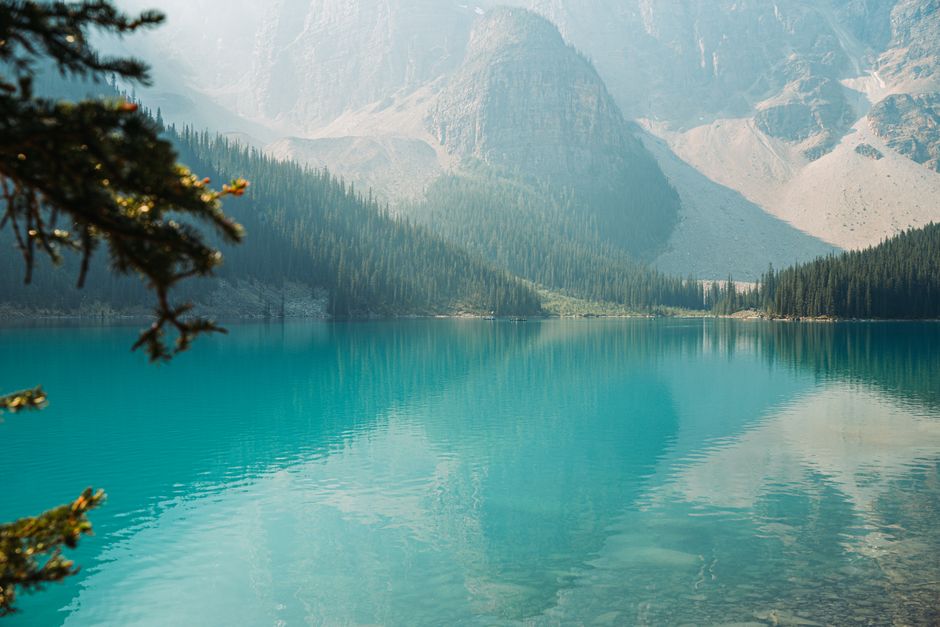
If you’ve ever pictured Canada, this is probably what’s in your head: wide valleys, turquoise lakes, and mountains that make you feel tiny in the best way.
The key is logistics. Rockies trips feel easy, but you’ll thank yourself for planning drives, timed hikes, and accommodation early.
Banff: classic lakes + easy hikes that deliver
Banff is the “headline” destination. It’s busy, but it’s busy for a reason.
Best for:
- First-time Rockies travellers
- Photo-friendly viewpoints and short hikes
- Staying somewhere with lots of food options
Good 3-day rhythm:
- Day 1: town walk + viewpoint + short scenic hikes
- Day 2: lakes loop + iconic panoramas
- Day 3: one longer hike (or a guided day if you prefer)
Worth your time (and often worth going early):
- Popular lake areas—go early to avoid peak crowds
- Viewpoints with short walks—great for sunrise/sunset timing
Trade-offs:
- Banff can feel crowded in high season
- Hotels can get expensive fast—book earlier than you think
Jasper: the “slower, wider” alternative
Jasper feels less manic than Banff. It’s still popular, but the vibe is more spacious.
Best for:
- Long drives with big payoff
- Stargazing and quieter hikes
- A calmer trip pace
How long:
- 2–4 days works well depending on how many drives you want
Plan around scenic routes:
- Pick a few anchor stops
- Don’t pack your schedule to the minute—wildlife and weather happen
Trade-offs:
- Some roads and pull-offs can be weather-dependent
- You’ll get the best experience by driving slower and pausing often
A practical Rockies tip: drives, weather, and “don’t do it all”
The Rockies are the kind of place where “one more stop” can turn into a full day of traffic.
My rule of thumb:
- Choose 2–3 main areas per day
- Keep buffer time for viewpoints and breaks
What to bring:
- Layers (even in summer, temps can swing)
- Comfortable shoes for uneven paths
- A light rain layer
When to go:
- Summer (roughly Jun–Sep): most services running, best for hikes
- Shoulder months: fewer crowds, but some facilities may be limited
Ontario (Toronto + Ottawa + Niagara) for City Energy and Easy Day Trips

Ontario is where you can mix a big-city buzz with calmer, scenic breaks—often with minimal moving around.
Toronto: neighbourhoods, food, and skyline viewpoints
Toronto is one of Canada’s best “first stop” cities. It’s diverse, lively, and easy to fill days without booking everything weeks ahead.
Best for:
- Museums and cultural neighbourhoods
- Great food scenes
- Street life, especially in the core areas
How to enjoy it (3–4 days):
- Day 1: downtown stroll + one major landmark area
- Day 2: a different neighbourhood + markets
- Day 3: a museum or gallery day (with breaks for coffee)
- Day 4 (optional): a day trip if you’re not too tired
Trade-offs:
- It’s busy and can be expensive, especially during peak weekends
- If you hate crowds, pick days/times to visit popular attractions
Ottawa: quieter, more “historic + chill” than you expect
Ottawa is Canada’s capital and it has that calmer governmental vibe—but it’s also a surprisingly good place for museums and riverside walks.
Best for:
- History lovers
- Riverside strolling
- A break from the bigger-city pace
How long:
- 2–3 days is plenty for most people
Do this:
- Spend time along the river area
- Add one or two museums (pick based on your interests)
Trade-offs:
- Fewer “random” evening activities than Toronto, so plan your downtime
Niagara Falls: go, but manage expectations
Niagara Falls is iconic. It can also be touristy and pricey depending on what you book.
Best for:
- A “wow” day with lots to see close together
- Families or travellers who like organized activities
How to do it without wasting money:
- Focus on the viewpoints and waterfront area
- Choose one paid experience if you really want it, rather than stacking everything
Trade-offs:
- Crowds are real—especially in summer
- Some packages are overpriced relative to what you actually get
Quebec (Montreal + Old Quebec) for Culture, Food, and Old-World Charm
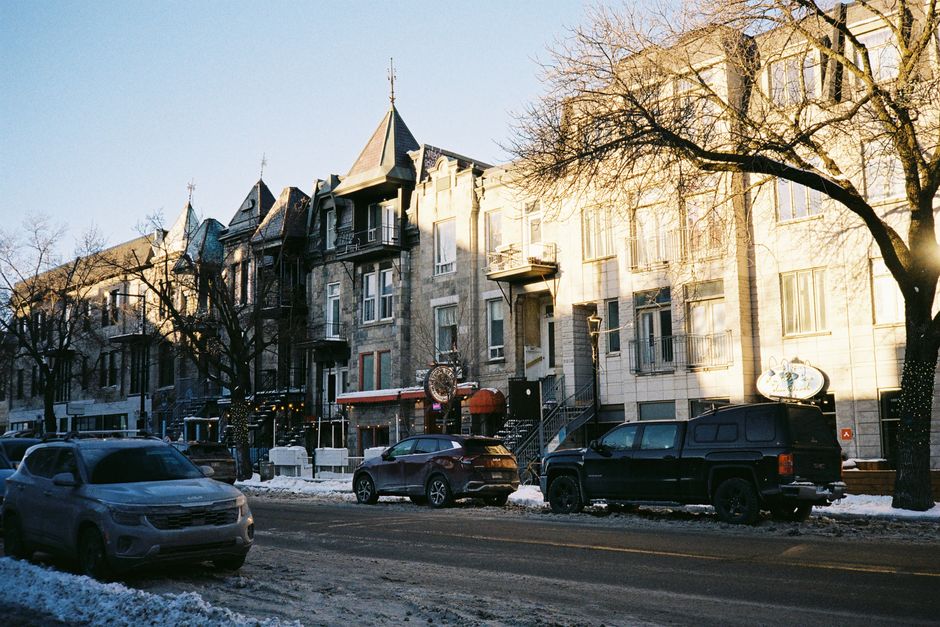
Quebec is where Canada feels like it’s blending into something else: French language, distinct architecture, and seriously good food. Montreal in particular is a travel favourite for a reason.
Montreal: the “live like a local” city
Montreal is energetic and walkable, with neighbourhoods that each have their own personality. It’s also great for travellers who like cafés, street markets, and wandering without a strict plan.
Best for:
- Food and cafés
- Artsy vibes and events (season-dependent)
- Exploring different neighbourhoods on foot
How long:
- 3–5 days depending on how much you like exploring
Plan this kind of day:
- Morning: market or neighbourhood walk
- Afternoon: a museum or park time
- Evening: a food-focused stop you’ll remember
Trade-offs:
- Summer and fall weekends can be busy
- Accommodation can get pricey in the most central areas
Old Quebec (and the surrounding historic lanes)
Old Quebec feels like time travel. The streets, views, and historic atmosphere are the main event.
Best for:
- Scenic wandering
- Photos and “slow travel” days
- Historic vibes without needing a car
How long:
- 1–2 days is usually enough for the core experience
Do this:
- Focus on walking routes and viewpoints
- Add one guided or museum-style experience if weather’s not great
Trade-offs:
- It can be busy in peak season—go early or later in the day
When Quebec shines (and what to watch for)
Quebec is seasonally dramatic.
Timing:
- Late spring to early fall: ideal for walking and patios
- Winter: beautiful, but your comfort depends on your cold tolerance
Bring:
- Comfortable shoes for cobblestones
- Layering (even if it looks mild, it can feel colder in open areas)
Atlantic Canada (Halifax, Peggy’s Cove, PEI, Fundy) for Coastal Beauty + Road Trip Magic
Atlantic Canada is for travellers who want ocean air, seafood, and roads that keep offering “just one more stop.” It’s not as compact as, say, Ontario, but it’s incredibly rewarding.
Halifax: the city base for the coastline
Halifax is a solid jumping-off point. It’s got a bit of everything—harbourside views, good food, and easy access to coastal highlights.
Best for:
- A starter city before a coastal trip
- Seafood (if you like it, you’ll be happy)
- Easy planning for day trips
How long:
- 2–3 days works well
Do this:
- Spend time around the waterfront
- Add one or two local spots you can reach without complicated logistics
Trade-offs:
- Weather can change fast—plan flexible days
Peggy’s Cove (and nearby coastal stops): the iconic scenery day
Peggy’s Cove is one of those places that looks great in any season. The rugged coast is the whole story.
Best for:
- Scenic drives
- Photo stops
- Casual coastal walks
How to do it:
- Use it as an anchor stop for the day
- Build in time for wind/waves (aka: you’ll want to pause often)
Trade-offs:
- Wind can make it feel colder than expected
- It’s popular, so expect some crowding near key viewpoints
Prince Edward Island (PEI): charming towns + coastal calm
PEI is all about slower pacing, red-soil landscapes, and beachy vibes.
Best for:
- Road trips with pretty scenery
- Small-town exploration
- Relaxed itineraries
How long:
- 3–5 days depending on how far you drive each day
What to focus on:
- Scenic routes and beach areas
- A few small towns rather than trying to hit everything
Trade-offs:
- It’s not a “do everything daily” destination—if you want nonstop action, you may find it too slow
Fundy / New Brunswick coast (for nature lovers)
If you want dramatic tides and coastal energy, the Fundy region is a must-consider.
Best for:
- Nature-based days
- Coastal viewpoints
- Unique tidal landscapes
How to plan:
- Look for guided experiences if you want the story behind what you’re seeing
- Keep flexibility—coastal weather affects everything
Trade-offs:
- Some experiences are time-sensitive, so build your day around them rather than squeezing them in
Wrapping Up: How to Choose the “Best” for You
Here’s the truth: the best places to visit in Canada are the ones that match your travel style. If you try to copy someone else’s route exactly, you’ll end up tired and underwhelmed.
If you’re still deciding, use this quick cheat sheet:
Pick this if you want…
- Mountains + epic views: Banff + Jasper
- Big-city energy with nature nearby: Vancouver
- Pretty heritage + gardens: Victoria
- Markets, cafés, and neighbourhood wandering: Montreal
- Historic streets + scenic walks: Old Quebec
- Easy iconic day trips: Toronto + Niagara
- Capital pace + museums: Ottawa
- Coastal road trip vibes: Halifax + Peggy’s Cove + PEI + Fundy
My planning advice (the stuff that actually saves stress):
- Book accommodations early for peak summer weekends
- Don’t overload days—Canada rewards slower travel
- Choose 2–3 “anchor” areas and let the rest be flexible
If you tell me when you’re going and how many days you’ve got, I can help you stitch together a realistic route—one that hits the highlights without turning your holiday into a driving competition.


