Hey there travel enthusiasts and welcome to my post where we will check out my 12 best places to visit in Italy this year.
Italy is one of those countries where you can absolutely “do it all”… and also accidentally spend 3 hours in a line for the wrong ticket. So I’m going to keep this practical: where to go, roughly how long you need, and the trade-offs you should know about before you commit.
My 12 Best Places to Visit in Italy (Quick List)

- Rome
- Florence
- Tuscany (Siena / San Gimignano / Pisa vibe)
- Venice
- Milan
- Lake Como
- Amalfi Coast
- Palermo (Sicily)
- Taormina (Sicily)
- Agrigento / Valley of the Temples (Sicily)
- Cinque Terre
- Bologna
Now let’s get into where you should go first—and what to watch out for.
Rome: First-Timers’ Italy at Full Throttle

Where to base yourself (so you’re walking, not commuting)
If you can, pick a neighborhood that keeps you close to “do-able” sightseeing.
- Centro Storico / near the Spanish Steps / Trevi-ish: great for classic sights and evening strolling.
- Monti: my favorite for a more local vibe—easy walks and lots of dinner options.
- Prati (near Vatican side): quieter than the absolute center, with a straightforward route to major sights.
Trade-off: Rome hotels near the very center can be pricey and can feel busy/noisy at night. If you’re flexible, you’ll save a lot.
Must-sees that are genuinely worth the effort
You don’t need to do everything, but these are the “if you’re here, you should” picks:
- Colosseum area (and the surrounding ancient zones)
- Roman Forum / Palatine Hill (they mesh together—plan as one block)
- Pantheon (fast to visit, big wow factor)
- Trevi Fountain at a reasonable hour (not 1am, but also not peak midday)
- Vatican Museums + St. Peter’s (book ahead; it’s a timed-ticket situation)
Price reality check: timed attractions often land around €20–€40+ depending on what you pick and whether you want special access.
Practical Rome tips (where people trip up)
Rome is a “walk and stumble into wonders” city—but you still want a plan for logistics.
- Book timed entry for the big-ticket items (especially Vatican-related)
- Start early: mornings are calmer and you’ll avoid a lot of heat/crowds
- Watch your museum day: if you do one huge indoor day, build in a long outdoor stroll afterward
Local survival moves I swear by:
- Comfortable shoes (Rome is made for walking, not blisters)
- A light layer for churches (even in warm months)
- Cash/card mix for smaller spots
Florence & Tuscany: Renaissance Days and Olive-Grove Nights
Florence: the highlights that won’t disappoint
If you only do the obvious stuff, you’ll still be happy.
- Duomo complex (plan this as your “main Florence block”)
- Uffizi Gallery (great if you’re into art; book a time)
- Accademia Gallery (home of Michelangelo’s David)
- Ponte Vecchio (go early or later; it’s packed midday)
- Oltrarno neighborhoods (craft shops, quieter streets, better “wander” energy)
Trade-off: Florence museums can be intense—especially in peak season. One big museum per day is usually enough.
Tuscany day trips: choose based on your vibe
Tuscany can be “scenic + historic” or “wine + slow days.” Either way, a day trip can change the whole feel of your trip.
Good options (depending on what you like):
- Siena: medieval streets and dramatic viewpoints
- San Gimignano: those famous towers—perfect for photos and a gentle walk
- Pisa: quick visit if you’re nearby (don’t plan it as a whole day unless you need a checkmark)
Time reality check (roughly):
- Florence → Siena: about 1.5 hours by train (often with changes depending on route)
- Florence → Pisa: about 1 hour by train
- San Gimignano is usually easiest via tour or connecting transit
How long should you stay in Florence?
Here’s my practical rule:
- 2 nights if you’re efficient and enjoy museums
- 3–4 nights if you want relaxed evenings and at least one day trip
If you try to do Florence + too many day trips in one go, it turns into “logistics fatigue.” I’ve done it. It’s not glamorous.
Venice: Iconic Canals Without Losing Your Mind
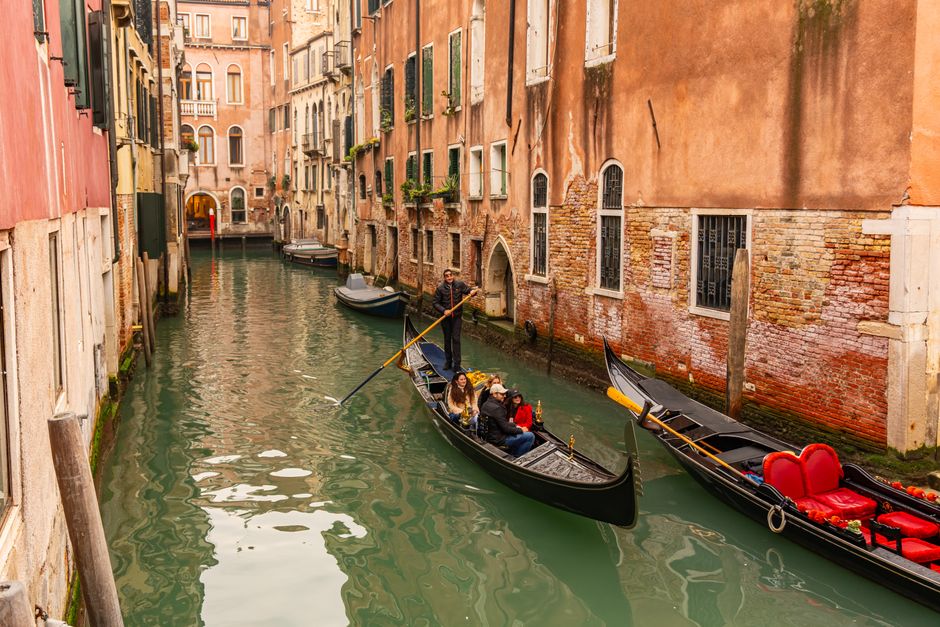
Venice basics: walk-first planning
You’re not really “driving around” Venice (and thank goodness). You’ll mostly get around by walking.
- Best navigation move: pick 2–3 main areas per day and stick to them
- If you hate crowds: avoid peak hours when everyone else is doing the same photo
The places that deliver (even with crowds)
Venice’s “musts” are popular for a reason.
- St. Mark’s Square (go early)
- Doge’s Palace (if you’re even mildly into history)
- Rialto area (best morning light)
- A calm canal walk outside the busiest lanes (this is where it feels romantic)
Trade-off: Venice can be overpriced for what you get in certain tourist areas. If you see menus that look “too easy,” pick a side street. You’ll often get better food and a more normal price.
How to avoid the worst Venice moments
If you do only one thing differently, do this:
- Go early for the big sights
- Plan one slower afternoon: wander, grab a drink, stop looking at your “must-see list”
Also worth thinking about:
- One day in the islands (like Murano/Burano) if you want color and variety
- Don’t overpack your itinerary: Venice is best when you let it breathe
Milan & Lake Como: Smart Bases for Northern Italy
Milan is a surprisingly good “base city” if you want access to shopping, culture, and quick trips. Lake Como, though—Lake Como is why you’ll forgive yourself for planning everything so carefully.
Milan: what to prioritize
Milan can feel like a fashion/modern city at first glance, but it has serious cultural hits.
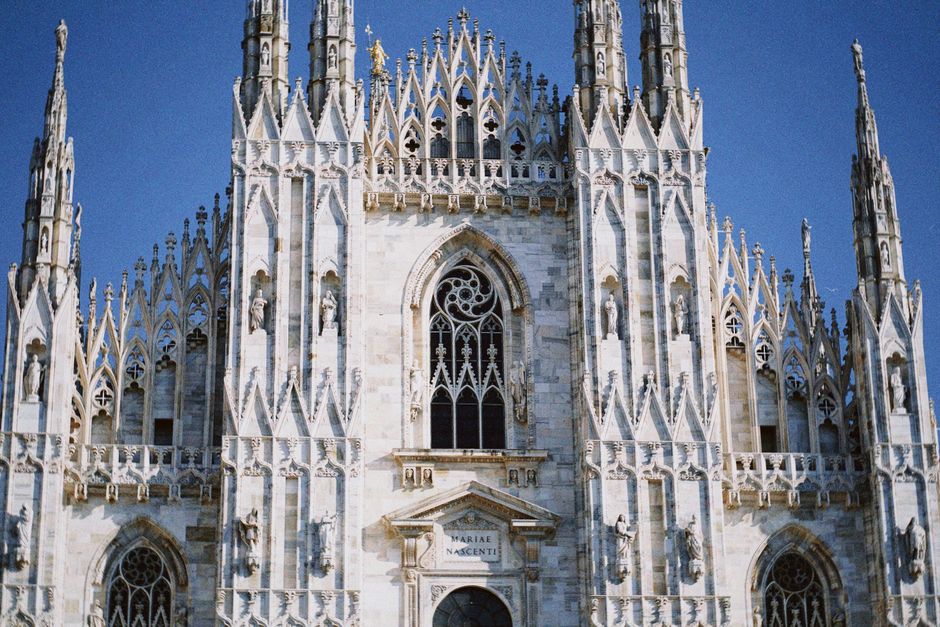
- Duomo di Milano (iconic exterior and you’ll see why immediately)
- Galleria Vittorio Emanuele II (at least once—just to experience it)
- Castello Sforzesco area (good for a break from “ticket lines”)
- Brera district (great for wandering and dinner)
Trade-off: If you come for “old Rome vibes,” Milan might feel different. But if you embrace the modern-city energy, it’s a win.
Lake Como: pick a town base, then slow down
Lake Como is not one place—it’s a bunch of mini experiences connected by boats and roads.
Two practical approaches:
- Base in Como town: easy access, more city energy, great for day-to-night flow
- Base in Bellagio / Varenna: more romantic, more “holiday mode,” but often busier and pricier
What you’ll actually do:
- Walk lake promenades in the mornings
- Take a boat day to swap viewpoints
- Find one “sunset spot” and return there (you’ll thank yourself)
Best time for Milan + Como
If you want calmer vibes:
- Spring (April–June): often a sweet spot
- Autumn (September–October): tends to feel good too
Crowd trade-off: summer is gorgeous, but it’s also where you’ll feel the congestion.
Southern Italy: Amalfi Coast, Palermo, Taormina & Agrigento
This is where Italy turns from “beautiful” into “how is this real?” You’ve got dramatic coastlines first, then Sicily’s food, history, and energy.
Amalfi Coast: Positano, Amalfi, Ravello (and how to choose)
The Amalfi Coast is stunning—but it can also be stressful because transport is slower and prices can jump.
A simple decision framework:
- Positano: postcard glamour; very pretty, also often crowded
- Amalfi: a good “center” feel with easier logistics than the most vertical spots
- Ravello: quieter, more elevated views, great if you want calm evenings
Trade-off: If you want beaches, you’ll pay in time and crowding. If you want views and walks, you’ll enjoy it more.
Practical travel move:
- Use Naples as your gateway (high-speed options exist for getting in/out of Naples)
- Plan coast days to avoid backtracking
Palermo (Sicily): big energy, delicious chaos
Palermo is one of my favorite “culture + food” stops in Italy. It feels lived-in, not curated.
What to lean into:
- Street food and markets (go hungry)
- Neighborhood wandering (you don’t need a strict checklist)
- Churches and historic lanes—then a long coffee break
Trade-off: Some areas can be hectic visually and in traffic. Keep your head up, move with purpose, and give yourself extra time between stops.
Taormina: the postcard hill town with a bite of luxury
Taormina is where you’ll find dramatic views and that “Sicily movie set” feeling.
- Morning strolls for calmer photos
- Lookouts that make the coastline feel unreal
- Plan your beach time carefully (it can be busy)
Crowd tip: do the viewpoint stuff early, and save your “slow lunch” for later.
Agrigento / Valley of the Temples: history done on an epic scale
This is the kind of place that makes you sit down for a minute because your brain can’t keep up with how ancient and impressive it is.
- You’re there for the temple ruins set in a wide landscape
- Wear comfortable shoes (there’s a lot of walking)
- Give it time—don’t rush it like a quick photo stop
When it’s worth it:
- If you like archaeology/history, it’s a top-tier Italy day
- If you’re more “scenery person,” it can still be a win because the setting is gorgeous
Cinque Terre & Bologna: Colorful Villages and Serious Food
If you want “pretty with a purpose,” this is your combo. Cinque Terre gives you cliffs and colorful buildings. Bologna gives you the kind of food that basically restarts your joy meter.
Cinque Terre: choose your towns like you mean it
Cinque Terre is five villages along a rugged coast. It’s stunning, but it can be crowded and walking-heavy depending on your route.
A solid way to plan:
- Pick 2 villages for a day (not all five unless you’re very committed)
- Do one “walk route” segment if you’re up for it
- Save time for just sitting somewhere with sea views
Trade-off: If your legs are not feeling it, you’ll still enjoy the coast, but you’ll want a slower pace and a strategy for getting between villages.
Bologna: the foodie city that feels friendly
Bologna is underrated in a way that hurts a little—because once you’re there, you’ll understand why people come back.
What to prioritize:
- Wandering the historic center (it’s compact and walkable)
- Classic local dishes (and yes, you should commit)
- Market time: this is where you’ll find the freshest vibe
Pairing tips: day-trip or stay put?
If you want a relaxed itinerary:
- 2–3 nights in Bologna is a great sweet spot
- Add one food-and-culture day if you want variety
If you’re short on time: you can treat Bologna as a “main food stop” and move on. It works.
My Quick Game Plan for Booking and Timing
This last section is the stuff I wish I always followed—because it makes the trip smoother and less stressful.
Book early (but don’t lose your mind)
The big-ticket items in Italy usually require timed planning:
- Vatican-related visits
- Major museum entries in Florence
- Popular landmarks in peak season (Venice and Amalfi can get busy fast)
My rule: if it’s a place you’ll be angry about missing, book it. Everything else? Leave room for surprises.
Build train routes around “time well spent”
Italy is very doable by train, especially between big cities.
A practical approach:
- Use trains for Rome → Florence → Venice → Milan-style legs
- Use local transit/boats for coastal + lake areas
- For places like the Amalfi Coast, plan for slower, connection-based travel
Pack-light essentials for comfort (Italy is all walking)
I keep this simple:
- Comfortable walking shoes (non-negotiable)
- A reusable water bottle (refill where possible)
- A small day bag
- Light layer for churches/museums
- Sunscreen and something basic for sun protection
Pro tip: if you hate carrying stuff, you’ll enjoy Italy more. Seriously.
Final Thoughts: Which “Best Place” Fits Your Trip?
So there you have it—my 12 best places to visit in Italy this year, from Rome’s ancient power to Sicily’s wild charm. The best part is you don’t have to pick just one “type” of Italy: you can mix big-city history, coastlines, and food without your itinerary turning into a juggling act.
If you tell me roughly how many days you’ve got and which month you’re going, I’ll help you stitch these into a route that feels fun—not rushed.


