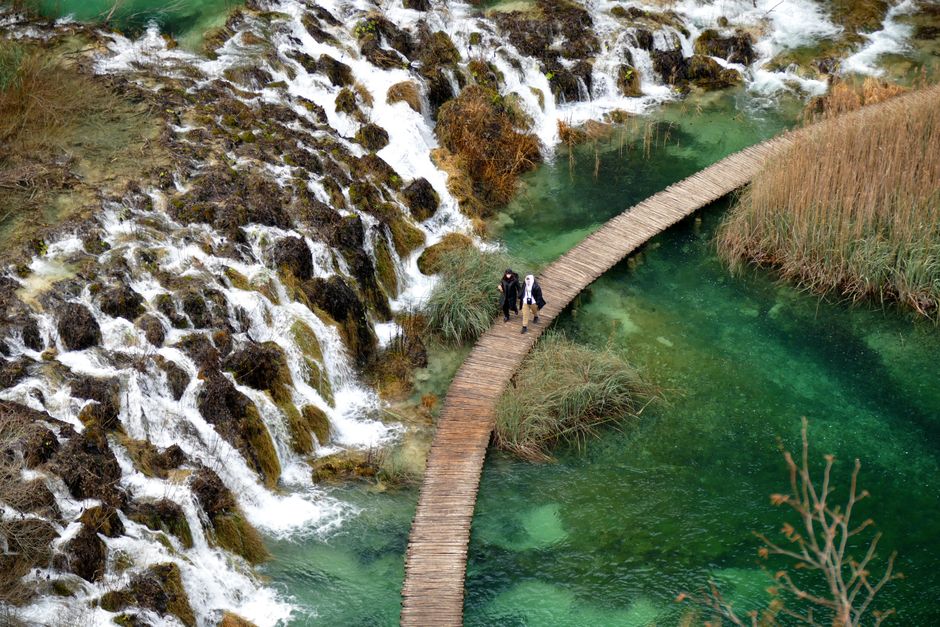
Hey fellow travelers—if you’re trying to get from Zadar to Plitvice Lakes without renting a car, I’ve got you. This guide breaks down the most practical day-trip formats and shows what each one really means for your time inside the park.
Plitvice is one of Croatia’s “you’ve gotta do it” spots, but the drive can chew up your day if you choose wrong. The good news? You’ve got several solid car-free options—some simple, some budget-y, and all worth it if you match the format to your priorities.
Below, I’ll help you pick a plan that gets you into the park with enough daylight (and patience) to enjoy the waterfalls instead of just sprinting between entrances.
Four car-free day-trip formats (and who each one fits)

Zadar to Plitvice Lakes is roughly 130–150 km, so you’re usually looking at about 2.5–3.5 hours each way depending on the route and traffic. Without a rental car, you’ll mostly lose time in two places: the drive and any waiting around (meeting points, transfer timing, queues).
Here are the four best formats to consider.
1) Guided group coach tours: simplest “door-to-door-ish” option
If you want the least hassle, a guided group tour is usually the cleanest choice.
What you’ll typically get:
- Pick-up somewhere in Zadar (often a hotel area, central meeting point, or the bus station area)
- Round-trip transport to Plitvice
- A set time to start heading into the park
- A return time that’s fixed, so you don’t have to think too hard
The trade-off:
- You’ll be more time-flexible inside the park if the tour feels relaxed—but most group tours are still structured.
- If you’re sensitive to crowds or slow walkers, group timing can feel a bit tight.
Best for you if:
- You want low effort
- You don’t want to coordinate buses
- You’re okay with a “follow the plan” day
2) Small-group early departure: more park time without going fully private
This is the sweet spot for a lot of people. You still get a guide/driver, but the group is smaller (and the itinerary is usually built around beating the worst of the crowds).
What tends to be different:
- Earlier departures from Zadar (often morning)
- Less waiting at pick-up points
- A little more freedom for stops—especially if your group has a consistent pace
The trade-off:
- More walking or earlier starts are common.
- “Small group” can still mean you’re with other guests who stop for photos—just usually fewer of them.
Best for you if:
- You want to maximize time in the park
- You like guided context but still want breathing room
- You don’t want the cost of full private transfers
3) Private transfer + self-guided park time: highest control
With a private transfer, you’re basically buying time and peace of mind.
How this usually works:
- You’re driven from Zadar to Plitvice (often with a scheduled pick-up)
- You enter Plitvice on your own (self-guided)
- You return at a set time (or sometimes at a chosen window, depending on the arrangement)
What you gain:
- Fewer time constraints on the journey than public transport
- You can go at your pace inside the park (within the park’s route system and opening hours)
- You can tailor your day to weather and your energy level
The trade-off:
- It’s typically the priciest option.
- You’ll still need to manage your own rhythm—no guide herding you around.
Best for you if:
- You value flexibility
- You’re traveling with someone who walks slowly/quickly
- You’d rather spend money than stress
4) Public bus + local connections: cheapest, but timing is everything
If budget matters most, public transport can work—just know it requires more planning and can involve waiting.
What this format looks like in real life:
- A bus from Zadar toward the Plitvice area
- A connection/short local segment (often not a single “one bus and done” ride)
- You navigate your entrance timing and route inside the park
Where people get caught out:
- Departure times may not line up perfectly with park hours
- Delays happen (it’s Croatia—things are generally smooth, but schedules aren’t magic)
- You may spend more time waiting than you expect
Best for you if:
- You’re comfortable planning ahead
- You’d rather “figure it out” than pay for convenience
- You want a flexible day as long as the timing works
How your schedule changes your Plitvice time

This is the part most people miss: the “car-free” decision isn’t just about getting there. It’s about when you’re inside Plitvice and how that affects your walking, crowd experience, and overall enjoyment.
The early-morning advantage (and why it matters)
If you do Plitvice as a day trip, early is the difference between “wow, waterfalls” and “where are all the people coming from?”
Why early helps:
- You’ll hit the first main areas with fewer families and tour groups
- You’ll have more time before the busiest photo spots get packed
- The park feels calmer when you can take your time on the boardwalks
Practical takeaway:
- If your tour offers an early departure, it’s usually worth it.
- If you’re choosing public transport, don’t pick a random morning—aim for the earliest feasible arrival that matches the park’s hours.
Midday trade-offs: crowds vs flexibility
Midday can be fine—if you’re mentally prepared.
What midday usually means:
- More people flowing through the most popular sections
- More chances you’ll feel rushed if your transport return is strict
- Better odds of sunny weather (sometimes), but also more “traffic” on viewing points
My advice for midday arrivals:
- Plan your day so you’re not relying on squeezing every waterfall viewpoint back-to-back.
- Build in a slower rhythm: pause, walk, breathe, then move.
Late returns: avoiding the “we’re leaving when it’s just getting good” feeling
Most day trips are timed around transport schedules.
So watch for this:
- Tours often pick a return time that guarantees they can get back to Zadar before dark (and before their driver run ends)
If you’re prone to impatience, you’ll want:
- A format that gives you a decent chunk of time inside the park
- A route plan that doesn’t require rushing between far-apart areas
A good rule of thumb:
- Don’t base your plan on “I’ll just do the highlights.” That sounds smart until you realize highlights are the busiest parts.
What “route choice” means for walking time
Plitvice is not hard in the “climb a mountain” way, but it’s absolutely a walking day. Boardwalks, trails, stairs, and waiting for viewpoints all add up.
How to think about it:
- A longer route usually gives you better variety—more scenery, more waterfalls, less feeling like you just scratched the surface.
- A shorter route keeps you safer with timing, especially for bus-timed day trips.
When you arrive, pay attention to:
- Any route directions and temporary closures (these can change)
- Whether the direction you want is currently the easiest/logical flow for visitors
Group vs private: what’s different in practice

It’s easy to compare “group vs private” on price and ignore the stuff that actually affects your day. Here’s what you’ll feel once you’re moving.
Meeting points and waiting time
The biggest hidden cost of group travel is time spent doing logistics.
In practice, that can look like:
- Waiting for pick-up if you’re not at the exact right meeting point
- Group assembly time before departure
- Brief breaks on the drive (sometimes helpful, sometimes just time you didn’t want to lose)
For public transport, waiting can be similar—just in a less managed way.
How to protect your day:
- Choose the earliest departure you can comfortably handle.
- If you have public-transport flexibility, build buffer time rather than assuming everything is perfectly on time.
Guides: stories vs stopping for photos
A guide can be great—or slightly annoying—depending on your style.
What a good guide does:
- Helps you understand where to look (and why those waterfalls are special)
- Keeps the group moving at a reasonable pace
What can annoy you:
- Frequent regrouping
- Stop-and-listen moments that don’t match your pace
If you’re picky about photos:
- Consider a format that gives you more self-guided freedom inside the park, or one where the guide focuses on landmarks rather than long talks.
Ticket and entrance logistics
Car-free options usually differ in whether tickets are arranged for you.
Common setups:
- Some guided tours include the entry/tickets so you only show up and go
- Public transport generally means you manage your own entrance timing
- Private transfer usually means you still handle tickets, but the journey is managed
What I recommend regardless of format:
- Plan to enter smoothly, not at the last second.
- Check any “last entry” rules and confirm opening/closing times before you go.
Comfort stuff on the drive (toilets, breaks, energy)
This isn’t glamorous, but it matters when you’re leaving early.
Look for these details in the format you pick:
- Whether there’s a scheduled toilet break on the drive
- How long the travel time really is (and whether traffic is a factor at your departure time)
- Whether you’re starting your morning already tired (it happens)
A small, practical hack:
- If you’re doing a day trip, try not to pack a “stuff every moment” plan the night before. Get sleep. Your legs will thank you.
The car-free plan I’d use (step-by-step day)

Let’s make this concrete. Below are three templates based on the formats above. Pick the one that matches your priority: fewer crowds, better pacing, or budget.
If you hate crowds: the early-bird template
This is the “I want the waterfalls without the bottleneck” plan.
What the day usually looks like:
- Morning departure from Zadar
- Arrival before the park gets crowded
- Longer enjoyment of the first main areas
- A return timed so you’re not constantly watching the clock
What to do inside the park (simple version):
- Start with the part that gets you the best variety early
- Stop for the big viewpoints, then keep moving at a steady pace
- Don’t over-optimize every single stop—pick the ones you genuinely care about
If you prefer photos and breaks: mid-morning template
This is for people who want to enjoy, not sprint.
Plan expectations:
- You might arrive when there are more visitors
- You’ll want your format to have a return time that still leaves you comfortable time inside
How I’d structure it:
- Take your first section slower than you think you need
- Hit the most iconic viewpoints, then work outward rather than backtracking
- If you feel crowded in one area, move on—don’t force it
If you’re on a budget: public-transport template
This only works smoothly if timing aligns.
Before you commit, check:
- Your earliest departure from Zadar options
- The return connection timing (this is the real stress point)
- Whether the local connection makes you wait around longer than you’d like
How to make it feel less painful:
- Build in a buffer for waiting.
- Pick a route inside the park that matches your time window.
- Treat the day like a “choose-your-favorite” experience, not a checklist.
Inside Plitvice without stress
Even with the perfect transport plan, you can still have a rough day if you walk in blind. Here’s how to keep your feet happy and your mood intact.
Where to start so you don’t double back
At Plitvice, the flow matters. You don’t want to end up looping or cutting your route short because you made a directional mistake early.
So when you enter:
- Pay attention to the route signage and direction maps
- Choose a route that matches your available time window
- Don’t assume you can “just do a bit of this and then that” without consequences—walking adds up
Walking surfaces and weather reality
Plitvice is a waterfall-and-wooden-boardwalk world. That means:
- Surfaces can be slick when it’s wet
- Steps and ramps can feel more intense than you expect after a drive
- Weather changes how crowded and comfortable it feels (sun vs cloud makes a big difference)
Your simple plan:
- Wear grippy shoes
- Take slower steps near boardwalk sections
- If it’s raining, don’t let impatience push you faster than your footing
How long to budget for photos + viewpoints
This is where day trips often fail.
Even if you think you only need “two or three big stops,” you’ll end up:
- waiting for the perfect angle
- sharing a viewpoint with other visitors
- stopping longer because the water noise is hypnotic (it is)
My budgeting advice:
- Plan for a comfortable pace rather than a “fastest possible” pace.
- If your transport return is strict, shorten your ambitions—not your safety.
Food and drink: what’s worth it
You can buy snacks and drinks inside the park area, but I’d go into it with realistic expectations.
What to keep in mind:
- Prices can be higher than outside the park
- Seating can be limited at busy times
- It’s often more relaxing to snack and keep moving rather than commit to long meals
If you want a smoother day:
- Bring water and quick snacks if allowed by your tour/travel style
- Time your breaks so you’re not stopping right when you should be moving through a busier section
Final thoughts: pick your pace, not your guilt
You don’t need a rental car to do Plitvice from Zadar—you need the right match between transport format and your preferred pace.
If you’re still deciding, here’s the quick way I’d choose:
- Choose an early group/small-group format if you want fewer crowds and a smoother flow.
- Choose private transfer + self-guided if you want maximum control and you’re okay paying extra.
- Choose public transport only if the timing lines up with park hours and your return is comfortable.
My rule of thumb for choosing a format
If you remember only one thing, make it this:
- The best day trip is the one that gets you into the park without stress and leaves you time to actually enjoy it.
Quick checklist before you leave Zadar
- Confirm the park opening hours and any route restrictions for your exact day
- Double-check your pick-up/return time and add a realistic buffer
- Wear grippy shoes (Plitvice weather can change)
- Don’t plan a “run through everything” itinerary—pick your favorites and move steadily
If you tell me your travel month (and whether you’re more “early and calm” or “flexible and relaxed”), I can suggest which of the four formats is most likely to feel right for you.