Hey there travel enthusiasts and welcome to my post where we will check out my 16 best places to visit in the Middle East this year.
I’ve done the long-haul thing more times than I can count—so I’m not going to sell you fantasy. Some places are dazzling and easy. Others are hot, crowded, or a bit of a logistics headache. The good news? The Middle East is packed with “one more day” energy, as long as you plan around the weather, respect local culture, and don’t overstuff your route.
Below is my practical shortlist. For each spot I’ll give you:
- what it’s best for
- ideal time of year (roughly)
- how many days to spend
- what it costs in broad strokes
- the trade-off I think you should know upfront
1) Gulf glamour: Dubai, Abu Dhabi & Doha (high impact, easy comfort)

If you want a Middle East trip that’s well set up for travellers—clean transit, loads of hotels, and attractions that actually open on time—this is your lane.
Dubai: big-city buzz with desert escapes attached
Dubai is one of those places where you can do everything “too much”… or you can do it sensibly.
Best for
- modern architecture and mega-malls (yes, really)
- affordable luxury experiences (compared to many other global hubs)
- day trips to desert camps
When to go
- Oct–Apr is the move. Summers are brutal—think intense heat and humidity.
How long
- 3–4 days if you want a mix of city + desert
Budget reality (rough)
- major attractions: plan on tens of dollars per person depending on what you pick
- hotel costs swing wildly—pick your comfort level early
Trade-offs
- It can feel “pricey for what it is” if you go full tourist-expensive on everything.
- Traffic can be a time sink if you’re rushing between far-flung sights.
My practical tip
- Group activities by neighborhood/time of day. Do indoor highlights midday, then outdoor stuff in the cooler hours.
Abu Dhabi: a calmer vibe with world-class culture
Abu Dhabi doesn’t have to be flashy—it’s more about heritage, big architecture, and relaxed pacing.
Best for
- the Sheikh Zayed Grand Mosque (seriously impressive)
- museums and heritage areas
- slower evenings by the water
When to go
- Nov–Mar tends to be comfortable
How long
- 2–3 days is usually perfect
Budget reality (rough)
- mosque visits are typically straightforward; museum fees vary
- you’ll spend more on guided experiences and high-end dining
Trade-offs
- Less “wow per hour” than Dubai if you’re chasing pure spectacle.
- Some things are spread out—renting a car or using taxis helps (public transport exists, but it’s not as simple everywhere).
Doha: modern culture and coastal stroll energy
Doha is often the underrated cousin: compact, walkable in areas, and surprisingly easy to enjoy without constant planning.
Best for
- museums and cultural districts
- waterfront evenings
- clean, comfortable travel days
When to go
- Oct–Mar is your best bet for outdoor time
How long
- 2–3 days
Budget reality (rough)
- Plan for mid-range costs: dining and attractions can add up, but it’s not always “Dubai expensive.”
Trade-offs
- If you want wild nightlife 24/7, you might find Doha calmer than expected.
My practical tip
- Build in one “no-plan” block. Doha is great for wandering without feeling like you’re wasting a day.
2) Oman: Muscat, Nizwa & Sur (dramatic landscapes without the chaos)
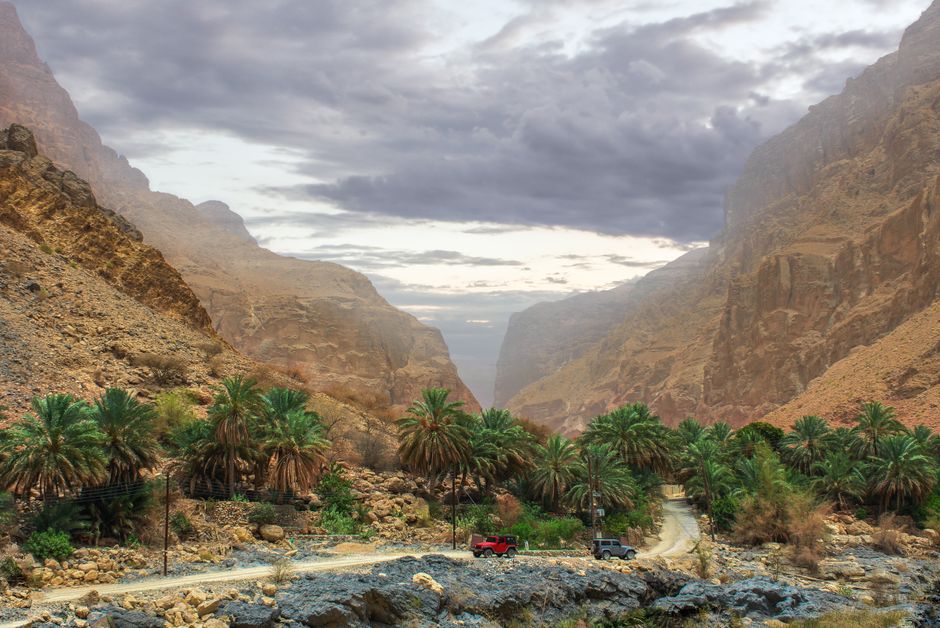
Oman is the Middle East trip you take when you want scenery and culture, not just skyline selfies.
Muscat: pretty city views, forts, and an easy rhythm
Muscat is photogenic—sea breezes, forts on hills, and a laid-back feel compared with some of the region.
Best for
- architecture and coastline walks
- forts and heritage sites
- a comfortable base for day trips
When to go
- Oct–Apr for the most comfortable exploring
How long
- 3–4 days
Budget reality (rough)
- Oman can be good value compared to some Gulf cities, especially for food and everyday travel
Trade-offs
- Distances can take longer than you think, so don’t schedule day trips back-to-back.
Nizwa & Bahla: forts, markets, and a “real Oman” vibe
If Muscat is about comfort, Nizwa (plus Bahla) is about atmosphere.
Best for
- historic forts
- souks/markets (great for browsing)
- mountain-region views
When to go
- Cooler months make a huge difference
How long
- 1–2 days
Budget reality (rough)
- Usually reasonable for entrance fees and local guides
Trade-offs
- If you’re not into forts and history, Nizwa might feel slow.
My practical tip
- Go earlier in the day. Light gets better and it’s less exhausting.
Wadi Shab & Sur: wadis, coast roads, and that “I’m really somewhere” feeling
This is where Oman earns its reputation. You drive, you stop, you hike a bit, you arrive at views that look unreal.
Best for
- short hikes and scenic wadis
- coastal towns and local seafood
- road-trip style travel
When to go
- Oct–Apr for easiest hiking and walking
How long
- 2–3 days (including travel)
Budget reality (rough)
- Costs are mostly about transport (car/driver) and any guided tours
Trade-offs
- You’ll want a solid day plan—this area isn’t “wander randomly and it works out” friendly everywhere.
3) Jordan: Petra, Wadi Rum & Amman (history that actually hits)

Jordan is built for travellers who like big moments: carved rock cities, desert nights, and a capital that’s easy to settle into.
Petra: the moment you came for
Even if you’ve seen photos, Petra is still the kind of place that makes you slow down.
Best for
- the iconic Treasury area and beyond
- a deep walk through carved history
- sunrise/sunset-style vibes
When to go
- Apr–May and Sep–Oct are often ideal (less punishing than peak summer)
How long
- 2 full days if you want more than the postcard routes
Budget reality (rough)
- Expect entrance fees plus optional add-ons (like guides or specific areas)
- Plan for transport from your base
Trade-offs
- It’s a lot of walking. Wear shoes you trust.
- Crowds can be intense at peak times—go early if you want breathing room.
Wadi Rum: desert nights and starry calm
Wadi Rum is desert minimalism at its best.
Best for
- jeep tours through red-sand landscapes
- simple camps and desert dinners
- stargazing away from city light
When to go
- Cooler months for comfortable day travel
How long
- 2 days / 1 night minimum
Budget reality (rough)
- You’re paying for a tour + camp experience. Costs vary widely by comfort level.
Trade-offs
- Some tours feel samey if you don’t ask questions about routes and timing.
My practical tip
- Ask what you’re actually doing for the day (not just “a jeep tour”).
Amman (and the Jordan Valley option): a comfortable start or finish
Amman is a smart hub—good food, friendly people, and it keeps your logistics sane.
Best for
- markets, cafés, and relaxed evenings
- easy access to day trips
When to go
- Oct–Mar is generally easiest
How long
- 2 days
Budget reality (rough)
- Usually affordable compared to some Gulf capitals
Trade-offs
- It’s not a “single-moment” city like Petra; you experience it more slowly.
4) Egypt: Cairo & Luxor + a Red Sea break (pharaoh scale, big variety)
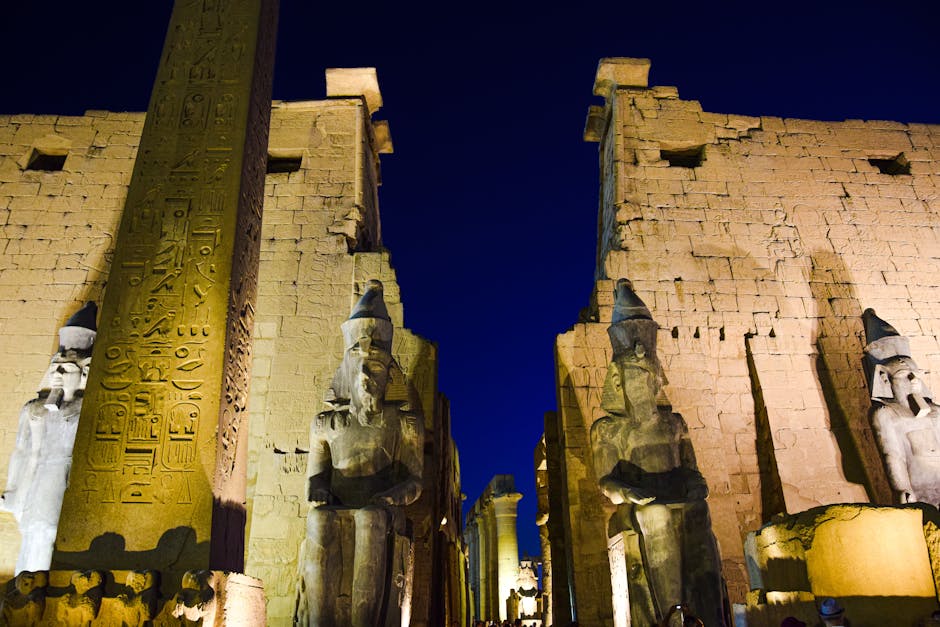
Egypt is a mash-up: ancient wonders, lively street life, and (if you plan right) a beach break that actually feels like a reset.
Cairo & Giza: start with icons, then explore the city vibe
Cairo is busy—like, busy—but Giza gives you that wow factor right away.
Best for
- pyramids and major antiquities
- museums and neighborhoods
- evening food and street scenes
When to go
- Many people aim for Oct–Apr to dodge the worst heat
How long
- 3–4 days total (including Giza time)
Budget reality (rough)
- Major historical sites can be an additional cost on top of tours/transport
Trade-offs
- Cairo traffic and crowds can be exhausting. Build buffer time.
My practical tip
- Do the big ticket site early, then treat the rest of the day as flexible.
Luxor: temples that feel like they’re holding their breath
Luxor is where you slow down and let the ancient world sink in.
Best for
- Karnak and Luxor Temple areas
- sunrise/sunset atmosphere (depending on the route you pick)
When to go
- Cooler months are more comfortable for walking
How long
- 2–3 days
Budget reality (rough)
- Tours and guided interpretation can be worth it to understand what you’re looking at
Trade-offs
- It’s hot in peak season—plan shaded breaks.
The Red Sea: Hurghada or Sharm El-Sheikh (your recharge button)
After ancient sites, the Red Sea is the perfect contrast.
Best for
- diving/snorkeling and beach downtime
- day trips on the water
When to go
- Lots of people enjoy it in the same months that are comfortable for Cairo/Luxor
How long
- 3–5 days
Budget reality (rough)
- Resorts and water activities can get pricey, but you can also keep it simple with a good base hotel + a couple of excursions
Trade-offs
- If you only want history, the Red Sea can feel like a detour.
5) Saudi Arabia: AlUla, Riyadh & Jeddah (new sights with serious scale)
Saudi Arabia has been transforming fast. The result: fewer “mystery logistics” days and more impressive experiences.
AlUla: rock formations, heritage, and “wow” landscapes
AlUla is one of the Middle East’s most memorable scenery stops.
Best for
- dramatic desert-rock landscapes
- heritage sites and guided experiences
When to go
- Generally cooler months for walking and sightseeing
How long
- 3 days
Budget reality (rough)
- Expect your money to go into tours/transport and higher-end experiences (depending on where you stay)
Trade-offs
- If you like spontaneous wandering, you might find some areas are best enjoyed through structured routes.
My practical tip
- Choose one “big guided experience” per day and keep the rest flexible.
Riyadh: modern Saudi city life with growing culture
Riyadh is the capital—so it has that modern city rhythm, but it’s also getting more visitor-friendly.
Best for
- museums and cultural districts
- shopping and cafés
- day trips nearby
When to go
- Cooler months
How long
- 2–3 days
Budget reality (rough)
- Usually easier to manage than you might expect; costs depend on how fancy you go
Trade-offs
- It’s not a “walk 5 minutes and instantly feel ancient” kind of place.
Jeddah & the Red Sea coast: a welcome pace change
Jeddah is a solid add-on if you want coastline energy without leaving the country.
Best for
- coastal atmosphere
- day/night city rhythm
When to go
- Cooler months
How long
- 1–2 days
Budget reality (rough)
- Mid-range to higher costs if you’re staying in top areas
Trade-offs
- The city can feel spread out—plan your days around specific neighborhoods.
6) Israel/Palestine: Jerusalem & Tel Aviv (history, food, and a lot of layers)
I’m going to be careful here: travel can involve complex real-world conditions, and rules can change. Before you book, always check the latest travel advisories and entry requirements.
That said, Jerusalem and Tel Aviv are genuinely incredible in how different they feel.
Jerusalem Old City: layers of history in a tight, intense space
Jerusalem is one of those places where your brain keeps “zooming in” even when you’re standing still.
Best for
- iconic religious and historic sites
- walking neighborhoods with deep cultural meaning
When to go
- Often easiest in spring (Mar–May) and autumn (Sep–Nov)
How long
- 2 days
Budget reality (rough)
- Costs vary based on guides/tours and your day plan
Trade-offs
- It can be crowded and security procedures can affect how long you’re in certain areas.
Tel Aviv-Yafo: beach energy + brilliant food
Tel Aviv is what you do when you want to exhale after Jerusalem.
Best for
- beach time and promenade walks
- café culture and late dinners
- creative neighborhoods
When to go
- Generally pleasant in spring/autumn
How long
- 2–3 days
Budget reality (rough)
- Dining can be a highlight—budget for it if you’re a foodie
Trade-offs
- If you only want “ancient ruins,” Tel Aviv might feel too modern.
My practical tip
- Do Jerusalem earlier in the trip (when you’re fresh), then let Tel Aviv be your decompression.
Visiting responsibly (what I’d prepare before you go)
This isn’t meant to scare you—it’s meant to save you stress.
Pack and plan for
- comfortable walking shoes (Jerusalem especially)
- modest clothing for religious sites
- cash/card balance (rules on payments can vary by place)
- flexibility in your schedule for crowd/safety flow
Trade-off to accept
- You may need to reorder your day to match what’s accessible.
Quick planning cheat sheet: how to stitch these places together
If you’re trying to pick just a few, here are the routes that usually feel best in real life.
If you have 10–12 days (classic first-timer route)
- Gulf + Oman + Jordan is a strong mix
A sample flow
- Dubai (3 days)
- Muscat (3 days) + Nizwa (1 day)
- Petra (2 days)
- Amman (1 day)
If you have 12–14 days (history + coast)
- Egypt + Jordan or Egypt + Saudi both work well
A sample flow
- Cairo/Giza (3 days)
- Luxor (3 days)
- Red Sea (4 days)
- Petra (2–3 days)
If you have 7–9 days (maximum wow, minimal backtracking)
- focus on one “region cluster”
A sample flow
- Dubai + Abu Dhabi (4–5 days)
- Doha (2–3 days)
Things that save your trip (seriously)
- Book your first and last night early—everything else can stay flexible.
- Plan around heat: mornings and late afternoons are your best friends.
- Don’t overbook tours: build buffer time between big sights.
- Use neighborhoods, not just attraction lists: it reduces wasted time.
Final thoughts (my honest recommendation)
If I had to boil it down: the “best places to visit in the Middle East” are the ones that match your travel style. If you like comfort and sparkle, go Gulf. If you want scenery and culture you can actually feel, Oman delivers. If you want earth-shaking history, Petra and Egypt are hard to beat. And if you want modern energy with ancient gravity, Jerusalem plus Tel Aviv is a standout combo.
Whichever route you choose, go with a little flexibility and a lot of curiosity. That’s when the Middle East becomes more than a checklist—and starts feeling like a story you’ll keep telling long after you’re home.


