Hey there travel enthusiasts and welcome to my post where we will check out my 25 best things to do in Japan this year.
If it’s your first trip, Japan has this way of overwhelming you—in a good way. You land, you get hit by neon, you eat something incredible before breakfast, and then you suddenly realize you have to figure out trains, etiquette, and booking reservations all at once.
So I built this guide like I wish someone had handed it to me: a “start here” list, grouped by areas and themes, with the trade-offs called out (crowds, cost, what’s worth booking, what you can do on the fly).
My quick reality check (so you don’t get stressed)
You can absolutely do a lot in Japan as a first-timer—but the best experience usually comes from:
- Picking 1–2 bases (Tokyo + Kyoto are the classic combo)
- Doing day trips instead of hotel-hopping constantly
- Going early mornings / late evenings for the popular stuff
- Being okay with the fact that some “must-dos” are crowded and/or pricier than you expect
My 25 first-timer picks (quick list first)
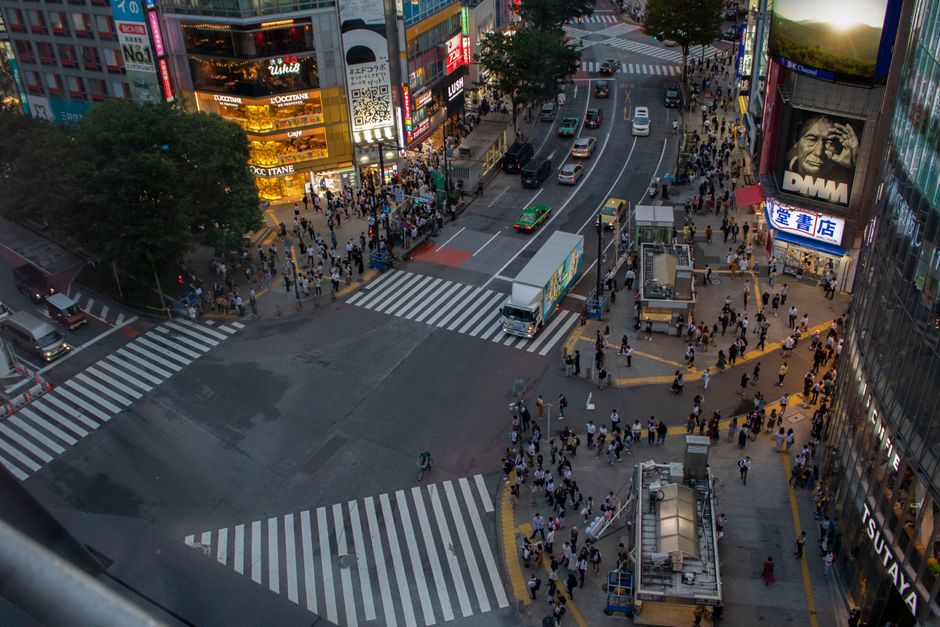
- Shibuya Crossing (yes, really)
- Shinjuku nightlife + a little alley exploring
- Meiji Jingu (Tokyo’s calm, forested reset)
- Asakusa & Senso-ji (old Tokyo vibes)
- Tsukiji Outer Market breakfast
- teamLab Planets (immersive art)
- Shibuya Sky / Tokyo viewpoints
- Akihabara (anime, games, gadgets)
- Tokyo Skytree / Sumida riverside area
- Fushimi Inari Taisha (the torii gates)
- Kiyomizu-dera (temples + skyline views)
- Arashiyama bamboo grove + Tenryu-ji
- Gion stroll (classic Kyoto streets)
- Nishiki Market (Kyoto’s “snack heaven”)
- Philosopher’s Path (walk it when it’s peaceful)
- Ramen (and how to order confidently)
- Izakaya night (pub food + local energy)
- Sushi at a counter (with sane first-timer options)
- Depachika (food halls in department stores)
- Okonomiyaki + takoyaki (Osaka-style)
- Hakone loop (cable car, ropeway, Lake Ashi views)
- Mount Fuji area day trip (chase the best light)
- Stay at an onsen ryokan (or do a day onsen)
- Hiroshima + Miyajima
- Osaka: Dotonbori + Kuromon Market
Alright—let’s break it down properly.
1) Tokyo classics (the “wow” factor + the practical wins)

Street-level icons and skyline views (do these early)
If you’re a first-timer, you need at least a couple of “I can’t believe I’m here” moments:
- Shibuya Crossing (1): Walk it, then grab a view from nearby.
- Trade-off: it’s busy—go early morning or aim for evening.
- Shinjuku nightlife (2): Even if you’re not “clubby,” Shinjuku’s alleys and neon are a vibe.
- My move: start with a viewpoint area, then wander toward quieter side streets.
- A Tokyo viewpoint (7): Consider Shibuya Sky or another observation deck depending on the weather.
- Trade-off: pricey tickets, especially at peak sunset times—check pricing and book if you can.
- Akihabara (8): Games, collectibles, anime stores, arcades.
- Great for: rainy days.
Old Tokyo without the long commute
Tokyo can also be surprisingly traditional:
- Meiji Jingu (3): A forested shrine walk that feels like you stepped out of the city.
- Try: morning for quieter paths.
- Asakusa & Senso-ji (4): Classic gates, lanterns, and that “old-meets-new” energy.
- Tip: go before breakfast or after dark for a different feel.
Eat your way through the city (Tokyo is built for this)
Tokyo is one of the easiest places in the world to eat well without stress:
- Tsukiji Outer Market breakfast (5): Go early and keep it simple—small bites add up fast.
- Trade-off: lines can be real; don’t assume the first stall is best.
- Depachika (19): Department store food halls—seriously, treat this like a “must.”
- What to look for: bento, seasonal sweets, snack packs.
- Izakaya-style night wandering (17): A proper first-timer night is part food, part people-watching.
One “wow” booking: immersive art
Japan has some experiences you just can’t replace with a stroll:
- teamLab Planets (6): Immersive installations that feel like stepping inside a moving dream.
- Trade-off: often requires reservation/timed entry; it can sell out around prime times.
2) Kyoto & Nara (historic Japan, but pace it like a pro)

Here’s the sweet spot: do the iconic places, but give them early/late slots and add a couple of slower walks.
Torii gates, hillside views, and temple vibes
These are non-negotiable first-timer hits:
- Fushimi Inari Taisha (10): The torii gate pathways are iconic for a reason.
- Trade-off: extremely popular. Go early morning or later in the evening if you can.
- What I like: walk beyond the densest section; the farther you go, the calmer it gets.
- Kiyomizu-dera (11): Dramatic temple + city views.
- Best approach: pair it with surrounding streets (don’t just do the temple gate and leave).
Arashiyama: nature, history, and the bamboo effect
Arashiyama is gorgeous—but the bamboo grove is the kind of popular that attracts crowds from all directions.
- Arashiyama bamboo grove + Tenryu-ji (12): Go early.
- Trade-off: it’s crowded at peak hours, but the atmosphere is still special.
- Bonus: extend your walk along riverside paths rather than only the “one-photo” spot.
Nara day trip: easy, rewarding, and usually less hectic than Kyoto
- Nara deer park + major temples (15 isn’t here—here we’re talking 24?—ignore that; Nara’s main picks are below):
- Todai-ji (big Buddha temple experience)
- Kasuga Taisha (lantern-lined shrine grounds)
- Trade-off: it’s popular too, but it often feels easier to manage than Kyoto’s central areas.
Kyoto snack stops you’ll actually enjoy
This isn’t just sightseeing—Kyoto is great for food wandering:
- Nishiki Market (14): Walk it like a sampler menu.
- Tip: aim for mid-morning so you’re not starving, but also not fighting the biggest waves.
- Philosopher’s Path (15): A calm, scenic walk.
- Best time: when it’s not peak rush hour.
3) Japan food & everyday culture (the stuff you remember)

Ramen, sushi, and “how do I order this?” wins
Don’t overthink it—most places are happy to help.
- Ramen (16):
- First-timer approach:
- Look for a place with a steady line (not necessarily the longest—just consistent).
- Start with one popular option and don’t get trapped in a menu spiral.
- First-timer approach:
- Sushi at a counter (18):
- Trade-off: top-end sushi can get expensive fast.
- First-timer strategy:
- Go for a mid-range set menu if you want less decision pressure.
- Ask staff what’s best if you’re unsure.
Izakaya night (you don’t need to “know the rules”)
Izakayas are one of the easiest ways to experience Japanese nightlife without it being intimidating.
- Izakaya night (17):
- What to do:
- Order a mix—something grilled, something fried, something refreshing.
- If there’s a menu with photos, you’re in luck.
- Etiquette basics (low stress):
- Keep voices reasonable.
- Don’t block walkways.
- Use the provided instructions for queues/ordering.
- What to do:
Depachika and markets: the snack economy
This is how you eat “a lot” without committing to one huge meal every time.
- Depachika (19): Treat it like a food museum you can eat.
- Great for: souvenirs you’ll actually enjoy.
- Market wandering:
- In Tokyo: Tsukiji Outer Market breakfast (5)
- In Kyoto: Nishiki Market (14)
“Comfort food” from Osaka (even if you’re not there yet)
Even before your Osaka day, keep an eye out for these:
- Okonomiyaki + takoyaki (20): You’ll find them throughout Japan, but Osaka is the home-base energy.
4) Onsens & iconic day trips (big scenery, smaller stress)
Some of Japan’s best moments happen when you get out of the city for a day.
Hakone loop: views and classic transit vibes (21)
- Hakone loop (21): A great “first escape” because it’s scenic and has variety.
- What you’ll likely include (choose based on weather):
- Cable car / ropeway for mountain views
- Lake views (Lake Ashi area)
- Trade-off: clouds can ruin the “perfect view” fantasy—build flexibility into your plan.
- What you’ll likely include (choose based on weather):
Mount Fuji area day trip: chase good light, not perfection (22)
- Mount Fuji area (22): This is one of those experiences where the weather is part of the story.
- First-timer advice:
- Pick a day when skies look best.
- Have a backup plan if visibility is low.
- What makes it special: the moment Fuji shows up cleanly behind the town/paths.
- First-timer advice:
Onsen ryokan: the overnight upgrade (23)
An onsen stay is one of those things that makes Japan feel… complete.
- Stay at an onsen ryokan (23):
- Why it’s worth it:
- The bath ritual is calming.
- Dinner (often a multi-course style) feels special.
- Waking up in a different rhythm is half the experience.
- Why it’s worth it:
- Trade-offs you should know:
- Some ryokan rooms are compact—especially in older properties.
- Booking well ahead is smart around peak seasons.
If you want one “deep history” day trip: Hiroshima + Miyajima (24)
This isn’t “scenery for the gram”—it’s meaningful, and it deserves time.
- Hiroshima + Miyajima (24):
- Plan for a full day (or more if you can).
- Miyajima’s Itsukushima Shrine area is famous, and the atmosphere shifts across the day.
- Tip: give yourself room to slow down. You don’t want to rush through something important.
5) Osaka: the fun stop you’ll be glad you included (and where food shines)
Osaka doesn’t feel like “another city”—it feels like a mood upgrade.
Dotonbori at night (25, the easiest win)
- Dotonbori (25): Neon streets, loud energy, and instant “I’m in Japan” vibes.
- Best time: after dark.
- Trade-off: it’s busy—expect crowds in the main lanes.
Kuromon Market: snack lunch done right
- Kuromon Market (25): A great place for a flexible day.
- What to do:
- Sample multiple small items.
- Keep an eye on queues and where turnover looks healthy.
- What to do:
Okonomiyaki and takoyaki—Osaka’s signature (20)
- Okonomiyaki + takoyaki (20):
- If you’re doing one “street food” mission, do it here.
- First-timer tip: go with a place that looks busy and has staff comfortable with visitors.
6) Practical first-timer guide (so you don’t waste time)
This is the unglamorous part—but it’s exactly what makes Japan feel smooth.
Getting around: IC cards, trains, and luggage forwarding
Japan is excellent for transit, but planning makes it effortless.
- IC cards (Suica/Pasmo equivalents):
- Tap in/tap out for subways and many trains.
- Great for: spontaneous changes.
- Train planning:
- Use station signage and apps that show platform info (double-check before you step onto the platform).
- Luggage forwarding (takkyubin):
- Super convenient when moving hotels.
- Trade-off: you need to plan timing (send it before you leave the city; confirm delivery windows).
Booking priorities (what sells out)
Not everything needs reservations, but some things really do.
- Priorities to book ahead (when possible):
- Timed-entry immersive attractions (like teamLab Planets)
- Popular museums/featured experiences that have limited slots
- If you want a specific onsen ryokan or dinner-inclusive stay
- What you can often do on the fly:
- Shrines and temples outside major peak events
- Market browsing and casual street food missions
Etiquette and “small things” that stop awkward moments
Japan isn’t “strict” in the scary way—more like it’s considerate.
- Shoes:
- You’ll remove shoes in many indoor spaces; follow the signs.
- Quiet zones:
- Keep voices down on trains.
- Don’t take loud calls or block walkways.
- Queues:
- If people are lining up, join the line.
- Stand to the side while waiting on platforms.
- Cash and cards:
- Cards work a lot of the time, but carrying some cash is still smart.
When to go: seasons that change the whole vibe
Try to plan around weather—Japan is gorgeous in every season, but what you do changes.
- Spring (cherry blossom season): Beautiful, but crowded—book earlier.
- Summer (hot/humid): Great festivals, but plan indoor breaks and early mornings.
- Autumn: One of the easiest “good weather + good views” combos.
- Winter: Cozy, less humid, and onsen season vibes.
7) Wrapping up: your Japan starter plan (pick your pace)
You don’t need a complicated itinerary. You need the right mix: iconic sights, great food, and enough breathing room to enjoy the in-between moments.
If you’ve got 7–10 days (first-timer classic)
A simple structure that works:
- Tokyo: 4–5 days
- Shibuya, Meiji Jingu, Asakusa
- One “wow” booking (teamLab)
- A food-focused market/day (Tsukiji + depachika)
- Kyoto: 3–4 days
- Fushimi Inari, Kiyomizu-dera
- Arashiyama + Gion
- Nishiki + one calmer walk (Philosopher’s Path)
- Day trip add-on:
- Pick one: Hakone/Fuji or Hiroshima/Miyajima (depending on your interest and how much travel you want)
If you’ve got 12–14 days (less rushing, more depth)
If you can stretch it, you’ll enjoy it more:
- Keep the same Tokyo + Kyoto base
- Add:
- Osaka for 2–3 days (Dotonbori, Kuromon, okonomiyaki/takoyaki)
- An onsen ryokan overnight (even one night changes the whole trip)
- Another day trip (Hakone/Fuji or Hiroshima/Miyajima)
Final thought (from one traveller to another)
Japan rewards curiosity. Sometimes that means the “big ticket” places—sometimes it’s the tiny alley izakaya you stumble into after a long day of walking.
If you’re going soon, tell me your trip length and what you’re most into (food, anime, temples, nature, shopping, onsen). I’ll help you turn these 25 ideas into a realistic plan that doesn’t feel like you’re sprinting from platform to platform.