Hey there travel enthusiasts and welcome to my post where we will check out my 8 best things to do in North Macedonia this year. If you’re wondering whether it’s worth the trip: yep. It’s not as “polished” as some European hot spots, but the rewards are real—history you can actually walk through, mountains that feel wild, and a vibe that’s relaxed even in peak season.
I’ll show you what I’d prioritize (and what I’d skip if you’re short on time), plus how to plan it so you’re not burning half your trip in transit.
Skopje: start with the city that surprises you

Walk the Old Bazaar and the Stone Bridge
Start simple: wander. Skopje’s Old Bazaar (Çaršija) is one of those places where you lose track of time in the best way.
- Look for: small artisan shops, spices, local sweets, and the “just stepped inside” atmosphere
- Best move: go in the late afternoon when it’s less hot and easier to browse
- Trade-off: on weekends it can get crowded—if you hate people-watching, go earlier
Quick tip: pair this with a stroll across the Stone Bridge for photos and a nice break from indoor wandering.
Climb up to Kale Fortress (and don’t overthink it)
Kale Fortress is one of those classic “walk up, earn the view” spots. It’s not a long effort, and the payoff is solid.
- What you get: skyline views over Skopje and the Vardar River
- How long: give it 45–90 minutes depending on how many photos you take
- If you’re short on time: skip lingering in every corner and just do the main viewpoints
Catch a Matka Canyon half-day
If you want nature without committing to a full day trip, Matka Canyon is your friend.
- Typical experience options (depending on the day):
- Boat ride on the canyon water
- Easy-to-moderate hiking trails with scenic viewpoints
- Coffee break in the valley area afterward
- Rough budget: often around €10–€25 for boats/trips depending on what’s included
- Trade-off: the most popular spots can be busy in summer, and parking can be a little chaotic
My practical advice: treat Matka as a half-day. It’s easy to overdo with too many “activities” stacked back-to-back in Skopje.
Ohrid & Lake Ohrid: the postcard-perfect classic
Stroll Ohrid Old Town like you mean it
The Old Town is compact, walkable, and full of little lanes that keep surprising you.
- Best things to do on foot:
- Wander the waterfront and backstreets
- Pop into small churches and viewpoints (even if you don’t go inside)
- Grab snacks and coffee as you go—this is a “graze all day” kind of place
- When to go: mornings are calmer; evenings are lively
- Trade-off: July and August can be packed and a bit overpriced. If you’re budget-focused, aim for late spring (May/June) or early autumn (September).
Visit the big church sights (without turning it into a checklist)
Ohrid is known for its church heritage. One standout is Saints Clement and Panteleimon, a must if you like historic architecture.
- Time needed: ~1–2 hours depending on pace
- Budget reality: expect small entry fees and varying ticketing setup; it’s usually not “expensive,” just do check on the day
- Tip: don’t just stand there—look for details. These places reward “slow attention.”
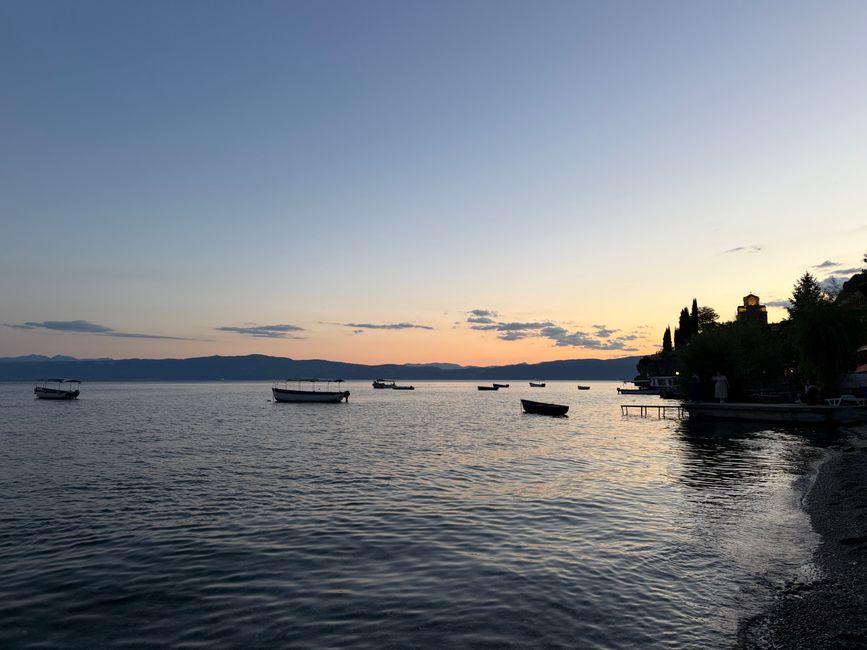
Swim, boat, and chase sunsets from Kaneo
Kaneo is famous for a reason: the views over the lake at golden hour are excellent.
- Swim season: late spring through early autumn (summer is hottest obviously)
- Boat rides: common around Ohrid—often roughly €10–€20 for shorter excursions (prices vary by operator)
- Trade-off: the best sunset viewpoints can feel crowded. If that stresses you out, go slightly earlier, then find a less busy spot along the shoreline.
One more honest tip: if you want peak-lake time without crowds, pick a “non-photo” slot—like mid-morning after the first rush, or late afternoon on a weekday.
Nature escapes: Galicica, Pelister & Mavrovo
Hike Galicica National Park (choose a route that fits your legs)
Galicica sits between Lake Ohrid and Lake Prespa, and it’s a great place for viewpoints.
- Why go: lake-and-mountain scenery in one area
- What I’d do: pick an out-and-back viewpoint hike rather than trying to “cross the whole park” unless you’re properly prepared
- Practical prep:
- Bring water (it adds up fast in summer)
- Wear proper shoes—some paths are rocky
- Have an offline map plan; signal can be patchy
Trade-off: heat in summer can be brutal. If you’re not into sweating, aim for early starts.
Explore Pelister and Baba Mountain
Pelister National Park is all about hiking and wild scenery. If you’re already in the Bitola/Ohrid orbit, it’s a natural add.
- Best for: nature lovers and “short hike + long snack” travelers
- Time: half-day to full-day depending on the trail
- What to expect: forests, viewpoints, and trails that don’t feel like theme parks
Honest note: it’s not guaranteed “easy mode.” The terrain varies, so choose based on your comfort.
Road-trip into Mavrovo (waterfalls and mountain air)
Mavrovo is a solid option when you want something that feels more “remote” than Ohrid.
- What to do:
- Walk around lake viewpoints
- Look for waterfalls and scenic pull-offs
- Do a short nature loop rather than over-planning
- Best timing: mornings for cooler air and better photos
- Trade-off: travel time matters. If you’re only in North Macedonia for a few days, don’t cram too many mountain areas back-to-back.
If you’re visiting in winter, this region can be beautiful with snow—just plan for slower driving and check road conditions.
Bitola & the Pelagonia heritage trail

See Heraclea Lyncestis (the ruins that feel alive)
The ancient ruins near Bitola—Heraclea Lyncestis—are a standout if you like history that’s not trapped behind glass.
- What I liked:
- Walking through old stone layouts and imagining the scale
- The calm feeling compared to major tourist landmarks
- Time needed: ~1–2 hours
- Tip: wear shoes with grip—stone can get slick depending on weather
Do a slow walk in Bitola’s center
Bitola’s streets have a relaxed, local feel. It’s the kind of place where you can just stroll, pop into a café, and let your day unfold.
- Things to do:
- Wander main pedestrian streets
- Browse small shops
- Stop for pastries and coffee
- Trade-off: it’s not “flashy.” If you want constant big sights every 20 minutes, you may find Bitola slower—in a good way, but still.
Add Pelagonia villages for a more authentic feel
If you’ve got a rental car (or you’re up for a local driver), Pelagonia villages nearby can make your trip feel more grounded.
- What this looks like in real life:
- Short drives between viewpoints
- Market stops for seasonal fruit and snacks
- Photo breaks at roadside landscapes
- Practical tip: don’t expect every stop to be “an attraction.” Some are just good moments.
Mountain towns with character: Krusevo & beyond
If you want North Macedonia to feel smaller and more personal, head into the mountains. Krusevo is the best-known place for that “wow, this is charming” effect.
Visit Krusevo’s history (and give yourself time to wander)
Krusevo is known for its historic story and museums. It’s also simply pleasant to walk around.
- What to plan for:
- Museum time if that’s your thing (hours vary by season/day—double-check locally)
- Neighborhood walking and viewpoint breaks
- Time needed: half-day minimum; a full day if you like taking it slow
Trade-off: in peak season some areas can be busy, but it usually won’t feel like a major crowded city.
Take in the viewpoints and mountain air
In a place like Krusevo, the “main attraction” can be the views themselves.
- How to enjoy it:
- Walk up to an overlook (even if it’s just a short climb)
- Bring a light jacket—mountain weather changes fast
- Stay flexible: fog and clouds can roll in, but that can also create gorgeous photos
Add a mehana meal (the easy way to understand the place)
A mehana is the Macedonian way of doing a proper meal—comfort food, local hospitality, and a relaxed pace.
- What to look for on menus (common favorites):
- Tavče gravče (beans)
- Ajvar (roasted pepper spread—often a staple)
- Shopska-style salads (tomatoes/cucumber/cheese vibe)
- Grilled meats if that’s your preference
- Budget reality: you can usually eat well without going broke, but prices have crept up in tourist centers. If you’re on a strict budget, eat slightly outside the most touristy streets.
Wine, food & local culture (the stuff you’ll remember)
This is where North Macedonia really shines. It’s not just “what to see”—it’s what to taste and how to spend your evenings.
Do a Tikvesh wine tasting (even if you’re not a wine expert)
Tikvesh is one of the country’s famous wine regions. Even if you don’t know your reds from your whites, tastings can be a fun cultural experience.
- What to expect:
- Tours/tastings vary by winery
- You’ll often get a flight of wines plus a chance to learn basics
- Rough budget: tastings commonly cost something like €5–€15 per person (varies a lot)
- Practical move: book ahead in busy seasons so you’re not relying on walk-ins
Trade-off: if you hate structured tours, you may prefer a casual tasting or a guided visit you can keep short.
Coffee culture and bakeries (your “small pleasure” checklist)
If you like traveling with your taste buds, treat coffee breaks as part of the itinerary.
- What to do:
- Grab a pastry + espresso in the morning
- Switch to a longer lunch rather than rushing everything
- Try local desserts when you see them
- Where this helps: it keeps your days from turning into nonstop sightseeing.
Eat your way through the local classics
North Macedonia is one of those places where “simple comfort food” is actually done really well.
- Don’t miss:
- Tavče gravče (beans)
- Ajvar (roasted pepper spread)
- Local cheeses and grilled options
- Fresh salads (especially in summer)
- If you’re vegetarian: you’ll still have great options, but ask what’s available—menus aren’t always super detailed.
Honest tip: when something is clearly popular with tourists, it’s not automatically bad—but it can be pricier. If you see a busy place where locals are eating too, that’s a better sign than a slick menu.
Wrapping it up: your North Macedonia game plan
If you want this trip to feel smooth (not chaotic), you need a simple plan. Here’s how I’d do it.
How many days should you plan?
Most people do best with a focused route rather than criss-crossing.
- 5–6 days:
- Skopje (2)
- Ohrid (3–4)
- One nature add (Matka or Galicica/Pelister depending on your comfort)
- 7–9 days:
- Add Bitola/Pelagonia (1–2)
- Add Krusevo (1)
- Sprinkle in one wine/food experience
- 10+ days:
- More time in nature (Galicica + Pelister + Mavrovo)
- Extra village stops around Pelagonia
Best time to go (and how to avoid the worst crowds)
- Late spring (May/June): great balance of weather + fewer crowds
- Summer (July/August): the lake is gorgeous, but Ohrid can get busy and pricier
- Early autumn (September): often my favorite window—comfortable temps, calmer vibe
- Winter: good if you like snow atmospheres and mountain scenery, but expect slower days
Trade-off reminder: the “most beautiful” time (summer) is also the busiest. If you’re not into crowds, don’t force a peak-season itinerary.
Getting around without stress
How you move changes the trip a lot.
- Easiest option for flexibility:
- Renting a car and doing a loop (Skopje → Ohrid → Bitola → Krusevo → back, or similar)
- If you prefer not to drive:
- Use buses and organize day trips where available
- Expect longer travel days and fewer “spontaneous stops”
- For day-to-day convenience:
- Taxis exist but prices can vary—agree/confirm when you can
- Start early for nature hikes to avoid heat and get parking/entry easier
My practical rule: don’t schedule more than one “big” thing per half-day. North Macedonia rewards pacing.
If you want, tell me how many days you’ve got and roughly which months you’re going. I can suggest a tight route (with realistic travel times) and help you choose between Matka vs. Galicica and Ohrid vs. adding Bitola—based on what kind of trip you like.