Hey there travel enthusiasts and welcome to my post where we will check out my 12 best things to do in Serbia this year.
If you’re wondering whether Serbia is “just” Belgrade… nope. Yes, Belgrade is brilliant, but the rest of the country sneaks up on you: monasteries with serious UNESCO-level art, mountain scenery that makes you forget your phone exists, and river landscapes along the Danube/Drina that look like movie sets.
I’m going to share the best things to do (not just see), with practical notes on timing, rough costs, and the trade-offs—because some places are gorgeous but also busy or a bit overpriced.
Belgrade: where the nights start and history lurks
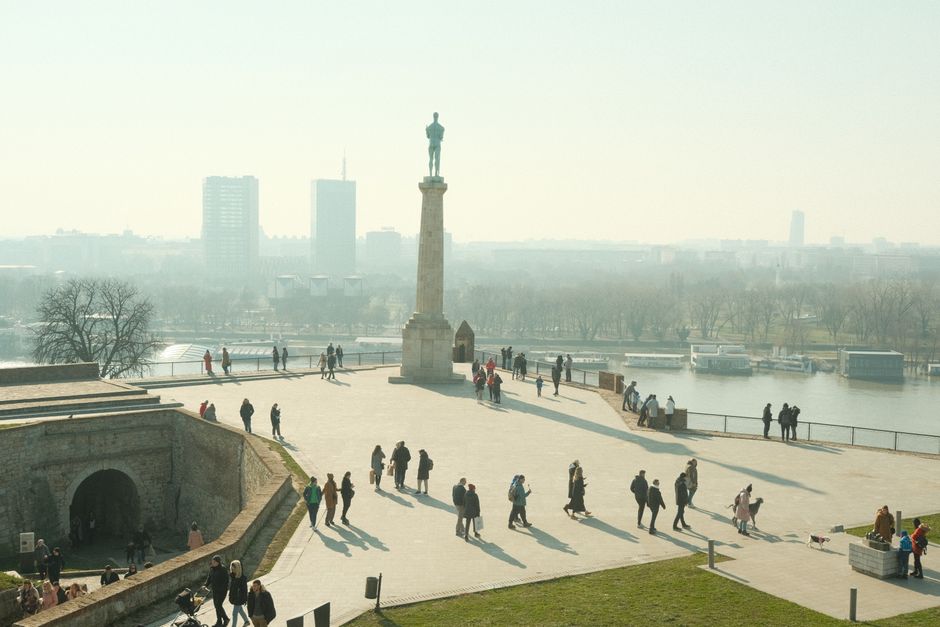
1) Walk Kalemegdan Fortress + the Belgrade Waterfront views
Kalemegdan is the classic “Belgrade from above” move. You get fortress walls, viewpoints, and a lot of space to just wander.
What to do once you’re there:
- Walk down to viewpoints over the Sava and Danube confluence (especially good at late afternoon).
- Pop into the Belgrade Fortress area for a history read—go at your own pace.
- Take the long way toward the Belgrade Waterfront for city-meets-river scenery.
Timing tip:
- Best time: late afternoon into evening for golden light.
- Trade-off: in summer it can get busy—everyone has the same idea.
Rough budget:
- Usually low to free for walking areas; if you add museum/cultural spots, think a few euros each (often under €10).
2) Spend an evening in Knez Mihailova + Skadarlija (old-bohemian Belgrade)
This is one of those nights that turns into “okay, we’ll just have one drink” and then suddenly it’s midnight.
How I’d do it:
- Start on Knez Mihailova for the walk and people-watching.
- Move to Skadarlija when you want the cobblestone, old tavern vibe.
- Try a traditional dinner, then linger for live music if it’s on.
What to watch for:
- Touristy prices: Skadarlija can be a bit pricier than side streets. Not always “rip-off,” but you should compare menus.
- Quality varies: pick places with fuller tables and a menu that doesn’t look copied from every other tourist spot.
Rough budget:
- A casual meal + drink can be €15–€30, depending on what you order and how many cocktails you accidentally agree to.
Central Serbia’s wow-factor classics
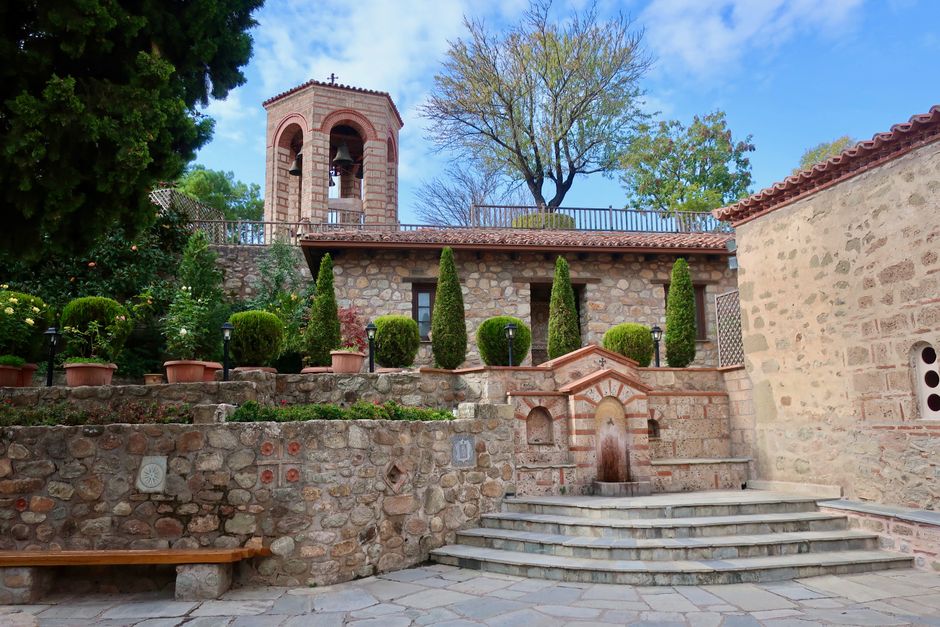
3) Visit Studenica Monastery (serious beauty, calm vibes)
Studenica is one of those places where your brain shifts gears. The setting is peaceful, the architecture is gorgeous, and the history feels tangible.
Plan it like this:
- Go earlier if you can—morning light and fewer crowds.
- Take time with the details (stonework, frescoes—if open, etc.).
- Pair it with a slower lunch nearby rather than rushing back to the car.
Timing tip:
- Best time: spring and autumn for comfortable walking.
- Trade-off: midday summer heat can be intense, so bring water.
Rough budget:
- Site entry is typically a low-cost ticket or donation—generally under €10.
4) Sopoćani Monastery (frescoes that’ll make you stop mid-sentence)
Sopoćani is all about frescoes and atmosphere. If you like art and history—even a little—you’ll feel rewarded.
My practical advice:
- Keep your expectations realistic: the best experience is quiet time and careful looking.
- Bring a light layer—some interiors can be cooler than expected.
- If you’re photographing, follow posted rules (and be respectful).
Trade-offs:
- Less “Instagram roaming” than some places—more sit-with-it energy.
- Access/conditions change occasionally, so confirm details before you go.
Rough budget:
- Expect small entry/donation fees (often in the low single digits).
Zlatibor & Tara: Serbia’s most scenic mountain break
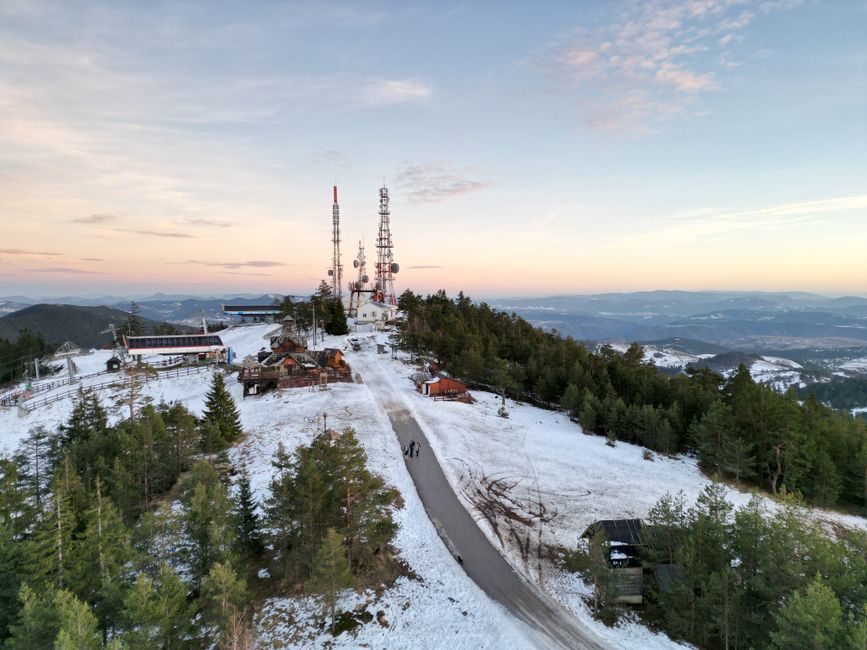
5) Do a mountain viewpoint day from Zlatibor (Tornik area)
Zlatibor is where you go to breathe. Even if you’re not skiing, the views are the main event.
What to do:
- Choose one big viewpoint loop (the area around Tornik is the usual go-to).
- Walk to viewpoints in the morning for clearer visibility.
- If lifts/cable cars are running, they can save you a lot of walking—just check operating status when you arrive.
Timing tip:
- Best time: late spring through early autumn for hiking weather.
- Trade-off: fog happens in the mountains. If visibility is poor, pivot to shorter walks and cafés rather than forcing it.
Rough budget:
- You’ll spend mostly on transport and meals. Lift/cable costs (when running) are often modest compared with major Western European ski areas.
6) Tara National Park + Drina rafting (adventure, done responsibly)
Tara is dramatic: forests, viewpoints, and the kind of landscape that makes you want to stop every five minutes.
Option A: the scenic day
- Drive to viewpoints (don’t over-schedule).
- Do one solid nature walk.
Option B: rafting on the Drina
- Book a reputable operator with safety standards.
- Wear what dries fast—rafting + changing weather is a real thing.
Trade-offs:
- Weather-dependent: water levels and conditions matter. If it’s not safe, you’ll just have to roll with an alternate plan.
- Busy weekends: popular operators can be full in peak season.
Rough budget:
- Rafting is usually one of the bigger splurges, but you can often find day-trip options that aren’t insane. Expect a mid-range price rather than “budget backpacker.”
The Danube’s Iron Gate & Golubac: landscapes with “wow” built in
7) Djerdap National Park (Iron Gate) viewpoint hopping
Djerdap is the kind of place that makes you understand why people fall in love with river travel.
What to do:
- Choose 2–3 major stops rather than trying to “cover everything.”
- Spend time at viewpoints and bridges/overlooks where the river bends and the cliffs rise.
Timing tip:
- Best time: early morning or late afternoon.
- Trade-off: midday glare can be harsh—bring sunglasses and don’t trust your eyes for photography until the light improves.
Rough budget:
- Mostly low-cost (fuel + snacks). Any guided stops/tours add cost.
8) Golubac Fortress (quick, powerful history by the river)
Golubac is a classic “stop-by-and-wow” location. The fortress sits above the river, and it’s easy to see why it matters strategically.
How I like it:
- Do it as a half-day stop between longer drives.
- Walk slowly—there are angles where the fortress looks totally different from just a few steps away.
Trade-offs:
- On peak days, it can feel crowded at the main viewpoints.
- The experience is best when you’re not rushing for the next checkmark.
Rough budget:
- Usually low-cost entry; think “pay once, walk around, enjoy.”
Novi Sad & Vojvodina: wine, culture and a different rhythm
9) Climb Petrovaradin Fortress (and soak up the river-city vibe)
Petrovaradin is one of those places where you’ll spend more time than you planned. It’s part fortress, part viewpoint, part city atmosphere.
What to do:
- Walk the fortress paths for panorama views over Novi Sad.
- Explore the areas with cafés/bars if you’re in “linger mode.”
- If you’re there during festival season, the energy can be excellent.
Trade-offs:
- Festival season can be chaotic. If you’re going around big events, book where you’ll sleep early.
- If you’re not a festival person, still go—just aim for weekdays/shoulder days.
Rough budget:
- Mostly free/low-cost walking; plan a café stop as your main expense.
10) Sremski Karlovci wine tasting (short trip, big payoff)
Sremski Karlovci is a charming break for wine lovers and casual sippers alike. You get a pretty town, lots of tasting options, and a relaxed pace.
How to do wine tasting without turning it into a mess:
- Pick one or two places instead of hopping through five.
- Taste lightly first, then commit to what you actually like.
- Pair with local food—otherwise it’s too easy to overdo it.
Trade-off:
- In tourist-heavy periods, some tastings can feel commercial. Look for hosts who explain what you’re tasting and don’t rush you.
Rough budget:
- Expect small-to-mid tasting fees depending on the wines and format.
Food & planning: how to build a trip that actually feels good
11) Eat Serbia properly: ćevapi, pljeskavica, kajmak, and rakija (plus desserts)
This is your “don’t skip” category. Serbia is comfort food done seriously well.
What to order (start here):
- Ćevapi (grilled minced meat, usually served with onions and lepinja)
- Pljeskavica (a bigger, flatter grilled patty)
- Kajmak (creamy dairy—rich, so go easy at first)
- Sarma (cabbage rolls)
- Rakija (fruit brandy—small pours; pace yourself)
Where to be a little strategic:
- Aim for places with a busy local lunch/dinner crowd.
- Compare menus if you’re in a super-touristy zone.
Trade-offs:
- In the busiest areas, you might pay more for the vibe than for the meal. It’s not always bad—just check.
Rough budget:
- A satisfying meal often lands around €8–€20 depending on location and how many “side adventures” you add.
12) Plan your route like a traveller, not a spreadsheet (and know when to book)
This is the difference between a trip that feels smooth and one that feels like you’re always moving.
My practical approach:
- Cluster stops by region. Don’t try to bounce between Belgrade, the mountains, and the far east every day.
- Spend more time in 2–3 bases instead of driving around constantly.
- Use day trips to add variety, but keep at least one “easy day” per few days.
When to book:
- Peak summer (and festival times in places like Novi Sad) = book early for accommodation and any tour/rafting slots.
- For slower seasons, you’ve got more flexibility—but still book anything time-sensitive.
Transport reality check:
- Driving is flexible, but if you’re not comfortable with local routes, trains/buses can be easier.
- If you’re renting a car, double-check insurance basics and parking rules.
Trade-offs:
- The more you try to “see everything,” the more you’ll end up skipping the best part: actually enjoying the place.
Quick wrap-up: Serbia’s a “mix and match” kind of country
If you do these 12 things, you’ll get the full Serbia experience: big-city nights, medieval art, mountain air, river drama, and food that makes you want to stay out late just to eat “one more thing.”
My only advice? Don’t rush. Serbia rewards the slow wander—especially in places like fortress viewpoints, monastery courtyards, and those mountain stretches where you suddenly hear your own breathing.
If you tell me how many days you’ve got and what time of year you’re going, I’ll suggest a simple route that hits the highlights without turning your trip into a constant commute.