Hey fellow travelers—picking the right neighborhood in Tokyo can make your trip feel effortless instead of exhausting. In this guide, I’ll rank the best areas to stay for first-timers who want to be near public transit, walk you through the vibe, and share typical price tiers.
Tokyo is big, and “near transit” can mean very different things depending on which lines you’ll actually use. So I’m doing this the practical way: station access first, then walkability, then how painless it is to get to major sights on trains.
How I choose where to stay in Tokyo (so you don’t waste mornings)

- Major JR hubs (Yamanote Line stations are the cheat code)
- Cross-town Tokyo Metro / Toei lines (so you’re not constantly backtracking)
- Easy transfers without complicated airport-style route planning
In practice, this means places like Shinjuku, Shibuya, Tokyo Station, Ueno, and Akihabara—because they give you options.
Walkability: “can I do this without hopping on the train?”
Tokyo is a train city, but your hotel choice still affects how much you’ll walk. I’d rather you can do things like:
- Walk to a station in ~5–15 minutes
- Reach nearby shopping/food streets without a taxi debate
- Get to a “main area” (nightlife, markets, temples, electronics) without transferring
A neighborhood can be transit-perfect and still feel annoying if it’s spread out or steep.
Getting to major sights: pick a base that reduces transfers
Some sights are clustered and easy from the right area. Others scatter across the map. What you want is a base that makes the first leg easy—so you’re not chaining transfers all day.
I’m judging “easy access” by whether you can reach common first-timer destinations like:
- Ginza / Tokyo Station / Imperial Palace area
- Shibuya / Harajuku vibe
- Asakusa temples / old-town streets
- Ueno park / museum loop
- Akihabara electronics / anime culture
…and still get back without an ordeal.
Price expectations: Tokyo pays you back—if you choose smart
You’ll see big price swings by station, by weekday vs weekend, and by season. As a rough guide for a typical midrange business/hotel-style stay:
- Budget: ~¥12,000–¥18,000 per night
- Midrange: ~¥18,000–¥28,000 per night
- Higher-end: ~¥30,000+ per night
Shinjuku and Shibuya can skew higher, while spots like Asakusa/Ueno often have more “I don’t need luxury” options.
Top neighborhoods for first-timers who want the easiest transit
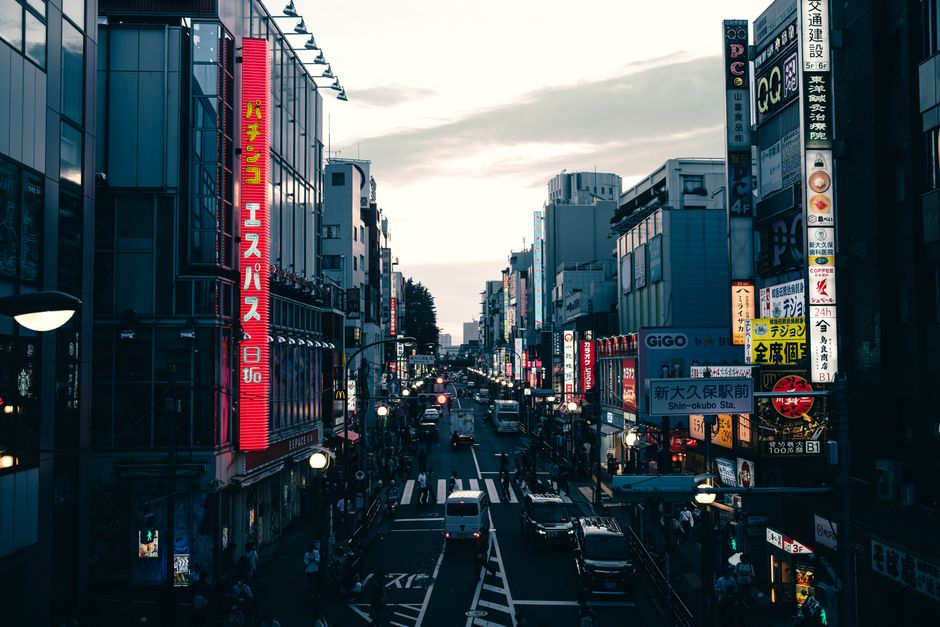
Transit access (why it’s #1):
- You’re in walking distance of Shinjuku Station, a major hub for JR plus multiple Tokyo Metro/Toei lines.
- It’s especially handy if you want smooth access to other central areas without planning every trip down to the minute.
Walkability (what it feels like):
- Around the station you’ll find a dense cluster of restaurants, convenience stores, and shopping.
- Expect short walks inside the “Shinjuku ecosystem,” but the station area is huge—so your hotel-to-platform distance can vary a lot.
Getting to major sights (the practical takeaway):
- Great for routes toward Shibuya/Harajuku, Ginza/Tokyo Station, and many central areas.
- You’ll likely transfer sometimes, but it’s the kind of transferring where you’re never completely stuck.
Price tier (typical):
- Often midrange to higher-end compared to other bases.
- You can still find budget business hotels if you book earlier and stay a little outside the most premium pockets.
Trade-off:
- If you want quiet mornings and “sleepy neighborhood” vibes, Shinjuku won’t be your best match.
2) Shibuya — stylish, super-connected, and great for “on the move” days
Shibuya is that sweet spot of trendy + central, and it’s extremely convenient for first-time sightseeing. It’s also where you’ll notice Tokyo’s late-night energy.
Transit access:
- Shibuya Station connects you to major rail lines, so you can pivot quickly when plans change.
- It’s a strong choice if you know you’ll spend time around Shibuya / Harajuku / Omotesando.
Walkability:
- The area around Shibuya is easy to explore on foot in bursts—lots of side streets, cafes, and shopping blocks.
- However, like Shinjuku, the immediate station area is busy—so you’re trading “calm walking” for “everything is close.”
Getting to major sights:
- From here, it’s straightforward to reach other central neighborhoods for day-to-night hopping.
- If you’re planning a lot of trendy stops, it reduces the friction.
Price tier (typical):
- Often midrange to higher-end; trendy neighborhoods tend to come with a premium.
- You can still get decent deals, but weekend nights can jump.
Trade-off:
- If crowds make you cranky, choose a hotel a short walk away from the absolute busiest corners.
3) Tokyo Station / Marunouchi — for convenience, comfort, and “we’re doing it properly” vibes
Staying near Tokyo Station (Marunouchi area) can feel like the grown-up version of Tokyo. You get excellent transport, and it’s a convenient launch point for many day plans.
Transit access:
- Huge hub: JR lines plus extensive subway connections.
- Great for combining city sightseeing with longer routes.
Walkability:
- Marunouchi is generally very walkable and more “organized” feeling than the nightlife-heavy districts.
- It’s also a nice choice if you prefer wide streets and calmer mornings.
Getting to major sights:
- Strong for access toward Ginza and the Imperial Palace area.
- You can still reach Asakusa/Ueno and other points, but your day may include a bit more “route planning” than staying near the sights themselves.
Price tier (typical):
- Often higher-end—not always, but it’s common.
- If you want Tokyo comfort and don’t mind paying a bit more for location convenience, this is your lane.
Trade-off:
- It can feel less “characterful” at street level than older neighborhoods. You’ll probably end up taking trains to get that local texture.
Quicker, calmer, and great for specific first-timer vibes
Transit access:
- Ueno Station gives you major JR access and connections to subway lines.
- It’s a strong base if your plans include museums, parks, and traditional neighborhoods nearby.
Walkability:
- Around Ueno Park and the station area, things are fairly straightforward to walk between.
- The vibe is lively during the day, especially around museums and markets.
Getting to major sights:
- Excellent for reaching the Asakusa direction.
- Also convenient for crossing into other central areas when you want the nightlife/shops.
Price tier (typical):
- Often more budget-friendly than Shinjuku/Shibuya/Tokyo Station.
- You’ll find plenty of business hotels and smaller properties.
Trade-off:
- The “busy tourist energy” can be concentrated around peak museum/park times.
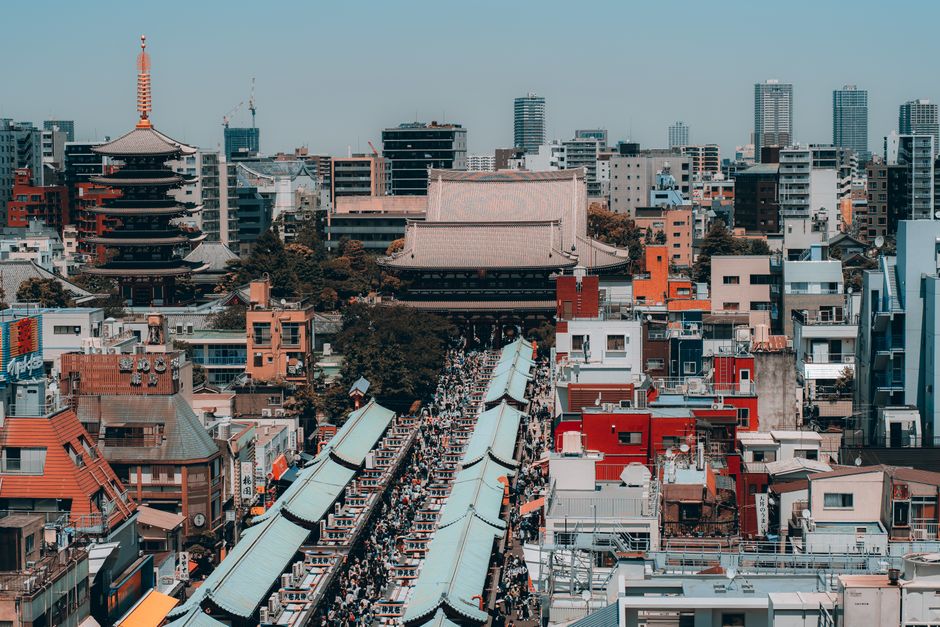
5) Asakusa — old Tokyo streets + temple energy (still with usable rail access)
Asakusa is the neighborhood you stay in when you want history and atmosphere, not just convenience. It’s one of the easiest places in Tokyo to feel like you’re in “Old Town Tokyo.”
Transit access:
- Asakusa Station connects via Toei Asakusa Line and Tokyo Metro Ginza Line (so you’re not trapped in one direction).
- It’s one of the more straightforward areas if you want a big, iconic destination without constant transfers.
Walkability:
- Very walkable for exploring temple streets, food alleys, and nearby areas.
- If you enjoy strolling, this is a fantastic base.
Getting to major sights:
- Great starting point for Senso-ji area and surrounding historic neighborhoods.
- For far-flung plans, you can still travel easily—just remember you’re trading “multiple mega-hubs” for “one strong historic base.”
Price tier (typical):
- Often mid to budget depending on how close you are to station/peak tourism streets.
- You may pay a bit more during busy seasons.
Trade-off:
- Some areas feel compact and charming, but you might not have the same “fast pivot to anywhere” feeling as Shinjuku.
6) Akihabara — electronics, anime culture, and efficient central access
Akihabara is a fun first-timer choice—especially if you’re curious about electronics shopping, arcades, and the pop-culture side of Tokyo. It’s also not as chaotic as the big nightlife hubs.
Transit access:
- Akihabara Station is well-connected (including JR Yamanote Line), plus subway options nearby.
- That makes it easy to head out for day plans without long detours.
Walkability:
- The “Akihabara experience” is very walkable: you’re often moving block to block for shops, food, and themed streets.
- It’s also convenient if you like returning to your hotel between activities.
Getting to major sights:
- Strong for connecting to other central areas.
- If Asakusa/Ueno/central Tokyo are on your list, Akihabara is a practical base.
Price tier (typical):
- Often midrange to budget-friendly, particularly for business hotels.
- Like everywhere, weekend rates can climb.
Trade-off:
- It’s not the quietest “romantic” vibe neighborhood. If you want temples and calm, you’ll be happier elsewhere.
Quick sanity checks (so you don’t get the “great deal” trap)

- Shinjuku: Often highest or near-highest overall; good deals exist, but location premium is real.
- Shibuya: Often mid-to-high; trendy areas can cost more, especially weekends.
- Tokyo Station/Marunouchi: Usually high; comfort/convenience tax.
- Ueno: Frequently better value; good blend of transit + museums.
- Asakusa: Often mid-to-budget, with spikes around peak tourist times.
- Akihabara: Commonly mid-to-budget; smart choice if you want central access without paying Shinjuku/Shibuya prices.
If you’re trying to keep costs down, the “best value” usually lands with Ueno, Asakusa, and Akihabara—while “maximum convenience” often lands with Shinjuku, Shibuya, and Tokyo Station.
What to watch for in hotel reviews (especially in Japan)
Tokyo hotels can be brilliant, but a few factors trip up first-timers. When you scan reviews, I’d pay attention to:
- Distance “to station” vs actual walking route (some listings are technically close, but the last stretch is a long, annoying walk)
- Room size and bed type (Tokyo rooms can be small; it matters for comfort)
- Noise: station-side hotels can be loud, especially at night
- Morning crowding if the area gets busy early (some streets fill fast)
A “great station location” only helps if you actually enjoy walking to it.
My simple booking checklist (the part that saves time)
Before you commit, do this quick loop. It takes 10–15 minutes and it stops regret later:
- Pick your top 2 neighborhoods, not 10
- Confirm your nearest station exit (when available) and whether you’ll walk uphill
- Check how far the hotel is from the station entrance you’ll use most
- Look at the weekday vs weekend rate if your trip spans both
- Compare a couple of properties in the same area to avoid “one-off” pricing
If you use Booking.com to compare options across neighborhoods, just be sure you’re sorting by location details (not only “best value”), because Tokyo’s “close” can be very different street-to-street.
One last trade-off to accept upfront
Tokyo is so well connected that you can make almost any base work—but your experience changes based on what you value most:
- Want maximum convenience and variety? Choose Shinjuku or Shibuya.
- Want comfort and a central hub feel? Choose Tokyo Station/Marunouchi.
- Want culture, atmosphere, and often better value? Choose Asakusa or Ueno.
- Want pop culture and electronics, while staying centrally connected? Choose Akihabara.
If you match your neighborhood to your vibe, you’ll spend less time planning and more time wandering.
Final thoughts
If you’re a first-time visitor and “near public transit” is your top priority, start with Shinjuku, Shibuya, or Tokyo Station/Marunouchi for the easiest overall movement. If you’d rather lean into character (and often better value), Ueno and Asakusa are fantastic, and Akihabara is a surprisingly smart base if your trip includes pop-culture stops.
Tell me what month you’re going and whether you’re more into food/temples or shopping/nightlife—I’ll help you pick the best pair of neighborhoods to focus on.