Cycling Mallorca can feel epic—so here’s where to ride and when to go, with focus on Sa Calobra and Formentor.
If you only remember one thing, make it this: the island rewards smart planning more than hardcore grinding. Pick the right season for the weather and crowds, then choose climbs that match your legs (and your willingness to ride tight hairpins when everyone’s going for the same photo).
The big-name rides (and what they feel like)
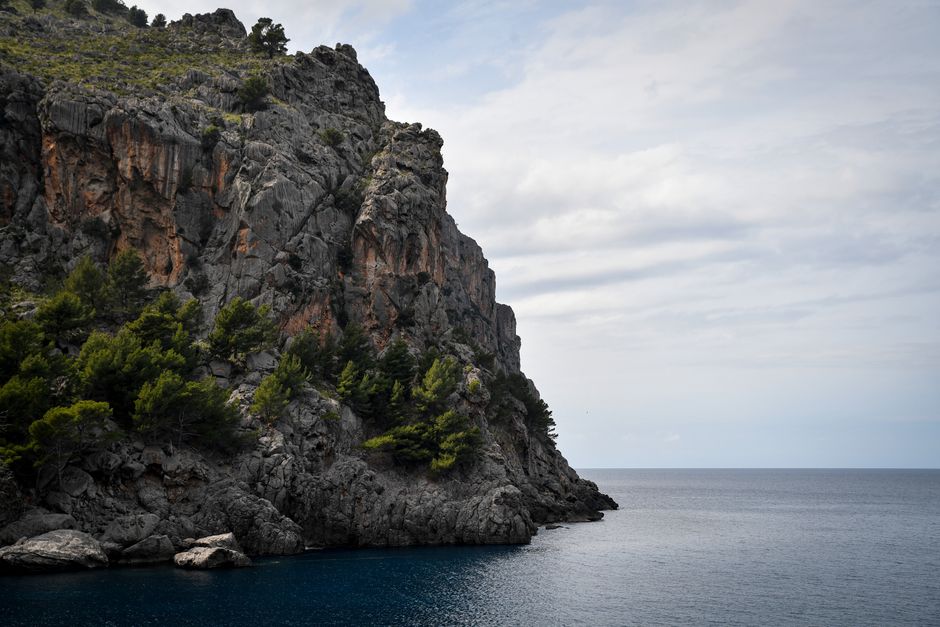
Mallorca has plenty of “nice” riding, but a few stretches are basically ritual. These are the ones where you’ll understand why people book flights specifically around cycling.
Sa Calobra
Sa Calobra is the kind of ride that sounds like it’s exaggerating the hype—until you’re actually in it. Expect steep, twisty sections and a route that feels like it was built for bikes and drama in equal measure.
What you’ll love
- The constant motion: even when you’re hurting, you’re never bored.
- The scenery switch-ups as you descend and then look for your next turn.
- It’s a “serious ride” without needing a training camp vibe.
What to watch for
- It can get busy, especially around the most popular times of day.
- Some bits are narrow and you’ll share the road with slower traffic.
- Your timing matters—arrive earlier rather than “when it’s convenient,” trust me.
How to ride it better
- Start controlled. The climb/descend combo tricks you into spending matches too early.
- Plan a conservative first pass if you’re not fully warmed up.
- If you’re riding with friends, don’t do a hero regroup in the tight sections—keep comms simple and wait where you can.
Torrent de Pareis
People mention Sa Calobra and forget that the real storyline is the gorge setting. Torrent de Pareis is the dramatic “wow” element that makes the area iconic.
Why it stands out
- The geology and valley vibe make it feel bigger than a typical road ride.
- The turns and gradients add variety instead of turning it into one long slog.
Trade-offs
- You’re riding near traffic and viewpoints—so don’t assume you’ll get uninterrupted lines.
- In hotter months, the effort feels sharper. Hydration becomes non-negotiable.
A practical approach
- Treat it as a “route moment,” not just a segment.
- If you’re chasing power numbers, do it another day. Here, ride for feel and safety first.
Cap de Formentor
This is the headline climb/route for many cyclists—especially the ones who’ve done winter miles somewhere they can still enjoy the view.
What makes Formentor special
- It’s high-impact riding: the landscape and the exposure make it memorable.
- You get those long-road “progression” feelings where you can settle into rhythm.
What to be honest about
- It can be crowded at peak times.
- Wind and crosswinds can turn an “easy” section into work.
How pros tend to attack it
- They show up ready to ride, not ready to “see what happens.” February training groups go out early for a reason.
- They focus on consistent effort rather than sprint chaos.
Coastal rhythm: repeatable routes
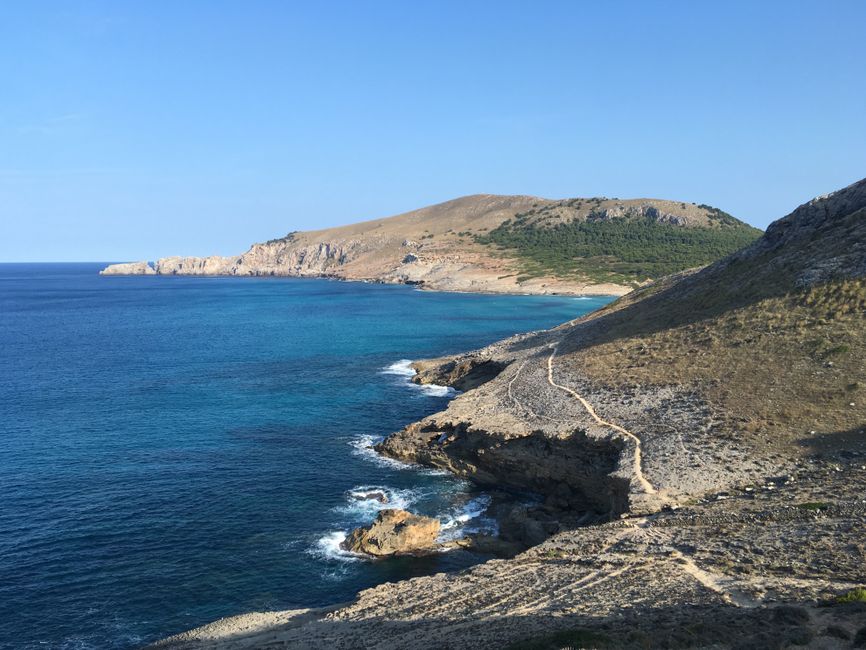
If you want to ride a lot without destroying yourself every day, you need coast-friendly days. These are the kinds of routes where you can enjoy the cycling without the constant fear of going off the edge of your cardio.
Cala San Vicente
Cala San Vicente is the coastal candy that still works as real training. You get sea views, smooth-feeling rhythm, and a vibe that makes it easy to repeat.
Why it’s a great “in-between” ride
- You can choose intensity: steady spin or proper effort.
- The scenery keeps morale high even when your legs are not.
Common issues
- Busy periods can make you ride a touch more cautiously around viewpoints.
- Summer heat can flatten you—so adjust your pace.
Best way to use it
- Perfect for a morning ride when you want momentum without maxing out.
- Great day-after option if you don’t want to wake up feeling like a warning sign.
Alcúdia old town loop
This is more than a “get on the bike and go” option. Alcúdia’s older streets and the surrounding roads give you an easy way to build a loop without complicated logistics.
Why riders like it
- It’s a natural way to stack distance without losing your focus.
- You can tack on extra laps or shorten depending on how the day’s feeling.
Trade-offs
- Some parts can be busier than you expect—especially late morning and afternoon.
- You might need to slow down for traffic pockets.
A good plan
- Do this when you’re building frequency (more days in a row).
- Keep it “comfortably hard” rather than “prove a point.”
Colònia de Sant Jordi
If you want a coastal endpoint that feels like a proper cycling day, Colònia de Sant Jordi delivers. It’s not just scenery—it’s a good way to structure a route that has a clear direction and a satisfying return.
Why it works
- The route style helps you keep tempo.
- You can finish with a relaxed recovery vibe.
What to be ready for
- Like many coastal stretches, wind can show up when you least expect it.
When it fits best
- Great for longer days that still feel enjoyable.
- Solid if you want a “training + holiday” mix.
Mountain days: climbs with character
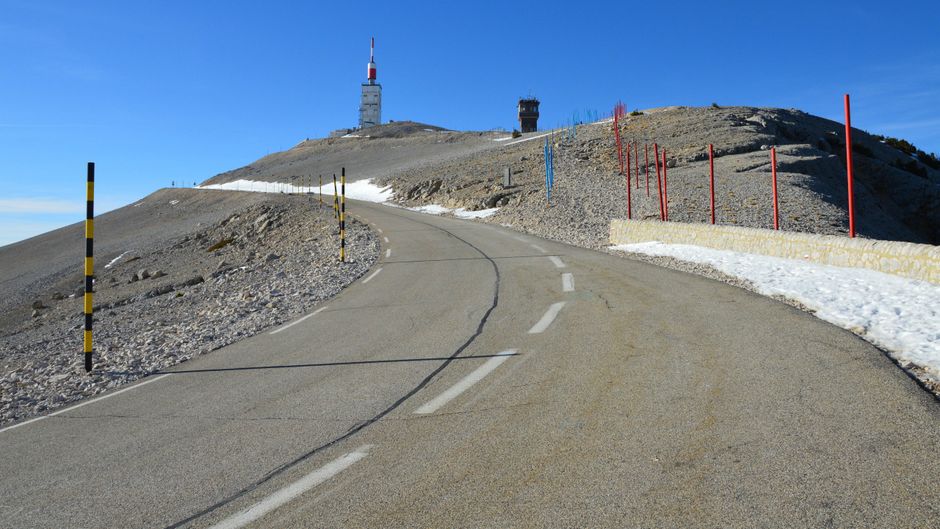
Mallorca isn’t only famous for dramatic drops and sea views. It’s got climbs that make you feel awake, humble, and very aware of your gearing.
Coll de Sóller
Coll de Sóller is one of those classic mountain climbs that riders chase for a reason: it’s memorable, it’s challenging, and it gives you that steady “keep turning” focus.
What it feels like
- A climb where pacing matters as much as power.
- Gradients that can force you to lock into a sustainable cadence.
How to ride it smart
- Start slightly slower than you think you should.
- Eat and drink earlier than your instincts, especially on longer ascents.
Common mistakes
- Too fast early, then panic later.
- Trying to sprint climbs that are meant for rhythm.
Valldemossa climb
The Valldemossa area climb is a reliable “get up and go” choice—less about one single moment and more about the overall drive of the road.
Why it’s a favourite
- It’s a good match for riders who like sustained effort.
- It helps you practise pacing without constantly thinking about hairpins.
Trade-offs
- If the day’s hot, it becomes a “temperature climb,” not just a gradient climb.
- Crowds can show up on popular riding windows.
Do this for a better day
- Ride it as part of a longer route, not as a standalone suicide mission.
- Bring extra electrolytes if you’re heat-sensitive.
Puig de Galatzó
Puig de Galatzó is the kind of climb that adds a tougher edge—perfect if you want to feel like you did something meaningful.
Why riders chase it
- It feels like a real “mountain day” rather than a quick tick-box.
- The route character pushes you to be mentally steady.
Safety and comfort notes
- Give yourself time: climbs like this punish rushed pacing decisions.
- Traffic conditions can vary—especially if it’s a popular training window.
Best use case
- When you want to earn your downhill/rest opportunities.
- Not ideal if you’re already wrecked from a big day the previous afternoon.
When to go: the February training sweet spot
You asked specifically for when the pros train there in February—and yeah, you’ll see why when you’re there. Mallorca in winter hits a sweet spot: decent riding conditions, less frantic holiday crowds, and long enough days to stack kilometres.
Why the pros train around February
February riding in Mallorca tends to feel unusually “rideable.” That’s mostly because:
- Crowds are lower than peak summer, so you get more space to hold your line.
- Day-to-day conditions are calmer than people expect (not perfect, but better than scorching months).
- The climbs and coastal roads get a training rhythm: people plan days around them, so you’re not constantly navigating chaos.
And yes—Sa Calobra and the Cap de Formentor are part of that story. When you want consistent quality training, routes that are iconic and repeatable become magnets.
Reality check
- You can still get wind and occasional wet days—don’t assume it’s sunshine every morning.
- If you’re not used to “winter light,” go easy on overcommitting early in your trip.
March to April: when it feels easiest
If you don’t want to gamble too hard on February conditions, the late shoulder season can be a nice middle ground.
This window often brings:
- More daylight for longer rides.
- More cycling tourists (so plan early starts).
- A more forgiving feeling on the climbs than midsummer.
Suggested strategy
- Do your most traffic-prone route segments early in the day.
- Save your “big effort” climbs for when you’ve had a day or two to settle.
Summer (June to September): stunning, but make it tactical
Summer riding can be fantastic—but you need to be tactical about it.
Why it’s harder
- Heat changes everything: your perceived effort jumps.
- Crosswinds can be intense on exposed coastal sections.
- Afternoon traffic can be heavier.
How to survive and enjoy
- Start very early.
- Keep hydration and electrolytes on your top-3 priorities list.
- Choose a mix: one big climb day, one easier coast loop day.
Getting your wheels there: bringing vs hiring
This is the practical bit that determines whether your trip feels smooth… or like a small logistics horror film.
Bringing your own road bike
If you’re emotionally attached to your setup (and your gearing, saddle, tyres, and cockpit), bringing your own can be worth it.
Pros
- You ride what you know.
- No worry about frame size or fit.
- Your tyres and contact points are already dialled.
Cons
- Travel and packing stress.
- Risk of damage in transit.
- You might spend more than you expect on transport or protective gear.
My practical packing mindset
- Protect the parts you’ll hate to replace.
- Assume you’ll lose a bit of time to reassembly.
- Don’t schedule your first “big day” too soon after arrival.
Hiring a road bike on Mallorca
Hiring can be genuinely convenient—especially if you’re travelling light or don’t want to wrestle with a bike box.
What to check before you commit
- Frame size availability (and whether they can swap fast).
- Tire choice: do they offer tyres suited to rougher patches and typical road conditions?
- Gear range: make sure it matches the climbs you plan.
- Maintenance quality: ask about recent servicing.
A quick honest aside
- I’ve used BikesBooking for bike hire in the past—it’s one of the straightforward ways I found to sort the bike side without overcomplicating it.
E-bike vs road bike (and when it’s actually smart)
If your goal is to ride a lot of Mallorca, an e-bike isn’t “cheating” if it helps you enjoy more routes instead of quitting early.
Road bike makes sense when
- You want the full training effect.
- You like reading your effort in the gradients.
E-bike makes sense when
- You’re on a mixed trip (cycling + sightseeing days).
- You want to complete the big-name routes without turning every ascent into a survival event.
Trade-off to admit
- You’ll still need to pace safely—especially on narrow, busy stretches.
- If you’re chasing feel and cadence practice, stick to a road bike.
Final thoughts
If you’re planning a Mallorca cycling trip, the “where” and “when” are linked. Choose your season like you’re choosing your workout: February often gives calmer conditions and pro-level motivation, while summer demands careful timing and hydration.
Your quick pick list
If you want a simple plan to start with:
- One iconic big day: Sa Calobra
- One dramatic training route: Cap de Formentor
- One coastal rhythm day: Colònia de Sant Jordi or Cala San Vicente
- One mountain challenge day: Coll de Sóller or Puig de Galatzó
Make your first ride easy on purpose
My one “don’t be a hero” tip: on day one, aim for smooth legs, not big bragging rights. Mallorca can feel instantly steep and breezy, and you’ll enjoy the rest of the week way more if you earn it gradually.
Now go pick your dates—and if you want, tell me what fitness level you’re working with and roughly how many ride-days you’re planning, and I’ll help you shape a sensible route mix.


