If you’re planning to drive Iceland’s Ring Road, you’re probably thinking about waterfalls, black beaches, and the kind of road-trip freedom that feels unreal.
Here’s the thing though: the trip goes sideways when you assume the rental, insurance, fuel stops, and road closures will behave like they do back home—so I’m walking you through exactly what to sort before you press “confirm.”
Choose the right car (because Iceland doesn’t do “almost”)
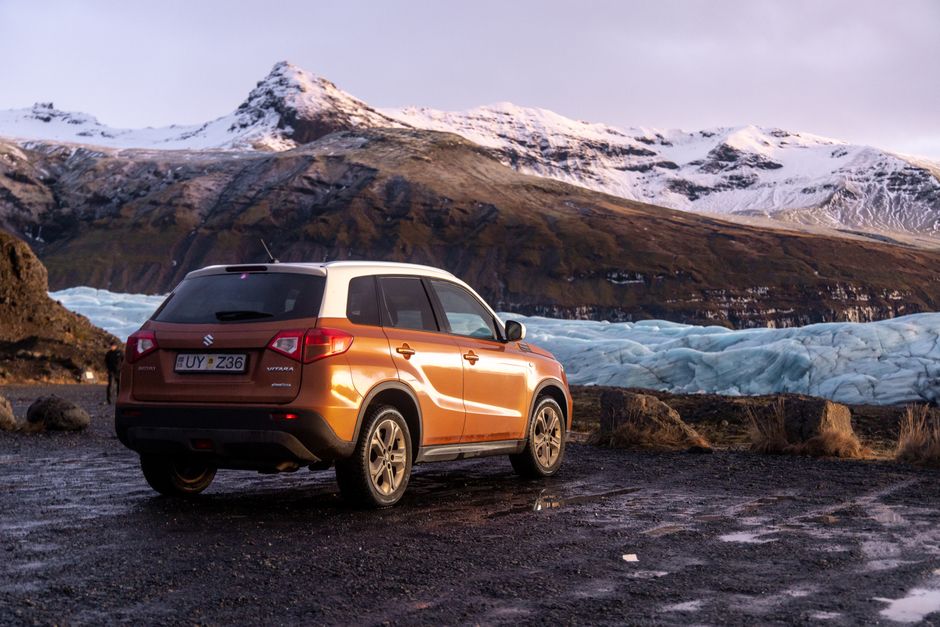
F-roads: what they are, and why 2WD can’t use them
F-roads are the “mountain roads” in Iceland: rough, often washed-out tracks that can include deep water, loose gravel, steep grades, and unpredictable conditions.
If you’re renting a regular 2WD car, you should assume:
- You cannot safely (or sometimes legally, per your rental terms) drive F-roads in 2WD.
- Even if a road looks dry at 10am, water and mud can change fast—especially with rain or overnight thaw.
- Your rental agreement may treat F-roads as “off-limits” unless you booked a specific 4x4 category.
What to do instead:
- Stick to Route 1 and properly maintained side roads that don’t require F-road access.
- If you truly want F-roads, plan it deliberately and rent the correct 4x4 with the right tyres (and budget for slower driving).
Gravel and sand damage: what to ask insurance about
This is the part that surprises a lot of first-timers: Iceland is not just about snow. You’ll hit gravel stretches, sand-blown weather, and driving behind trucks on loose surfaces.
When people say “our insurance covers everything,” it usually means… not everything.
Before you book, look for answers to questions like:
- Does the damage cover gravel/sand chips to paint, lights, or windshields?
- Is “rock chip” coverage included, or is it limited to certain parts?
- Are tyres and wheel rims covered if you catch something on gravel or drive in storm conditions?
- Do you need to choose a specific damage waiver/add-on to cover off-road conditions (not just off-road roads)?
Helpful rule of thumb:
- If the rental company treats “gravel/sand” as normal wear-and-tear, you could end up paying a surprising chunk of the repair bill.
Clearance, tyres, and the stuff you can’t see on the pictures
Even a perfect rental deal can be a bad deal if you don’t match the car to the season.
Focus on:
- Winter tyres (when applicable). Don’t just rely on “all-season.”
- Ground clearance for uneven gravel and ruts.
- Spare tyre condition (or whether it’s included and accessible).
- Windshield protection—not as a gimmick, but because you’ll be dealing with grit and spray.
Trade-off to accept early:
- A more capable 4x4 usually means higher rental cost and slower fuel consumption. That’s fine—just don’t pay for capability you never use.
Fuel planning: distances, pricing, and “I swear there was a station yesterday”
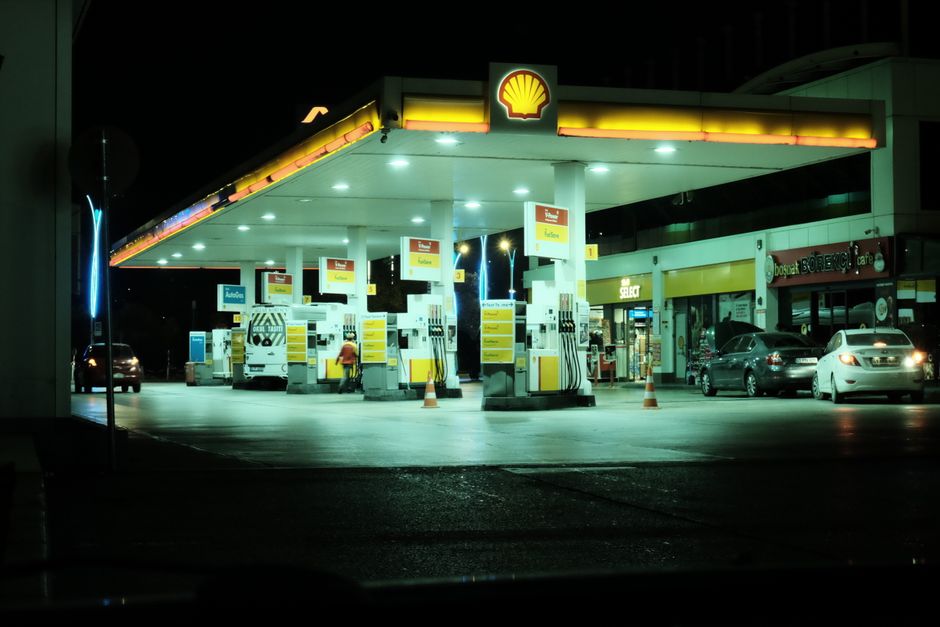
Don’t plan around “tank math”—plan around safety margins
Instead of planning “we can do 350 km,” plan like you’re learning the roads in real time.
A practical approach:
- Top up early, not late. Try to fuel before you feel low.
- Plan as if your next stop could be farther than expected due to headwinds, detours, or slow gravel segments.
- If you see the “next station” is far enough that you’d feel uncomfortable, that’s your sign to top up.
Typical station gaps (and why they matter)
You’ll find stations in both populated and remote stretches, but gaps can be long enough that:
- running the tank low becomes stressful;
- “we’ll stop on the way” turns into “we’re driving in weather hoping we guessed right.”
I don’t want to scare you with exact numbers that might not match today’s setup, because station coverage can change. But the key idea is this:
- Treat 200 km between refuels as your planning mindset unless you’ve checked a current station map for your exact route.
What to expect at the pump
A few booking-level realities:
- Some stations are small, and opening hours can be limited—especially outside peak season.
- You might need a credit/debit card that works internationally.
- In rough weather, queueing and slower pump operation can happen.
Quick win before you leave town:
- Check you can pay with your card before you’re stuck watching the gauge drop.
Road conditions & pacing: Route 1 is simple—until it isn’t
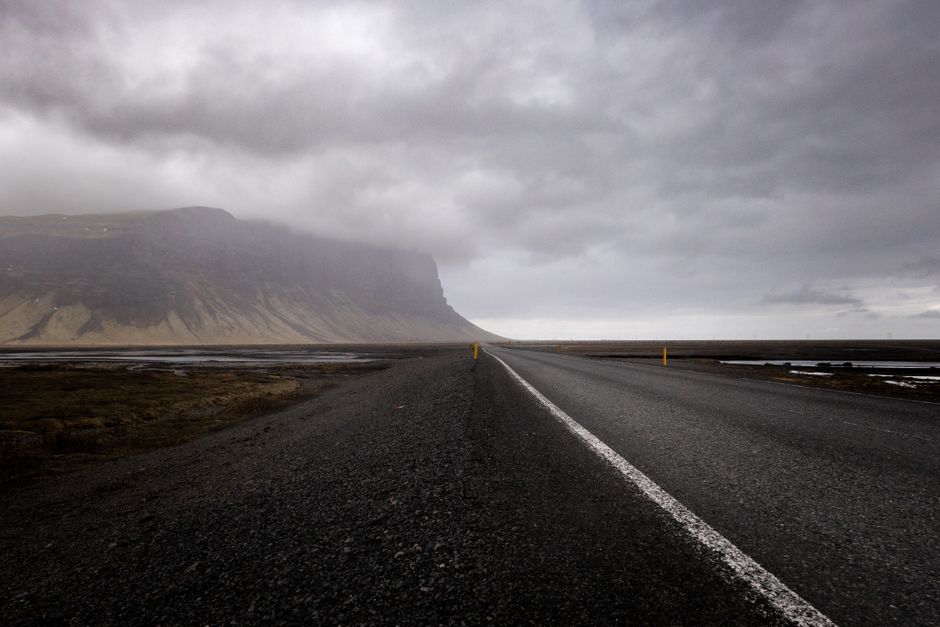
Pavement vs gravel: where you’ll actually feel it
Even if your car is “road ready,” your driving will change depending on the surface.
Expect:
- More braking distance on wet gravel and sand-blown stretches.
- Less predictable traction when wind pushes spray sideways.
- More fatigue than you think—because you’re constantly adjusting, not cruising.
Wind and visibility: your trip speed isn’t your cruise control speed
If there’s one thing that makes Ring Road timing feel off, it’s wind.
Plan your day like this:
- Use a buffer for delays (you can always stop early, but you can’t always “catch up” safely).
- Don’t schedule “perfect sunset arrival” plans unless you’re traveling in calmer months.
- If you see storm conditions building, it’s smarter to pull in and wait than to try to “just get there.”
Weather isn’t just cold—it’s driving behaviour
You’ll usually deal with:
- Snow/ice conditions in colder months (especially at higher elevations and in shaded areas)
- Rain and spray year-round
- Wind gusts that turn “easy” roads into white-knuckle driving
The best piece of advice I can give you is boring but true:
- If road conditions look rough while you’re on the road, keep the car where it’s stable—then reassess.
Weather closures & booking smart: how to avoid a “we can’t drive there” problem
Ring Road plans are only as good as the roads that day. That means you should book with flexibility—not denial.
What closures actually look like (and how they affect your route)
When Icelandic roads close, it can be:
- a full closure to traffic;
- a “not recommended” situation;
- or a partial closure that changes what you can reach.
Before you book, think through two scenarios:
- If a stretch is closed, can you still reach the next town without losing the entire day?
- Do you have a realistic alternative (different day for a side stop, different order of stops, or a shorter day)?
When to book: winter vs shoulder season trade-offs
Here’s the honest trade-off:
- Winter (rougher driving, more closures risk, fewer daylight hours) can be magical, but your schedule needs to be looser.
- Shoulder seasons often give you a better balance—but you still need contingency for storms.
If your trip is tight and “only these dates work,” you’re the person who should be extra careful with:
- car type (tyres/clearance);
- insurance coverage; and
- booking terms (cancellations and amendments).
Road updates you should check (and when)
Before you drive each morning, check current road info rather than relying on last night’s forecast.
Also consider contacting your rental desk if you see:
- high wind alerts;
- snow/ice advisories for the region you’re heading into; or
- a closure that changes your day plan.
If you’re building a car + itinerary and want a simple way to compare options and availability, I’ve used EconomyBookings for planning days where I want more flexibility and fewer surprises.
Ring Road highlights you’ll want to plan around
Now the fun part: the Ring Road is packed. If you know where you’re going, you can plan fuel, meal stops, and daylight around what matters most.
Below are some of the big-ticket sights that help shape your day-by-day timing.
South-west and west start
- Reykjavík
- Þingvellir National Park
- Geysir geothermal area
- Gullfoss waterfall
Waterfalls, black sand, and the south coast vibes
- Seljalandsfoss waterfall
- Skógafoss waterfall
- Reynisfjara black sand beach
Glaciers and the east stretch
- Skaftafell
- Jökulsárlón glacier lagoon
- Höfn
North Iceland payoff
- Lake Mývatn
- Akureyri
One practical tip: don’t try to “tick them all” on the same day in rough weather. When it’s windy or slippery, even short detours can take longer than you’d expect.
Rental questions to ask before you book (so you don’t pay for preventable mistakes)
This section is your pre-flight checklist—the stuff I’d ask if I were booking again with first-time driving stress in mind.
Insurance wording checklist (gravel, sand, and the parts people forget)
When you read the rental agreement, scan for:
- damage exclusions related to gravel roads / unpaved conditions;
- how windshield, tyres, and undercarriage are treated;
- whether sand (not just “rocks”) is considered;
- what “excess/deductible” you’ll pay if something happens.
If you can’t find clarity in plain language, ask for it.
Questions to send before you confirm:
- “Does this cover gravel/sand damage to paint and lights?”
- “Is there any exclusion for driving on Route 1 gravel segments?”
- “What’s my excess if I get a rock chip or windshield damage?”
Deposits, refunds, and how to avoid getting blocked at the counter
Booking can say “covered,” but the rental counter is where money can get held.
Make sure you know:
- what deposit amount is required;
- how long refund holds typically take;
- whether the deposit is tied to card limits;
- if you need the main driver’s card.
Practical driving agreement details (the stuff that becomes annoying later)
Before you lock in:
- confirm pick-up and return times;
- understand the rules for late return;
- check whether you’re allowed to drive the car in specific weather/conditions per the rental terms;
- clarify if there are any restrictions on daytime vs nighttime driving (some packages are strict about towing/roadside support).
Final thoughts
Driving Iceland’s Ring Road is one of those trips that feels like freedom—right up until you’re staring at a storm forecast and wondering whether your car choice and insurance will let you adapt.
So book like this:
- Avoid F-road surprises: if it’s F-road, assume 2WD isn’t the answer.
- Treat gravel/sand insurance as a must-clarify, not a checkbox.
- Plan fuel with a buffer, because gaps and weather slow you down.
- Build in closure-friendly timing, and check road updates before you commit to big day stretches.
If you want, tell me what month you’re going and whether you’re renting 2WD or 4x4—I can help you sanity-check your plan around the risks that matter most for that season.


