Hey fellow travelers—if you’re wondering whether day trips from Lisbon are actually worth that early start, I’ve got you. In this guide, I’ll show you the best worth-it trips for Sintra, Cascais, Évora, and Arrábida, and how to do each so you’re not stuck in queues.
How to Tell If a Lisbon Day Trip Is Worth the Early Alarm

When it’s worth going early:
- You want the “wow” sights before the masses (Sintra is the clearest example).
- You’re planning to move around more than one neighbourhood/area in a single day.
- You’d rather pay a bit (taxis, timed entries) than lose hours wandering.
When it’s not worth it:
- You’re only doing one slow activity and you’d prefer a relaxed start.
- You’re okay swapping “perfect” for “good” (sometimes late is fine).
Pick your travel style: DIY vs guided
You don’t need to be a transport nerd, but you do need a plan.
My rule of thumb:
- DIY works best when you can control the order of sights (again: Sintra).
- Guided is handy when you don’t want to worry about parking, schedules, or making sure you catch the last tour-van.
Quick reality check on time
Expect rough ranges like:
- Sintra: about an hour each way by public transport (often less if you’re already near a main station).
- Cascais: around 30–40 minutes each way.
- Évora: more like 1.5–2.5 hours each way depending on the bus/car situation.
- Arrábida: usually a longer day because you’ll want multiple beach stops.
So yes—those early starts matter. But not in the same way for every destination.
Sintra: The Place That Demands a Real Early Start
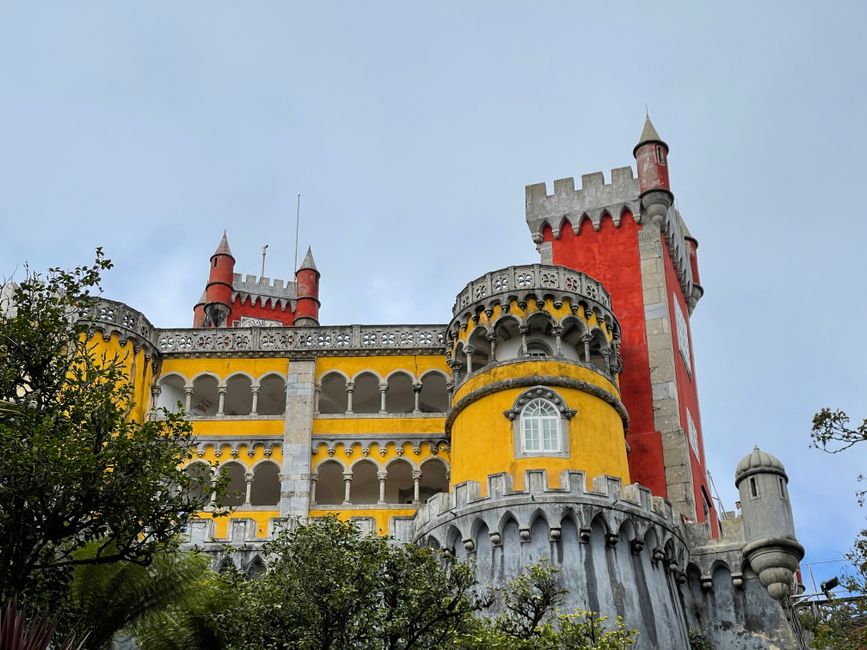
What I’ve noticed over multiple visits:
- Morning = manageable. You get better pacing at the top sights.
- Midday = bottleneck city. Walkways and entrances slow to a crawl.
- Late afternoon = still busy, but the intensity drops and you can enjoy views more easily.
If you hate waiting in lines, treat Sintra like a “start early, do fewer things, do them well” day.
Your Sintra must-dos (in a crowd-aware order)
If you only do one strategy from this article, do this one.
Go hard early, then taper off with a route like:
- Pena Palace (aim for first/near-first entry windows)
- Quinta da Regaleira
- Moorish Castle
- Sintra historic centre (save this for when you want to wander rather than rush)
That order isn’t magic—it’s just what tends to work when crowds build through the day.
Add Cabo da Roca if you want a “coast finale”
If you’re feeling up for a scenic finish (and the day still has energy left), tack on:
- Cabo da Roca
It’s the kind of stop that changes the whole mood of the trip—from palace-and-gardens to dramatic ocean cliffs.
Trade-off:
- It’s great, but it can stretch your schedule. If you’re traveling with energy limits (kids, older parents, jet lag), consider cutting it.
Cascais: Easy, Coastal, and Actually Flexible
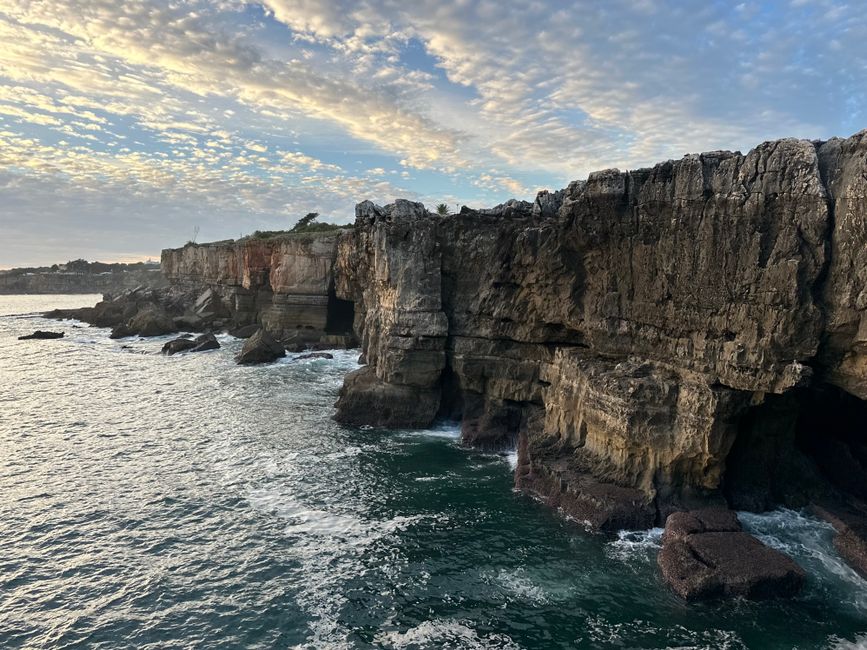
You can still benefit from a morning start (better light, fewer people at the viewpoints), but you’re not at the mercy of the same kind of crowds.
Don’t miss stops around town
Here’s a set of classic Cascais picks that fit neatly into a day trip:
- Boca do Inferno
- Cascais Marina
- Guincho Beach (especially if you like wild coast scenery)
How to place them:
- Boca do Inferno first or last often feels best (less waiting and better atmosphere).
- Guincho Beach works well mid-to-late afternoon if the morning is busy.
The honest trade-off
Cascais can get pricey in the tourist pockets, especially around the marina area.
To keep it worth it:
- Choose one “proper sit-down” meal.
- Treat the rest like snacks or quick bites.
- Don’t over-commit to multiple viewpoints if the weather turns windy.
Évora: One of the Best “Early Start” Days (Because It’s Slower)
Why Évora feels like a different country
Évora is the Alentejo vibe check: old stone, slower pacing, and a town that doesn’t feel like it’s rushing to entertain the next coach.
It’s still a long-ish trip, so going early helps you actually enjoy it (rather than arrive, grab lunch, and sprint back).
The core sights that make Évora worth your time
If you want the highlights without getting lost in a maze of streets, aim for this set:
- Roman Temple of Évora
- Cathedral of Évora
- Chapel of Bones
- Praça do Giraldo
My suggestion:
- Start with something structural (temple/cathedral), then go deeper with something more memorable (the Chapel of Bones), and finish on the square for atmosphere.
What you get by going early
Going early doesn’t just help with crowds—it helps with rhythm:
- You’re more likely to find cafes open and not fully jammed.
- You can take your time walking between the old-centre clusters.
- You get daylight for photos without rushing.
Arrábida & Sesimbra: The “Green-Coast” Day Trip You’ll Remember
Arrábida Natural Park is the main character
Arrábida is why I keep coming back for day trips: it’s nature that still feels close to Lisbon, and it’s perfect for a slow, scenic day.
Park + beaches is the winning formula:
- Arrábida Natural Park (plan for viewpoints, short walks, and stopping when the view is ridiculous)
Beaches that actually fit a day trip
For beach time, you want options that aren’t impossible to reach on a schedule.
A solid two-beach combo (with different vibes):
- Praia da Figueirinha
- Praia do Portinho da Arrábida
Trade-off:
- If it’s very busy or the sea looks rough, swapping to “short swim and enjoy the view” is better than forcing it.
Sesimbra adds the “reward” at the end
After sun, salt, and walking, end the day somewhere that can handle a relaxed meal.
- Sesimbra
This is where the day stops feeling like logistics and starts feeling like a mini-holiday.
Which Ones Are Better Done Independently?
Sintra: DIY is usually the best call
If your goal is to beat crowds and control your pace, Sintra is best done independently.
Why:
- You decide the sight order (the crowd-aware route matters).
- You can skip the most exhausting “must queues” if your energy is low.
- You can flex if you hit bad weather or if one entrance is packed.
How I’d do it, practically:
- Start early.
- Focus on Pena Palace, Quinta da Regaleira, and Moorish Castle.
- Only add Sintra historic centre if you feel good on your feet.
When a tour is actually handy (and when it’s not)
I’m generally pro-DIY, but I’ll be honest: if you really don’t want to think about timing, there’s a case for a structured day.
For example, I’ve used Viator once for a Sintra-and-coast style day when I wanted someone else to handle the sequencing and I was traveling with less patience than usual.
Just don’t expect magic:
- Even with a tour, you’ll still deal with crowds at the big sights.
- The main win is less logistics stress, not fewer people.
Cascais, Évora, Arrábida: DIY works because routes are simpler
For these three, independence is usually the sweet spot.
Cascais works because you can loop between viewpoint/waterfront stops without tight scheduling.
- Boca do Inferno
- Cascais Marina
- Guincho Beach
Évora works because you can concentrate your day in the old-centre area.
- Roman Temple of Évora
- Cathedral of Évora
- Chapel of Bones
- Praça do Giraldo
Arrábida works because the “plan” is basically nature + beach hopping.
- Arrábida Natural Park
- Praia da Figueirinha
- Praia do Portinho da Arrábida
- Sesimbra
Final Thoughts: Choose One Early-Start Target
Don’t try to “collect” all four in one week without rest
If you’re doing day trips back-to-back, it’s easy to burn out.
A better approach:
- Do Sintra on the day you’re freshest.
- Then pick one from Cascais, Évora, or Arrábida—and treat it like a proper day, not a “quick hit.”
If you want the simplest answer: start early for Sintra
For the specific question you asked—day trips from Lisbon worth the early start—here’s my honest ranking logic:
- Worth the early start most: Sintra
- Worth it if you want a fuller day: Évora, Arrábida
- Flexible (early is nice, not mandatory): Cascais
You’ll still have a great time if you start later sometimes, but those earlier hours are the difference between “I loved this” and “why was I standing in a queue?”


