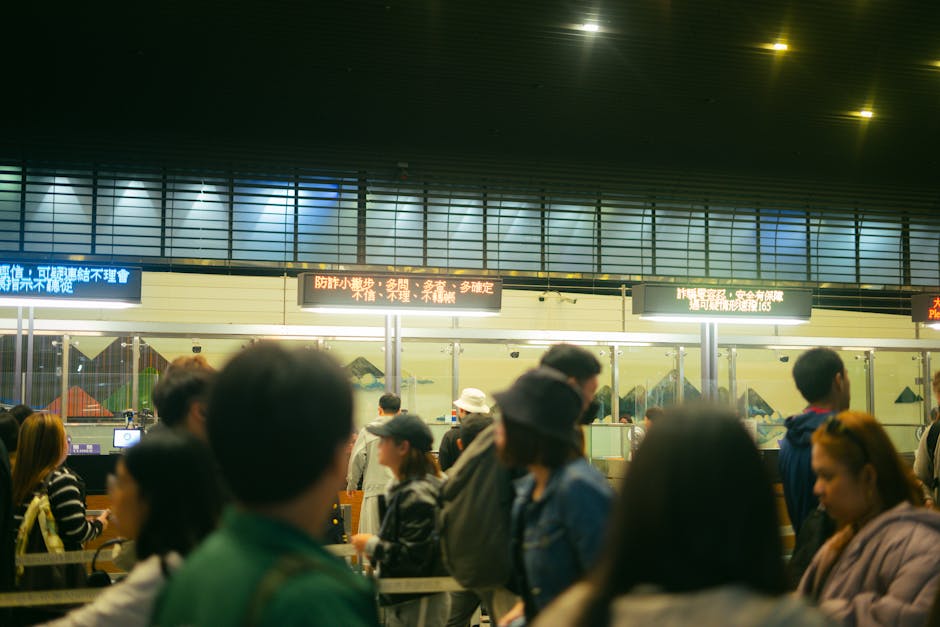
VAT refunds at European airports are one of those things that feel stressful until you’ve done it once.
If you want this to go smoothly, I’ll show you (1) who’s eligible, (2) where you validate your paperwork, and (3) what to do when the refund desk says “no” after you’ve queued at security.
Are you actually eligible for a VAT refund?
Before you sprint through the departure hall, make sure your claim is even worth starting.
Who usually qualifies
Most VAT refund schemes follow the same basic idea:
- You’re a non-EU resident (rules vary a bit by country, but that’s the typical baseline)
- You’re leaving the VAT area (usually departing the EU from that airport)
- You’re shopping at participating stores that issue tax-free paperwork
If you’re an EU resident, the shop might still be able to sell to you—but it usually won’t trigger a “buy tax-free / claim VAT back” process.
Stores and transactions that typically qualify
Even when you’re eligible, the purchase has to fit the scheme rules:
- There’s often a minimum spend threshold (commonly per shop/transaction; it varies)
- The goods should be for personal use, not commercial stock
- The items must be bought from participating retailers that can issue the tax-free form
- You generally need the goods available for export/inspection at the right point in your journey
Trade-off to know: you can’t always “game” it by tossing everything into your checked bag. For inspections, many airports want the items physically with you somewhere before everything is locked behind security.
Paperwork check: what you need before you leave the shop
This is where most claims are won or lost—because a single missing detail can turn a “yes” into a “no.”
Receipts and tax-free forms you should have
When you pay at the participating store, ask for the paperwork and keep it in one place:
- The tax-free form (the document you’ll need for validation)
- An itemized receipt/invoice that matches the form
- Proof of payment (often the receipt covers this, but keep it together)
- Your passport details (the form usually has to match exactly)
- A barcode/QR code or operator reference if the scheme uses one
My practical tip: put all of this in your cabin bag folder—separate from souvenirs you might hand to someone at the last minute.
Make sure the details match perfectly
If something doesn’t line up, the desk can reject your claim even if everything else is fine:
- Your name must match your passport exactly
- The purchase date and form validity period must be current
- The amounts on the receipt should match the amounts on the form
- The form/transaction reference should correspond to the receipt
If you notice errors at the store, fix them right there. Once you’re at the airport, it’s much harder to correct.
At the airport: where to validate VAT refund paperwork
The order matters more than people expect. Do not plan to “sort it later” if you can avoid it.
Where to go first (and what it’s usually called)
In most European airports, validation happens at a customs-style point or a dedicated VAT validation desk—often signposted clearly, but not always in the way you’d expect.
- A customs VAT validation desk/office (the place that can stamp/approve)
- A VAT refund validation kiosk (in some airports/operators)
- A tax-free operator counter that directs you to validation if needed
- The airport area signposted for “Tax Free” / “VAT Refund” / “Customs”
What I do to avoid confusion: I look for signs before I commit myself to a line. If I can’t find it in the first couple of minutes, I ask staff near check-in or the departure information desk—not the refund counter after I’ve joined their queue.
How to present the goods for inspection
Even if the paperwork looks perfect, the desk may want to visually check items.
- Keep the items accessible (don’t assume checked baggage will be enough)
- Bring original packaging if you have it
- Be ready for unpacked/visible inspection if requested
- Avoid removing labels/tags until you’ve been told it’s okay
Trade-off: keeping things accessible is annoying, especially with bulky items. But having the box in your cabin bag beats having to argue your way through rejection at security.
If the refund desk says “no” at security: don’t panic
This is the part that feels horrible in the moment, because you’re already traveling and you can’t rewind.
Common reasons they reject VAT refunds
When desks refuse claims, it’s usually for one of these reasons:
- Your form wasn’t stamped/validated when it needed to be
- You can’t show the goods (or the items don’t match the claim)
- Your details don’t match your passport (name, date, or reference issues)
- The purchase is outside validity or the transaction doesn’t meet scheme rules
- The barcode/QR scan fails or the operator can’t verify the transaction
In other words: it’s often not personal—it’s administrative rules and process timing.
Your best moves when you’re told “no”
Here’s how to recover when you’re stuck in that “am I actually doomed?” moment:
- Ask for a supervisor/manager and request the exact reason in simple terms
- If you still have items accessible, request an inspection on the spot
- Check whether post-security validation is available at your airport/operator
- If you can’t fix it, ask what the appeal or later refund option is (and keep every document)
If you’re already through security and the goods are effectively unreachable, your goal becomes documentation: get the reason in writing if possible, and keep all receipts and the rejected form. Even if the outcome is disappointing, at least you’re not flying blind.
After validation: how you actually receive the money
Once you’ve been validated, the money part is mostly a different (and usually less stressful) process.
Refund methods you’ll typically see
Depending on the operator, country, and what you chose, you’ll get the refund one of these ways:
- Cash at a counter (usually only after validation is completed)
- A card refund back to the payment card you used
- A bank transfer to an account you provided
- A voucher/credit option where you don’t get “cash back” directly
Trade-off: cash is comforting because it feels instant, but card/bank transfers can be simpler if you don’t want to juggle counters and queues.
How long it usually takes
Timelines vary, but you’ll generally fall into one of these buckets:
- Card refunds often take days to a few weeks depending on the operator and your bank
- Bank transfers can take longer, especially if more data steps are involved
- Cash refunds are immediate if they’re approved at the desk
If it’s urgent (like you’re paying for another trip right away), don’t assume the refund will hit your account on a specific day—plan as if it won’t.
Final thoughts: your “don’t-mess-this-up” checklist
If you remember nothing else, remember this: validation is the critical step.
Your quick airport checklist
Before you commit to walking into security, run through this:
- Arrive early enough to deal with queues and possible re-checks
- Keep the items you might need to show in hand luggage when possible
- Make sure you have your tax-free forms + itemized receipts in one folder
- Find and use the VAT validation/customs point before you get stuck past it
- Don’t throw away anything—keep stamped/validated paperwork safe
- If things go wrong, keep copies so you can follow up or appeal
I’ve had moments where I was sure everything was correct… and then the desk spotted one tiny mismatch. The easiest way to avoid that kind of heart-sink moment is to give yourself time and stay organized.
If you need to follow up after travel
Even after you leave the airport, you might need to check status or resolve a missing refund.
- Track your refund reference details (as given on the paperwork)
- Keep your supporting documents in your trip folder for a while
- If the refund doesn’t arrive, contact the operator using the details on your forms
And if your trip plans are fragile, treat VAT refund chasing like a “nice bonus,” not a guarantee.
You’re not alone if this feels confusing. The process is just picky about timing, matching names, and getting validation done in the right spot. If you line things up (documents ready, goods accessible, and an early arrival), you’ll usually sail through—and you’ll spend your final hour at the airport actually relaxing, not bargaining with a desk.