Hey there travel enthusiasts and welcome to my post where we will check out my 9 best national parks in the USA this year. I’m not going to pretend there’s one “correct” list—because a park that’s perfect for wildlife spotting might be a pain for hikers, or might be too crowded for your comfort level.
So I’m doing this the way I always do it: I’ll tell you what each park is best at, when to go, what usually costs more, and what trade-offs you’re likely to hit.
A quick note: national parks can change things fast (timed-entry rules, road closures, permits). I’ll keep the advice practical and broadly accurate, but always double-check the latest park updates before you lock in plans.
1) How I pick the “best” national parks (and how you should too)

Before we get into my top picks, here’s the framework I use. It keeps me from falling for hype, and it helps you choose parks that match your trip.
What “best” means (for real humans)
I’m prioritizing parks that deliver value in at least one of these ways:
- Big wow per hour: iconic scenery that doesn’t require a 12-mile hike to enjoy
- Variety: more than one “thing” to do (waterfalls + viewpoints + wildlife, for example)
- Accessibility: you can have a great day even if you’re not an ultra-distance runner
- Experience quality: yes, crowds exist—but the park still feels worth it
- Seasonal payoff: the park isn’t just pretty, it’s at its best at a predictable time
Typical costs (so you can budget without guessing)
Costs vary by season and where you sleep, but here’s the rough reality:
- Entrance fees: often around $35 per vehicle for 7 days (rules can vary—some parks use different pass options)
- Annual passes: if you’re doing multiple parks, an annual pass can be a bargain
- Camping: commonly $20–$60 per night depending on hookups, season, and campground demand
- Lodges inside/near parks: usually the most expensive option—often $200–$500+ per night in peak periods
- Food: bring snacks; in-park dining can be limited and pricier than you expect
Best time to go (and why “when” matters more than you think)
You’ll have a much better trip if you plan around weather and crowd cycles.
- Late spring (May–June): great shoulder-season balance in many regions; fewer sold-out rooms
- Summer (June–August): peak hiking weather, but also peak crowds—especially on famous viewpoints
- Early fall (September–October): often my favorite for comfortable temps and better photo light
- Winter: magical in the right park, but check road access and service levels carefully
2) Yellowstone + Grand Teton: the wildlife-and-geothermal combo you dream about
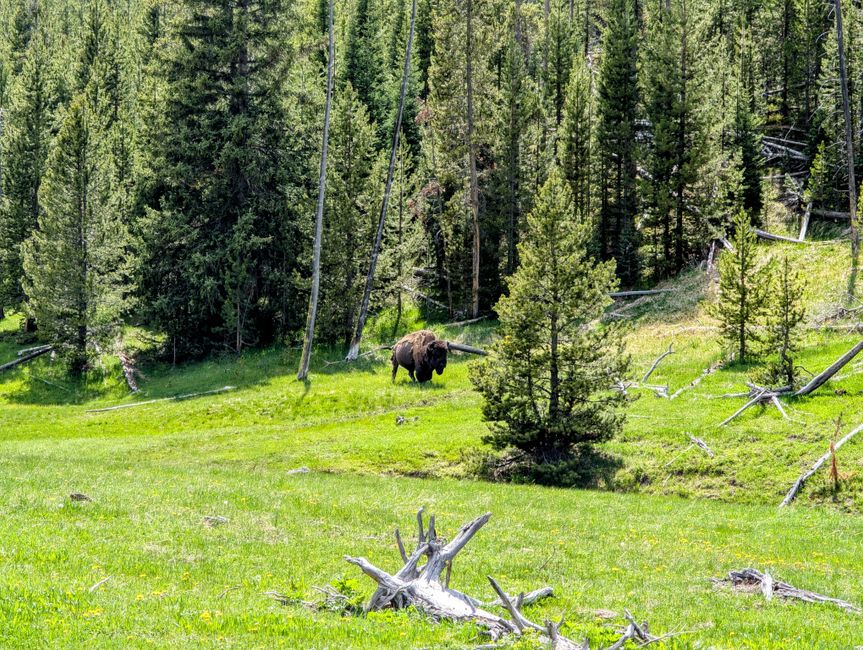
If you want “national park energy,” start here. Yellowstone is the headline act, but the Tetons make the whole trip feel like a cinematic sequel.
Yellowstone National Park (the geothermal wonderland)
Yellowstone’s superpower is consistency: you can see something incredible almost every time you turn a corner.
What it’s best for:
- Geothermal features: geysers, hot springs, bubbling mineral basins
- Wildlife watching: bison, elk, and (with luck) wolves
- Long drives with frequent payoff: you’re never far from a stop
Practical planning tips:
- Go early: mornings are quieter and wildlife is more active
- Stay flexible with your route: some roads/areas can close seasonally or due to conditions
- Plan for crowds at major pull-offs: the “must-see” spots get busy fast
Trade-offs you should know:
- It can feel busy even when you drive—main roads and popular loops attract everyone
- Some views are roadside: which is great if you’re short on time, but less “solitude” if you love empty trails
Grand Teton National Park (sharp peaks, easier hiking days)
Grand Teton is where you go to pair Yellowstone’s geothermal weirdness with mountain beauty.
What it’s best for:
- Iconic mountain scenery (it’s dramatic even from basic viewpoints)
- Lake stops and short hikes: lots of “good payoff” options
- Photogenic lookouts: sunrise/sunset can be absolutely worth it
How to make it a great trip:
- Combine with Yellowstone: it’s a natural pairing if you’re road-tripping the region
- Pick 1–2 signature hikes rather than trying to do everything
- Time your drives: traffic and parking can build up around popular lakes
Trade-offs:
- “Easy” hikes still get crowded near the most popular trailheads
- Weather changes fast—bring layers even in summer
3) Yosemite National Park: waterfalls, granite walls, and classic hikes (with crowd reality)
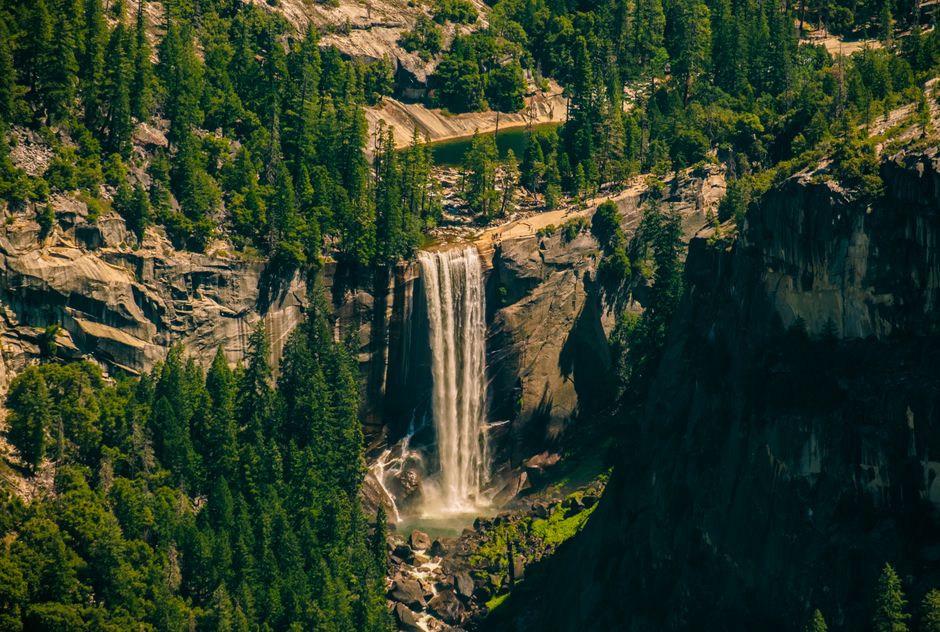
Yosemite is one of those places where even if you’ve seen it a thousand times on screens, it still feels huge in person.
Yosemite Valley: the easiest route to “wow”
If you only have a few days, Yosemite Valley is your best friend.
Look for:
- Waterfalls (seasonal, strongest in spring/early summer when water flow is high)
- Granite viewpoints: the valley walls dominate every direction
- Scenic drives + short walks: you can build a great day without doing anything extreme
Practical notes:
- Expect traffic and parking pressure in peak season
- Be ready to wait for shuttles or access depending on seasonal systems and conditions
Yosemite hikes: pick by effort, not by hype
There are trails for every level. My advice is to match the hike to your energy—not to someone else’s Instagram caption.
Common “good planning” categories:
- Short, high-reward walks (perfect for jet-lag days)
- Moderate day hikes (great balance of effort and scenery)
- Longer, strenuous routes (save these for when you’re well-rested)
Trade-offs:
- Peak-season trails can feel like a busy event at popular lookout points
- Some viewpoints have limited parking/access, so you might need to start early or use shuttle systems
Crowds and timing in Yosemite (how to reduce stress)
If you want a calmer Yosemite experience, timing is the hack.
Try this approach:
- Start early for both sunrise and the first “main stop” of the day
- Visit the valley on one day, then do a second day outside the busiest area
- Aim for weekdays whenever your calendar allows
What to avoid:
- Rolling in mid-morning on a summer weekend and expecting parking to be painless
- Trying to do every “top stop”—you’ll spend more time in lines than you will appreciating the scenery
4) Zion + Bryce + Grand Canyon: jaw-dropping canyons (heat and permits can be the trade-offs)
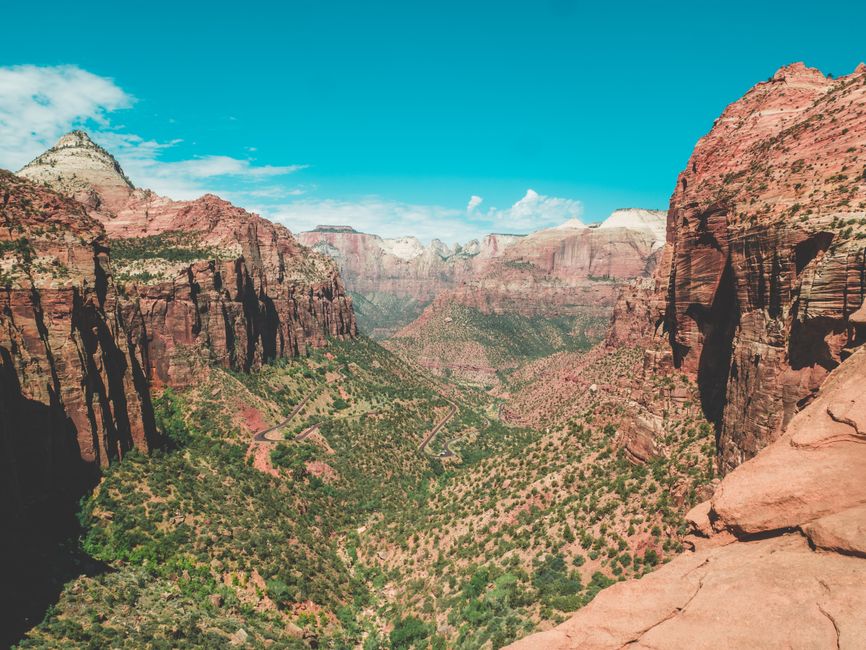
This is the “holy wow” region. It’s also the place where your plans can get disrupted by heat, reservation systems, or simply the sheer number of visitors.
Zion + Bryce Canyon: the canyon playground
These parks feel like two different worlds, but they pair beautifully.
What Zion does best:
- Cliffside views that make you stop for photos every 10 minutes
- Canyon hikes with big payoff (choose carefully based on your comfort and crowd tolerance)
- A lot of options from short walks to longer routes
What Bryce Canyon does best:
- Hoodoos (those weird, gorgeous rock spires)
- Viewpoint hopping that doesn’t always require a long hike
- Great light for photos around sunrise and late afternoon
Practical tips:
- Go early for the popular viewpoints
- Bring water and plan around heat, especially in summer
- Use shorter hikes on hot days and save bigger ambitions for cooler mornings
Trade-offs:
- Reservation/permit systems can apply to certain famous hikes or shuttle access, and rules can change
- Parking fills up in peak periods—have a “Plan B” mindset
Grand Canyon: the “biggest scale” park (you’ll feel it instantly)
Grand Canyon’s main superpower is scale. It’s hard to describe, but once you’re there you get it.
How to enjoy it without burning out:
- Pick 2–3 viewpoint areas and linger—don’t rush the whole canyon
- Do at least one short hike if you can (even a modest one can transform your perspective)
- Consider a sunrise or late-afternoon slot for calmer conditions and better photos
Trade-offs:
- Distances inside the park add up fast—driving between viewpoints can take time
- It can be brutally hot in summer, especially for canyon-side walking
Canyon planning checklist: heat, timing, and your hiking level
This is the stuff that makes or breaks your day in the Southwest.
Before you go, decide:
- Your hiking ambition (and be honest about it)
- How long you’ll be out in the sun
- Your “shade strategy” (shorter segments + more breaks is totally valid)
In your day pack:
- Water (more than you think)
- Sunscreen + hat
- Layers (yes, even in deserts—temps can swing)
- Snacks (food options can be limited and expensive)
5) Glacier National Park + Rocky Mountain: big mountain drama, but plan for access and weather
If you love glaciers, alpine lakes, and roads that wind through jaw-dropping valleys, this is a winning duo.
Glacier National Park: lakes, mountains, and a “short drive = big views” feeling
Glacier can deliver that “how is this real?” scenery.
What it’s best for:
- Lakes and mountain scenery that look incredible even from pull-offs
- Scenic drives (when open) paired with short hikes
- Wildlife sightings in the right spots and times
Practical tips:
- Check road status seasonally: access can change with weather
- Start early for calmer driving and better chance at wildlife
- Bring layers—conditions can shift quickly in alpine areas
Trade-offs:
- Weather can be unpredictable, even in the summer
- Some areas can be busy near popular viewpoints
Rocky Mountain National Park: a classic alternative when you want variety
Rocky Mountain is a great pick if Glacier isn’t your timing, or if you want a slightly easier “build-your-own-day” experience.
What it’s best for:
- High-elevation scenery with lots of viewpoints
- A wide range of hike difficulty levels
- Easy to structure: short scenic stops or longer hikes, depending on energy
Practical tips:
- Altitude matters: take it easy the first day
- Aim for early hours to reduce crowd pressure
- Drive times add up—plan fewer major stops but with more time at each
Common mountain-country problems (and how to handle them)
In these parks, the “best” experience is usually about avoiding friction.
Expect these issues:
- Parking and traffic bottlenecks near top viewpoints
- Weather changes that can affect trail conditions
- Crowds around the “signature” spots
Your best solutions:
- Go early
- Have a backup stop (a less-famous viewpoint can save your whole day)
- Keep your hikes flexible (if visibility drops, switch to easier viewpoints)
6) Denali + Great Smoky Mountains + Everglades: wildlife, forests, and wild water (very different vibes)
These three parks cover a huge slice of America’s national-park personality. Together, they’re proof there’s no single “best”—there’s what’s best for you.
Denali National Park: big wilderness, unforgettable scale
Denali is where the landscape feels enormous and your plans revolve around wildlife and road access.
What it’s best for:
- Wild Alaska feel (the distance alone is mind-blowing)
- Wildlife opportunities depending on season and conditions
- Guided tours can be great here, especially if road access or weather is limited
Practical tips:
- Bring warm layers: even in summer, conditions can be cooler than you expect
- Be flexible if weather affects visibility or travel routes
- Plan your day around key activities rather than trying to “cover everything”
Trade-offs:
- Weather can be a deal-breaker for certain plans
- Costs can run higher because getting there (and staying there) is less straightforward than many lower-48 parks
Great Smoky Mountains National Park: the “cozy” classic with epic hiking
If you want dramatic scenery without the desert heat or Alaskan logistics, Great Smoky Mountains is a top choice.
What it’s best for:
- Forest hikes and ridge views
- A lot of trails for different fitness levels
- A “relaxed but rewarding” atmosphere compared with some flashier parks
Practical tips:
- Rain happens: pack a rain layer and expect misty views
- Start early to beat humidity and crowds
- Pick a couple of hikes that match your comfort level; the terrain can feel tougher than it looks
Trade-offs:
- Some areas can be busy, especially along popular drives and trailheads
- Fog/mist can limit views on certain days (but it can also make the scenery feel magical)
Everglades National Park: wetlands, wildlife, and a different kind of “wow”
Everglades isn’t “mountains and geysers.” It’s a living ecosystem, and it’s impressive in a quieter way.
What it’s best for:
- Wildlife spotting (especially birds and other critters depending on season)
- Wetland scenery that’s unique to South Florida
- Kayak/boat experiences (when conditions allow)
Practical tips:
- Plan for humidity—this park can feel intense in summer
- Expect bugs and bring appropriate protection
- Choose water-based activities based on conditions (wind and weather matter)
Trade-offs:
- It can be extremely hot at the wrong time of day
- Some experiences depend on weather and seasonal conditions
7) Final thoughts: pick your season, then pick your park
If you only take one thing from my “best national parks” list, make it this: choose parks based on when you’re going, not just where you want to go.
Start with your travel month
Match your month to the type of experience you want:
- Spring: flowers + waterfalls (especially in places where water flow peaks)
- Summer: the most trails are open, but heat and crowds are real
- Early fall: great balance of weather and visitor levels in many regions
- Winter: fewer people, more drama (but you need to accept fewer services/accessible areas)
Build in downtime (seriously)
The parks are big, roads can be slow, and “short stops” can take longer than you expect.
My low-stress travel formula:
- One big “anchor activity” per day (a hike or a signature viewpoint)
- One flexible buffer (a trail you can shorten, or a scenic drive you can turn into a short walk)
- Time to sit—sometimes the best part of a national park day is doing nothing for 20 minutes while the scene soaks in
If you tell me your travel month and how many days you’ve got, I can suggest a simple route that avoids the worst crowd bottlenecks and keeps travel time reasonable.