Hey there travel enthusiasts and welcome to my post where we will check out my 6 Crete car rental truths this year.
If you’re planning to rent a car in Crete, you’re probably thinking: ‘Sweet, I’ll explore beaches, old towns, and mountains without waiting for buses.’ You’re right.
But what nobody tells you is that the rental counter can quietly turn into a choose-your-own-adventure nightmare: the “same category” car isn’t always the same, the insurance you thought you had isn’t really the one you need, and the fuel policy you skimmed will absolutely charge you later—usually in the exact way you hate most.
Let’s do this the practical way, with a bit of wry honesty, so you can drive more and stress less.
Local vs International Agencies (and why the counter mood matters)

One thing I learned the hard way: on Crete, the agency you choose isn’t just a booking detail—it affects how flexible they are when something goes wrong.
The quoted price is rarely the real price
Online, you’ll see a rate that looks great. Then you arrive and you get hit with one or more “small” extras:
- Deposits/holds on your card: often a security deposit authorization (commonly a few hundred euros, sometimes more depending on car category and agency).
- Local fees: taxes, airport/local surcharges, admin fees.
- Young driver or category tweaks: if you’re under a certain age or if the car class is more “SUV-ish,” the price can jump.
- Payment method differences: card vs cash policies (sometimes they’ll try to nudge you toward one).
My advice: before you book, screenshot the exact “include/exclude” lines. You want to be able to say, calmly, ‘This is what I agreed to.’
‘Similar car category’ can mean a different driving experience
Crete roads don’t just test your navigation—they test your car.
When an agency says ‘or similar,’ it can translate to:
- A smaller engine (same category name, different punch)
- Different tyres (sudden switch from comfy road tyres to something less forgiving)
- A different drive feel (especially noticeable on steep climbs and tight old-town streets)
- Less clearance than you expected (yes, curbs and speed bumps are real)
If you’re driving out west (think more remote beaches), I strongly prefer a sensible 2WD SUV/crossover over the cheapest compact—purely for tyre comfort and ground clearance. You don’t need 4x4 everywhere, but you do want a car that doesn’t feel like it’s apologizing every time you slow down.
How I book when I want more clarity
If you don’t want to play “guess what this listing really means,” I’ve used LocalRent to compare options and read terms more cleanly. The big thing: even with a good comparison site, you still need to read the insurance and fuel policy wording like it’s your job.
Insurance Upsells: what you actually need (and what you don’t)

This is the part that can get expensive fast—because the upsell is often positioned as ‘mandatory’ even when it’s negotiable.
CDW vs ‘full coverage’: the alphabet soup
Most rentals include some baseline protection, but it’s usually not the protection you think.
Common terms you’ll see:
- CDW (Collision Damage Waiver): reduces what you’d pay if you damage the car. It usually comes with exclusions and often still has a deductible.
- LDW (Loss Damage Waiver): similar idea, sometimes covering more scenarios but still not ‘everything.’
- Super cover / zero deductible add-ons: typically reduce or remove the deductible.
- TP (Theft Protection): separate from damage coverage.
The key question to ask (and yes, say it out loud):
- “What’s my deductible if I damage the car?”
- “Does it cover tyres, undercarriage, and glass?”
If they can’t give a clear number, or they dodge with vague phrasing, I’d walk away and pick a different option.
Tyres, gravel, and the ‘off-road’ clause
Here’s the part nobody tells you: many rental policies are picky about what counts as “off-road.”
In Crete, you might hit:
- Gravel shoulders near scenic spots
- Unpaved or partially paved access roads to beaches
- Parking areas that look like roads but are technically rougher surfaces
So clarify:
- Does your insurance cover damage to tyres?
- Does it cover wheel/rim damage from potholes or rough tracks?
- Will gravel-covered accidents be treated differently?
You’re not trying to prove the insurance wrong. You’re trying to know how much you’ll pay if the car gets scratched or bumped up.
How to document damage like a grown-up
I’m not saying you need to act paranoid. I am saying you need evidence.
Before you drive away, do this:
- Film a slow walkaround of the whole car (front, back, both sides).
- Zoom in on wheels, tyres, and the bottom edges of doors/bumper.
- Check inside the car (seats, steering wheel, floor mats).
- Take timestamped photos if you can.
- Make sure the agent records existing damage—don’t let it be ‘your word vs theirs.’
When you return the car, you want it to be: ‘Here’s the same damage from pickup’—not ‘We didn’t notice that earlier.’
Fuel Policies: the sneaky charges you can avoid
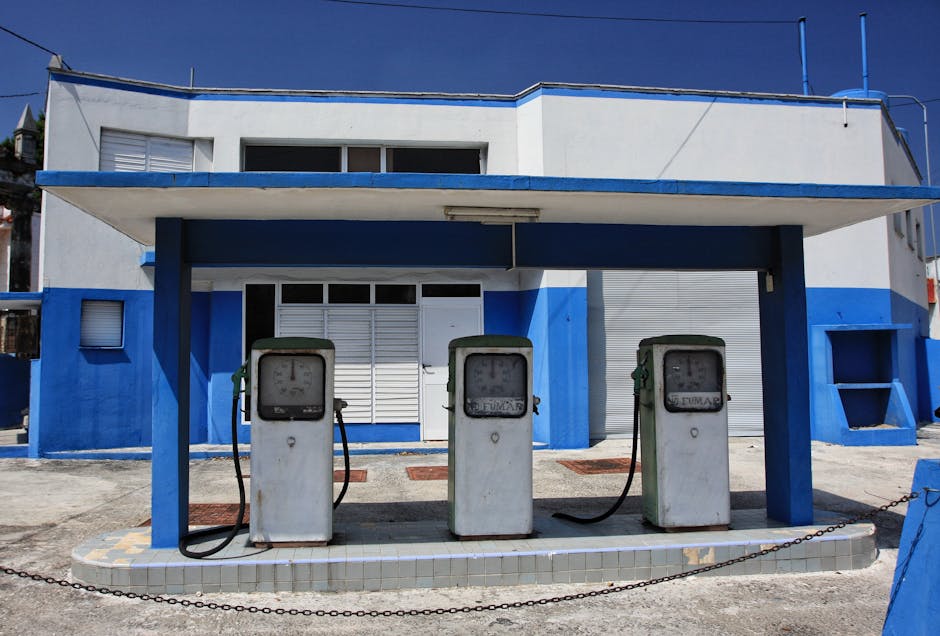
Fuel is one of those things that feels simple until you read the policy carefully.
Full-to-full is your friend; “we’ll refill” is where money goes to disappear
Most travellers want full-to-full (fill it up before return, you get your deposit back/you’re not paying markup).
But some offers are:
- Prepaid fuel options: you pay upfront for a tank (often at a worse rate).
- Return-with-same-level policies: if you return with even a small mismatch, they may charge for the difference plus a refill fee.
Before accepting, ask:
- “Do I fill-to-full before returning?”
- “If not full, how is the cost calculated?”
If the wording is unclear, it’s not a quirky typo—it’s a future bill.
Diesel vs petrol: avoid the ‘I’ll figure it out later’ trap
Crete isn’t huge, but refuelling anxiety is real when you’re planning day trips.
General tips:
- Confirm what fuel type you’re getting and double-check the pump.
- If you’re renting something less common (diesel SUV, for example), keep your tank from going too low.
- In remote stretches, don’t assume there’ll be a station right when you need it.
I like to refuel when I hit roughly half a tank, especially if I’m heading toward quieter areas.
Town driving burns time (and adds fuel)
In places like Chania and Heraklion, driving can turn into stop-start crawling:
- narrow streets
- awkward parking manoeuvres
- pedestrians who appear like magic
The less you rage-drive, the more you save on fuel and reduce the odds of curb kisses.
Gravel Roads & Damage-Prone Realities (Crete isn’t gentle)
Crete is gorgeous, but it’s not always car-rental-friendly in the way you expect from a polished brochure.
2WD is fine—until it isn’t
You usually don’t need a 4x4 to enjoy Crete. However, your rental might handle “rough” just okay… or it might get stressed.
Look out for:
- muddy ruts after rain
- steep access roads to viewpoints
- gravel stretches that seem short but are surprisingly bumpy
If the listing says road tyres only / not suitable for off-road, take that seriously.
Scrapes happen where you least expect them
Crete has parking lots, yes—but it also has:
- tight bends
- low walls and curbs
- speed bumps that are a surprise attack
Common damage sources:
- bumping curbs while parking
- touching the bottom of the bumper on uneven ground
- minor scratches from narrow gaps
The wry truth: the car won’t get damaged in the “cool” photo moments. It’ll get damaged in the “I just wanted to park for two minutes” moments.
Scenic detours that are worth the extra care
If you want the payoff, you’ll probably want to drive beyond the main roads. Here are some places where that extra careful driving really pays off:
- Balos Lagoon
- Elafonisi Beach
- Preveli Palm Beach
- Vai Beach
- Samaria Gorge entrance (Omalos area)
- Chania Old Town & Venetian Harbour
- Heraklion Old Town (and nearby sights)
- Knossos Palace
- Phaistos Archaeological Site
- Arkadi Monastery
For all of these, I’d plan with the assumption that you’ll encounter some rougher access roads or tighter driving moments—so you can take it slow instead of rushing.
Your Rental-Day Checklist (do this and you’ll thank yourself)
This is the workflow I follow so the whole thing feels less like a trap and more like an actual vacation start.
Ask these questions before you hand over your card
At the desk, don’t be shy. Ask plainly:
- What is my deductible for damage?
- Does coverage include tyres, windscreen/glass, and undercarriage?
- Are there mileage limits?
- What’s the exact fuel return rule?
- Is there any restriction on driving on rough roads?
Bonus: ask what happens if you get a minor incident.
- Who do you call?
- Does the agency require a police report for small claims?
- Do you need a specific report format?
At pickup: the walkaround script
Do it methodically so you don’t miss anything:
- Walk the car once quickly, then again slowly.
- Photograph each wheel area.
- Check under/around bumpers.
- Confirm fuel gauge level and record it.
- Make sure your contract matches what you were promised.
If the agent rushes you, that’s when you slow down even more. Rushing is how misunderstandings happen.
On the road: keep it boring (boring is safe)
A few habits that make the whole trip cheaper:
- Drive slower on rough patches (it prevents tyre/rim pain)
- Don’t cut corners in towns (pedestrians + curbs)
- Keep your documents accessible (you don’t want to dig through the glove box on a roadside)
- If something happens, don’t improvise—take photos, note details, and follow the claims steps
And yep, if you end up with a scratch? Don’t panic. But do handle it properly—because that’s what keeps it from becoming a bigger bill later.
Final thoughts: how to rent in Crete without getting stung
You’re not crazy for thinking car rental should be easy. In most cases, it is. The problem is that the “easy part” ends the moment you miss a clause.
Your simplest game plan
Before you book, aim for this checklist mindset:
- Choose local vs international based on terms clarity, not just price.
- Confirm insurance specifics: deductible + tyre/glass/rough-road exclusions.
- Pick a fuel policy you can actually follow: ideally full-to-full.
- Expect some rough access roads, and choose your car category accordingly.
Go enjoy Crete—just drive like the contract matters
Crete rewards you for taking your time. If you plan for the bumps (literal and legal), you’ll spend less energy arguing and more energy eating fresh food at the end of the day.
Now grab a playlist, set your first destination, and have an awesome trip—because the beaches and mountain views are 100% worth the extra two minutes of pre-rental paperwork.