Hey fellow travelers—Barcelona’s neighborhood choice can make or break your trip. Here’s my ranked guide for first-time visitors, with realistic transit times and what kind of stay you’ll actually like in each area.
Barcelona is one of those cities where you can’t really “do it all” from one spot—you’ll trade off beach closeness for nightlife energy, or calm streets for ultra-easy walking. The good news? If you match the neighborhood to your priority, the whole trip gets smoother.
Below, I’m going to:
- Rank areas by what most first-timers care about (beach time, nightlife, walkability)
- Explain where each area shines (and what to expect)
- Give you rough transit-time ranges to key parts of your itinerary
How I’m Ranking Neighborhoods (So You Don’t Overthink It)
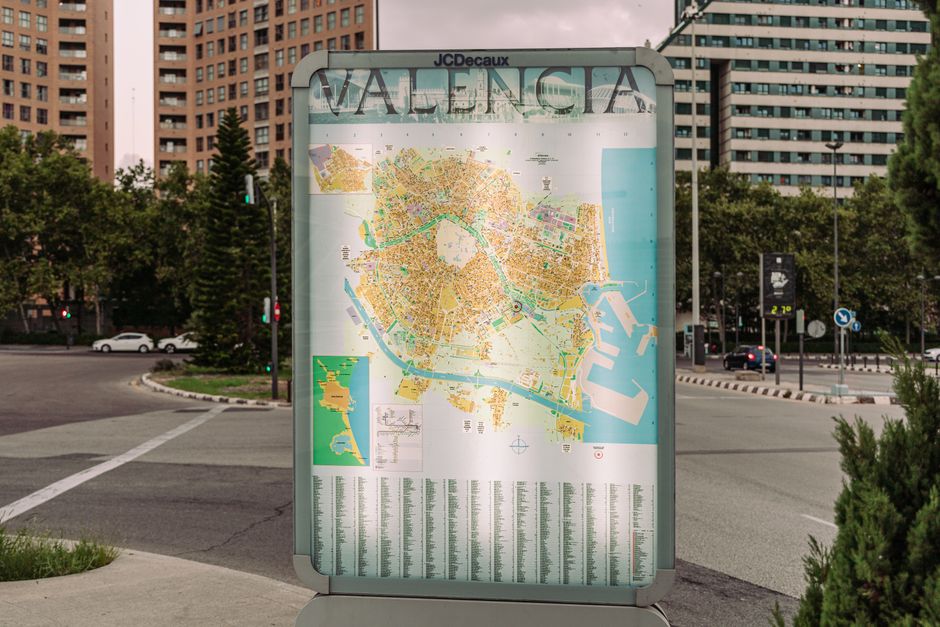
The trade-offs (Barcelona does this on purpose)
Barcelona rewards strategy. Most areas do well at one or two things and compromise on the third:
- Central neighborhoods are great for walking and late nights, but can be noisy and pricier
- Beach neighborhoods are awesome in summer, but “walk to everything” becomes harder
- Local-feeling areas (a bit away from the headline spots) are often calmer, with more apartment-style stays
Transit times I’m using (the reality check)
I’m giving you ballpark ranges that match what you’ll feel day-to-day:
- Walk: how long it takes if you’re not trying to set speed records
- Metro/bus: usually faster than buses through traffic, but expect a little extra time for waits
- Taxis: useful when you’re tired, but not always time-saving in heavy traffic
I’ll mention transit times for each neighborhood relative to the sightseeing anchors most first-timers aim for.
Best All-Around Base: Eixample + Sant Antoni
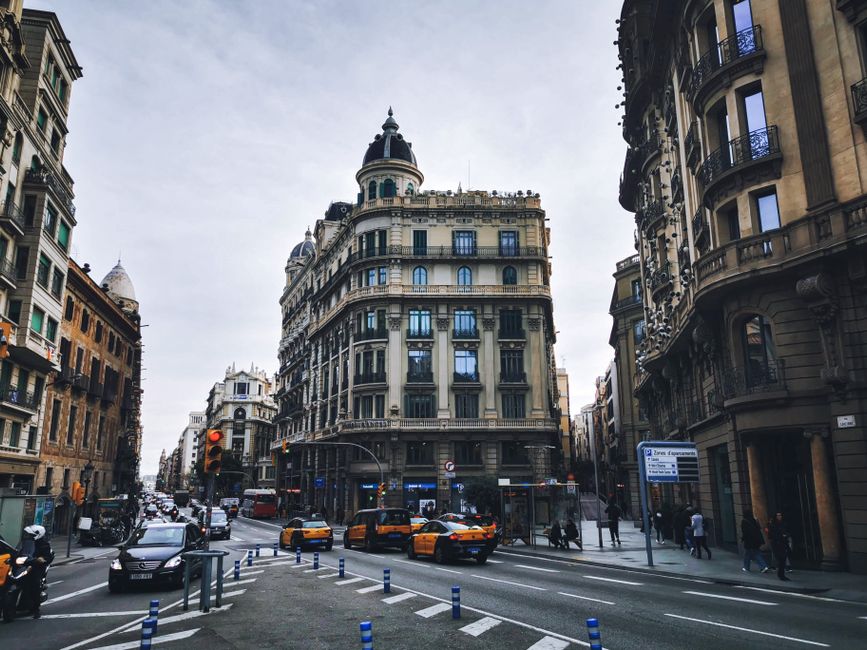
In particular, Eixample is fantastic if Sagrada Família is on your must-do list—you can reach it with either a comfortable walk or a quick metro hop depending on where your hotel is.
Walkability that doesn’t exhaust you
Your day trips won’t all be “long walk, long recovery.” Instead, expect:
- Lots of short-to-medium walking loops (aim for 20–45 minutes)
- Easy access to a big central park vibe—Parc de la Ciutadella is a great reset day if you’re doing museums and long dinners
What to book here (and what to avoid)
This is a “choose your comfort” zone.
- Best stay types: modern hotels, midrange chains, apartment-style rentals if you want a kitchen
- Good for: couples, first-timers who don’t want to research transit every day
- Potential downside: some streets feel busy and “city-crowded” rather than cute and old-school
My practical takeaway: If you’re the type who wants to get moving quickly without losing your whole day to navigating, Eixample/Sant Antoni is your safest bet.
Transit vibe from here (rough ranges):
- To nightlife clusters downtown: 10–25 minutes by metro/bus
- To the beach side: 20–35 minutes by metro/bus (depending on traffic and where exactly you start)
- To the biggest sightseeing anchors: often 10–25 minutes for many of the classic stops
The Classic Core for Wandering + Night Out: El Born + Barri Gòtic (and a bit of Raval)
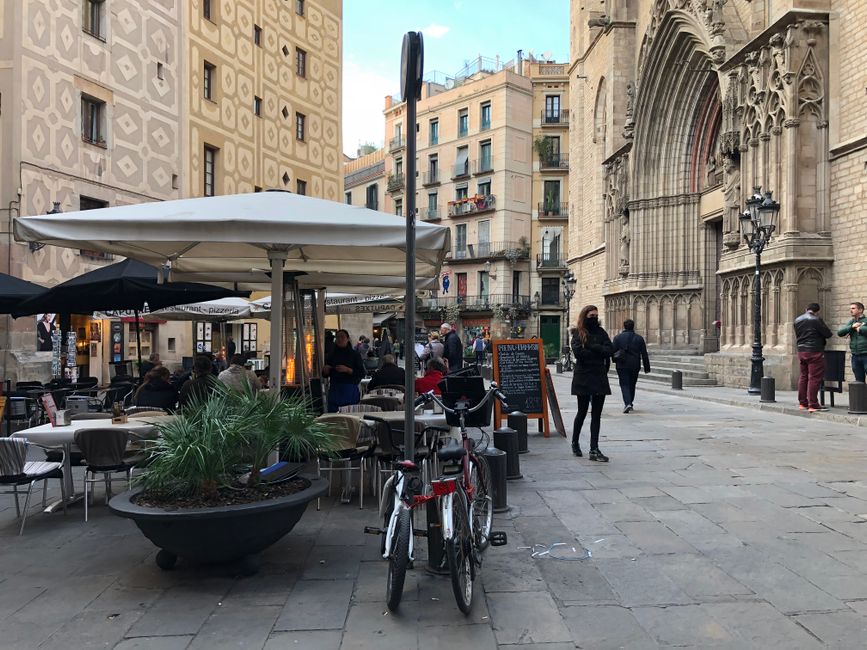
This is also an easy area if La Boqueria Market is high on your list—many first-timers want to do it in the morning, then stroll from there.
Barri Gòtic: the postcard feeling (with louder evenings)
Barri Gòtic is iconic. You’ll love it if you want:
- Maximum atmosphere
- Close access to the “wander and discover” kind of sightseeing
But let’s be honest—this is the area where “walkability” and “noise” can overlap.
- Expect more foot traffic late at night
- Choose quieter side streets if you’re sensitive to sound
Raval: edgy, lively, and more mix-and-match
Raval is for travelers who don’t mind a neighborhood that feels more “real city” than curated. You’ll often find:
- A broader mix of food styles
- Great bars, with less of the “only tourists” vibe
Trade-offs:
- It can feel more chaotic than El Born on certain nights
- Some blocks are better than others, so location within the area matters
My practical takeaway: If nightlife + walking are your top priorities (and you’re okay with a busier vibe), stay in/near El Born first, then consider Barri Gòtic or Raval if you find better value.
Transit vibe from here (rough ranges):
- To the beach side: 20–35 minutes depending on your exact starting point and whether you’re combining walking + metro
- To the “big-park” sightseeing day: often 25–40 minutes total
Beach Meets Neighborhood Vibes: Barceloneta + Poblenou / Vila Olímpica

The cost? This is one of the most high-energy areas in the city.
- Busy streets (especially summer)
- More noise at night in many spots
- Prices can jump because everyone wants the same thing
Where it works best: short stays, beach-first trips, and people who want that “I’m steps from the sea” feeling.
Poblenou / Vila Olímpica: a more relaxed approach to beach days
If you want “beach access” but with a calmer vibe than the busiest strips, look east toward Poblenou and nearby areas. You’ll find beaches like:
- Bogatell Beach for a slightly more spacious, local feel
- Nova Icaria Beach for a beach day that feels less chaotic than the central strip
This side of town often suits travelers who:
- Prefer a neighborhood you can stroll in during the day
- Like the idea of going out, but not necessarily every night
Transit vibe from here (rough ranges):
- To classic downtown walking zones: 20–35 minutes by metro
- Back to the beach: basically “walkable” (that’s the point)
Mar Bella area: the “farther but worth it” option
For a more laid-back beach mood, consider the direction of Mar Bella Beach. It’s not the “closest to everything” choice, but it can be great when you want:
- Less of the tourist crush
- A slower day that feels more beachy and less “city-happening”
Where it works best: if your trip has beach days as real chapters—not just one afternoon.
My practical takeaway:
- Choose Barceloneta if you want maximum convenience and don’t mind crowds
- Choose Poblenou / Vila Olímpica if you want a nicer balance between beach and livable neighborhoods
- Choose the Mar Bella direction if you value a calmer beach day over staying central
Green, Local, and View-Heavy: Gràcia + the Montjuïc Side
Gràcia: walkable charm and a calmer feel at night
If your idea of nightlife is more “good bars and a lively square” than “club till 3am,” Gràcia is a strong contender.
What you’ll notice:
- Boutique hotels and apartment-style stays are common
- Neighborhood streets feel more human-scale
- It’s great for day-to-day wandering without feeling like you’re always in a tourist corridor
It also works well for couples and groups who want something slightly quieter but still fun.
Montjuïc side: best for views and an occasional “big day” plan
The Montjuïc area (especially if you stay closer to the viewpoints) is for travelers who want scenery and a different kind of Barcelona.
- Expect hills and stairs in places
- Plan your day so you’re not relying on walking everything
If Park Güell is a key goal for your trip, this whole side of the city can fit nicely into a longer day route (though your exact transit time will depend heavily on where your accommodation sits).
Also, Montjuïc itself is your “book a longer afternoon” zone—think views, relaxed sightseeing energy, and that fresh-city-above-the-city feeling.
What to book here (so you’re not regretting your view)
Montjuïc and hillside areas are gorgeous, but you’ll want to be picky:
- Best stay types: apartment rentals with good reviews for quiet + access, or hotels that clearly mention transport convenience
- Choose carefully if you hate stairs or walking uphill after dinner
- Good for: couples, photographers, travelers who want a calmer base
Transit vibe from here (rough ranges):
- To downtown walking zones: 20–40 minutes total depending on your exact starting point and time of day
- To the beach side: often 30–50 minutes total
My practical takeaway: Choose Gràcia for a neighborhood vibe that still feels walkable. Choose Montjuïc if views and a slower rhythm are part of your travel fantasy.
Quick Picks by Priority (My “Just Tell Me” Ranking)
Here’s the short version, ranked by what most people say they want.
If beach convenience is #1
- Barceloneta (fastest access to the main sand, busiest streets)
- Poblenou / Vila Olímpica (beach access with a calmer base)
- Mar Bella direction (best when you want quieter beach time over central convenience)
If nightlife is #1
- El Born (atmospheric + easy going out)
- Barri Gòtic (maximum energy, sometimes loud)
- Raval (select streets) (edgy, lively, lots of dining variety)
If walkability is #1
- Eixample + Sant Antoni (best balance of comfort + strolling)
- El Born / Barri Gòtic (incredible for wandering; noise can be a factor)
- Gràcia (walkable without the constant tourist surge)
The booking mindset that helps
If you’re comparing options, I’d do it like this:
- Pick your neighborhood first, not the hotel star rating
- Then filter for what matters to you: quiet room, good reviews on soundproofing, easy metro access, or walkable to the vibe
- If you want a practical starting point for availability and filters, I usually cross-check on Booking.com for flexible options
Final thoughts
If you’re a first-time visitor, you don’t need the “perfect” neighborhood—you need the neighborhood that matches your trip style.
- Want beach-first days? Head east or pick Barceloneta.
- Want late nights + wandering? Choose El Born and be smart about quieter streets.
- Want easy walking without stress? Base yourself in Eixample/Sant Antoni.
Tell me what month you’re going and whether you’re more “early dinner + cocktails” or “late night out,” and I’ll help you narrow it to 2–3 best areas.