If you still want Europe to feel like an adventure, you’re in the right place. I’ve picked 10 train journeys for big scenery, comfortable rides, and practical booking tips so you can plan smarter.
You’ll notice I’m not chasing “marketing names” here. Some of these routes do have branded panoramic services, but what really matters is the route’s geography, the window views, and whether you can actually book seats in a way that feels effortless.
Alpine drama, valley views, and high-pass vibes
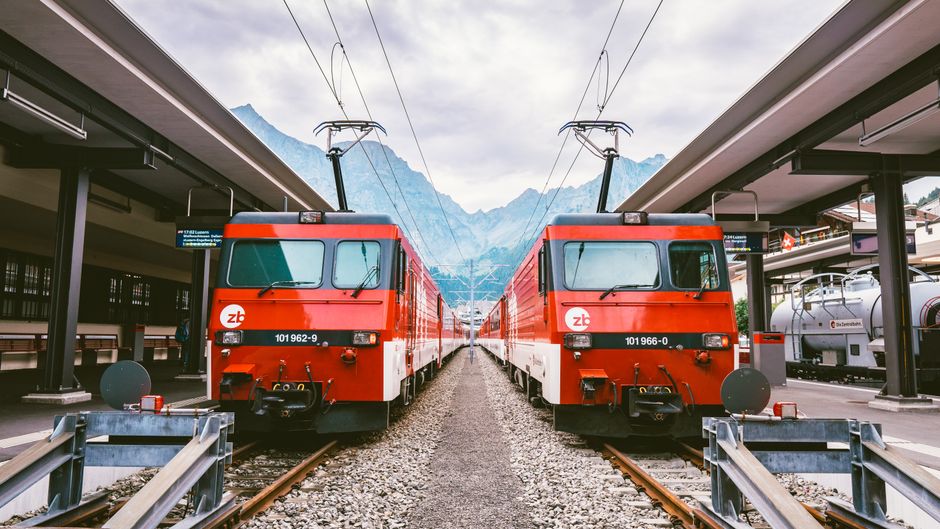
Glacier Express: Zermatt to St. Moritz (or Chur)
If you want Switzerland to look like a postcard you can ride through, this is it. The big wow comes from wide mountain valleys, viaducts, and that slow “how is this real?” glide.
What makes it adventurous (in a good way):
- Long, scenic stretches where you don’t feel rushed
- Big, open views more often than tight city-to-city hopping
- A classic “stand-up-and-watch” vibe at stops and crossings
Where to book + how to book (so you don’t end up stuck):
- Look for trains that let you reserve seats (so you can choose a window)
- Book ahead in peak season (summer weekends and school holidays get busy)
- If you’re traveling with a flexible itinerary, try for daylight departures to catch the mountains
Seat tip (small thing, huge difference):
- Aim for a window seat and pick the side that faces your main view direction once you’ve checked the route direction on the day
- If there are panoramic-coach options available, reserve those seats early rather than hoping at the station
Best for: first-time Swiss rail trips, anyone who loves mountain infrastructure (the viaducts are genuinely impressive).
Bernina Express: Chur to Tirano (and onward toward St. Moritz)
This is the route that makes people go quiet—because the landscape changes from alpine meadows to dramatic slopes in a way that feels almost cinematic.
Why it still feels like an adventure:
- You’re crossing a high route that keeps shifting the scenery
- The journey mixes “big mountain drama” with charming valley moments
- It’s long enough to feel like a day out, not just transportation
Practical booking tips:
- Reserve your seat if you can (especially in busy periods)
- Plan around weather—if the day looks clear when you start, you’ll likely end up with better views
- If you’re not married to the full-branded experience, you can still ride the same corridor on other services and just prioritize daytime windows
Comfort notes (trade-off you should know):
- The iconic experience can be popular, so don’t assume you’ll walk up and “just get the perfect seat”
Best for: mountain lovers who want a “route with a story,” not just pretty scenery.
Gotthard line day route: Lucerne/Zurich to Milan via the Alps
This one is for travelers who like adventure and dislike being stuck in a rigid itinerary. You can ride the historic Gotthard rail corridor with a comfortable, modern setup, and the scenery is the main character.
What you’ll see:
- A gradual shift from lakeside/urban edges into steep alpine terrain
- Plenty of view opportunities when you’re traveling in daylight
- The sense of “transit becoming a journey”
How to make it feel adventurous (without overplanning):
- Pick a daytime departure so you’re not doing most of the scenic part in the dark
- Choose a train that has enough time at key sections—if it’s too fast/too tight, you lose the chance to really watch
- Keep expectations flexible: weather can soften contrast, but it rarely ruins the overall experience
Booking approach that usually works:
- Check a timetable first, then decide your train based on seat reservation availability and direction
- If seat reservations are an option, grab them early for the window
Best for: your “real travel” days when you want to connect countries while still feeling like you went sightseeing.
Fjords and Northern Norway: rail meets wild weather (in the best way)
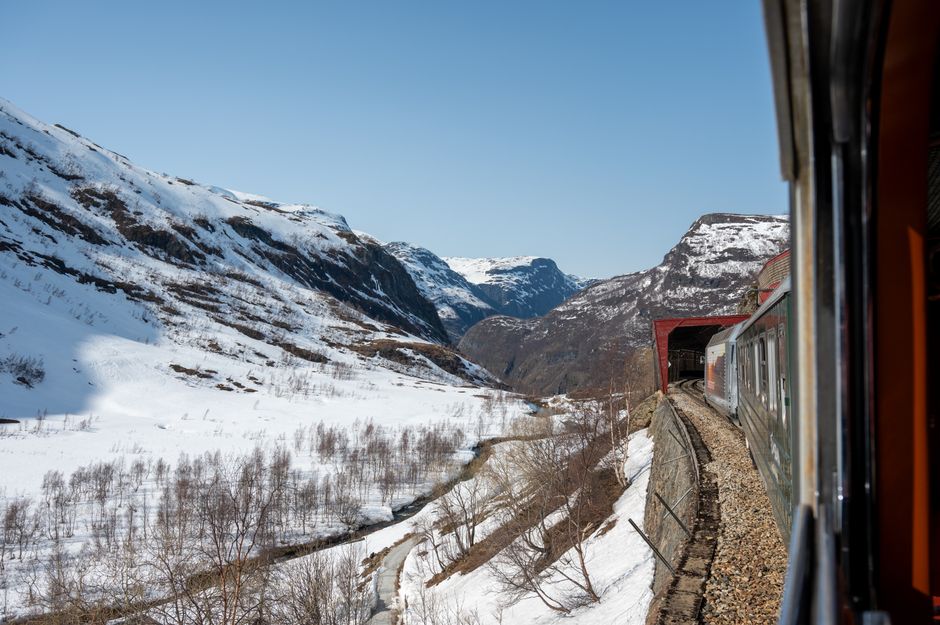
Bergen Line: Oslo to Bergen
This is one of those journeys that feels like you’re constantly topping up your “wow” meter. Fjord edges, mountains, and river valleys keep pulling you back to the window.
Adventure factor:
- Lots of landscape variety—city start, mountain middle, water moments throughout
- It’s long enough that you settle in and enjoy the ride
Booking tips that save money and hassle:
- If you have a preferred side for views, check the route direction and book accordingly
- Book early if you’re traveling in high season; late bookings can mean you get random seats
- Consider reserving a seat even if the train usually looks “easy” on paper— reservations make the day smoother
Comfort tip:
- Bring a light layer. Even in summer, train air can feel colder than you expect when you’re watching mountains go by.
Best for: first-time Norway train travelers and anyone who likes long scenic days.
Rauma Line: Dombås to Åndalsnes (Romsdalen scenery)
If Bergen Line is your “big Norway overview,” the Rauma Line is the focused, valley-heavy adventure. The Romsdalen area is a standout—more dramatic and intimate than you’d expect.
Why it feels special:
- The valley shape funnels the views in a way that makes the scenery feel close
- It’s a great pick if you want something scenic without committing to an overnight marathon
What to do when booking:
- Prioritize daylight departures
- If you’re stitching together a longer Norway plan, build in enough buffer to avoid tight connections
Trade-off to accept:
- Some rail days can be less “everywhere-famous” and more “choose-your-exact-train carefully.” That’s not bad—just plan with a timetable mindset.
Best for: scenery chasers who like rail days that feel like a mini road trip—but without the driving.
Nordland Line: Bodø to Trondheim (or shorter slices)
This is the big one for people who want northern rail romance—depending on season, you’re chasing fjords, coastlines, and that “how far north is this?” feeling.
Adventure factor:
- The sheer scale of distance makes it feel like a real journey, not a sightseeing hop
- Coastal and inland landscapes shift enough that you never feel bored
Booking tips (especially if you’re not going end-to-end):
- If you can’t commit to the full route, do a shorter segment in daylight and save the rest for another trip
- In peak times, seat availability can matter—book early when you can
- Watch for weather and plan for variability (clear views can look unreal; fog can still be dramatic)
Comfort vs adventure trade-off:
- Long routes often mean you’ll do a bit more “settle in and live on the train.” That’s part of the charm—just prep for it.
Best for: northern Europe travelers who want an epic rail story.
The UK: highland winds, overnight comfort, and classic scenic lines
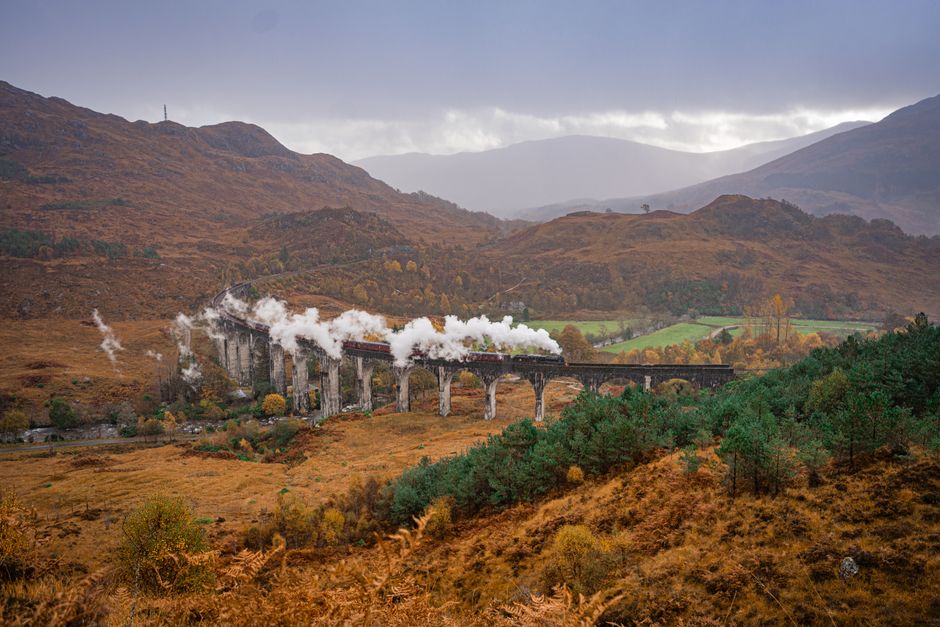
West Highland Line: Glasgow to Mallaig
This is the rail journey that feels like a proper adventure—especially if you’re chasing rugged landscapes rather than urban sightseeing.
Why it’s so memorable:
- The route cuts through dramatic countryside that changes quickly
- It’s the kind of journey where you’ll find yourself gripping your phone/coffee (and then putting it away to just watch)
Booking + seat strategy:
- Book window seats—you don’t want to watch scenery from the middle aisle
- Choose a time when you’ll get the most daylight in the wild sections
- If the train is busy, reservations reduce the stress massively
Trade-off:
- Depending on the day and season, weather can be moody. That’s not a dealbreaker, but pack accordingly.
Best for: landscapes, movie-moment vibes, and anyone who loves the romance of rail travel.
Caledonian Sleeper: London to Edinburgh/Glasgow
For an “adventure” that feels practical, a sleeper train is hard to beat. You trade a normal travel day for a night that’s basically part transport, part experience.
What makes it adventurous:
- You wake up in a different city (and often in a different mood)
- The overnight rhythm means you’re not “losing” a day to transit
How to book without regret:
- If you want a more private, comfortable experience, book the accommodation type you can actually live with—sleepers vary a lot in room style
- Reserve early for the best options in peak periods
- Build your itinerary around arrival time, not just departure
Comfort note:
- Sleek luxury isn’t the point here. The point is convenience + atmosphere. If you’re someone who hates any disruption to sleep, you might prefer a daytime train.
Best for: saving time, avoiding a full travel day, and doing Scotland/UK without constant hotel moves.
Rivers, passes, and “Europe you can feel” connections
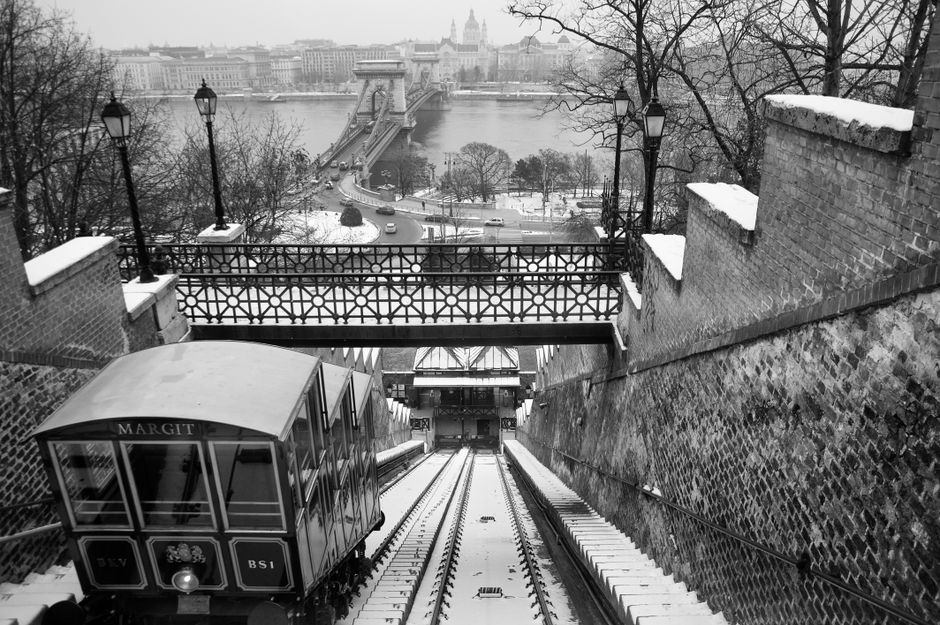
The Danube by rail: Vienna to Budapest
This route feels like watching history drift past. It’s not always “wilderness,” but it’s absolutely “adventure” if you define adventure as moving through cultures while the scenery tells a story.
Why it works:
- The Danube corridor is constantly present—water, towns, bridges, and river life
- You get an easy pace: you travel, you watch, you snack, you rest
Practical booking tips:
- Prioritize daytime travel for the best scenery payoff
- If your operator offers seat reservations, get a window seat where possible
- In busy travel periods, booking early helps avoid awkward seating situations
Trade-off to be aware of:
- This is more “relaxed adventure” than “thrill ride through mountain chaos.” If you want pure wild landscapes, you’ll prefer the Norway/Alps picks.
Best for: a romantic-feeling route that still has practical, comfortable rail logic.
Brenner Pass route: Venice to Munich (and back)
If you want the drama of the Alps without having to commit to a very specific branded panoramic plan, this corridor is a strong choice. The Brenner area brings mountain scenery that feels bigger than you expect.
Adventure factor:
- The alpine pass feeling—tight valleys, steep slopes, and a sense of crossing a threshold
- You’re connecting iconic cities while still getting a “rail journey moment”
Booking tips that make it smoother:
- Choose daytime if you can; alpine scenery looks far better in daylight
- Check seat reservation options and lock in a window seat
- If you’re sensitive to motion, consider your comfort needs early—some train setups handle curves differently
Comfort trade-off:
- Depending on the exact service you pick, amenities vary. Don’t assume every train on this corridor feels identical—check the train type before you pay.
Best for: city-hopping travelers who still want a genuinely scenic middle of the trip.
Final thoughts: how to pick your “adventure rail day”
A quick checklist before you buy
When you’re picking the next route, I use this filter:
- Daylight opportunity: Can you see the scenery when it matters?
- Seat control: Is a seat reservation available, and can you get a window?
- Route variety: Does it actually change enough to feel like a journey?
- Comfort fit: Do you want quiet and cozy, or do you want “lively adventure” with more stops?
My best tip for booking like a traveler (not a gambler)
Here’s the thing: the best views are rarely about “luck.” They’re about timing and reservations.
- Book early in peak season (especially for popular scenic corridors)
- Decide your priorities first: scenery, comfort, convenience—then choose the train that supports that
- If your plan includes multiple segments, protect yourself with buffer time so you’re not sprinting for connections
You don’t need to chase the most hyped train name. Pick the route that matches your idea of adventure—and then book the seat so the window is actually yours.