Hey fellow travelers—some places take forever to reach, and that effort is part of the magic. Here are 10 remote spots that are absolutely worth it, plus a straight-talking look at how hard they can be to get to.
Arctic worlds that make the map feel small
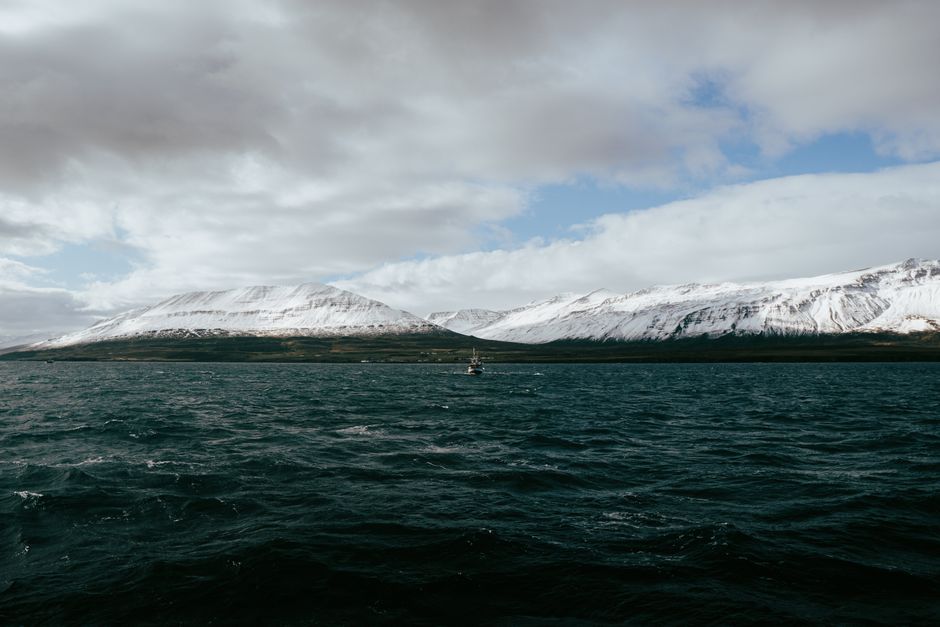
Svalbard (Norway) — Longyearbyen + Arctic fjords
Svalbard is one of those trips where the journey itself feels like you’re crossing into a different planet. Even if you’re not an “extreme” traveller, the experience is surprisingly accessible once you’re there—tours, safaris, and viewpoints abound.
What you’re going for
- Polar-bear country (yes, you’ll hear the safety briefing).
- Big, stark landscapes—glaciers, tundra, and long coastal lines.
- Wildlife spotting that’s often more about timing than luck.
How hard the journey is
- It’s a long haul from most places, and flight connections can be fiddly.
- Weather matters. Plans can shift, especially outside peak season.
- You’ll typically need to take a “slow and layered” approach to clothing and movement.
Trade-offs I’d tell you up front
- It’s not a “book a cheap last-minute weekend” kind of destination.
- Expect a higher-than-average daily cost (tours, guides, and basic logistics).
- The season window is real—go at the wrong time and you’ll get cold, dark, and limited daylight.
Best way to do it (practically)
- Base yourself around Longyearbyen and do day trips.
- If you want to see wildlife, pre-book the type of tour you care about (fjord cruise vs. land safari).
Greenland (Ilulissat) — Icefjord vibes that stick with you
Greenland has the kind of remoteness that makes your brain recalibrate. Ilulissat in particular is a great “first Greenland” option because you can see the icefjord grandeur without needing an expedition-grade plan.
What you’re going for
- Icebergs in your line of sight, often right from town or a short boat ride.
- Clean, dramatic light that makes everything look like a postcard.
- A sense of place that feels deeply Arctic rather than “theme-park Arctic.”
How hard the journey is
- You’ll usually fly via a hub and then connect again.
- Schedules are limited compared to bigger destinations.
- Weather can tighten the day—think “flexible itinerary,” not “hard timetable.”
Trade-offs I’d tell you up front
- You’re trading convenience for atmosphere. If you hate waiting around for weather windows, it might test you.
- Prices aren’t backpacker-friendly across the board—tours and transport can add up.
Best way to do it (practically)
- Plan a few days around boat-based fjord time.
- Use your base well: short excursions beat “all-day hero plans.”
Long-haul islands where the effort feels earned
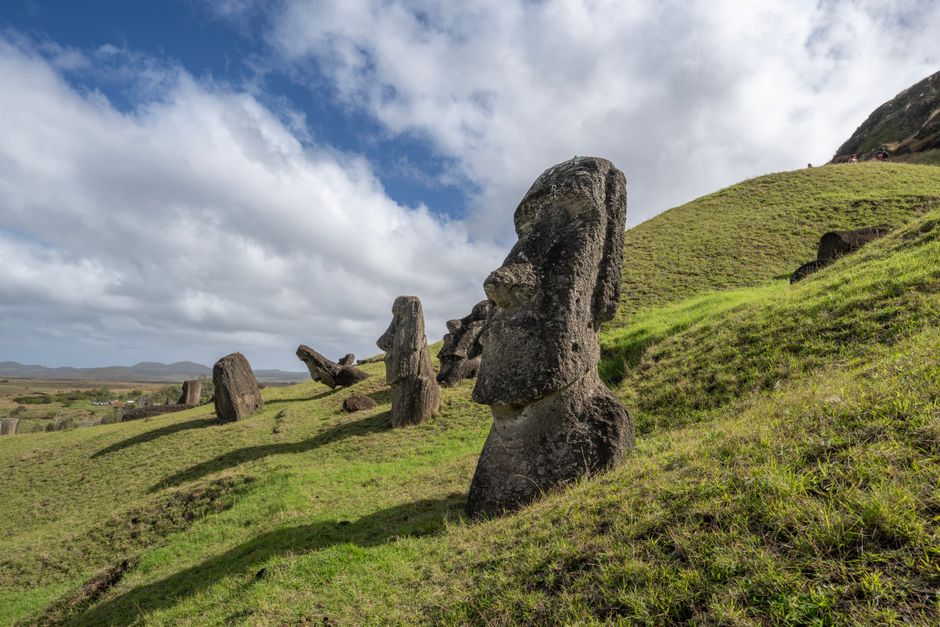
Easter Island (Rapa Nui, Chile) — Moai at the edge of the map
Reaching Easter Island is a commitment: long flights, time zones, and a day or two lost to travel. But once you’re there, the island’s scale and silence do something to you—in a good way.
What you’re going for
- The moai—especially when the light hits and you realise how remote these statues were meant to feel.
- Volcanic landscapes, coastlines, and long roads that make it feel like you’re “crossing” the island.
How hard the journey is
- It’s not hard in the “danger” sense—it’s hard in the “how long is this flight?” sense.
- Once you’re there, transport is more limited than on mainland Chile.
- Many experiences are best with a guided approach (cultural context matters here).
Trade-offs I’d tell you up front
- Expect to spend more on getting around than you would on a big-hub island.
- The island can feel crowded in peak times—if you like solitude, aim for shoulder season.
Best way to do it (practically)
- Don’t rush. Give yourself time to see different areas on separate days.
- If you’re touring, combine “big sites” with quieter coastal stretches.
St Kilda (Scotland) — The final-outpost feeling
St Kilda is the kind of place you reach when you actually want to feel remote. It’s remote enough that weather and ferry timing can become part of the story (and your stress levels).
What you’re going for
- Brutally beautiful cliffs and seabird colonies.
- A sense of history you can feel in the air.
- Trails that don’t feel “managed”—they feel wild.
How hard the journey is
- You’re travelling to the outer Hebrides first, then it’s another step to the islands.
- Day trips depend on seasonal ferry schedules.
- Wind and sea state can affect what’s possible.
Trade-offs I’d tell you up front
- This isn’t a “hop off and wander whenever” destination.
- It’s physically demanding in places—cliffs, uneven ground, and lots of steps.
Best way to do it (practically)
- Build in buffer time so you’re not gambling on a single ferry day.
- Dress for heavy wind even when the forecast looks okay.
Remote, slow travel by sea and outback road
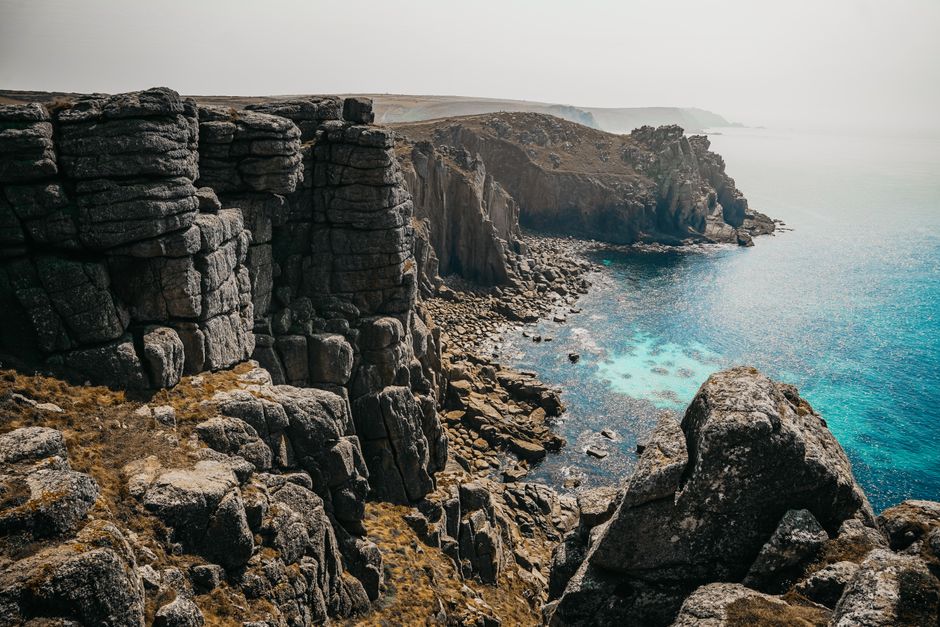
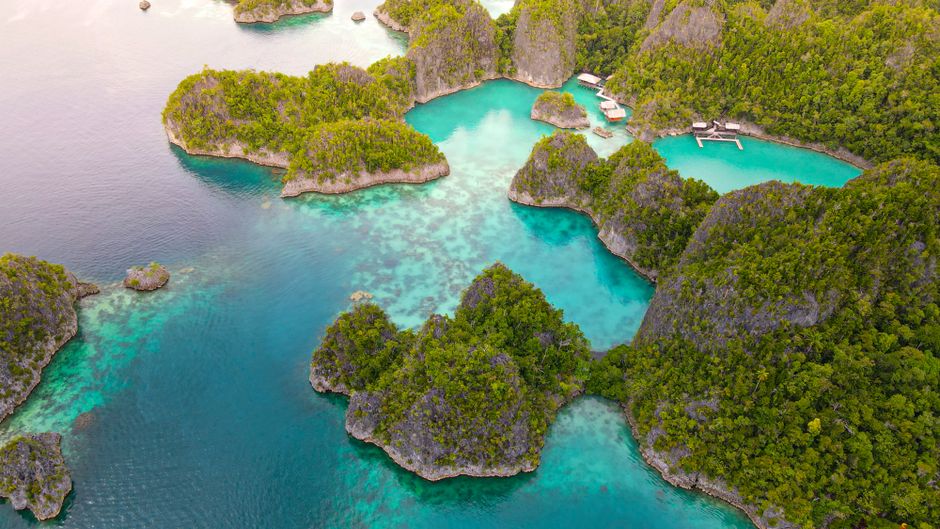
Raja Ampat (Indonesia) — Diving where the boat ride is part of the show
Raja Ampat is remote in the “you’re going to earn every moment” way. The good news? Once you’re there, the underwater world makes the travel feel like the opening act.
What you’re going for
- Coral-rich diving and snorkelling (the kind of underwater variety people rave about).
- Islands that look small on a map, but enormous once you’re moving between them.
How hard the journey is
- You’ll likely travel by multiple legs (and sometimes by chartered boat or local transfers).
- Schedules can be less predictable than big tourist regions.
- You’ll want to match the trip style to your comfort level—liveaboard vs. island base.
Trade-offs I’d tell you up front
- It’s not cheap—remoteness drives cost.
- It’s not ideal if you want constant “on-demand activities.”
- Rain and sea conditions can shift the plan.
Best way to do it (practically)
- Choose a package that fits your pace: a liveaboard can reduce day-to-day transport hassle.
- If you’re not a confident diver, confirm what’s included before you commit.
The Kimberley (Western Australia) — Big skies, big distances
If you want remoteness without needing a passport full of visas, the Kimberley is a great option. Still, don’t underestimate the distances. This is “road trip,” but also “you’ll be driving longer than you think.”
What you’re going for
- Rugged gorges, dramatic coastlines, and vast inland views.
- Waterfalls and rock formations that feel like they belong on another continent.
How hard the journey is
- From most places, you’ll do a long flight to the region, then your time is spent on further travel.
- Services can be limited once you’re outside towns.
- Some roads and attractions depend on conditions.
Trade-offs I’d tell you up front
- This isn’t always “comfortable sightseeing.” Think: heat, long drives, and early starts.
- If you need everything to be fully scheduled, you may find it less structured than you expect.
Best way to do it (practically)
- Base yourself with a rough route and keep expectations flexible.
- Plan at least a couple of “rest and regroup” days—because the distances add up.
Patagonia and other “go big or go home” landscapes
Torres del Paine (Chile) — The trek that makes time disappear
Torres del Paine is one of those places where the journey is only the first part. Once you get there, the effort continues—on foot, in the wind, and with long days.
What you’re going for
- Iconic peaks and dramatic valleys.
- A “walk into it” feeling: you spend days surrounded by wilderness instead of landmarks.
How hard the journey is
- Getting there takes time (long flights + connections, depending on where you’re starting).
- The park and trail conditions change with weather.
- If you’re trekking, you need to be honest about fitness and gear comfort.
Trade-offs I’d tell you up front
- It can be busy on popular routes in peak season—book lodging early and expect crowds on the “headline” segments.
- If you don’t like the logistics of hiking, you can still visit, but you’ll want a guided plan for the best experience.
Best way to do it (practically)
- Don’t chase the “perfect” itinerary. Pick a trail that matches your stamina.
- Bring a buffer day if your plan depends on weather.
Mongolia’s Altai (near Ölgii) — Where the roads feel optional and the sky wins
Mongolia’s Altai region is remote in the best way: vast, quiet, and full of landscapes that look like they belong in an old explorer journal.
What you’re going for
- Mountain scenery that’s genuinely otherworldly.
- Nomad culture (with respectful, locally led approaches).
- Wide, open days with a feeling of scale.
How hard the journey is
- Travel can be long and sometimes bumpy once you’re off main routes.
- You’ll often deal with fewer direct options and more “go with the flow” scheduling.
- Temperatures swing—so even when you’re not “doing” much, you’re adjusting constantly.
Trade-offs I’d tell you up front
- If you need predictable comfort and constant amenities, this may frustrate you.
- Guides and local transport are often the key to actually reaching the places you came for.
Best way to do it (practically)
- Treat this as a nature + people trip, not a checklist.
- Plan for uneven pacing: big scenery days, slower admin days.
Volcano edges and Siberian-scale calm
Kamchatka Peninsula (Russia) — Volcanoes, rugged coasts, and serious distance
Kamchatka is the kind of place where “remote” isn’t marketing—it’s geography plus logistics. It’s also a place where experiences can be unforgettable precisely because they’re not easy.
What you’re going for
- Volcano landscapes that feel almost surreal.
- Hot springs, geothermal areas, and dramatic coastlines.
How hard the journey is
- Getting there often involves long flights and limited schedules.
- Local transport can be tough to plan tightly; weather and regional timing matter.
- You’ll need to be prepared for more “administrative friction” than mainstream destinations.
Trade-offs I’d tell you up front
- This isn’t a casual weekend idea.
- It’s not the destination if you dislike uncertainty—plans can change with conditions.
Best way to do it (practically)
- Go with a local plan for excursions (and be flexible on exact timing).
- Focus on fewer days with more meaning rather than rushing to tick every box.
Lake Baikal + Olkhon Island (Russia) — The world’s deepest lake energy
Baikal has a clarity to it that’s hard to describe until you’re there. Olkhon Island adds that extra layer of remoteness—fewer crowds, more space, and a strong “you are far away” feeling.
What you’re going for
- The sheer scale of Baikal and the way the shoreline changes character.
- Trails, viewpoints, and quiet moments away from major towns.
How hard the journey is
- Travel into the region can be long and connection-heavy depending on where you’re starting.
- Once you’re there, getting around can be slower than expected.
Trade-offs I’d tell you up front
- It’s a nature-first destination. If you need nightlife and constant dining options, you’ll find it limiting.
- Winter conditions can be extreme—if you go in colder months, you need to be ready for weather reality.
Best way to do it (practically)
- Plan your time on the lake like you would plan time in a remote wilderness: fewer “big plans,” more time to breathe.
Final thoughts: make the effort on purpose
Don’t romanticise difficulty—schedule for it
I’m not saying you should suffer for travel. I’m saying you should plan like the effort is real.
A few practical mindset checks:
- Build buffer time (weather delays aren’t “bad luck,” they’re part of remote travel).
- Choose one main experience per place (don’t treat remote spots like shopping malls).
- Accept limited last-minute changes—in remote areas, improvising can get expensive fast.
When remote destinations feel “worth it”
Remote places hit differently when you match the trip to your expectations.
If you’re the kind of traveller who loves:
- long days outside,
- conversations with locals,
- landscapes that dwarf your plans,
- and knowing your comfort is a trade-off…
…then these destinations tend to deliver in a big way.
And if you’re travelling with someone who hates uncertainty, that’s okay too—just pick one “remote stretch” and cushion it with easier days nearby.
If you want, tell me where you’re travelling from and what “hard” means to you (long flight vs rough transport vs fitness). I’ll suggest a shorter list of these 10 that actually fits your style.