Hey there travelers—if you’ve ever stared at crystal-blue water and wondered where you can actually snorkel without a rocky mission, I’ve got you.
I’ll show you the best beaches in Greece for snorkeling with clear water and easy entry, and I’ll tell you when it’s worth using a guided boat/snorkel tour.
Quick vibe check: Greece has tons of “pretty water” beaches that look amazing but don’t always deliver underwater visibility. I’m focusing on places that are commonly praised for clarity and where you’re not wrestling with a cliff to get in.
How to pick a snorkeling beach in Greece (so you’re not guessing)
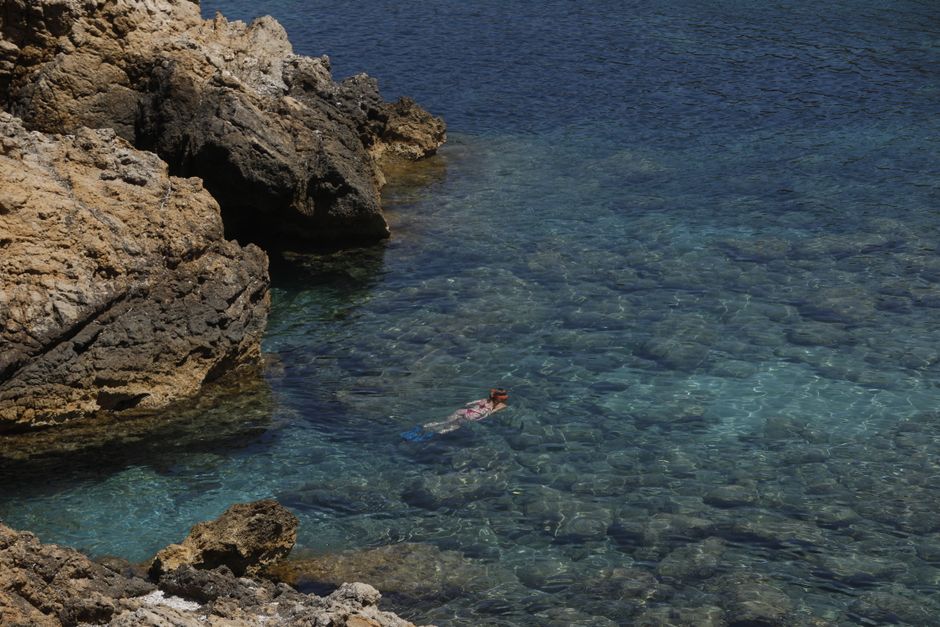
You can absolutely have a great snorkel day in Greece with the right choice of beach. But “best” really depends on how you enter the water and what the bottom looks like.
Look for calm water + an easy slip-in
These are the beaches that tend to deliver the “wow, I can see everything” feeling:
- Protected coves / lagoons: lower waves usually mean calmer water and better visibility.
- Shallow sandy zones at the shore: you can get started without fighting turbulence.
- Gentle beach gradients: even if it’s not perfectly sandy, a gradual entry helps you avoid the “slam into rocks” moment.
Trade-off to expect: some of the most beautiful snorkel spots are protected in ways that also make them popular—so arrive early if you want a clear view.
Prioritize places with visibility-friendly conditions
For clarity, you’re hunting for:
- Sandy or light seabeds near the entry (dark rocky bottoms can make the water look murkier in some spots).
- Natural “filters” like sheltered bays and coves where water doesn’t get stirred up.
- Less boat traffic right at the swimming area (yes, even boats can stir things up).
Plan around what the sea is doing that day
Greece’s islands can change fast. If you can, watch conditions before you commit:
- If the water looks milky/greenish near your chosen beach, it may just be wind and plankton stirred up.
- If other snorkelers are clustered deeper rather than right at the shore, it can mean shore visibility is limited.
- If there’s strong wave action, clarity usually drops—move to a more sheltered cove or consider a boat tour.
Best beaches in Greece for snorkeling with clear water
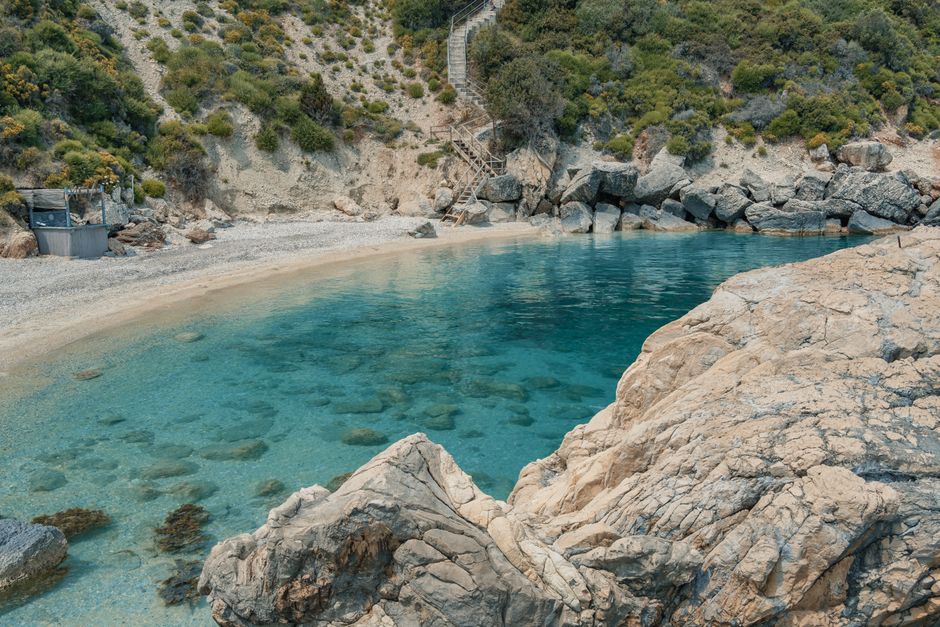
Below are the 12 best-known snorkeling beach picks—chosen for their clear, swimmable water (often turquoise) and entry that’s practical. Still, every location has its quirks, so I’ll flag what to watch for.
Crete: lagoons, long beaches, and serious “blue”
Crete is a snorkeler’s heavyweight. The water can be outrageously clear, especially in sheltered areas.
-
Elafonissi (Crete)
- Why snorkelers like it: famous for turquoise shallows near the shore.
- Entry reality: you’ll often be able to start near the edge; conditions vary—when it’s calm, it’s magic.
- What to expect: lots of shallow swimming; ideal if you want an easy “float and explore” rather than a deep dive.
- Trade-off: it can get busy; bring an early-morning plan.
-
Falassarna (Crete)
- Why snorkelers like it: a long, beachy area with water that can look bright and clear.
- Entry reality: usually straightforward—sand and easy wading.
- What to expect: good “shore snorkel” territory; great for seeing what’s right under the surface without committing to a big swim.
- Trade-off: in busier times, you’ll share the water with swimmers and day visitors.
-
Balos Lagoon (Crete)
- Why snorkelers like it: the lagoon can have incredible color and shallow areas where you can see clearly.
- Entry reality: you’re not typically dropping in like a pool—think wading/swimming from accessible edges.
- What to expect: more of a “window into shallow water” snorkel experience than a reef crawl.
- Trade-off: the journey to the lagoon takes effort, and conditions can vary.
Rhodes: easy access bays and “look-how-clear” water
Rhodes has a bunch of spots where you can snorkel without needing special skills or a big boat day.
-
St Paul’s Bay (Lindos, Rhodes)
- Why snorkelers like it: clear water and a classic “get in and look around” bay setup.
- Entry reality: entry can work well directly from the swimming area, but you may need to watch for uneven footing depending on the section you use.
- What to expect: strong visibility on calmer days.
- Trade-off: can be crowded in peak season—arrive earlier than you think you need to.
-
Anthony Quinn Bay (Rhodes, near Faliraki)
- Why snorkelers like it: another area where water clarity is often praised.
- Entry reality: usually doable from the beach/swim zones, but expect rocky bits around some edges.
- What to expect: a more “snorkel and wander” vibe.
- Trade-off: it’s popular—plan for people and boats nearby.
The Cyclades (Milos + Naxos): dramatic coastlines, great visibility zones
These islands are visually wild, and you can find snorkel-friendly stretches—just be mindful of footing.
-
Sarakiniko (Milos)
- Why snorkelers like it: the area is known for striking sea-and-rock scenery, and on good days the water can be very clear.
- Entry reality: this one isn’t always “easy sand.” You may need water shoes and a bit of patience finding the smoothest entry.
- What to expect: stunning views and good exploration if you’re comfortable snorkeling around rocks.
- Trade-off: it can be wind-exposed—if waves are up, snorkeling comfort (and clarity) drops.
-
Agios Prokopios (Naxos)
- Why snorkelers like it: a well-known beach area with swimming conditions that can be great for a casual snorkel.
- Entry reality: typically easier to get into than the more cliffy/coastline-adventure spots.
- What to expect: a beginner-friendly place to test your gear and float around.
- Trade-off: visibility can depend on day conditions; still worth checking early.
Ionian Sea (Paxos + Corfu): sheltered coves with a calmer feel
If you’re sensitive to waves, these spots tend to feel more “snorkel-friendly” because the water can be more protected.
-
Voutoumi Beach (Antipaxos, near Paxos)
- Why snorkelers like it: the water is famously turquoise, and snorkelers flock for the clarity.
- Entry reality: expect boat-to-shore swimming more than “walk off the sand and go.”
- What to expect: great visibility when the water is calm.
- Trade-off: you’re often there via day-trip logistics, and the day can get busy.
-
Paleokastritsa (Corfu)
- Why snorkelers like it: it’s a cluster of coves where you can find swimming areas with clear water on good days.
- Entry reality: varies by which cove/spot you choose—some are easy beach entries, others are more step-down swims.
- What to expect: the “pick your cove” advantage: if one is rougher, you can shift.
- Trade-off: it can be busy; plus, different coves behave differently.
The mainland-side islands (Kefalonia + Lefkada + Zakynthos): breathtaking, sometimes boat-best
These spots can be incredible for snorkeling, but sometimes the “best underwater experience” happens when you go by boat.
-
Myrtos Beach (Kefalonia)
- Why snorkelers like it: when conditions are right, it’s known for clear, striking water.
- Entry reality: not always a perfectly gentle sandy slope—rocky edges can mean you’ll want water shoes.
- What to expect: strong color and good shore exploration in calmer windows.
- Trade-off: wind and wave energy can affect how easy the snorkel is.
-
Navagio (Shipwreck Cove, Zakynthos)
- Why snorkelers like it: the surrounding area is where snorkelers often go for clear water and dramatic scenery.
- Entry reality: this is typically boat/snorkel territory, not something you simply walk into.
- What to expect: a more “tour and swim” experience.
- Trade-off: because it’s so scenic, it’s also very popular—crowds and boat traffic are common.
-
Porto Katsiki (Lefkada)
- Why snorkelers like it: clear water is often part of the appeal around this dramatic coastline.
- Entry reality: not a simple “drop in anywhere” setup—expect steps down and rocky swims in spots.
- What to expect: you might snorkel around where it’s calmer and accessible.
- Trade-off: the cliffs and wind can make this one feel more challenging than the lagoon-style beaches.
When a guided boat/snorkel tour is worth it (and when it isn’t)
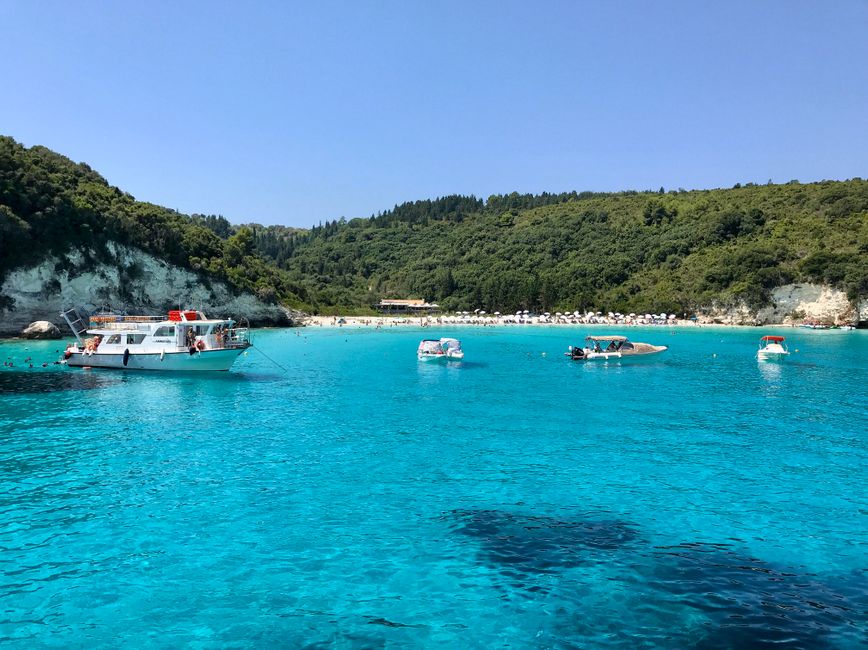
Here’s the real secret: Greece gives you two different snorkeling experiences—shore snorkeling (easy, flexible) and route snorkeling (better coverage, sometimes clearer spots).
Boat tours are worth it for “hard-to-reach clear water”
If your chosen beach is gorgeous but access is limited, a guided tour can save you time and reduce stress.
A boat tour tends to be worth it when:
- The snorkeling area is several bays away and visibility is best there.
- The coastline is rugged, so you’d otherwise burn energy climbing down and around.
- You want a quick way to hit multiple swim stops in one outing.
Shore snorkeling is better when you want freedom
Skip the tour when:
- You’re visiting somewhere calm where the best entry is literally right off the beach.
- You’ve got kids (or you) who prefer short, repeat swims rather than one longer venture.
- You’re happy to adjust based on what you see—if the water looks hazy, you can move.
A practical middle ground: book for the “route,” snorkel for the “spot”
If you’re torn, a sensible approach is:
- Do shore snorkeling on a nearby day where entry is easy.
- Use a guided boat day only when you’re targeting coves that are most likely to deliver visibility.
If you’re looking for a day-trip-style option, I’ve used Viator as a practical way to compare snorkeling/boat schedules when I want that extra bit of planning out of my head.
(And yes—always check what’s included and how long you actually get in the water.)
Snorkeling like a local: simple tricks that make a big difference

You’ll have a better snorkel day with a few “small habits” that travelers often skip.
Use the best time window, not just the best weather
Visibility often improves when:
- Morning feels calmer (fewer wind ripples usually helps clarity).
- You’ve given yourself time to arrive and settle before you jump in.
I’m not saying you can’t snorkel later in the day—just that you should be ready for the sea to get stirred up as the beach fills.
Do a quick shore check before you commit
Before you put your face in the water, take 30 seconds to scan:
- Are there people already in the water at a calm spot?
- Does the water look clearer near the edge than farther out?
- Is there a rocky breakwater or boat anchoring nearby that could stir things up?
Bring the “annoying but useful” items
Not glamorous, but they save your day:
- Water shoes if you’re anywhere rocky (Rhodes edges, Milos entry, Lefkada/Kefalonia can all have tricky footing).
- A small anti-fog/maintenance routine for your mask (a quick rinse and dry beats a frustrated snorkel).
- A thin rash guard or sunscreen that won’t wreck your skin (and you’ll actually want to stay in longer).
Respect the water and other swimmers
This is partly for marine life and partly for your own safety:
- Don’t chase fish or swim too close to boats.
- Keep an eye on where currents could pull you—especially if you’re snorkeling in coves with boat activity.
- If a spot feels rough, don’t “power through.” Move to a calmer entry zone.
Final thoughts
If you want the best snorkeling in Greece, don’t just chase the prettiest beach—chase the best entry and the most sheltered water.
My quick shortlist of “go-to” snorkel styles looks like this:
- Easiest shore snorkeling: Falassarna, Elafonissi, Agios Prokopios.
- Clear-water bays with practical access: St Paul’s Bay, Anthony Quinn Bay.
- Beautiful-but-pick-your-entry (rocks/wind): Sarakiniko, Myrtos, Porto Katsiki.
- When boat access really helps: Voutoumi, Navagio.
If you tell me which islands you’re visiting (and roughly what month), I’ll help you narrow these down into a simple day-by-day snorkeling plan that fits your comfort level.