Hey fellow travelers—if you’re visiting Kyoto for the first time, staying near the trains can turn “I hope we can get there” into “we’re there already.” Below, I’ll rank the best neighborhoods for public-transit access and tell you who should stay where.
The 7 best transit-friendly neighborhoods (ranked)

Kyoto’s layout is compact on a map, but the sights are spread out in real life. So instead of chasing “close to everything,” I’m ranking areas by how quickly you can reach multiple parts of the city using trains (plus the subway connections that make bus lines less necessary).
1) Kyoto Station area (JR + subway access)
If you want the least stressful base for a first trip, start here.
Why the transit is so good
- You’ve got major JR connections and strong subway access.
- It’s one of the easiest places to hop onto routes for the west (toward Arashiyama) and for day trips outward.
What the stay feels like
- More “big-city convenience” than classic Kyoto streets.
- Great if you’re arriving late, have a suitcase situation, or want simple logistics.
Trade-offs (real talk)
- It can be busier and sometimes pricier, especially during spring (cherry blossom) and fall peak.
- You won’t be stepping out onto the postcard lanes quite as instantly as you would from Higashiyama.
Stay here if you want
- The easiest first base
- The most options when plans change
- To minimize transfers
Watch for
- The station area can feel less “Kyoto” at night—plan a short ride/walk to get the vibe you want.
2) Karasuma Oike & the downtown grid (subway hub life)
This is a smart “central but not too touristy” bet, especially if you like wandering on foot between transit stops.
Why it wins for transit
- This area is close to a subway hub, so you can reach a lot of neighborhoods with fewer detours.
- It’s also convenient for getting toward major shopping streets and restaurant zones.
What the stay feels like
- Busy, lively, and more local than the station core.
- You’ll find plenty of mid-range hotels and business hotels.
Trade-offs
- If you’re a light sleeper, downtown streets can be lively later into the evening.
- Some streets nearby are narrow—check the exact hotel location, not just the neighborhood name.
Stay here if you want
- A “grab-the-subway-and-go” routine
- Easy access to lots of day-and-evening plans
- To reduce time lost to transfers
3) Nijō / Nijo Castle area (Tozai Line + JR option)
This area is a little less obvious than Kyoto Station, but it’s one of the most practical bases for train access plus a calmer neighborhood vibe.
Why the transit is strong
- You can use the Tozai Line connections smoothly.
- There’s also JR access that can help depending on where you’re headed.
What the stay feels like
- More residential and slightly quieter than downtown.
- Nice if you want breaks between sightseeing bursts.
Trade-offs
- You might rely on a short ride or a modest walk to reach the most central nightlife.
- Some hotels are a bit older—worth checking room size if you hate tight layouts.
Stay here if you want
- A calmer base with reliable rail links
- Easy connections without being right on top of the crowds
4) Shijo-Kawaramachi & Gion-Shijo edge (great for evenings)
If your trip includes dinners, evening strolls, and “we’ll just pop out for one more thing,” this is a strong base.
Why it’s good for getting around
- You’re close to major station areas that connect well through the rails/subway web.
- You can usually reach multiple districts without complicated routes.
What the stay feels like
- Classic Kyoto energy—busy streets, lots of food, and a lively atmosphere.
Trade-offs
- This is peak “people everywhere” territory in the evenings.
- Expect more noise and busyness near main streets.
Stay here if you want
- To prioritize evenings and central walking
- A neighborhood where you can go out often without planning every minute
The remaining high-access areas
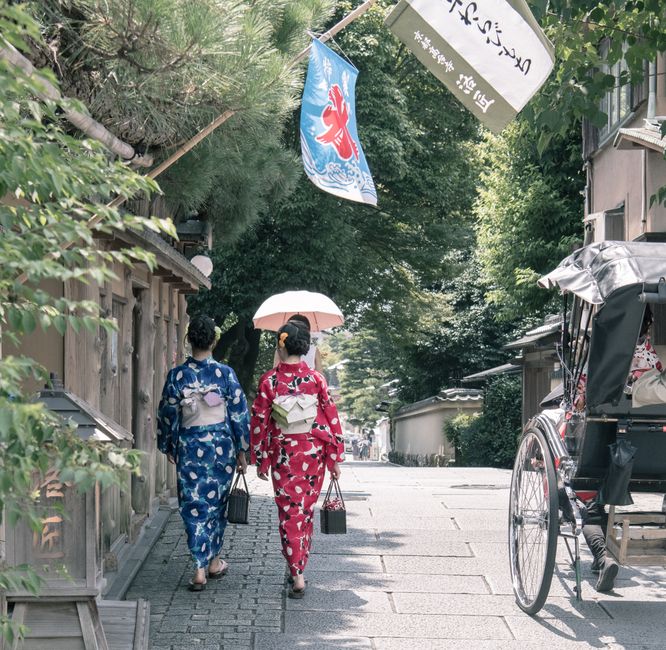
These are still very workable for first-timers—you just trade a bit of convenience for a more specific vibe.
5) Higashiyama (around the Subway Higashiyama area)
Higashiyama is where Kyoto starts to feel like a dream—temples, hills, old-street charm. Transit is workable if you base yourself near the right subway stop.
Why it’s a good transit compromise
- Staying near the subway keeps it easier than relying on buses alone.
- You can still reach a lot of places quickly, but you’ll plan slightly more around timing.
What the stay feels like
- More “scenic Kyoto” than “commute Kyoto.”
Trade-offs
- Some streets are steep and narrow—comfortable walking shoes matter.
- It can be crowded during peak seasons and especially around famous lanes.
Stay here if you want
- The atmosphere of old Kyoto as your daily backdrop
- A base that feels special even when you’re not sightseeing
6) Demachiyanagi / northern Higashiyama (Keihan + regional rail access)
This is a great pick if you want a calmer base and you’re actually interested in reaching the north/east sides efficiently.
Why it works for transit
- Close to Keihan line access and regional rail options.
- Great for exploring northward areas without spending your whole day in taxis.
What the stay feels like
- Less hectic than the most central tourist cores.
- A more “Kyoto resident” feeling.
Trade-offs
- If most of your must-dos are purely central and west-heavy, you’ll spend more time riding than wandering on foot.
Stay here if you want
- A quieter base
- Easier access to northern routes
7) Arashiyama (Sagano Line + Hankyu/Randen connections)
Arashiyama is famous for a reason, and it’s not impossible to base there. You just need to be honest about travel time back to the center.
Why it’s still practical
- You can use JR Sagano Line access and also connect via other local rail routes.
What the stay feels like
- Relaxed, scenic, and very different from central Kyoto.
Trade-offs
- Getting back to downtown areas can take longer, so you’ll either plan fewer “back and forth” trips or accept that you’re staying in the west pocket.
- Peak seasons can be crowded—especially early/late in the day when day-trippers flood in.
Stay here if you want
- Arashiyama to be your “main vibe” area
- A slower-paced trip with more time spent locally
Who should stay where (practical match-making)

Here’s the straightforward version—tell me what kind of trip you’re doing and I’ll point you to the easiest match.
If you want the least planning and the easiest logistics: Kyoto Station
Pick this if you’re the type who likes to:
- Start your day fast
- Change plans without panic
- Arrive with luggage and want convenience
Best for: first-timers, multi-day trips with lots of different directions.
If you want “central Kyoto” without being right in the thick of it: Karasuma Oike
Go for this if you love:
- Quick subway access to multiple neighborhoods
- Easy day-and-night movement
- A lot of food options without feeling like you’re inside a crowd bubble
Best for: couples, friends, anyone who wants walkable wandering plus rail convenience.
If you want a calmer base with solid connections: Nijō
Choose Nijō if you prefer:
- A less hectic “home base”
- A neighborhood vibe that’s not constantly packed
- Reliable train access with fewer hassles
Best for: families (good downtime), travelers who dislike noise.
If evenings matter most to you: Shijo-Kawaramachi / Gion-Shijo edge
This is your move if your trip includes:
- Dinner plans every night
- Night strolls and people-watching
- “We’ll just go out again” energy
Best for: food lovers and nightlife-adjacent travelers.
If you want scenery first (and you don’t mind planning around it): Higashiyama
Pick this if you can handle:
- Walking on uneven or hilly ground
- Peak crowds during the most popular times
- Planning transit a bit more carefully
Best for: couples, photographers, anyone who wants Kyoto’s postcard feel.
If you want quiet + north access: Demachiyanagi
Stay here if you want:
- Less tourist intensity
- A base that supports a northward itinerary
- A more local-feeling neighborhood
Best for: slower travelers and early risers.
If you want to commit to the west: Arashiyama
Choose Arashiyama if you’re planning for:
- Multiple west-area hours
- Fewer “round-trip to downtown” days
- Scenic mornings and evenings
Best for: nature lovers and travelers who want their base to match the vibe.
How close to a station is actually useful?
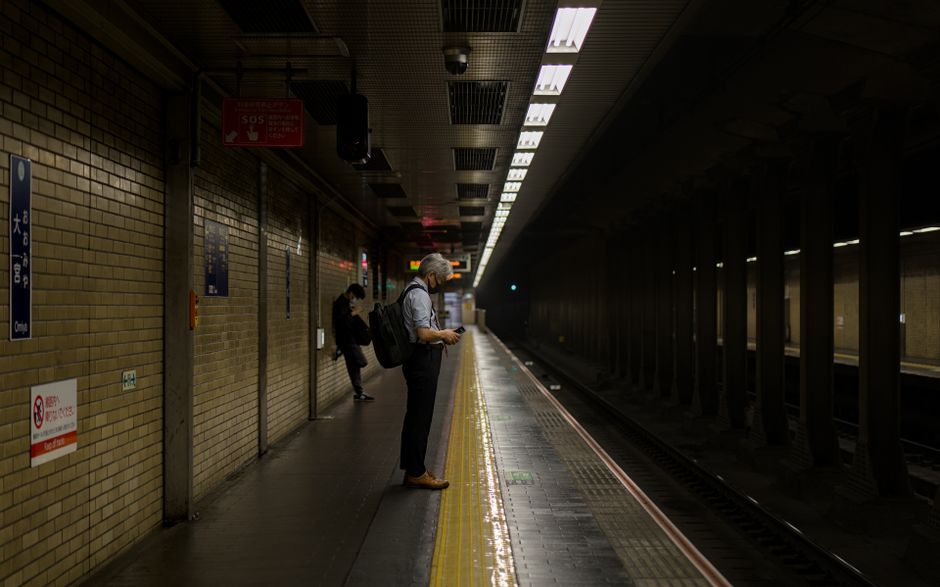
A quick reality check: being in the “right neighborhood” isn’t always enough. The street layout matters. Here’s how I decide how close is close enough.
Subway hubs beat long walks when you’re doing full days
In Kyoto, you’ll often be moving from sightseeing spot to sightseeing spot, not just commuting once.
- If your hotel is a 10–15 minute walk from a major station, that can be fine in the morning.
- But doing that walk again after a late dinner can feel exhausting (and Kyoto hills can add up fast).
Rule of thumb I use:
- Aim for roughly 5–10 minutes on foot to a station when possible.
JR lines are great—especially for west/east days
JR can be a lifesaver for reaching areas that don’t feel convenient by subway alone.
- If your itinerary includes west-side priorities, your base choice in Kyoto can save you real time.
- For first-timers, it’s less about “which rail line is best” and more about “how many transfers you can avoid.”
Private lines help, but watch last-train timing
Lines like Hankyu and Keihan can be excellent for certain districts, but:
- last trains vary by day and season
- evening plans can mess up your return route if you wing it
What I do:
- Check the last train/last connection for your likely return time.
- If you’re planning a very late dinner, pick a base that lets you get back with fewer switches.
Final thoughts
If you’re truly unsure, start with Kyoto Station or Karasuma Oike
Both are reliable “first trip” bases because they cut down friction. You can always do the scenic walks from there—while still having the option to get out of the crowds quickly.
One last check before you book
Before you commit to a hotel, verify:
- the exact station walking time (not just the neighborhood)
- whether the route back at night is straightforward
- whether the street is likely to be noisy if you’re a light sleeper
If you want, tell me your approximate travel dates and what you’re most excited about (temples, food, shopping, nature, day trips). I’ll help you narrow the 7 options to a clear top 2.