Seoul & Nearby Peaks
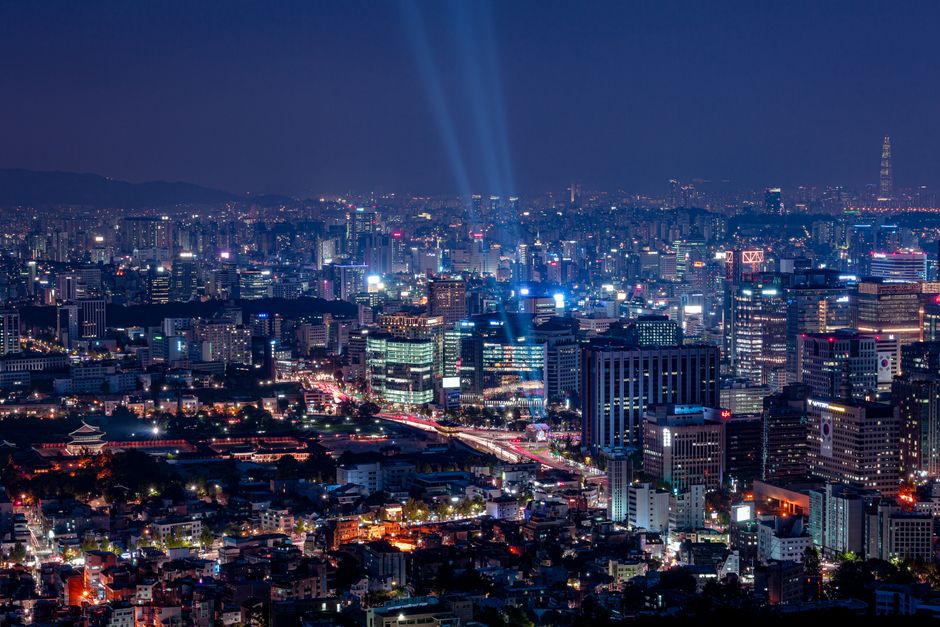
Seoul
Seoul is best for you if you like big-city energy, street food, design-y neighbourhoods, and day-to-night exploring.
What to do (my usual hits):
- Palace + neighbourhood combo: Start around Gyeongbokgung Palace, then wander toward Bukchon for traditional lanes and photo-worthy corners.
- Markets for real-food browsing: Gwangjang Market and Namdaemun are great for sampling multiple bites rather than committing to one meal.
- Modern districts: Head to Myeongdong for convenience shopping, or Hongdae for late-night vibes and buskers.
- A view that pays off: Plan a skyline moment at N Seoul Tower when the light’s changing—sunset is the classic, and it really does deliver.
Quick trade-off to know:
- Seoul can feel crowded and intense. If you’re coming from a slower pace, balance big areas with smaller neighbourhood wandering.
Bukhansan National Park
Bukhansan is best for you if you want a legit mountain day from inside (or right next to) a major city.
Why it’s worth it:
- You can hike without turning your whole trip into a logistics project.
- Trails are varied—some routes are steep, but there are options if you’re just after views.
How to plan it:
- Pick one main trail rather than trying to “do everything.”
- Start early to dodge the heaviest crowds.
- Expect cool-to-warm temperatures depending on the season, and bring proper footwear (the rocks don’t care about fashion).
Who it suits:
- First-timers who want mountains but still want to be back for dinner.
- Day-hike lovers who prefer one solid outing over a multi-hour commute.
Beach Days on the Coast
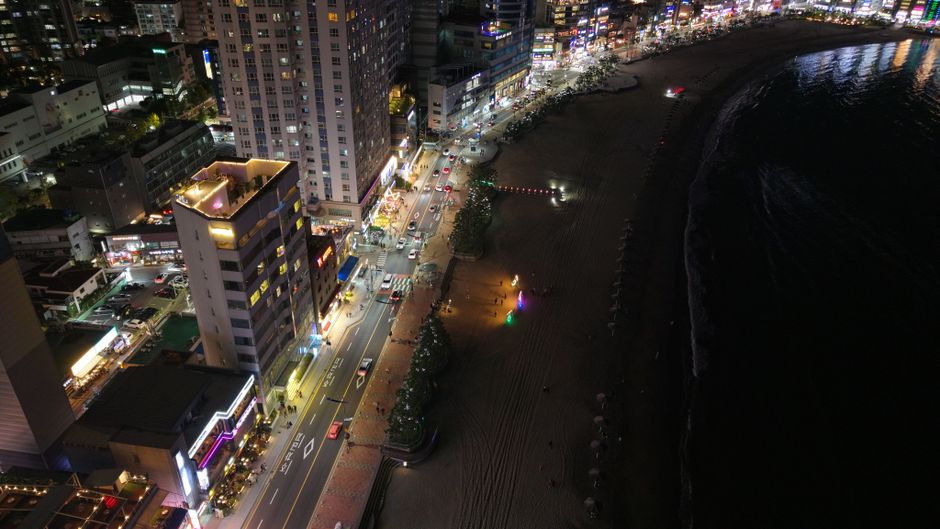
Haeundae Beach, Busan
Haeundae is best for you if you want the classic Korean beach vibe with city convenience and easy food options.
What makes it special:
- Broad sands and a lively promenade.
- Tons of places to eat nearby, so you’re never stuck.
Do this while you’re there:
- Morning walk + coffee stop: Start early for calmer light.
- Seafood dinner: This is the area where “I’ll just grab something quick” turns into an actual feast.
- Evening stroll: The waterfront atmosphere shifts nicely after dark.
Trade-off:
- It’s popular—so expect crowds in peak season.
Gwangalli Beach, Busan
Gwangalli is best for you if you prefer a more “hang out” beach—slightly moodier, often with a more relaxed waterfront feel than the big-ticket beach crowds.
What to do:
- Sunset by the water: This is a reliable moment here.
- Night atmosphere: Grab casual bites and enjoy the promenade vibe.
- Easy pairing with Busan neighbourhood wandering: It’s simple to combine beach time with exploring nearby streets.
Who it’s perfect for:
- Couples, friends, or anyone who wants a beach plan that still feels fun at night.
Gyeongpo Beach, Gangneung
Gyeongpo is best for you if you want beaches without the big-city “always busy” feeling—more open, more breezy.
How to enjoy it:
- Walk the shoreline rather than only sitting in one spot.
- Pair beach time with the Gangneung area for a calmer day than you’ll get in the biggest coastal hubs.
Trade-off:
- Fewer “instant everything” options compared with Busan’s most central areas—plan your meals a little more intentionally.
Island Escapes
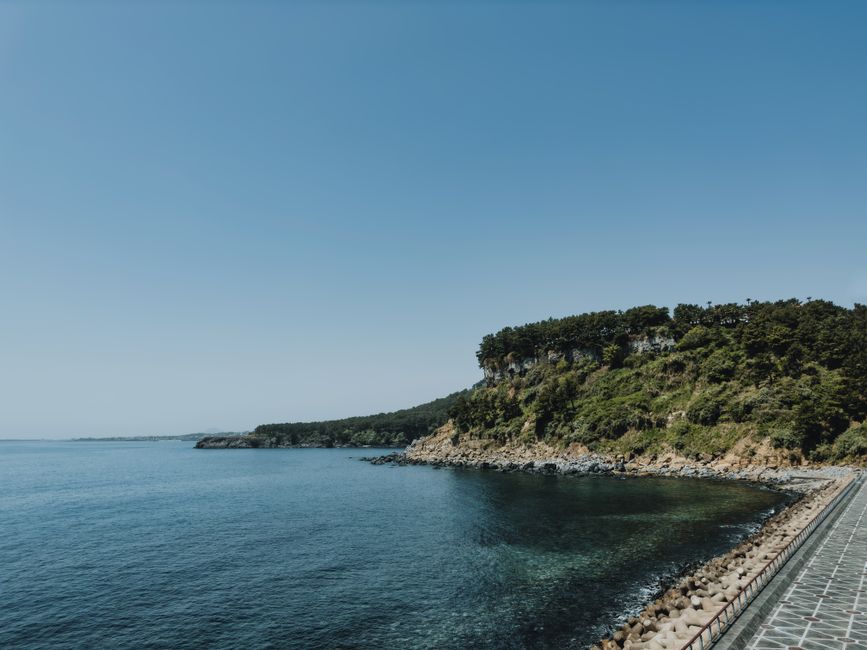
Jeju Island
Jeju is best for you if you want the full island mix: volcanic scenery, coastlines, road-trip days, and plenty of places to slow down.
What to build your trip around:
- Scenic coast + viewpoints: Jeju is a “drive and stop often” kind of place.
- Outdoor days: Hikes, lookouts, and nature walks are the heart of the experience.
- Local food: Seafood and Jeju specialties are a big part of the fun.
A practical note:
- Jeju rewards people who plan a rough route (even if you’re flexible). Random roaming is fine, but having a few “must-see” anchors makes it way smoother.
Nami Island
Nami is best for you if you like charming landscapes, easy strolls, and a day trip that still feels special.
Why it works:
- It’s compact enough to enjoy without feeling exhausted.
- The scenery is the main event—think peaceful paths and “pause for photos” moments.
Who should go:
- Families, couples, and anyone who wants an easy, scenic break.
Trade-off:
- It can get busy. If you can, aim for a quieter time of day.
Ulleungdo
Ulleungdo is best for you if you want something more remote and dramatic—ocean views, rugged landscapes, and a slower rhythm than the mainland.
How it feels:
- Like the kind of place where you’re constantly looking out at water and cliffs.
- Less “theme park tourism,” more nature-focused exploring.
Plan-style tips:
- Treat it as a nature island: hikes, viewpoints, and coastal walks.
- Build in margin—weather can change plans, and it’s better to be flexible.
Mountain Country

Seoraksan National Park
Seoraksan is best for you if you want iconic Korean mountain scenery—dramatic ridgelines, waterfalls (season-dependent), and a hiking day that feels like a highlight.
What to expect:
- Big viewpoints and plenty of route options.
- Popular trails, so it’s not “empty solitude,” but it’s usually worth it.
How to make it a win:
- Choose a route that matches your energy level and don’t overcommit.
- Start early if you can, especially in busy travel windows.
Hallasan National Park (Jeju)
Hallasan is best for you if you want a mountain challenge on an island—volcanic landscapes, changing weather, and a sense of “I’m really somewhere different.”
Why it’s memorable:
- It’s a volcanic mountain experience, which gives you a very different feel than mainland hikes.
- Conditions can change quickly, so you’ll want layers and solid shoes.
Who it suits:
- Hiking lovers who want a serious day rather than just a scenic lookout.
Trade-off:
- Weather matters. If it’s foggy or rough, trails may be less enjoyable (or routes may be limited), so keep an eye on local conditions.
History & Slower Travel
Not every great South Korea moment is about rushing. These picks are for culture, atmosphere, and places that feel like you’re stepping into another time.
Gyeongju
Gyeongju is best for you if you love history that you can actually walk through—temples, ancient vibes, and a relaxed sightseeing pace.
What to do:
- Old-world sites: Spend time exploring historical areas rather than trying to “hit” them all quickly.
- Museum time: If you’re into context, museums can make the ruins and structures click.
- Evening strolls: The town feels calmer after the main daytime rush.
Trade-off:
- It’s not as “instant entertainment” as Seoul. It’s more of a slow-burn destination.
Andong & Hahoe Folk Village
Andong (and Hahoe Folk Village) is best for you if you want traditional Korean culture in a quieter, more scenic setting.
Why it’s worth a slot:
- The vibe is hands-on and atmospheric—less modern, more traditional.
- It’s a nice change of pace after busy cities or beach days.
How to enjoy it:
- Go with curiosity: take time to look at the layout, not just the photo spots.
- Pair Andong with a slower meal schedule—this is the type of place where “lingering” feels right.
Final Thoughts
If you’re still figuring out your route, don’t overthink it—pick a “base” area and let the rest be day trips or short hops.
How to choose your mix
A simple way to decide:
- Start in Seoul if it’s your first time (it’s the easiest place to orient yourself).
- Add one beach region if you want downtime: pick between Busan’s energy (Haeundae/Gwangalli) or Gyeongpo for a calmer feel.
- Choose one island:
- Jeju for variety and big scenery,
- Nami for easy, pretty day pacing,
- Ulleungdo for a more remote nature escape.
- Add one mountain focus (Seoraksan or Hallasan) depending on whether you want mainland drama or volcanic island hikes.
A realistic starting point (10-day outline)
If you want a balanced itinerary without burning out:
- Days 1–3: Seoul + Bukhansan (city rhythm + one mountain day)
- Days 4–6: Busan area + beaches (Haeundae + Gwangalli)
- Days 7–9: Jeju (island scenery + Hallasan if you’re up for a hike)
- Day 10: Gyeongju or Andong for history and a calmer finish
That’s the sweet spot for most travellers: enough variety that you feel like you “saw Korea,” but not so many locations that you spend your holiday in transit.
If you tell me how many days you’ve got and whether you prefer hiking, food, or beaches, I’ll help you turn these 12 picks into a route that actually makes sense.