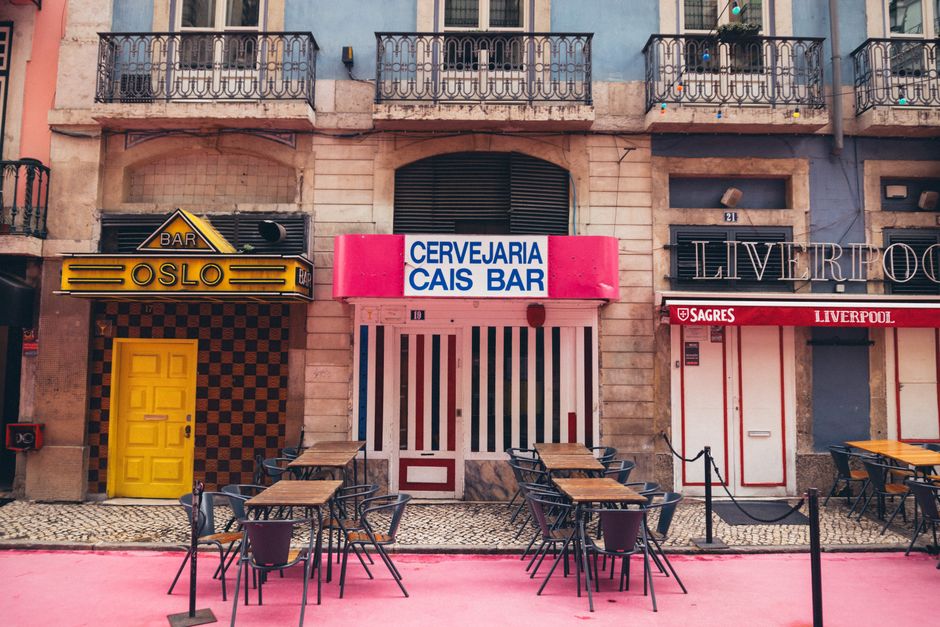
Hey fellow travelers—if Lisbon nightlife has you wondering where to stay so you can walk to bars and still get back safely late, I’ve got you. This guide ranks the best neighborhoods for nightlife and late-night dining based on walkability, night-time safety, and how easy it is to return to your hotel when transport options are limited.
Before we dive in: Lisbon is hilly, so “walkable” still means “walkable-with-breathing.” I’m judging it by how close you are to clusters of bars/restaurants, and whether the walk back is usually straightforward (or at least well-lit and not a random uphill shortcut).
1) Bairro Alto (and the edge of Chiado)
Why it’s great for late nights
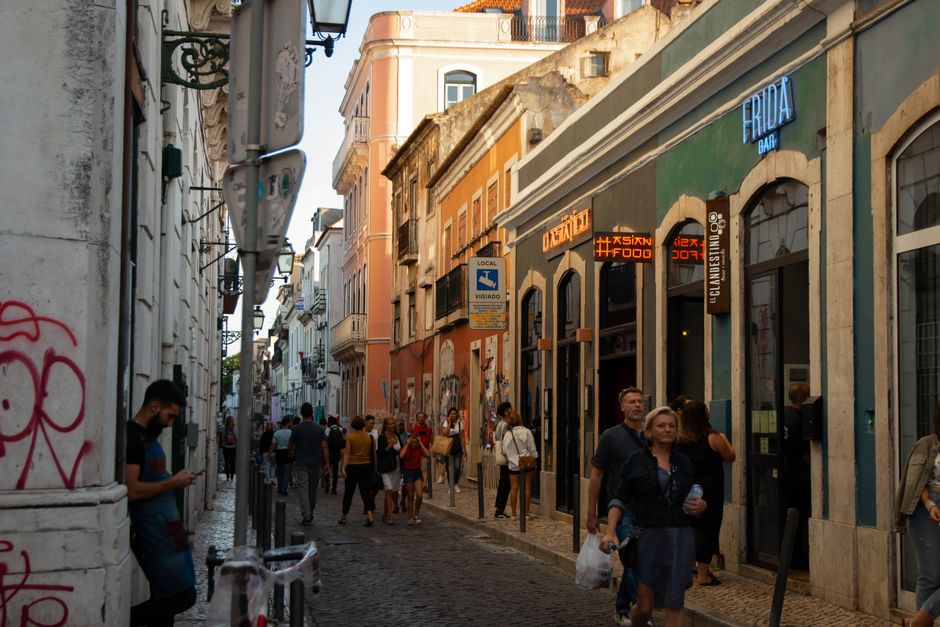
- Walkability is the whole point: you can hop between bars in the same few blocks.
- Atmosphere: it’s lively even on slower nights—lots of people around means you’re not wandering in silence.
- Late-night dining vibes: expect plenty of restaurants and tasquinhas that keep the “eat before you disappear” crowd.
What to eat after the bars
- Look for Portuguese comfort food and seafood grills within a short walk of the main bar streets.
- If you’re on a seafood mood, aim for places that do fresh fish + simple sides—you’ll get fed without needing a full meal-planning session.
- On weekends, book a table earlier if you can; the last seating can feel like a game of timing.
Safety and the “getting back” test
- Safety: generally good for a big nightlife area, but use the same street-smarts you’d use anywhere packed—keep your phone secure and don’t follow strangers into quieter side alleys.
- Getting back when transit is limited: you’re often close enough to take a quick taxi/rideshare if you don’t want to deal with the last metro/tram timing.
- The main downside: when it’s very busy, you might deal with crowds and noise deep into the night.
Trade-offs (what I wish someone told me)
- Your room may hear bar noise unless you choose a quieter street.
- Plan for hills: you might feel the climb after a few drinks.
2) Cais do Sodré (for nightlife + easy late dining)
Why it’s a top pick for bars
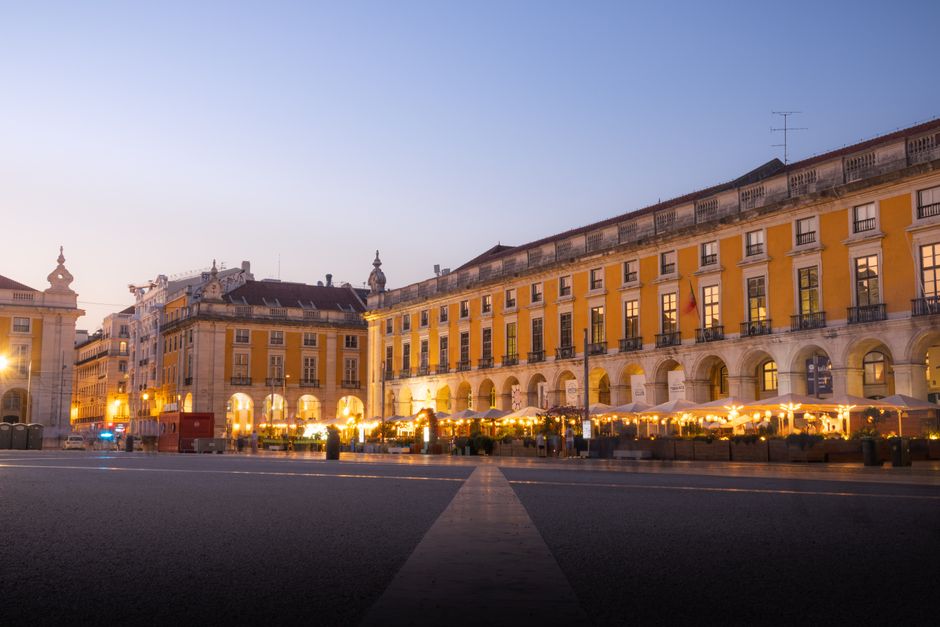
- Nightlife clustering: bars, music spots, and busy restaurant streets tend to sit close together.
- Good energy late on: even when you’re craving something calm, you’re not far from options.
- Easy to browse: you can stroll and pick a spot without committing too early.
Late-night dining strategy
- Go for modern Portuguese or casual dining that can handle a “we’re hungry now” decision.
- Seafood is often a safe bet in this part of town—many places serve it in straightforward, night-friendly portions.
- If you want something less chaotic, try to eat a street or two away from the loudest clusters.
Safety and getting back
- Safety: it can be lively, and lively can mean more hustle. Stay aware, especially if you’re walking alone.
- Lighting helps: main streets are usually busy enough that you feel less “exposed.”
- Return options: because it’s well-connected, you’ve got more ways to get back even when services are reduced.
Trade-offs
- It’s not the place for a “sleep in peace” trip.
- On very busy nights, the streets can feel crowded—you’ll move slower than you expect.
3) Príncipe Real (a calmer base with nightlife that still goes late)

Why it works for late-night dining
- Walkability between venues: you’re not crossing the whole city—you’re moving between clusters.
- More choice, less chaos: the vibe is more “cocktails + dinner” than “stumble home.”
- Good for groups: it’s easy to find different levels of energy in a short walk.
What you’ll likely want to order late
- Think small plates, Portuguese classics, and bistro-style comfort food.
- If you’re doing dessert + coffee after dinner, Príncipe Real is usually good for a second round.
Safety and getting back
- Safety: generally feels calmer than the heavy nightlife pockets, especially a bit away from the busiest corners.
- Getting home: you often have multiple routes back—by foot to a well-lit main street, or a short hop via taxi if needed.
- You’ll still want to keep your wits about you, but the overall feel is less intense.
Trade-offs
- If you want the loudest clubs and the densest bar-hopping, you may feel like it’s slightly more “contained.”
4) Santos (for riverside nights and a less hectic return)
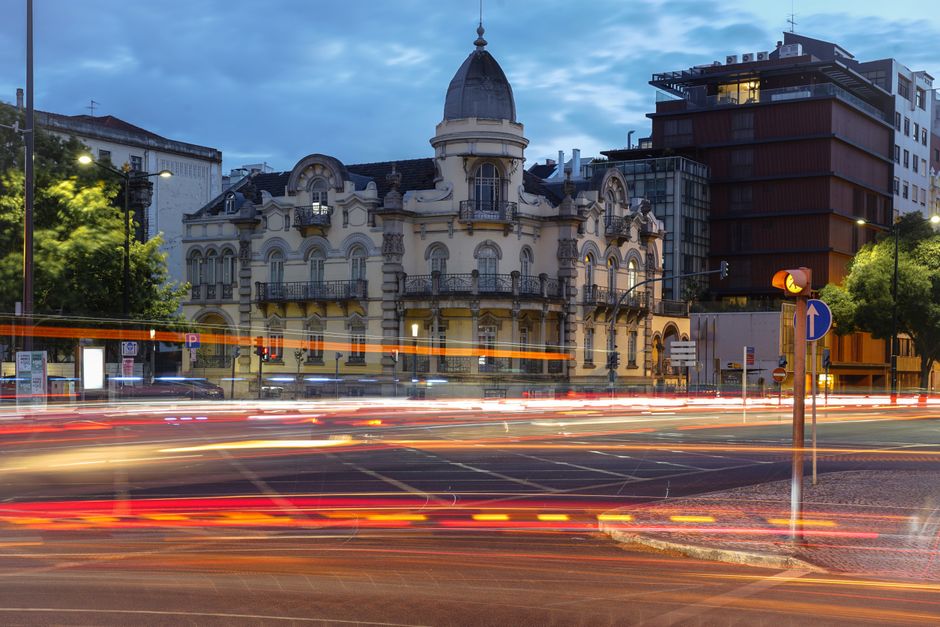
Why it’s walk-friendly at night
- Nightlife without the crush: you get a mix of bars and dining close enough to walk between.
- Riverside calm (when you want it): you can switch from dinner energy to calmer strolling pretty easily.
Late-night dining options (the practical way)
- Look for places that do grilled meat, seafood, and hearty Portuguese plates—Santos leans into that.
- If you’re staying out late, you’ll usually find plenty of spots that can handle “we’re still hungry” without requiring a full formal plan.
Safety and getting back
- Safety: this area often feels less chaotic than the most famous nightlife streets, which can make the walk back feel easier.
- Getting home: because it’s still centrally located, you usually have a straightforward path back to your hotel—even if you avoid relying on the last minutes of transit.
Trade-offs
- Some nights are more vibe than “club-thumping.” If you want nonstop music density, you may prefer Bairro Alto or Cais do Sodré.
5) Alfama (for fado nights and late-ish dining)
Alfama isn’t Lisbon’s loudest nightlife neighborhood, but it’s fantastic if you want evenings that feel romantic, local, and memorable.
Why it deserves a spot on your list
- Nightlife type: fado and intimate venues rather than bar-hopping street chaos.
- Atmosphere: the old streets give you that unmistakable Lisbon feeling.
- Late-night dining: you can often find dinner that stretches longer than you’d expect—especially if you’re starting earlier.
The smart way to do dinner here
- Plan for one main meal + one “linger” moment (dessert, digestif, coffee) rather than bouncing between five different venues.
- Choose restaurants that aren’t hidden deep in the tiniest back lanes—those can be harder after dark.
Safety and getting back
- Safety: Alfama is lovely, but it’s also a maze of lanes. Stick to well-trafficked routes and avoid cutting through empty corners.
- Getting back: taxis can be the easiest option, especially because the streets and hills can make late-night walking slower than you think.
Trade-offs
- It’s not the best base if your priority is maximum bar density within five minutes.
6) Alcântara (for creative nights + dinner that doesn’t rush you)
If you like your nightlife a bit more modern and a bit less tourist-club, Alcântara is a refreshing alternative.
Why it can be perfect for late evenings
- Creative venues: think art spaces, live events, and a more “grown-up” night out.
- Good pacing: you can have a proper dinner and still keep the night going.
Late-night dining approach
- Look for places that do solid mains (grilled dishes, hearty plates, seafood) rather than ultra-snack-focused menus.
- If you’re meeting friends, Alcântara’s layout can be easier than you expect—as long as you’re staying near the main nightlife pockets.
Safety and getting home
- Safety: generally feels calmer than the biggest nightlife magnets.
- Getting back: because late-night transit can get patchy, plan for a short taxi ride if your hotel isn’t close to the main routes.
Trade-offs
- It’s not as “instantly bar-to-bar” as Bairro Alto.
- You might need a tiny bit more planning to keep everything close.
Final thoughts: picking your best base
If you want my quick cheat sheet, here’s how I’d choose.
My simple choice guide
- Choose Bairro Alto (1) if you want the most straightforward bar-hopping and lots of places to eat after.
- Choose Cais do Sodré (2) if you want nightlife energy plus an easy, connected return.
- Choose Príncipe Real (3) if you want style and comfort with a calmer vibe.
- Choose Santos (4) if you want a lively night without the biggest crowds.
- Choose Alfama (5) if your “nightlife” is fado + atmosphere more than clubs.
- Choose Alcântara (6) if you want modern, creative evenings and a less chaotic night.
One last practical tip
When you’re deciding where to stay, I recommend you map a rough “last 2 hours” route (bar → dinner → your hotel). If that walk looks uphill, isolated, or hard to repeat, switch neighborhoods—because late nights are when Lisbon’s hills and crowds matter the most.
If you need help comparing options within walking distance, I sometimes sanity-check location details on Booking.com.
Have fun out there—Lisbon is at its best when you pick the neighborhood that matches how you want your night to feel.